jesse


Apartment Complex Snow Removal Denver Colorado | 2026 Guide

If you manage an apartment complex in Denver, Colorado, professional snow removal isn’t just a convenience—it’s a legal and financial necessity. The 2026 winter season brings the same old certainty: heavy, wet snow will blanket your parking lots, sidewalks, and driveways, and someone will need to clear it before a tenant slips, a car gets stuck, or a city inspector writes a citation. Unlike a single-family driveway, an apartment property presents a sprawling network of asphalt, concrete, and high-traffic choke points. A missed pass or a poorly timed freeze-thaw cycle can cascade into a liability nightmare. This guide walks through the legal framework, the real-world risks, and the practical steps to secure a snow removal contract that keeps your property safe, compliant, and insurable through every storm cycle.

Table of Contents

Why Apartment Complexes Need a Dedicated Snow Removal Plan in Denver

Denver’s winter weather punishes large paved surfaces in ways that surprise out-of-state property owners. The city’s famous freeze-thaw cycles turn a two-inch snowfall into a sheet of ice by morning, especially on parking lot aisles where vehicle exhaust melts snow during the day and temperatures plummet after sunset. Heavy, wet spring snows overload downspouts and create runoff that refreezes across walkways. These conditions demand more than a pickup truck with a plow blade and a bag of rock salt.

The legal stakes amplify the urgency. Under Colorado’s Premises Liability Act, tenants are classified as “invitees,” a status that imposes the highest duty of care on a property owner. You are not simply expected to act reasonably; you are legally obligated to inspect for hazards, correct them, and warn tenants of dangers you should have known about. A single slip-and-fall lawsuit involving a broken hip or a head injury can easily exceed the cost of a decade’s worth of full-season snow removal contracts. Juries in Denver County have shown little sympathy for landlords who treat snow removal as an afterthought.

Beyond the courtroom, neglected snow removal erodes your property’s reputation. Tenants talk. Online reviews mention unplowed lots and icy walkways. Lease renewals drop when residents spend every winter morning chiseling their cars out of frozen ruts. The frustration is avoidable, but only if you treat snow removal as a core operational function rather than a reactive expense.

Proactive planning also prevents what Colorado courts call “unnatural accumulation” claims. Natural snowfall alone rarely creates liability. But when a plow pushes snow into a walking path and that pile melts and refreezes, the resulting ice is no longer natural. The same applies to a faulty downspout that channels meltwater across a sidewalk. These scenarios are entirely within a property manager’s control, and failing to address them is exactly what plaintiff’s attorneys look for when building a negligence case.

Who Is Legally Responsible for Snow Removal at Your Denver Apartment Complex?

Landlord vs. Tenant Responsibility Under Colorado Law

Responsibility for snow removal at a Denver apartment complex follows a clear legal pattern, though the final word always rests in the lease agreement. Landlords bear the burden for all common areas: parking lots, drive aisles, main building entrances, stairwells, mailroom access paths, and any sidewalk adjacent to the property. These are spaces where tenants have no individual control and where the landlord’s duty as the property owner is non-delegable in the eyes of the law.

Tenants, by contrast, are typically responsible only for exclusive-use areas. A private balcony, a ground-floor patio, or a fenced yard attached to a specific unit falls under the tenant’s purview unless the lease explicitly states otherwise. This division makes practical sense: a tenant can shovel a small patio, but no tenant can plow a fifty-space parking lot. Disputes arise when lease language is vague. A clause stating “tenant shall maintain the premises” is too broad to override the landlord’s statutory duty for common areas, but a specific clause assigning sidewalk clearing to a ground-floor tenant may be enforceable if it is explicit and agreed upon at signing.

The 24-Hour Sidewalk Rule and Parking Lot Requirements

Denver’s municipal code requires property owners to clear snow and ice from adjacent sidewalks within 24 hours after a snowfall ends. This rule is enforced by the Department of Transportation and Infrastructure, and violations can result in citations. The 24-hour clock starts when the last flake falls, not when you notice the snow. For overnight storms that end at 3:00 a.m., the deadline hits at 3:00 a.m. the following night, which means your snow removal contractor needs to be on-site well before that window closes.

While the code specifically names sidewalks, courts apply a similar “reasonable care” standard to parking lots and driveways. A landlord who clears the sidewalk but leaves the parking lot buried in six inches of snow has not met the duty of care owed to tenants. Handicap-accessible parking spaces and the paths connecting them to building entrances deserve particular attention. Fire lanes must remain passable for emergency vehicles regardless of snow depth. These are not areas where you can wait for the sun to melt the problem.

The “Natural Accumulation” vs. “Unnatural Accumulation” Trap

Colorado law draws a critical distinction that every property manager should understand. Natural accumulations of snow and ice, meaning snow that falls and sits undisturbed, generally do not create liability for a landlord. The logic is simple: Colorado winters bring snow, and everyone living here assumes some inherent risk.

Unnatural accumulations are a different story. If a downspout discharges water onto a walkway where it freezes, that ice is unnatural. If a snow plow piles snow at the end of a parking aisle and meltwater drains across the sidewalk overnight, the resulting ice patch is unnatural. If a roof overhang drips onto stairs and forms a glaze, that hazard belongs to the property owner. Insurance adjusters and plaintiff’s attorneys will photograph every pile, every drain, and every slope on your property after a fall. They are looking for the chain of causation that turns a weather event into a landlord-created hazard. Your snow removal plan must account for where snow goes after it is plowed and where water flows when it melts.

Neglecting snow removal at a Denver apartment complex triggers a cascade of consequences that range from municipal fines to six-figure civil judgments. The most obvious risk is a slip-and-fall lawsuit. Under Colorado’s modified comparative negligence law, an injured tenant can recover damages as long as they are not more than 50 percent at fault for their own injury. A tenant who was wearing smooth-soled shoes and looking at their phone might bear some percentage of blame, but if a jury assigns 30 percent to the tenant and 70 percent to the landlord, the landlord pays 70 percent of the total damages. Medical bills, lost wages, and pain and suffering add up quickly.

Municipal enforcement adds another layer of pressure. Denver DOTI inspectors respond to complaints about unshoveled sidewalks, and repeat offenders face escalating fines. The city also prohibits depositing snow onto public streets, bike lanes, or rights-of-way. Pushing a parking lot’s worth of snow into the street to clear your property faster is a misdemeanor under Colorado law, carrying fines from $10 to $300 per violation plus civil liability for any resulting accidents. A contractor who takes this shortcut exposes you to liability as the property owner.

Tenants have leverage beyond injury claims. If a lease explicitly promises snow removal and the landlord fails to deliver, tenants may have grounds to withhold rent or break the lease without penalty. Colorado’s warranty of habitability does not specifically mandate snow removal, but a contractual promise creates an obligation that courts will enforce. A pattern of neglect also invites complaints to housing authorities and negative press on tenant advocacy platforms.

ADA compliance risks are often overlooked until a complaint lands. The Americans with Disabilities Act requires accessible paths with a minimum clear width of 36 inches. Snow piled in an accessible parking space or blocking a curb ramp creates a barrier that can trigger a federal complaint. The Department of Justice has pursued snow-related ADA violations against apartment owners in cold-weather states, and the penalties are not trivial.

How to Choose a Commercial Snow Removal Service for Your Denver Apartment Complex

What to Look for in a Contract (Pricing, Frequency, and Scope)

A commercial snow removal contract for an apartment complex needs to be specific, not aspirational. Start with the pricing structure. Per-push contracts charge a flat rate each time the contractor deploys equipment, regardless of how many times it snows in a season. This model offers flexibility in mild winters but can strain budgets during a heavy storm cycle. Seasonal contracts lock in a fixed price for the entire winter, shifting the risk of a snowy season to the contractor. Most Denver properties with consistent budgets prefer seasonal agreements, but the terms must be clear about what happens if snowfall exceeds a defined cap.

Frequency and trigger depth belong in writing. The contract should state the accumulation threshold that prompts a response, typically two inches, and the maximum time allowed for the first pass after that threshold is met. A common standard is two hours after two inches, but larger properties may need phased service that begins during the storm. The contract should also address call-back triggers for ice treatment between storms, especially during freeze-thaw cycles that turn cleared lots into skating rinks overnight.

Scope of work details prevent disputes. The contract must list every surface to be cleared: parking lot aisles, individual parking spaces or at least drive lanes, handicap-accessible spaces and their connecting paths, dumpster pads, all building entrances, stairwells, and adjacent public sidewalks. If a surface is not listed, assume it will not be cleared. Deicing material specifications matter too. Liquid magnesium chloride, which Denver uses downtown to reduce airborne particulate matter, is less corrosive to concrete than solid rock salt and performs better at lower temperatures. Ask what materials the contractor uses and whether they adjust based on temperature and pavement type.

Why DIY or Handyman Snow Removal Is a Bad Idea for Apartments

Some property owners are tempted to handle snow removal with a maintenance worker and a truck-mounted plow. This approach fails on multiple fronts. Apartment parking lots require equipment with down-pressure and maneuverability that a standard pickup cannot provide. Skid steers and dedicated plow trucks clear more thoroughly and pile snow more efficiently. A handyman with a shovel and a snowblower cannot clear a full lot before the 24-hour sidewalk deadline expires, especially during back-to-back storms.

Insurance is the dealbreaker. A professional snow removal contractor carries liability insurance that specifically covers slip-and-fall claims arising from their work. If a tenant falls on ice that formed after a contractor’s plow pass, the contractor’s policy responds. If the same fall happens after a maintenance worker clears the lot, your property’s general liability policy may face a coverage dispute, or worse, a denial based on a snow-removal exclusion. The cost of that gap dwarfs any savings from keeping the work in-house.

Professional services also provide documentation that becomes invaluable in litigation. Time-stamped photos of cleared lots, salt application logs, and storm response records create a paper trail that demonstrates reasonable care. When a plaintiff’s attorney asks what you did to prevent ice accumulation on the morning of January 12th, a contractor’s service ticket with GPS timestamps is a far better answer than a maintenance worker’s vague recollection.

Cost of Apartment Complex Snow Removal in Denver, Colorado

Snow removal pricing for Denver apartment complexes varies widely, and most contractors do not publish rates because every property presents a different set of challenges. Lot size measured in square footage is the primary driver, followed by the number of drive aisles, the presence of islands or medians that complicate plowing patterns, and the amount of deicing material the property requires. Storm frequency in your specific Denver neighborhood also matters; properties in the western suburbs near the foothills often see heavier snow than those in the central city.

For a small complex of 10 to 20 units with a modest parking lot, expect per-visit charges in the $150 to $400 range. A mid-sized property of 30 to 50 units typically falls between $400 and $800 per visit. Large complexes with 50 or more units and extensive parking areas can run $500 to $1,500 or more per plow event, especially when deicing is included. Seasonal contracts for small to mid-sized properties often land between $3,000 and $7,000, while larger properties can see contracts exceeding $10,000 depending on service level and storm frequency guarantees.

Hidden costs deserve scrutiny before signing. Some contracts include overage fees when a single storm exceeds a set number of inches, charging a premium for the extra passes required. Call-back charges for ice treatment between scheduled plow visits can accumulate during freeze-thaw cycles. Ask for a sample invoice from a heavy snow month to see what the real cost looks like when Denver delivers a week of consecutive storms. A low per-push rate means little if the fine print doubles the bill every time the temperature swings.

Frequently Asked Questions About Apartment Snow Removal in Denver

Is my apartment complex responsible for snow removal?
Yes, for all common areas including parking lots, walkways, building entrances, and adjacent sidewalks. Your lease should confirm this, but Colorado law places the duty on the landlord for spaces shared by all tenants.

Can a landlord charge me for snow removal?
Only if the lease explicitly shifts snow removal responsibility to the tenant. This arrangement is common in single-family rental homes but rare in apartment complexes where common areas serve multiple units.

What are the snow removal laws in Colorado?
Denver requires property owners to clear adjacent sidewalks within 24 hours after snowfall ends. Parking lots and walkways must be kept reasonably safe under the Colorado Premises Liability Act, which treats tenants as invitees owed the highest duty of care.

Can I sue my landlord for not removing snow?
Yes, if you are injured and the landlord was contractually or legally responsible for clearing the area where you fell. Damages can include medical expenses, lost income, and pain and suffering, subject to Colorado’s comparative negligence rules.

How often should an apartment parking lot be plowed?
After every snowfall of two inches or more, with additional passes as needed for drifting snow or refreezing conditions. The contract with your snow removal provider should specify trigger depths and response times.

Protect Your Denver Property with Professional Snow Removal

Denver winters do not negotiate, and neither do the legal obligations that come with managing an apartment complex. The 24-hour sidewalk rule, the Premises Liability Act, and the practical reality of keeping tenants safe and satisfied all point to the same conclusion: snow removal is not a task to delegate to the lowest bidder or the newest maintenance hire. A well-structured contract with a properly insured commercial provider protects your property from lawsuits, fines, and the slow erosion of tenant trust that follows every unplowed storm.

The 2026 season will bring snow, ice, and the same freeze-thaw cycles that have challenged Denver property managers for decades. The only variable is whether you face them with a plan or with a panic call to whoever answers the phone after the flakes start falling. Secure a customized quote and a seasonal contract that matches your property’s specific layout and risk profile. Don’t risk a lawsuit or a fine: schedule your apartment complex snow removal in Denver, Colorado today.
HOA Snow Removal Services in Denver CO: 2026 Guide & Pricing   Recently updated !

Snow removal in Denver, Colorado

Snow removal in Denver, Colorado

Finding reliable HOA snow removal services Denver CO requires more than a quick internet search and a handshake. For board members and property managers across the Front Range, snow removal represents one of the largest line items in the annual operating budget and the single greatest source of winter liability exposure. Denver’s freeze-thaw cycles, the legal clock ticking on sidewalk clearing, and the sheer unpredictability of spring and fall storms make a written plan essential, not optional. This guide walks through the contract structures, legal obligations, pricing realities, and vendor vetting steps that every Denver HOA should have in place before the first flake falls in late 2026.

Table of Contents


See the Best Snow Plows of 2026 ❄️

Why Denver HOAs Need a Dedicated Snow Removal Plan


Residential Snow Plowing in Denver →

Denver does not experience winter the way Minneapolis or Buffalo does. High-altitude sun can melt four inches of snow off a parking lot by noon, only for the temperature to plummet after sunset and turn every puddle into a sheet of black ice. That daily freeze-thaw rhythm creates slip hazards that persist long after the plows have left, and it demands a removal strategy that accounts for both plowing and ice management as separate, equally important tasks.

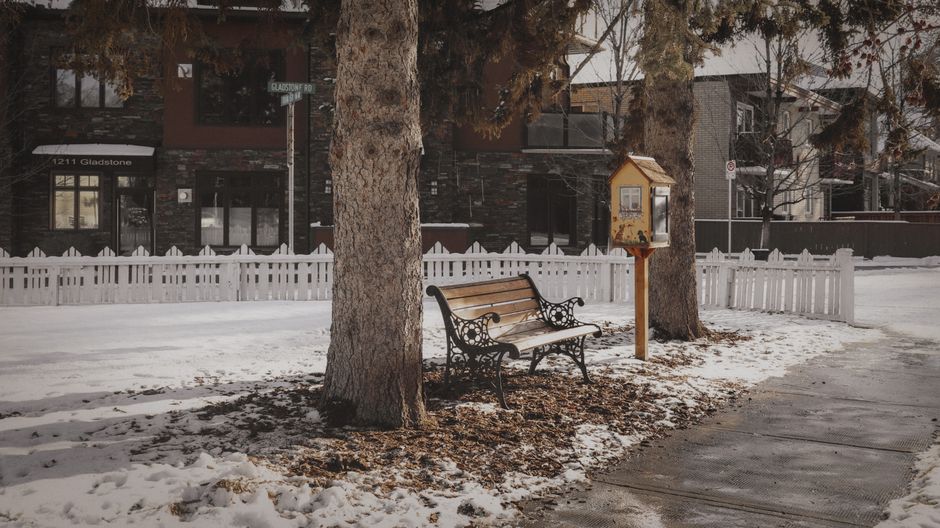
A snowy park scene featuring a wooden bench under trees in winter.
Photo by Claudia Solano on Pexels

Liability is the other driver no board can afford to ignore. Colorado law requires property owners to clear snow and ice from adjacent sidewalks within 24 hours after a snowfall ends. For an HOA, that means every common-area walkway, every shared parking lot, and every path leading to a mail kiosk or clubhouse falls under the association’s legal duty. A single slip-and-fall claim can dwarf the cost of a seasonal contract, and courts in Colorado have consistently looked at whether an HOA had a documented plan and a qualified vendor in place when assigning fault.

Resident expectations have also shifted. Homeowners track plow arrival times on their phones, post photos of untreated walkways to community forums, and expect the same response speed from their HOA that they see from municipal plows on arterial roads. A clear, communicated snow removal plan reduces those friction points before they become board-meeting grievances. Finally, improper plowing damages asphalt, scrapes curbing, and buries landscaping under compacted snow piles, creating repair bills that hit the reserve fund hard come spring. A dedicated plan protects both people and property.

Understanding HOA vs. Homeowner Snow Removal Responsibilities

What the HOA Must Cover

The association’s responsibility extends to every square foot of common area within the community. That includes private streets if the HOA owns them, shared parking lots, walkways leading to amenities, mail centers, and clubhouse entrances. Sidewalks that run along common property, such as the perimeter of a community park or a detention pond, also fall under the HOA’s obligation. Fire hydrant access and emergency vehicle routes within the community must remain clear, and in a gated community, the HOA typically bears full responsibility for all interior roads.

A snowplow clearing snow from a city street after a heavy winter snowstorm.
Photo by Sergei Starostin on Pexels

What Homeowners Must Cover

Individual homeowners are responsible for their own driveways, the walkway leading to their front door, and any steps, porches, or private patios attached to the unit. The sidewalk directly adjacent to their lot is also the homeowner’s responsibility under Colorado law, even if the HOA technically owns the strip of land where the sidewalk sits. Many HOAs reinforce this in their CC&Rs with explicit language requiring owners to clear their adjacent sidewalks and specifying fines for noncompliance.

The Legal Backstop: Colorado’s 24-Hour Rule

Colorado’s sidewalk clearing law gives property owners and HOAs exactly 24 hours after a snowfall ends to clear adjacent sidewalks. In Denver, enforcement runs through the Department of Transportation and Infrastructure, which responds to citizen complaints and conducts spot checks after major storms. Fines start at $50 to $150 per violation, but the real financial risk comes when the city contracts out the clearing work itself and bills the property owner for the service plus administrative fees. Repeat violations can escalate to municipal court, and for an HOA with hundreds of linear feet of sidewalk, a single storm can generate multiple citations. The 24-hour clock is non-negotiable, and it is one of the strongest arguments for a full-service contract that includes automatic post-storm sidewalk clearing.

The 3 Types of HOA Snow Removal Contracts: Denver Pricing and Pros

HOA snow removal contracts in Denver fall into three distinct categories, and choosing the wrong one for your community’s size and risk tolerance can lead to budget overruns or dangerous service gaps.

Per Push contracts, also called per-event contracts, charge the HOA only when a storm triggers service. The trigger is typically a minimum accumulation, most commonly two inches, though some HOAs set the threshold at four inches to reduce costs. This model works best for small associations under 20 units that see variable snowfall and want to avoid paying for a full season when Denver might only see a handful of qualifying storms. In the Denver market, per-push rates for a small HOA parking lot and common walkways generally run between $150 and $400 per event. The risk is that a heavy winter with frequent storms can push total costs well past what a seasonal contract would have cost.

Seasonal contracts lock in a fixed annual price over a two- or three-year term, regardless of how many storms hit. This is the most common model for mid-size HOAs with 20 to 80 units. The vendor assumes the weather risk, and the HOA gets budget certainty. Denver seasonal contracts for mid-size associations typically range from $8,000 to $20,000 per season. The $20,000 figure that surfaces in Colorado HOA discussions aligns with a 50- to 80-unit community on a comprehensive seasonal plan in higher snowfall zones like Cherry Creek or Washington Park.

Full-service seasonal contracts cover unlimited plowing and shoveling pushes plus pre-treatment with liquid brine or salt before storms and post-storm ice management including re-freeze callbacks. These contracts are built for large HOAs with 80 or more units, communities with significant pedestrian traffic, or any association where a slip-and-fall lawsuit would be catastrophic. Denver pricing for full-service contracts starts around $15,000 and can exceed $40,000 per season depending on the total paved area, the number of walkways, and whether the contract includes 24/7 on-site monitoring. The higher cost buys the HOA a vendor who treats the property proactively rather than reactively, which matters enormously during Denver’s overnight refreeze cycles.

How to Vet a Denver HOA Snow Removal Vendor

Insurance and Liability Checklist

Before signing anything, request a Certificate of Insurance directly from the vendor’s insurance agent, not from the vendor themselves. The policy should carry a minimum of $2 million in general liability coverage and $1 million in automobile liability, given that plow trucks operate on HOA property and public streets. Colorado law requires workers’ compensation coverage for any employee, and the vendor should provide proof without hesitation. The HOA should also be named as an additional insured on the vendor’s policy, which ensures the association receives direct notice if the policy lapses or is canceled mid-season.

Experience and Local Knowledge

Denver snow removal is not the same as snow removal in Parker or Boulder. A vendor needs to understand Denver’s residential parking patterns, the city’s plow-to-the-right street rules, and how DOTI snow routes affect access to HOA properties. Ask for references from Denver HOAs specifically, not just Front Range generalists, and call those references to ask about response times during the 2024 and 2025 seasons. Vendors with deep Denver track records, including companies that have managed commercial snow and ice in the city for decades, bring institutional knowledge that a newer operator simply cannot replicate. Confirm that the vendor runs 24/7 storm monitoring with a dedicated dispatch team rather than relying on a single owner checking weather alerts on a phone.

Contract Red Flags

Vague trigger language is the most common problem in HOA snow removal contracts. Phrases like “as needed” or “when conditions warrant” give the vendor too much discretion and the HOA too little certainty. Insist on a specific accumulation trigger, stated in inches, that automatically initiates service. The contract should also address ice management explicitly, including re-freeze callbacks after overnight temperature drops. Watch for exclusions that let the vendor walk away during major storms. Any clause that voids service during an “act of God” or a declared snow emergency is a clause that leaves the HOA stranded precisely when it needs help most.

The Three-Stage Snow Removal Framework for Denver HOAs

Effective snow removal follows a sequence, and skipping a stage creates liability. Stage one is plowing. Parking lots and private streets get cleared first, with priority given to emergency vehicle access lanes and main thoroughfares. Plowing should begin when accumulation reaches the contract trigger, typically two inches, and continue until the storm ends and the surface is passable.

Stage two is sidewalk shoveling. Every common-area walkway and HOA-maintained sidewalk must be cleared within the 24-hour legal window. This stage often requires hand crews working alongside plow trucks, and the contract should specify whether sidewalk clearing is included in the per-push rate or billed separately. Stage three is ice management, and in Denver this stage often matters more than the plowing itself. De-icer, whether rock salt, calcium chloride, or an eco-friendly alternative, must be applied to all pedestrian surfaces after shoveling. Critically, the vendor should plan to reapply after sunny afternoons melt snow that refreezes overnight. Liquid brine pre-treatment applied before a storm can reduce the total de-icer volume needed afterward and prevent ice from bonding to pavement in the first place. Ask any prospective vendor how they handle Denver’s specific freeze-thaw cycle, and listen for a detailed answer that goes beyond “we spread salt.”

Environmental and Eco-Friendly Snow Removal Options

Salt runoff from snow removal operations does not disappear when the snow melts. It flows into storm drains, damages Denver’s urban tree canopy, and contributes to groundwater contamination that violates EPA Clean Water Act guidelines. HOAs with retention ponds, landscaped common areas, or mature trees should be especially concerned about cumulative salt damage over multiple winters.

Several alternatives reduce environmental impact without sacrificing safety. Beet juice brine lowers the freezing point of water while adding far less chloride to the soil. Calcium magnesium acetate, or CMA, is a biodegradable de-icer that works well on concrete and around vegetation. Sand provides traction without any chemical runoff, though it requires spring cleanup. Some Denver snow removal companies now offer temperature-controlled brine application that cuts total salt usage by up to 50 percent by applying the right concentration for the actual pavement temperature rather than a one-size-fits-all mix. HOAs should ask vendors whether they offer green de-icing packages and budget for pre-treatment as a way to reduce total salt volume across the season.

Emergency Storm Response and Communication Protocols

Denver’s bomb cyclone events and late-spring heavy wet snowstorms can overwhelm even well-prepared vendors. An HOA’s snow removal plan must include an escalation chain that activates when a storm exceeds typical parameters. That chain should run from the vendor’s dispatch desk to the HOA’s property manager and then to the board president, with clear criteria for when each level gets notified.

Real-time communication technology has become standard among professional Denver snow removal services. Vendors should provide service notifications via text or a dedicated app that shows when crews are dispatched, when plowing is complete, and when ice treatment is applied. Platforms like SnowPlowTracker and Plowz & Mowz give property managers a dashboard view of all active service calls, which eliminates the need for board members to drive through the community checking on conditions.

Every HOA should also have a backup vendor agreement in place for storms exceeding 12 inches, which is the point at which primary vendors often fall behind on their routes. A pre-distributed snow removal map showing plow routes, priority zones, and resident parking restrictions reduces confusion during storms and helps homeowners understand why their section of the lot might be cleared last. For the 2026 season, primary vendor contracts should be signed by September 2025, with backup vendor agreements finalized by October 2025. Waiting until November means competing with every other HOA that delayed the same decision.

Frequently Asked Questions About HOA Snow Removal in Denver

Do HOAs have to pay for snow removal?

Yes. HOAs are legally and financially responsible for clearing snow and ice from all common areas, including private streets, shared parking lots, community walkways, and amenity access points. Homeowners pay for their own driveways and the walkways leading to their individual front doors.

What is the average cost for HOA snow removal in Denver?

Small HOAs with fewer than 20 units typically spend $2,000 to $5,000 per season on a per-push contract. Mid-size associations with 20 to 80 units fall in the $8,000 to $20,000 range for a seasonal contract. Large HOAs with more than 80 units on a full-service seasonal contract can expect to pay $15,000 to more than $40,000 per season, depending on total paved area and service scope.

Can an HOA fine homeowners for not shoveling?

Yes, if the CC&Rs include snow removal enforcement provisions. However, the HOA itself remains legally liable to the city for the sidewalk, so fines against homeowners do not transfer the association’s legal obligation. Many HOAs combine homeowner fines with a contracted service that clears noncompliant sidewalks and bills the cost back to the owner.

What happens if the HOA does not clear snow within 24 hours?

Denver DOTI can issue fines starting at $50 to $150 per violation and may contract out the clearing work, billing the HOA for the service plus administrative fees. Repeat violations can escalate to municipal court, and the pattern of noncompliance can be used against the HOA in any slip-and-fall lawsuit arising from uncleared walkways.

Start Planning Your 2026 HOA Snow Removal Contract Today

The difference between a stressful winter and a manageable one comes down to the contract sitting in the board’s files before the first storm. Denver HOAs have three viable contract structures to choose from, a firm 24-hour legal deadline to meet, and a vendor market that rewards early decision-making with better rates and guaranteed capacity. The vetting checklist, from insurance certificates to Denver-specific references, protects the association from operators who treat snow removal as a side hustle rather than a professional service.

For boards ready to move from planning to action, denversnowremovals.com provides commercial and residential snow plowing services across the Denver metro area with the local knowledge and storm response infrastructure that HOAs need. Request a free quote for HOA snow removal services Denver CO and secure 2025 pricing for the 2026 season by booking before September. Early planning is the simplest risk management tool any HOA has, and it costs nothing to start the conversation now.


Snow Plow Contractors in Denver Colorado,: 2026 Hiring Guide   Recently updated !

Emergency snow removal and snow plowing in Denver, Colorado

Emergency snow removal, Denver

Finding reliable snow plow contractors in Denver, Colorado, requires more than a quick online search. It demands an understanding of local weather patterns, city ordinances, liability laws, and a rapidly evolving service market. Whether you manage a sprawling commercial parking lot in the Tech Center or own a home with a steep driveway in Highlands Ranch, the stakes are high. A single missed clearing can lead to lost revenue, municipal fines, or a lawsuit. This guide consolidates the 2026 landscape of Denver snow removal, breaking down real costs, contractor vetting, and the legal responsibilities that every property owner must know before the first flake falls.

Table of Contents

Why Hiring a Professional Snow Plow Contractor in Denver Matters in 2026

Denver’s winter weather defies predictability. A sunny morning can morph into a heavy, wet upslope storm by afternoon, dumping concrete-like snow that overwhelms standard consumer-grade snow blowers. The physical toll and equipment demands of clearing this type of accumulation make professional intervention a practical necessity for most property owners.

The city’s Department of Transportation and Infrastructure operates a fleet of 70 large plows covering roughly 2,050 lane miles of main streets. That sounds substantial, but it leaves every private driveway, parking lot, and sidewalk untouched. The Residential Snow Plow Program, born from the blizzards of 2006 and 2007, sends 4×4 pickups with plows down residential side streets between 3:00 a.m. and 3:00 p.m., but they only make one pass down the center. They do not clear the apron of your driveway or the sidewalk. That responsibility falls squarely on the property owner.


See the Best Snow Plows of 2026 ❄️

Professional contractors also carry a shield you cannot provide yourself: insurance and bonding. If a plow blade catches a cracked section of asphalt and tears it up, a licensed contractor’s general liability policy covers the repair. If a mail carrier slips on a walkway you cleared yourself, your homeowner’s policy takes the hit. In 2026, Denver has increased enforcement of its sidewalk clearing ordinances, specifically targeting ADA ramps and bus stop zones. Hiring a bonded professional transfers the operational risk and helps ensure compliance with these tightening municipal codes.

Understanding Denver’s Snow Removal Landscape: City Services vs. Private Contractors

What Denver DOTI Handles (and What It Doesn’t)

The city’s snow response is robust but strictly bounded. On main streets, Denver deploys a solid deicer called Ice Slicer, a naturally mined product from Utah composed of over 90 percent chloride salts. Downtown, the city switches to liquid magnesium chloride, a choice driven by air quality compliance rather than ice-melting efficiency. The residential plow program covers about 1,260 center lane miles, leaving a single cleared path down the middle of neighborhood streets.

The critical gap remains unchanged: the city does not plow private driveways, parking lots, sidewalks, or the windrows of snow that plows leave blocking driveway entrances. Property owners are legally required to clear sidewalks, including adjacent ADA ramps and bus stops, within 24 hours after a storm ends. The city’s fleet is not coming back to handle your loading dock or front walk. That reality creates permanent, high demand for private contractors who can respond within hours, not days.

The Role of Private Snow Plow Contractors

Private snow plow contractors in Denver, Colorado, fill every gap the municipal fleet leaves behind. They clear commercial parking lots, apartment complex drives, HOA common areas, and single-family residential driveways. Their services extend far beyond pushing snow. Many offer haul-away services, trucking accumulated snow off-site when stacking space runs out. They apply liquid de-icers before a storm to prevent ice bonding, a technique the city reserves for downtown. They also provide 24/7 emergency response, a critical feature when a storm intensifies overnight.

Local expertise matters enormously here. Denver’s snow tends to be heavy and wet, requiring different blade angles and more frequent passes than the dry powder common in the high country. Contractors with decades of local experience, some boasting over 44 years in the Denver market, understand these nuances. They know which lots develop black ice first and how to stage equipment before a forecasted storm so they are not stuck in the same gridlock as their clients.

What to Look for in a Snow Plow Contractor in Denver

Licensing, Insurance, and Bonding

The first filter for any contractor should be documentation. Request a certificate of insurance naming you as an additional insured. The policy should include general liability coverage of at least one million dollars and workers’ compensation insurance. Without workers’ comp, an injured crew member on your property could file a claim against your own insurance. Verify the certificate directly with the insurance agency; do not rely solely on a paper handed to you by the contractor.

Bonding provides a separate layer of financial protection. A surety bond ensures you have recourse if the contractor damages your property and refuses to pay, or if they abandon a seasonal contract mid-winter. Ask for the bond number and issuing company. A legitimate operator will provide this without hesitation. Also confirm they hold a current Colorado business license and any permits required by your specific municipality, such as Greenwood Village or Lakewood, which may have rules beyond Denver’s.

Equipment and Fleet Capabilities

Equipment directly dictates what a contractor can and cannot do. A single pickup truck with a straight blade can handle residential driveways but will be useless on a commercial lot after a six-inch storm. Commercial properties require heavy-duty plows, skid steers with snow pushers, and often dump trucks for haul-away. If your property has tight corners or underground parking, ask whether the contractor owns smaller, maneuverable machines like toolcats or compact wheel loaders.

De-icing capability matters just as much as plowing. Contractors with liquid spray rigs can apply magnesium chloride or calcium chloride brine before a storm, creating a barrier that prevents ice from bonding to asphalt. This pre-treatment reduces the need for salt afterward and speeds up clearing times. Finally, ask about backup equipment. A contractor with one truck and no spare is one breakdown away from leaving your lot buried during a multi-day storm cycle.

Service Agreements and Contract Terms

Snow removal contracts come in two primary structures: per-visit and seasonal. Per-visit agreements charge each time the contractor deploys. They offer flexibility but become expensive during active winters. Seasonal contracts lock in a flat fee for the entire winter, providing budget predictability. However, seasonal contracts often include a cap on the number of visits. Once that cap is exceeded, per-visit charges kick in. Read the fine print to know where that threshold sits.

The trigger threshold defines when the contractor deploys. A common standard is two inches of accumulation. If the contract triggers at two inches, ask what happens when a storm drops 1.8 inches of ice instead of snow. Ice events are more dangerous than snow but may not meet the accumulation trigger. Negotiate language that includes ice or freezing rain events regardless of depth. Cancellation policies also deserve scrutiny. Some contracts charge a mobilization fee if a forecasted storm fizzles. Fair terms typically waive charges if less than one inch falls.

Snow Plow Contractor Pricing in Denver: What to Expect in 2026

Average Hourly and Per-Visit Rates

Snow removal pricing in Denver has climbed in 2026, driven by fuel costs, labor shortages, and rising insurance premiums. For basic residential driveway plowing, expect to pay between fifty and one hundred fifty dollars per visit. The lower end typically applies to short, straight driveways with no obstructions. Properties with steep grades, tight turns, or limited stacking space fall on the higher end.

Commercial parking lot plowing runs from one hundred to two hundred dollars per hour for standard lots. Large or complex sites with multiple islands, retaining walls, and loading docks can reach one hundred twenty-five to five hundred dollars per hour. Sidewalk and walkway clearing, often a separate line item, starts around one hundred fifty dollars per visit, a figure that aligns with Reddit user reports from recent years adjusted for inflation. De-icing application typically adds seventy-five to one hundred fifty dollars per treatment, depending on square footage.

Factors That Drive Costs in Denver

Property layout is the primary cost driver. A wide-open rectangular lot clears quickly. A lot with landscaped islands, bollards, and curbed planters requires slower, more careful maneuvering. Snow type matters equally. Denver’s upslope storms produce heavy, moisture-laden snow that packs densely. Plows must move slower and make more passes to clear the same depth compared to dry, fluffy snow.

Equipment type also influences the rate. A skid steer with a rotary broom costs more per hour than a pickup with a plow, but it clears down to bare pavement, reducing ice risk. Time of day triggers premium pricing. Overnight service, weekend response, and holiday clearing all command higher rates. If your property needs to be open by 6:00 a.m., expect to pay for priority scheduling.

How to Compare Quotes Without Getting Burned

Obtain at least three written quotes for the identical scope of work. Provide each contractor with a site map and a detailed list of required services: plowing, de-icing, sidewalk clearing, and haul-away. Require itemized pricing for each service line. A lump-sum bid makes it impossible to compare value.

Beware of lowball bids. A quote that comes in thirty percent below the competition almost certainly cuts corners. The contractor may be uninsured, using underpowered equipment, or planning to skip de-icing. When a heavy storm hits, that contractor will prioritize higher-paying clients and leave you waiting. Ask each bidder to explain their pricing in plain language. A transparent contractor will walk you through their equipment costs, labor rates, and material markups without hesitation.

Denver property owners carry a legal obligation that extends beyond their property line. City ordinance requires clearing snow and ice from adjacent sidewalks, including ADA ramps and bus stops, within 24 hours after a storm ends. This rule applies to homeowners, commercial property managers, and landlords equally. Failure to comply can result in citations ranging from one hundred fifty to five hundred dollars per offense. Repeated violations escalate.

The larger risk is civil liability. If a pedestrian slips and is injured on an uncleared sidewalk, the property owner can be sued for negligence. Colorado premises liability law holds property owners responsible for maintaining safe conditions. Hiring a licensed, insured contractor transfers the physical work, but the legal responsibility ultimately remains with the property owner. You must verify the contractor actually performed the clearing. Many property managers now require photographic proof of completion, time-stamped and geotagged, as part of their service agreement.

Commercial vs. Residential Snow Removal: Key Differences for Denver Property Owners

Commercial Snow Removal (Parking Lots, Strip Malls, Apartment Complexes)

Commercial snow removal operates on a different scale. Parking lots require larger equipment, often including dump trucks and front-end loaders. Haul-away becomes essential when snow piles grow high enough to block sightlines and consume parking spaces. ADA compliance adds another layer of complexity. Accessible parking spaces, curb ramps, and walkways must be cleared and treated, not just the driving lanes.

Commercial contracts typically include a storm response clause with tiered priority scheduling. High-traffic properties like hospitals, grocery stores, and gas stations receive first service. Contracts should specify response time windows, such as within two hours of accumulation trigger, and include provisions for overnight monitoring. Property managers overseeing multiple sites often bundle locations under a single seasonal agreement to negotiate better rates.

Residential Snow Removal (Driveways, Walkways, Single-Family Homes)

Residential snow removal relies on smaller, more maneuverable equipment. Pickup trucks with plows, snow blowers, and compact tractors handle most driveways. Homeowners increasingly prefer seasonal contracts for predictable winter budgeting. A fixed seasonal rate, paid in installments, covers all trigger events without surprise invoices after each storm.

One service that distinguishes professional residential contractors from casual operators is snow haul-away. Denver homes with long, narrow driveways or limited frontage often run out of space to stack snow after two or three storms. Haul-away service removes piled snow from the property entirely, trucking it to a designated dump site. This prevents the dangerous freeze-thaw cycles that create ice dams at driveway entrances. It is a service rarely offered by general landscapers who plow as a winter side business.

How to Verify a Contractor’s Reputation in Denver

Start with online reviews, but read them critically. Google Business Profile listings and Yelp remain the dominant platforms for Denver snow removal feedback. Look for patterns in reviews rather than fixating on a single complaint. A contractor with fifty reviews and a 4.5-star average who consistently responds to negative feedback demonstrates accountability. A contractor with five glowing reviews and no other digital footprint warrants skepticism.

Ask for references from properties similar to yours in size and type. A contractor who excels at residential driveways may be out of their depth on a commercial lot, and vice versa. Request references in your specific neighborhood. Denver’s microclimates mean a contractor who performs well in southeast Aurora may struggle with the heavier snow typical of the western suburbs near Golden. A physical Denver address and a history of local service, ideally spanning multiple decades, signal stability. Be wary of generic websites claiming to serve all of Colorado without a verifiable local presence.

Frequently Asked Questions About Snow Plow Contractors in Denver

How much do snow plow contractors charge in Denver?

Residential driveway plowing typically costs fifty to one hundred fifty dollars per visit. Commercial parking lot plowing ranges from one hundred to five hundred dollars per hour, depending on lot size, equipment required, and time of day.

Are property owners required to clear sidewalks in Denver?

Yes. Denver ordinance requires property owners to clear snow and ice from adjacent sidewalks, ADA ramps, and bus stops within 24 hours after a storm ends. Fines for non-compliance start at one hundred fifty dollars per offense.

What is “snow haul-away” and do I need it?

Snow haul-away is the process of loading piled snow into dump trucks and transporting it off-site. It is essential for properties with limited stacking space, such as urban commercial lots or homes with short frontages, where accumulated snow piles block visibility and parking.

How do I know if a contractor is insured?

Request a certificate of insurance listing you as an additional insured. Contact the insurance company directly using the phone number on the certificate, not a number provided by the contractor, to verify the policy is active and covers snow removal operations.

When should I book a snow removal contract for winter 2026–2027?

Reputable contractors begin signing seasonal contracts in September and October. Early booking secures availability and often locks in better rates before demand spikes with the first major snowfall forecast.

Final Checklist: Hiring the Right Snow Plow Contractor in Denver

Verify insurance and bonding by requesting a certificate of insurance and confirming coverage directly with the provider.

Obtain three written quotes with itemized pricing for plowing, de-icing, sidewalk clearing, and haul-away.

Check online reviews on Google and Yelp, and ask for local references from properties similar to yours.

Understand the contract terms: trigger threshold, cancellation policy, storm response time, and payment schedule.

Confirm equipment capabilities, including plow type, de-icing rigs, and backup fleet availability.

Book early, ideally by October 2026, to secure availability and preferred pricing before the winter rush begins.


24 Hour Snow Removal Denver CO: Emergency Service & 2026 Laws   Recently updated !

When a blizzard hits at 2 AM, finding reliable 24 hour snow removal in Denver CO isn’t just a convenience, it’s a legal necessity. Denver property owners face strict deadlines for clearing sidewalks, and the city’s plows will never touch your private driveway or commercial parking lot. This guide explains exactly how to get immediate, professional snow clearing at any hour, what the law requires of you in 2026, what emergency service actually costs, and how to separate dependable contractors from operations that will leave you buried.

Table of Contents

External link for Denver snow removal

See the Best Snow Plows of 2026 ❄️

Why 24/7 Snow Removal Matters in Denver’s Climate

Denver averages 60 inches of snow per year, and the storms that matter most rarely arrive during business hours. A heavy overnight accumulation can trap vehicles, block customer access, and create liability hazards before the sun comes up. The City and County of Denver deploys a fleet of 70 large plows to clear roughly 2,050 lane miles of main streets, but that effort stops at the curb. Residential side streets, private driveways, and commercial parking lots are entirely the owner’s responsibility.

Asphalt roadway with snow and arrow between parked automobiles and dwelling building facades on winter day
Photo by Erik Mclean on Pexels

When snow sits through a morning freeze-thaw cycle, it compacts into a layer of ice that is far more difficult and expensive to remove than fresh powder. A 24-hour service dispatches during or immediately after the storm, clearing surfaces before foot traffic and vehicle weight turn snow into a hazard. For businesses, this means employees and customers arrive to a safe, accessible lot. For homeowners, it means no frantic shoveling at 5 AM before a commute. The window for easy removal is short, and waiting until daylight often means paying more for ice remediation than you would have paid for plowing.

Denver’s Snow Removal Laws You Must Know (2026 Update)

Denver enforces its snow removal ordinances aggressively, and ignorance of the rules does not excuse non-compliance. The city’s legal framework places clear obligations on every property owner, and the deadlines are tighter than many people realize.

The 24-Hour Sidewalk Rule

White pickup trucks with red snow plows, poised for winter road clearing.
Photo by Joshua Brown on Pexels

Property owners must clear snow and ice from adjacent sidewalks within 24 hours after a snowfall ends. This applies to homeowners, landlords, and commercial property managers equally. The clock starts when the last flake falls, not when you notice the accumulation. If the city issues a notice of violation, the timeline compresses dramatically. Businesses receiving a notice have only 4 hours to clear the sidewalk before an inspector returns for a re-check. Residential properties retain the full 24-hour window from the time of notice, but failure to comply results in a $150 fine per violation. Repeat offenses can escalate, and the city does not waive fines for first-time offenders.

What About Driveways and Parking Lots?

The city does not plow private driveways, residential parking areas, or commercial lots. That responsibility falls entirely on the property owner or manager. Pushing snow from your driveway or lot into the street is illegal and can result in additional fines or liability if the snow obstructs drainage, traffic, or city plow operations. The Residential Snow Plow Program covers about 1,260 center lane miles of residential streets using 4×4 pickup trucks with plows, but those trucks are not clearing your driveway apron or walkway. Using a 24-hour service ensures your property is compliant before the city’s enforcement window closes, and it keeps snow where it belongs: piled on your property, not pushed into the right-of-way.

What to Expect from a 24 Hour Snow Removal Service in Denver

Not all snow removal services operate the same way, and understanding the difference between emergency call-outs and seasonal contracts will save you money and frustration when the snow starts falling.

Emergency Response vs. Seasonal Contracts

Emergency or on-call service is designed for property owners who do not want a seasonal commitment. You call when a storm hits, and a crew dispatches to your property. This model offers flexibility but comes with per-visit billing and a premium for overnight or immediate-response dispatch. During major storms, on-call customers may wait longer than contract holders, because seasonal clients receive priority routing.

Seasonal contracts operate on a flat-fee basis for the entire snow season. You pay a set price regardless of how many times it snows, and your property is automatically serviced during each qualifying event. Contract clients get priority dispatch during multi-day storms and typically receive pre-treatment applications before forecasted events. The trade-off is commitment: you pay whether the season delivers 20 inches or 80 inches. For commercial properties with liability exposure and customer traffic, seasonal contracts are the industry standard.

Services Included in a 24/7 Call-Out

A full-service emergency call-out should include more than a single pass with a plow. Commercial parking lot plowing typically includes deicing with Ice Slicer, a solid deicer mined from Utah that contains over 90 percent chloride salts, or liquid magnesium chloride for sensitive areas like sidewalks and bike lanes. Residential call-outs cover driveway and walkway clearing, usually with 4×4 plow trucks that can maneuver in tight spaces without damaging landscaping or pavers.

For properties with limited stacking areas, snow haul-away is a critical add-on service. When there is no room to pile snow on-site, a loader trucks the accumulation off the property entirely. This service prevents the gradual shrinking of parking capacity over the course of a snowy winter. Sanding for traction on steep driveways or sloped lots is another common inclusion, particularly for commercial properties where slip-and-fall liability is a constant concern.

Typical Response Times

Most established 24-hour providers guarantee dispatch within one to two hours of a call during active snowfall. Pre-treatment with liquid deicer can be applied before the storm arrives, which prevents ice from bonding to asphalt and makes post-storm plowing faster and more effective. The best time to call is before the storm peaks, when crews are already staged and routing through their contract properties.

How Much Does Emergency Snow Removal Cost in Denver?

Pricing transparency is rare in the Denver snow removal market. Most companies decline to publish rates, preferring to quote each job individually. Based on industry patterns and the cost structures that reputable providers discuss openly, here is what property owners should expect in 2026.

For residential driveways, per-visit pricing typically ranges from $50 to $150, depending on length, slope, and snow depth. A short, flat driveway in a central Denver neighborhood will fall at the low end. A long, steep driveway in the foothills will push toward the high end, especially during heavy, wet snow events. Commercial lots are priced differently. Small to mid-sized lots may run $150 to $500 or more per plow pass, with larger lots quoted per hour or per acre. Deicing as a standalone service, without plowing, generally costs $75 to $200 per application for a standard driveway or small lot.

Several factors drive costs higher. Overnight and immediate-response calls carry a premium. Heavy, wet snow takes longer to move and stresses equipment. Ice removal, as opposed to fresh snow plowing, requires more labor and material. Haul-away services add significant cost because they involve loaders, dump trucks, and disposal fees. The single best way to control costs is to request a written quote before the season begins. Providers who quote during fair weather are less likely to impose surge pricing when a storm is bearing down on the metro area.

How to Choose a Reliable 24 Hour Snow Removal Provider

Denver’s snow removal industry includes everything from solo operators with a plow on a pickup to multi-crew commercial fleets. Separating reliable contractors from those who will overpromise and underdeliver requires asking the right questions before the first flake falls.

What to Look For

Years of experience matter in Denver specifically. The city’s snow chemistry, freeze-thaw patterns, and municipal regulations create a unique operating environment. Look for providers with a decade or more of local history. Insurance and liability coverage is non-negotiable. Any contractor working on your property should carry general liability insurance and worker’s compensation. If a crew member is injured on your property and the contractor lacks coverage, you may be exposed to a claim. Ask for proof of insurance and verify it before signing anything.

The equipment fleet tells you what kind of service you will receive. Residential properties need 4×4 plow trucks that can clear driveways without tearing up turf or cracking concrete. Commercial lots require heavy loaders and spreaders capable of moving large volumes of snow and applying deicer efficiently. A provider running residential-grade equipment on commercial lots will struggle during major storms. Finally, verify that the company actually answers phones overnight. A 24/7 promise means nothing if calls go to voicemail at 3 AM. Test the dispatch line before you commit.

Red Flags to Avoid

A contractor who offers a flat per-season price with no snowfall cap may be a gamble. Unlimited plowing sounds attractive, but during a heavy snow year, the provider may stretch resources thin, delay service, or cut corners to avoid losing money on the contract. Written agreements should specify what triggers a service visit, typically a minimum snow depth, and what services are included. If deicing or ice management is absent from the proposal, that is a serious gap. Ice, not snow, is Denver’s biggest liability risk, and a plow-only service leaves your property dangerous after the first freeze-thaw cycle.

DIY Snow Removal vs. Hiring a Pro: Safety & Liability

Shoveling a Denver driveway is not the same as clearing a few inches of light powder. The city’s storms frequently deliver six to twelve inches of heavy, wet snow that strains both equipment and bodies. Emergency room visits for cardiac events and back injuries spike after major snowfalls, and property owners with underlying health conditions face real risk from manual clearing.

Equipment costs add up quickly. A quality two-stage snow blower capable of handling Denver’s snow loads costs between $600 and $1,500. For that price, a seasonal snow removal contract may cover an entire winter of service without the storage, maintenance, and fuel costs. Beyond the physical and financial math, liability is the factor most homeowners overlook. If a visitor, delivery driver, or mail carrier slips on ice you failed to clear within the 24-hour window, you may face a lawsuit. Professional services provide documentation of treatment and clearing, which creates a record of compliance that can be invaluable if a claim arises. The time savings are equally stark: a professional crew clears a typical residential driveway and walkway in 30 minutes, work that would take a homeowner two to three hours with a shovel or snow blower.

Frequently Asked Questions About 24 Hour Snow Removal in Denver

How much does emergency snow removal cost?
Prices vary by property type and storm severity, but residential driveways typically run $50 to $150 per visit, while commercial lots range from $150 to $500 or more. The best way to lock in a fair rate is to request a written quote before the snow season begins.

What are the snow removal laws in Colorado?
In Denver, sidewalks must be cleared within 24 hours after a snowfall ends. Businesses receiving a violation notice have 4 hours to comply before a re-check. The fine for non-compliance is $150 per violation. Pushing snow into the street is illegal statewide.

What is the longest Denver has gone without snow?
The longest recorded snowless streak in Denver is 71 days, set in 1889. For current records and 2026 data, the National Weather Service Denver/Boulder office maintains updated climate statistics.

Do I need a seasonal contract or can I call per storm?
Both options exist. Seasonal contracts provide priority dispatch and predictable pricing. Per-storm calls offer flexibility but may involve longer wait times during major events and higher per-visit rates for overnight service.

Why Denver Property Owners Trust 24/7 Snow Removal Pros

Denver’s most established snow removal providers bring over 44 years of combined experience to the metro area, operating fleets equipped for both residential driveways and large commercial lots. They use Ice Slicer for main surfaces and liquid magnesium chloride for sensitive areas like walkways and bike lanes, matching the materials the city itself deploys. When on-site snow stacking space runs out, haul-away service keeps lots functional through the entire winter. For property owners planning ahead, free estimates and seasonal contracts are available for the 2026 snow season, with 24-hour dispatch that answers when it counts.


Deicing and Snow Removal Denver Colorado: 2026 Plowing Guide   Recently updated !

  1. Emergency snow removal in Denver, Colorado

    Emergency snow, plowing, and snow removal in Denver, Colorado

    Denver averages 56 inches of snow annually, but the real danger is the ice that forms beneath it, turning sidewalks into slip hazards and parking lots into liability traps. Whether you manage a commercial property downtown or own a home in Wash Park, winter demands a plan. For reliable deicing and snow removal Denver Colorado property owners trust, understanding the difference between municipal and private services is the first step. This guide covers what the city plows, what you are legally responsible for, and how to choose a professional deicing and snow removal service. By the end, you will know exactly how to protect your property, avoid fines, and budget for the 2026 season.

Table of Contents

How Denver’s DOTI Handles Snow (And Where You’re On Your Own)

Denver’s Department of Transportation and Infrastructure runs a tiered snow response system that many residents misunderstand. Knowing what the city does, and does not do, saves you from dangerous assumptions.

DOTI deploys a fleet of 70 large plows to clear approximately 2,050 lane miles of main streets. These are the arterial roads, bus routes, and emergency corridors that keep the city functional. Residential streets, covering roughly 1,260 center lane miles, receive attention only after main routes are clear. The Residential Snow Plow Program, created in response to the crippling blizzards of 2006 and 2007, uses 4×4 pickup trucks with plows. This program is a secondary priority, meaning side streets can remain snow-packed for days during back-to-back storms.


See the Best Snow Plows of 2026 ❄️

The city uses two primary deicing materials. On main streets, crews apply Ice Slicer, a naturally mined solid product from Utah that is over 90 percent chloride salts. In the downtown area, liquid magnesium chloride is the standard, chosen specifically for air quality compliance since it generates less particulate dust than granular products.


Residential Snow Plowing in Denver →

Bike lanes and protected bikeways get their own treatment. Smaller plows equipped with brooms and liquid deicer address protected lanes at least once every 24 hours. On-street bike lanes are plowed when possible but may remain snow-packed after heavy storms.

Here is the critical gap: the city does not plow private driveways, parking lots, or sidewalks. That responsibility falls entirely on the property owner. If you own or manage real estate in Denver, municipal plows will not solve your winter access problems.

Denver’s sidewalk ordinance is straightforward and strictly enforced. Property owners must clear snow and ice from public sidewalks adjacent to their property within 24 hours after a snowfall ends. This applies to homeowners, business owners, and commercial property managers alike. Failure to comply results in fines, and the city does issue citations.

A common point of confusion involves driveways versus sidewalks. You are not legally required to shovel your own driveway. The ordinance targets public walkways, not private vehicle access. However, the sidewalk in front of your house, even if it runs across your driveway apron, is your legal obligation.

Where you put the snow matters. Denver code requires shoveling snow into your yard or designated landscape areas. Depositing snow into the street, bike lanes, or storm drains is a violation. This rule prevents drainage blockages and keeps travel lanes clear for vehicles and cyclists.

Liability for slip-and-fall accidents is the hidden cost many property owners overlook. If a pedestrian falls on ice on your uncleared sidewalk, you can be held liable for medical costs, lost wages, and pain and suffering. Professional deicing is the most reliable defense against these claims. A single lawsuit can far exceed the cost of a seasonal snow removal contract.

During declared snow emergencies, parking restrictions activate on designated snow routes. Vehicles left on these routes may be ticketed and towed. Check Denver’s snow route map before the season starts so you know where not to park.

Professional Deicing and Snow Removal Services in Denver

Commercial Snow Removal (Parking Lots and Large Properties)

Commercial snow management goes far beyond pushing snow into a pile. It requires planning, specialized equipment, and a clear understanding of liability exposure. Contracts typically cover parking lots, entryways, walkways, loading docks, and dumpster access points.

Pricing for commercial services ranges from $100 to $400 per visit, depending on lot size and service scope. Seasonal contracts run from $2,000 to over $10,000 for large properties with frequent service triggers. These contracts often include pre-treatment with liquid anti-icing agents before a storm, plowing during the event, snow hauling when piles obstruct parking, and post-storm deicing to address refreeze cycles.

When evaluating commercial providers, look for 24/7 dispatch capability, proof of general liability and workers’ compensation insurance, and a fleet large enough to handle your property in a single pass. Operations running 30 or more trucks with Bobcats, skid steers, and tractors can clear a large lot efficiently. A single-truck operation may take hours to finish what a larger fleet handles in minutes.

Many Denver commercial snow removal companies also offer landscaping and excavation services, which allows property managers to negotiate year-round maintenance contracts at better rates. Bundling services simplifies vendor management and often reduces overall costs.

Residential Snow Removal (Driveways and Walkways)

Residential services cover what the city ignores: your driveway, front walk, porch steps, and any private sidewalks. Standard visits include plowing or snowblowing the driveway, shoveling walkways, and applying deicing material to prevent ice formation.

Residential pricing in Denver runs $50 to $150 per visit. Seasonal contracts, which guarantee service for every qualifying snowfall, range from $350 to $700 for the winter. Most companies require a seasonal contract for priority service during major storms. Per-visit customers often wait longer since contract holders come first.

The deicing materials used on residential properties vary. Ice Slicer granules work well and are cost-effective. Liquid magnesium chloride offers a less corrosive option for decorative concrete. Some providers use sand for traction on steep driveways where chemical deicers might run off.

One tip that saves money and prevents damage: mark your driveway edges with reflective stakes in the fall. Plow operators use these markers to avoid scraping grass, hitting landscape features, or damaging asphalt edges. Most contractors appreciate the guidance and some even provide stakes to their seasonal clients.

HOA, Condo, and Multi-Unit Property Snow Management

Homeowners associations, condo complexes, and apartment buildings occupy a middle ground that many snow removal companies handle poorly. These properties need customized contracts covering common area sidewalks, parking structures, dumpster pads, mail kiosks, and fire lane access.

This property segment requires attention to tenant convenience. Night plowing minimizes disruption to residents who leave for work early. Salt stockpile management ensures walkways stay treated between contractor visits. Liability waivers and certificates of insurance should name the HOA or property management company as an additional insured.

Pricing for multi-unit properties scales with total square footage and the required response time. A contract specifying a two-hour trigger after two inches of accumulation costs more than a four-hour trigger. Request a site walkthrough before signing any seasonal contract. A contractor who sees the property in person can identify drainage issues, tight corners, and pedestrian traffic patterns that affect the plowing plan.

Deicing Materials: What Denver Pros Use and Why It Matters

The deicer spread on your property affects concrete longevity, landscaping health, and even indoor flooring as people track residue inside. Understanding the options helps you ask informed questions.

Ice Slicer is the workhorse product in Denver. Mined from a natural deposit in Utah, it contains over 90 percent chloride salts with trace minerals that give it a reddish-brown color. It remains effective down to minus 15 degrees Fahrenheit and the city uses it on main streets for this reason.

Liquid magnesium chloride is the choice for downtown Denver, selected to reduce airborne particulate matter. It is less corrosive to concrete and metal than rock salt, though more expensive. Many commercial properties near the city center specify it for their own lots.

Rock salt, or sodium chloride, is the cheapest option but comes with drawbacks. It stops working effectively below 15 degrees Fahrenheit. It damages concrete through freeze-thaw cycling, kills vegetation, and irritates pet paws. Budget-conscious property owners sometimes request it, but the long-term costs to hardscaping often outweigh the upfront savings.

The environmental impact of chloride-based deicers is a growing concern. Runoff carries salts into soil, where they dehydrate tree roots and alter soil chemistry. Storm drains channel the brine directly into waterways. Ask your contractor about low-chloride alternatives or application rate controls that minimize excess. Sand provides traction without chemical impact, though it does not melt ice and requires spring cleanup.

How to Choose a Snow Removal Contractor in Denver (2026 Checklist)

Selecting the right contractor determines whether your property stays safe and accessible all winter. A few key checks separate reliable operators from those who disappear when snow piles up.

Insurance is non-negotiable. Verify that the contractor carries general liability insurance and workers’ compensation coverage. If a plow damages your driveway or an employee gets hurt on your property, you want their insurance handling the claim, not yours. Request a certificate of insurance and confirm it names your property.

Contract clarity prevents disputes. Get everything in writing: per-visit pricing or seasonal cap, the snow depth trigger that initiates service, response time commitments, and the termination policy if you are unsatisfied. Vague handshake deals lead to frustration during the season’s worst storms.

Fleet size and backup equipment matter more than most people realize. A contractor running a single truck cannot serve all clients simultaneously during a major storm. Ask how many trucks, loaders, and backup machines they operate. Redundancy keeps your property on schedule when equipment breaks down.

References and reviews provide real-world performance data. Check Google, Yelp, and Angi listings. Ask for local Denver references you can call. A contractor with years of history in your neighborhood understands the specific drainage and shading patterns that affect ice formation.

Confirm whether deicing is included in the plowing price. Many contracts charge deicing as a separate line item or apply it only upon request. Clarify whether salt, liquid treatment, or both are covered and under what conditions they are applied.

DIY Snow Removal: When to Do It Yourself vs. Call a Pro

Handling snow yourself makes sense for light dustings under two inches, small walkways, or if you own a snowblower and have no physical limitations. A quality ergonomic shovel, pet-safe ice melt, and a set of driveway marker stakes cover most residential DIY needs.

Safety demands attention. Use proper lifting technique, bending at the knees and avoiding twisting motions. Take frequent breaks. Dress in layers you can shed as you warm up. Cold weather constricts blood vessels while exertion raises heart rate, a combination that makes snow shoveling a known trigger for cardiac events in at-risk individuals.

Call a professional for heavy snow exceeding six inches, persistent ice buildup, large commercial lots, or any situation where you are traveling during a storm. A $50 per-visit residential service costs far less than an emergency room visit for a back injury, fall, or heart attack. The math favors the pro more often than pride admits.

Frequently Asked Questions About Deicing and Snow Removal in Denver

Do I have to shovel my driveway legally? No, the city ordinance applies only to public sidewalks. Your driveway is your choice, though leaving it unshoveled creates its own access and liability problems.

How much does commercial snow removal cost in Denver? Per-visit pricing ranges from $100 to $400, with seasonal contracts running $2,000 to over $10,000 depending on property size and service frequency.

Does Denver plow bike lanes? Yes, but on-street bike lanes may remain snow-packed after heavy storms. Protected bikeways are cleared at least once every 24 hours using smaller plows with brooms and liquid deicer.

What is the best deicer for concrete driveways? Liquid magnesium chloride or calcium chloride causes less damage than rock salt. They are more expensive but protect your concrete investment over time.

When should I book my snow removal contract for 2026? Ideally by October 1st. Many contractors offer early-bird pricing, and waiting until the first snow forecast leaves you competing for limited availability.

Get a Free Quote for Deicing and Snow Removal in Denver

Our team serves all Denver neighborhoods, from downtown commercial zones to suburban residential streets, with a fleet ready for the 2026 winter season. We carry full insurance coverage and provide 24/7 dispatch throughout every storm. Commercial and HOA property managers can schedule a free site walkthrough for a customized proposal. Do not wait until the first blizzard of 2026. Secure your spot now by contacting us for a quote tailored to your property.


Parking Lot Snow Removal Denver Colorado | Commercial & Residential   Recently updated !

Denver winters demand more than a shovel and a bag of salt. When a storm drops six inches of heavy, wet snow overnight, a parking lot becomes a liability the moment the first car tries to pull in. For reliable parking lot snow removal Denver Colorado property owners trust, our team combines heavy-duty equipment with local expertise to keep your lots, driveways, and walkways open, safe, and compliant. Whether you manage a 200-space office park, a strip mall, or a single-family home in the Highlands, professional snow removal is the difference between a normal business day and a costly shutdown.


Emergency snow removal and snow plowing in Denver, Colorado

Emergency snow removal and snow plowing in Denver, Colorado


Table of Contents

Why Denver Property Owners Need Professional Parking Lot Snow Removal

Denver’s relationship with snow is complicated. The city can get walloped with a foot of wet spring snow one day and see it melt by noon the next. That unpredictability makes planning difficult, but the legal and financial stakes are constant.


See the Best Snow Plows of 2026 ❄️

Liability is the biggest reason to hire a pro. Denver law requires property owners to clear snow and ice from adjacent sidewalks within 24 hours after a snowfall ends. A slick parking lot or an unshoveled walkway invites slip-and-fall claims, and city fines can reach $150 per violation. Professional service transfers that risk to a licensed, insured contractor who knows the rules.


Residential Snow Plowing in Denver →

Then there is the reality of city services. Denver’s Department of Transportation and Infrastructure plows roughly 2,050 lane miles of main streets using a fleet of 70 large plows. Residential side streets get a single pass down the center between 3:00 a.m. and 3:00 p.m., with no de-icing materials applied. Private parking lots, driveways, and loading docks receive zero municipal attention. If you own or manage property in Denver, the responsibility is entirely yours.

For commercial properties, a snow-packed lot does more than annoy tenants. It deters customers, delays deliveries, and can shut down operations entirely. Every hour a lot sits unplowed is an hour of lost revenue. Professional crews arrive before business hours with the right equipment and a clear plan, so your property opens on time regardless of what fell overnight.

Our Parking Lot Snow Removal Services in Denver

Every property has its own layout, traffic patterns, and access challenges. We tailor our approach to the specific demands of your site, using a fleet that scales from compact ATVs to full-size plow trucks and skid steers.

Commercial Parking Lot Plowing

A commercial lot is not just a rectangle of asphalt. It has entrances, exits, loading zones, dumpster enclosures, fire lanes, and pedestrian crossings that all need to stay clear. Our crews use strategic plowing patterns that start with a center pass to open the main driving lane, then push snow to the outer edges in organized windrows. We pay special attention to sight lines at intersections, access to fire hydrants, and clearance around dumpster pads so waste collection stays on schedule.

We schedule commercial plowing before your business opens. For office parks and retail centers, that means crews are on site between 2:00 a.m. and 6:00 a.m., finishing before the first employees and customers arrive. For 24-hour facilities like hospitals or distribution centers, we work in phases to maintain continuous access. Our fleet includes heavy-duty plow trucks for large lots and skid steers for tighter spaces like parking garages or underground loading docks.

Residential Driveway and Walkway Clearing

Homeowners and condo associations need reliable service without the hassle of managing contractors. Our residential driveway and sidewalk visits start at $41.25 per visit, in line with Denver market averages. We offer seasonal contracts that lock in your rate for the entire winter, with options for per-push billing or flat-rate season passes that simplify budgeting.

Residential work demands a lighter touch. Our crews use smaller plows and ATVs that clear driveways without scraping pavers, cracking curbs, or tearing up landscaping. We also clear walkways, front steps, and mailroom access paths for multi-unit buildings. For HOAs and condo associations, we provide a single point of contact and a documented scope of work so every resident knows what to expect after a storm.

Ice Management and De-Icing

Plowing removes the bulk of the snow, but the real hazard is the layer of ice that forms when temperatures drop overnight. We apply Ice Slicer, a naturally-mined red deicer sourced from Utah that contains over 90 percent chloride salts plus 60 trace minerals. It works effectively at lower temperatures than plain rock salt and provides traction as it breaks down.

For pedestrian-heavy zones like building entrances, walkways, and ADA ramps, we use liquid magnesium chloride. This product reduces the fine particulate matter that dry salt can kick into the air, making it a better choice for enclosed or high-traffic areas. We also offer anti-icing pre-treatment before storms arrive, a service that prevents ice from bonding to the pavement in the first place. While pre-treating is not standard practice in Denver, it is available as a premium option for properties where absolute safety is non-negotiable.

How Much Does Parking Lot Snow Removal Cost in Denver?

Pricing transparency matters. Denver market rates for snow removal vary by equipment type, lot size, and service frequency. Here is what you can expect based on current local averages.

Equipment rates break down by the type of machine and crew needed. Plow trucks run approximately $95 per hour. Skid steers, which handle tighter spaces and heavier snow piles, average $65 per hour. ATVs for small lots, paths, and residential driveways also run about $65 per hour. Hand shoveling for stairs, walkways, and areas machines cannot reach costs around $40 per hour. Snow blowing services for sidewalks and pedestrian paths average $97.50 per hour, with a typical range of $73 to $122.

For a complete commercial lot visit, the total depends on square footage and complexity. A smaller lot with up to 50 spaces typically falls between $150 and $400 per visit. A large commercial lot with 100 or more spaces can range from $500 to over $1,200 per visit, especially if snow haul-away or extensive de-icing is required.

Several factors influence your final quote. The total square footage and number of parking spaces set the baseline. Properties that require snow haul-away because piles exceed available storage space will see additional charges. Your choice of service frequency, whether per-event, seasonal contract, or storm-triggered, also affects pricing. Additional services like de-icing, sidewalk clearing, and dumpster pad access are itemized so you know exactly what you are paying for.

We provide a free, no-obligation site walkthrough for every prospective client. We measure your lot, identify access challenges, and deliver a fixed-price written quote with no surprise fees.

Denver Snow Removal Laws Every Property Owner Must Know

Denver’s snow removal ordinances are specific, and ignorance does not excuse non-compliance. The city enforces these rules, and fines add up quickly.

The most important regulation is the 24-hour sidewalk rule. Property owners must clear snow and ice from all sidewalks adjacent to their property within 24 hours after a snowfall ends. This applies to homeowners, commercial property owners, and landlords equally. Failure to comply can result in fines up to $150 per violation, and repeated offenses may trigger additional penalties.

It is illegal to deposit snow on or next to a public highway, street, or bike lane. When you plow or shovel, snow must be pushed onto your own property, not into the street. This rule exists because snow piles in roadways create hazards for drivers and block drainage. If your property lacks space to store snow on site, you must arrange for haul-away services.

Bike lanes and trails have their own maintenance schedules. On-street bike lanes are plowed by the city when conditions allow, but they may become snow-packed during heavy events. Protected bikeways are cleared at least once every 24 hours. Off-street trails are plowed within 12 hours after snowfall ends if accumulation exceeds one inch. Property owners adjacent to these paths must not block them with snow from their own lots.

One common frustration is the windrow left by city plows at the end of driveways. Do not shovel or plow that snow back into the street. Wait for the city plow to finish its pass, then clear the windrow onto your property. Pushing it back into the roadway is a violation and creates a hazard for plow drivers on their next pass.

When Is Snow Haul-Away Necessary for Your Denver Parking Lot?

Most of the season, plowing snow to the edges of your lot works fine. But Denver winters sometimes deliver storm after storm with no melt in between, and those perimeter piles grow fast. When they start causing problems, snow haul-away becomes necessary.

Snow haul-away is the process of loading accumulated snow piles into dump trucks and transporting them to a designated disposal or melting site. It is a separate service from routine plowing and is billed accordingly, typically by the truckload or by the hour.

You need haul-away when snow piles exceed six to eight feet in height and begin blocking sight lines at intersections or entrances. Piles that encroach on parking spaces reduce your lot’s capacity, which frustrates tenants and customers. Snow stacked against fire lanes or blocking access to fire department connections is a code violation and a serious safety risk. For parking garages and elevated structures, accumulated snow adds significant weight, and removing it protects the structural integrity of the building.

Our crews monitor pile volume during every service visit. We proactively notify you when haul-away is advisable, before it becomes an emergency. This gives you time to budget and schedule the work rather than scrambling after a safety incident or a tenant complaint.

Why Choose denversnowremovals.com for Your Denver Property?

Denver has no shortage of plow trucks, but not every operator understands the city’s specific snow patterns, regulations, and service expectations. Our team brings local knowledge that directly affects the quality of your service.

We know how Denver storms behave. The heavy, wet snow that arrives in March and April requires different equipment and techniques than the dry powder of a January cold snap. We understand which neighborhoods get city plow service first and which side streets stay untouched for days. That knowledge shapes our routing, scheduling, and equipment choices so your property is not left waiting.

Our fleet is fully insured and maintained year-round, not pulled out of storage the night before a storm. We match equipment to lot size for maximum efficiency: large plow trucks for open commercial lots, skid steers for tight spaces and heavy piles, ATVs for residential driveways and paths, and hand crews for stairs and entryways.

Property managers and HOA boards receive dedicated account management. We provide detailed scope of work documents that define exactly what gets cleared, when, and to what standard. We also supply resident communication templates so you can set clear expectations about service timing and snow policies.

During multi-day storms and blizzards, we operate on 24/7 storm monitoring and dispatch. Our clients receive priority service with clear communication about when crews will arrive and what to expect. We do not disappear when the weather gets bad; that is when you need us most.

Our contracts are straightforward. Choose from seasonal flat-rate agreements, per-push billing, or storm-triggered service. Cancel anytime with 30 days’ notice. No hidden fees, no surprise surcharges after a heavy storm.

Frequently Asked Questions About Parking Lot Snow Removal in Denver

Q: How much does snow removal cost for a parking lot in Denver?

Costs depend on lot size, equipment required, and service frequency. A commercial lot with up to 50 spaces typically ranges from $150 to $400 per visit. Larger lots with 100 or more spaces can range from $500 to over $1,200 per visit. We provide a free site walkthrough and a fixed-price written quote tailored to your property.

Q: How to remove snow from a parking lot efficiently?

Start with a center pass to open the main driving lane, then push snow to the outer edges in organized windrows. Break large lots into smaller zones and clear each systematically. When accumulation exceeds six inches, remove the bulk snow in layers rather than trying to push it all at once. Our crews use this exact technique on every commercial property we service.

Q: What are the snow removal laws in Colorado?

Property owners must clear sidewalks within 24 hours after snowfall ends. It is illegal to push snow onto public streets or bike lanes. Fines for violations can reach $150. The full breakdown of Denver’s snow removal ordinances is covered in the section above.

Q: Do you offer seasonal contracts for commercial properties?

Yes. We offer seasonal flat-rate contracts with prepaid pricing and per-push agreements billed after each service event. Seasonal contracts include priority service during major storms and locked-in rates that protect you from price spikes during heavy snow years.

Q: What de-icing products do you use?

We use Ice Slicer, a naturally-mined red deicer from Utah, for parking lots and main driving surfaces. For pedestrian walkways and building entrances, we apply liquid magnesium chloride to reduce particulate matter and minimize staining. Anti-icing pre-treatment is available as a premium service before forecasted storms.

Get Your Free Parking Lot Snow Removal Quote Today

Do not wait for the next storm to test your current snow removal plan, or lack of one. A single unplowed lot can cost you tenants, customers, and peace of mind.

We provide a free, no-obligation site walkthrough within 24 hours of your call or online submission. You will receive a detailed written quote that outlines all services, equipment, pricing, and contract terms. Our service area covers all of Denver County, including downtown, Capitol Hill, Cherry Creek, the Highlands, and surrounding suburbs.

Protect your property, your tenants, and your bottom line. Contact us today to schedule your walkthrough and lock in service before the snow starts falling.


Denver Snow Shoveling Service | Reliable Residential & Commercial   Recently updated !

Denver averages about 57 inches of snowfall each winter, a number that sounds manageable until you are the one gripping a shovel at 6 a.m. while the temperature hovers in the teens. The city’s snow removal laws add another layer of pressure: property owners must clear sidewalks within a set window after the snow stops falling, or they risk fines and liability. A professional snow shoveling service Denver CO residents can count on is not a luxury. It is the difference between a safe, compliant property and a season of stress, ice buildup, and potential lawsuits. This article explains exactly what a dedicated local provider offers, what you should expect to pay, how Denver’s snow laws work in 2026, and what separates a surface-safe, insured operation from a crew with a truck and a metal blade.

Snow plowing parking lot in Denver, Colorado

Snow plowing parking lot in Denver, Colorado

Table of Contents

Why You Need a Professional Snow Shoveling Service in Denver, CO

Denver’s sidewalk shoveling laws are among the strictest in the region, and they apply to every property owner. Businesses must begin clearing sidewalks, ADA ramps, and bus stop boarding areas immediately after snow stops. Residential owners have until the following day. The city’s Department of Transportation and Infrastructure sends inspectors who leave time-stamped notices on noncompliant properties. Businesses get four hours to correct the issue before a re-check and citation. Residences get 24 hours.


See the Best Snow Plows of 2026 ❄️

Ignoring these timelines means fines that compound with each storm.

Safety and liability are equally urgent concerns. A slip-and-fall accident on an uncleared walkway can trigger a lawsuit that far exceeds the cost of a seasonal snow removal contract. Professional services carry general liability insurance and workers’ compensation, which means you are not left exposed if a worker gets injured on your property or if a plow blade catches an edge of decorative concrete. That coverage is something a neighbor’s teenager with a shovel cannot offer.

Surface protection is another reason to hire a specialist. Many Denver homes feature stamped concrete driveways, flagstone walkways, and brick pavers that metal shovels and standard plow blades can gouge and scar. A professional crew uses rubber-edged blades and plastic shovels designed to clear snow without leaving behind a season’s worth of scratches and chips. The same care extends to asphalt lots, where aggressive plowing can peel away sealcoating and create potholes.


Residential Snow Plowing in Denver →

Finally, there is the matter of timing. After a heavy storm, snow that sits on pavement compacts and bonds with the surface as temperatures fluctuate. What starts as a quick shovel job becomes a chipping-and-chopping ordeal once ice sets in. A dedicated service dispatches crews as soon as accumulation hits a defined threshold, clearing the property before that freeze-thaw cycle takes hold.

Our Snow Shoveling Services for Denver Properties

Residential Driveway and Walkway Shoveling

Residential snow clearing goes far beyond running a plow down the driveway. A complete service includes the full length of the driveway, front walkways, side paths, steps, and any ADA ramps that connect to the public sidewalk. Hand-shoveling crews handle tight areas where a plow blade cannot reach: around mailboxes, along fence lines, and near garage doors where piled snow can block access.

The equipment matters as much as the technique. Crews use plastic shovels and rubber-edged pushers that clear snow efficiently without scarring stamped concrete, exposed aggregate, or brick surfaces common in neighborhoods like Washington Park, Hilltop, and Cherry Creek. For properties with steep driveways or shaded north-facing exposures that stay icy long after the sun comes out, deicing application keeps surfaces safe. The product used is a calcium magnesium acetate blend, similar to Sno Plow by MorGro, which is less corrosive to concrete than rock salt and safer for pets, plants, and the groundwater that feeds into the South Platte basin.

Homeowners can choose between seasonal contracts and per-visit service. A seasonal contract locks in a flat rate for the winter and guarantees priority dispatch during major storms. Per-visit pricing works for those who travel frequently or want coverage only during the heaviest months. Both options include deicing on request and a defined snow depth trigger, typically two inches, that automatically prompts a crew visit.

Commercial Parking Lot and Sidewalk Shoveling

Commercial properties face a stricter compliance timeline and a larger surface area to manage. Denver requires businesses to clear sidewalks, bus stops, and ADA ramps immediately after snow stops. For a retail center, office park, or restaurant with morning hours, that means crews must be on-site before the first employee or customer arrives.

Commercial service combines heavy-duty equipment with hand-crew precision. Skid steers and plow trucks clear large parking lots, loading zones, and access drives. Hand crews follow to clear entryways, dumpster pads, fire hydrants, and the narrow strips between parked cars that plows cannot reach. The goal is a fully operational property by opening time, with no ice patches near doorways and no snow piles blocking sightlines at exit points.

Emergency storm response is built into commercial contracts. During back-to-back snow events, crews remain on call 24/7 and return as needed to keep lots clear and sidewalks compliant. Bulk deicing and sanding applications provide traction on slopes and in high-foot-traffic zones. Property managers can choose standard rock salt or an eco-friendly blend that reduces corrosion on concrete and protects landscaping beds from salt burn.

Specialized Services: Roof Ice Dams and Snow Hauling

Some snow problems require solutions beyond shoveling and plowing. Ice dams form when heat escapes through a roof and melts the bottom layer of snow, which then refreezes at the colder eaves. The result is a ridge of ice that traps water, forcing it under shingles and into the structure. One effective prevention method is deicing cable installation along rooflines and in gutters. Heated cables create channels for meltwater to drain, preventing the freeze-thaw cycle that causes dams. This is a niche service that most snow removal companies do not offer, and it can save Denver homeowners thousands in roof and interior repairs.

Snow hauling addresses a different problem: limited stacking space. On tight urban lots or commercial properties with small landscape islands, there is simply nowhere to push the snow. Hauling crews load accumulated snow into trucks and transport it to approved dump sites, preventing the melt-and-refreeze cycle that turns piled snow into an ice hazard that lingers for weeks.

How Much Does Snow Shoveling Service Cost in Denver, CO?

Pricing is the question most people ask first, and it is the one least often answered clearly online. The cost of a snow shoveling service Denver CO depends on several variables, but understanding the ranges helps you evaluate quotes without guesswork.

For a standard two-car residential driveway with a front walkway and steps, per-visit pricing typically falls between $45 and $100. The lower end applies to light snow events of two to four inches with straightforward access. The higher end reflects deeper snow, longer or steeper driveways, and the inclusion of deicing. A large driveway with a detached garage, multiple walkways, and a patio area can push per-visit costs to $120 or more.

Commercial pricing scales with square footage and complexity. A small office lot might run $150 to $300 per visit. A large retail center or industrial property with multiple access points, loading docks, and pedestrian walkways can range from $500 to over $1,000 per event, especially during heavy storms that require multiple passes and hand-crew hours.

Several factors influence where your property falls within these ranges. Snow depth is the most obvious: a two-inch dusting requires far less time and labor than a foot of wet, heavy snow. Property size and layout matter equally. A long, winding driveway with retaining walls takes longer than a short, straight one. Frequency of service also affects cost. A seasonal contract spreads the risk across the entire winter, lowering the per-visit rate compared to calling for individual storms. Deicing adds a material and labor cost per application, typically $15 to $40 for a residential driveway depending on the product used.

Seasonal contracts offer the best value during a heavy winter. You pay a fixed amount upfront or in installments, and the crew responds to every qualifying storm without additional charges. Per-visit pricing offers flexibility but can become expensive during an active season with frequent snow. Most reputable providers offer free, no-obligation quotes with transparent pricing that spells out exactly what is included: the snow depth trigger, whether deicing is part of the base rate, and how back-to-back storms are handled.

Denver Snow Shoveling Laws You Need to Know (2026 Update)

Denver’s snow removal regulations have not changed dramatically in recent years, but enforcement has become more consistent, and the expectations placed on property owners are worth reviewing every season.

The core rule is straightforward: property owners are responsible for clearing snow and ice from sidewalks adjacent to their property, including ADA ramps and bus stop boarding areas. Businesses must begin clearing immediately after snow stops falling. Residential owners have until the next day. The city defines “next day” practically: if snow stops at 3 p.m. on a Tuesday, the sidewalk must be clear by Wednesday morning.

Enforcement follows a specific process. A DOTI inspector who finds an uncleared sidewalk leaves a time-stamped notice on the property. For businesses, the re-check happens after four hours. For residences, it happens after 24 hours. If the sidewalk remains uncleared at the re-check, the city issues a citation. Fines vary but increase with repeat offenses within the same season.

One common misunderstanding is the relationship between the city’s plow program and private responsibility. Denver’s DOTI maintains approximately 2,050 lane miles of main streets using a fleet of 70 large plows. The residential plow program, created after the blizzards of 2006 and 2007, covers about 1,260 center lane miles of residential streets using 4×4 pickup trucks with plows. Protected bikeways are cleared at least once every 24 hours, and off-street trails are plowed within 12 hours after snowfall ends. None of these municipal services clear private driveways, private sidewalks, or the sidewalk in front of your home or business. That obligation remains with the property owner, regardless of whether a city plow has pushed snow from the street back onto the sidewalk.

How to Choose the Best Snow Shoveling Service in Denver, CO

Selecting a snow removal provider involves more than picking the lowest quote. A few specific questions separate reliable, professional operations from underprepared crews.

First, verify insurance and licensing. Ask for a certificate of general liability insurance and confirmation of workers’ compensation coverage. Without both, you assume the risk if a worker slips on your property or a plow damages your driveway. A reputable company provides this documentation without hesitation.

Second, check reviews and references with a focus on recency and relevance. Look at Google and Yelp reviews from the past two winters. Ask the provider for references from properties similar to yours: a neighbor with a stamped concrete driveway, a business owner with a lot the same size, or someone in a neighborhood with the same microclimate. Denver’s snow varies significantly by elevation and proximity to the foothills, and a provider who performs well in one area may struggle in another.

Third, ask about equipment. If your property has decorative concrete, brick pavers, or a recently sealcoated asphalt driveway, confirm that the crew uses rubber-edged plow blades and plastic shovels. Metal blades are standard for heavy commercial lots but can cause expensive damage on residential surfaces. A provider who cannot answer this question clearly is not one you want on your property.

Fourth, read the contract carefully. Understand the snow depth trigger: most services dispatch at two inches of accumulation, but some use one inch or three inches. Know the cancellation policy and whether you are locked in for the full season. Clarify what happens during back-to-back storms: does the crew return automatically, or do you need to call each time? A good contract answers these questions in plain language.

Finally, prioritize local experience. A provider who has worked Denver winters for multiple seasons knows which neighborhoods get heavier snow, which streets the city plows first, and how enforcement patterns vary across the city. That institutional knowledge translates to faster response times and fewer surprises.

Frequently Asked Questions About Snow Shoveling in Denver, CO

Do I need to shovel my sidewalk if I have a plow service?

Yes. Plow services clear driveways, parking lots, and private walkways, but sidewalk shoveling is a separate service required by Denver law. Confirm that your contract explicitly includes sidewalk clearing, including ADA ramps and bus stop areas if they abut your property.

What happens if it snows again before my scheduled service?

Most seasonal contracts include unlimited visits triggered by each qualifying snow event. If snow falls, stops, and falls again, the crew returns without an additional charge. Per-visit customers typically pay for each dispatch, so a seasonal contract offers better protection during active weather patterns.

Do you offer eco-friendly deicing?

Yes. The standard deicing product used is a calcium magnesium acetate blend that is less corrosive to concrete than rock salt and safer for pets, plants, and local waterways. It performs effectively at Denver’s typical winter temperatures and provides traction without leaving a sticky residue.

How quickly do you respond after a storm?

Crews begin dispatching as soon as snow accumulation reaches the contract threshold, typically two inches. Commercial properties with early-morning access requirements receive priority routing. Residential properties are cleared on a scheduled route, with most driveways and walkways completed within four to eight hours after snow stops, depending on storm severity and route density.

What areas do you serve?

Service covers Denver proper and the surrounding metro suburbs, including Littleton, Lakewood, Arvada, Thornton, and Aurora. Properties in foothills communities with steeper terrain and heavier snow loads are evaluated on a case-by-case basis.

Get a Free Quote for Denver Snow Shoveling Service

A Denver winter without a reliable snow removal plan means waking up anxious every time the forecast calls for accumulation. It means rushing home to shovel before the 24-hour deadline, chipping ice off a sidewalk you swore you would treat yesterday, and hoping no one slips on the walkway leading to your front door. A professional snow shoveling service Denver CO property owners trust eliminates that cycle. With insured crews, surface-safe equipment, transparent pricing, and a clear contract that spells out exactly what you are getting, you can let the snow fall without the stress.

Ready to secure your property for the 2026 winter season? Call today for a free, no-obligation quote on a seasonal contract or per-visit service. We serve Denver, Littleton, Lakewood, Arvada, Thornton, Aurora, and the surrounding metro area with upfront pricing and crews who know Denver snow.


Sidewalk Snow Removal Denver CO: 2026 Rules, Costs & Services   Recently updated !

If you own property in Denver, a fresh snowfall brings one immediate question: how fast can you get the sidewalk cleared before a neighbor complains or a city inspector writes a ticket. The rules changed little for 2026, but enforcement has stayed aggressive, and the $150 fine for unshoveled walkways remains a line item nobody wants on their utility bill. This guide covers exactly what the city requires, what professional sidewalk snow removal Denver CO services actually cost this year, and how to hire a crew that will keep your walkways safe, compliant, and ice-free all winter. We focus strictly on the pedestrian paths, driveway aprons, and business frontages: the surfaces you are legally responsible for, regardless of what the city plows do on the street.


See the Best Snow Plows of 2026 ❄️

Table of Contents

Denver’s municipal code draws a sharp line between commercial and residential sidewalk clearance. Businesses must begin clearing snow immediately after precipitation stops. There is no grace period. Residences get until the next day. For a storm that ends Tuesday at 2 PM, a homeowner has until Wednesday morning to finish the job. If you wait longer, the city can issue a warning notice. After that warning, a business has four hours to comply. A residence has 24 hours. Miss the deadline and the fine is $150 per violation. In Littleton, fines reach $300, and several metro suburbs have adopted similar penalty structures in recent years.

Emergency Snow Removal in Denver Colorado

Emergency Snow Removal in Denver Colorado


Residential Snow Plowing in Denver →

Beyond the ticket, there is the liability exposure. Colorado law holds property owners responsible for injuries caused by neglected sidewalks. A slip-and-fall claim can dwarf any municipal fine, and your homeowner’s or commercial general liability policy may not cover the loss if you failed to meet the city’s clearance standard. This is the practical reason most property managers treat sidewalk snow removal Denver CO as a non-negotiable line item, not an optional chore.

For elderly residents and people with disabilities who cannot physically shovel, Denver runs the Snow Angel program. Volunteers match with qualifying neighbors and clear walkways at no charge. The program number is 720-913-SNOW. For everyone else who simply lacks the time, equipment, or willingness to handle early-morning shoveling, paid professional service fills the gap.

Denver’s City Plowing vs. Your Sidewalk Responsibility

A common misunderstanding after a storm is that the city has not done its job. In reality, Denver’s Department of Transportation and Infrastructure deploys roughly 70 large plows across 2,050 lane miles of main streets and uses 4×4 pickup trucks with plows to make a single center pass down 1,260 lane miles of residential side streets. Those residential passes happen between 3:00 a.m. and 3:00 p.m. The city applies Ice Slicer, a naturally mined chloride product from Utah, on main arterials, and liquid magnesium chloride downtown to reduce airborne particulate matter.

What the city does not do is clear a single foot of sidewalk. Not yours, not your neighbor’s, not the pedestrian ramp at the corner. That obligation falls entirely on the adjacent property owner. Even if the street in front of your house remains packed with snow for two days, your sidewalk must be cleared on schedule.

The timing conflict that frustrates homeowners most is the snow berm. When a city plow makes its residential pass at 5:00 a.m., it pushes a ridge of compacted snow and ice across the mouth of every driveway and along the curb-cut sidewalk. You can shovel your walkway perfectly at 9:00 p.m. the night before, and wake up to a frozen barricade the plow left behind. Most professional sidewalk snow removal Denver CO services include berm clearing as a standard part of every visit, precisely because it is the single biggest complaint after any plowable storm.

Sidewalk Snow Removal Costs in Denver (2026 Pricing Guide)

Pricing for sidewalk snow removal Denver CO has stayed within a predictable band for the 2026 season, though labor costs and salt prices have nudged the floor slightly higher than two years ago. For a typical single-family home with a standard walkway, front steps, and a short driveway apron, expect to pay between $30 and $100 per visit. The spread depends on square footage, the number of stairs, and whether the crew is hand-shoveling or using a compact machine.

Commercial properties operate in a different bracket. A restaurant, retail storefront, or medical office with high pedestrian traffic and a long stretch of public sidewalk will typically pay $150 to $500 per visit. Corner lots cost more because they have twice the frontage. Properties adjacent to bus stops or crosswalks carry higher liability exposure, and service providers price that risk into the contract.

Most companies offer three service tiers. Per-visit, or on-demand, pricing works well in light snow years or for properties where someone can handle minor dustings in-house. You pay only when the crew shows up, but the per-visit rate is the highest. A full season contract spreads the cost across fixed monthly payments and covers unlimited visits, which is the most cost-effective structure during a heavy winter like the one Denver saw in 2023-2024. Will-call status means you phone the company when you need them, and you pay a premium for the unpredictability.

A few costs catch first-time buyers off guard. Late-season storms in March and April sometimes carry a surcharge because many seasonal contracts have expired and crews are smaller. Heavy, wet snow takes longer to move and may trigger an upcharge. De-icing application, whether salt, magnesium chloride, or sand, is often billed separately from the plow or shovel visit, so confirm whether it is included in your quoted rate.

Service Options for Sidewalk Snow Removal in Denver

Residential Sidewalk & Driveway Services

For narrow walkways, flagstone paths, stamped concrete, and brick pavers, hand shoveling remains the safest method. Small ATVs or tracked machines with rubber blades can speed up the work without gouging the surface, but any contractor who shows up with a metal blade on decorative hardscaping should be sent away. The repair cost for chipped or scraped pavers will erase years of snow removal savings.

De-icing choices matter for both safety and property preservation. Standard rock salt and Ice Slicer are effective and inexpensive, but chloride-based products can kill turf grass along walkway edges, corrode concrete over multiple seasons, and irritate pets’ paws. Liquid magnesium chloride is less damaging to vegetation and concrete when applied correctly. Pet-safe, non-chloride de-icers cost more but eliminate the paw-burn complaints that veterinarians see every winter. A reputable service will discuss these trade-offs and apply whichever product matches your priorities.

Berm removal deserves its own line in any residential contract. After the city plow passes, the compacted ridge at the driveway mouth can freeze solid within hours. A service that clears the sidewalk but leaves the berm has done half the job. Ask explicitly whether berm clearing is included, because some low-bid providers treat it as an add-on.

Commercial Sidewalk & Entryway Services

Restaurants, coffee shops, medical offices, and retail stores face a tighter operational window. Sidewalks must be clear before the first customer arrives, which often means pre-dawn service completed by 7:00 a.m. High-traffic properties may also need a mid-day touch-up if snow continues or if foot traffic compacts the initial application of de-icer into a slick glaze.

ADA compliance adds a legal dimension that residential properties do not face. The clear path must be at least 36 inches wide to accommodate a wheelchair. Ice, snow, or piled drifts that narrow the walkway below that width expose the property owner to federal accessibility complaints in addition to municipal fines. Commercial snow removal Denver CO providers who understand ADA requirements will document their work with time-stamped photos, which becomes essential evidence if a claim arises.

For buildings with a history of ice dams along the roofline, de-icing cable installation is a premium upsell worth considering. The cables prevent meltwater from refreezing at the eaves, which protects both the roof and the sidewalk below from falling ice hazards. This is specialized work that not every snow removal company offers, but it solves a recurring problem that shoveling alone cannot address.

How to Choose a Sidewalk Snow Removal Company in Denver

The first question to ask any contractor is about insurance. A legitimate company carries general liability coverage and workers’ compensation. If an uninsured worker slips on your property and gets hurt, your homeowner’s or commercial policy becomes the target. Ask for a certificate of insurance and verify that the policy is current. Companies that hesitate on this request are not worth the risk, no matter how low their bid.

Equipment quality separates professionals from opportunists. Rubber plow blades and plastic shovels are non-negotiable for paver, flagstone, and stamped concrete surfaces. Metal edges will scar decorative hardscaping in a single pass. If your property has high-end masonry, confirm that the crew uses surface-safe tools before signing anything.

Contract terms contain the details that determine whether a season goes smoothly. Look for the minimum snowfall threshold: some companies only dispatch when two or more inches accumulate, leaving you responsible for every lighter dusting. Understand the cancellation policy. Many seasonal contracts auto-renew unless you give written notice by a specific date, often in early fall. If you miss the window, you are locked in for another winter. These terms are not hidden, but they are easy to overlook in a short email exchange.

Local reputation carries weight in a market where snow removal complaints fill Nextdoor and Reddit threads every winter. Search for the company name on Google Reviews and look for patterns. A single one-star review about a missed visit may be an outlier. Five reviews mentioning the same problem indicate a systemic issue. The Denver metro area has dozens of providers, and the difference between a reliable crew and a chronic no-show is usually visible in the review history.

Environmental & Property Protection Tips

Chloride-based de-icers, including the Ice Slicer the city uses on main roads, are effective but hard on the built environment. Repeated application can spall concrete surfaces, kill turf and shrubs along walkway edges, and contaminate soil to the point where nothing grows for seasons. Pet owners know the drill: salt crystals lodge in paw pads and cause burning, licking, and sometimes gastrointestinal upset. For properties where these concerns outweigh the need for the cheapest melt, sand provides traction without chemical damage, and magnesium chloride offers a middle ground with lower toxicity.

The tool you use matters as much as the chemical. Metal shovels and plow blades chip brick edges and leave permanent scratch marks on colored concrete. Once the surface is compromised, freeze-thaw cycles widen the damage. Rubber blades and plastic shovels cost the contractor more to replace, but they preserve your hardscaping investment.

Runoff from liquid de-icers flows into storm drains and eventually into local waterways. Professional applicators use calibrated spreaders and targeted spraying to put the product only where it is needed, reducing waste and environmental load. If you handle de-icing yourself, apply sparingly and sweep up excess after the ice melts rather than letting it wash away.

Frequently Asked Questions About Sidewalk Snow Removal in Denver

Is it a law to shovel your sidewalk in Colorado? Yes. Denver and most surrounding municipalities require property owners to clear adjacent sidewalks. The standard is within 24 hours after snow stops for residential properties, and immediately for businesses. Fines start at $150 in Denver and can be higher elsewhere.

Who is responsible for sidewalk snow removal, the tenant or the landlord? The property owner carries the legal obligation to the city. A lease may assign the task to the tenant, but if the sidewalk goes uncleared, the citation and any liability claim will ultimately land on the owner. Commercial tenants in triple-net leases often handle snow removal directly, but the lease language must be explicit.

How much does sidewalk snow removal cost? Residential visits range from $30 to $100 per trip, depending on walkway length, stairs, and whether de-icing is included. Commercial properties pay $150 to $500 per visit, with corner lots and high-traffic locations at the upper end. Seasonal contracts offer the best value in heavy snow years.

What if my sidewalk is damaged by a snow plow? The city does not plow sidewalks, so any damage to the walkway surface comes from a private contractor or from freeze-thaw action. Before hiring a company, confirm that their insurance covers property damage. If a plow blade gouges your concrete, the repair cost should fall on the contractor’s policy, not yours.

Does Denver offer free snow removal for seniors? Yes. The Snow Angel program connects volunteers with older adults and residents with disabilities who cannot shovel. Reach the program at 720-913-SNOW. Availability depends on volunteer capacity in your neighborhood, so applying early in the season improves your chances of being matched.

What is the fine for not shoveling in Denver? The base fine is $150 per violation after the warning period expires. Repeat offenders can face additional citations, and commercial properties risk business license complications if they accumulate unresolved violations.


Driveway Snow Removal Denver CO: 2026 Cost & seasonal Guide.   Recently updated !

If you are searching for reliable driveway snow removal Denver Co, you already know the city plows will not touch your property. Denver’s municipal snow response focuses on keeping main arteries and residential streets passable, but your driveway, walkway, and the hardened ridge the plow leaves behind are entirely your responsibility. This guide covers what you will pay in 2026, how to handle heavy snow yourself, the legal duties you cannot ignore, and how to pick a contractor who will actually show up when the next storm hits.


See the Best Snow Plows of 2026 ❄️

Table of Contents

Why Denver Homeowners Can’t Rely on City Plows for Their Driveways

Denver’s Department of Transportation and Infrastructure deploys a fleet of 70 large plows across roughly 2,050 lane miles of main streets. On residential side streets, the Residential Snow Plow Program sends 4×4 pickup trucks with plows down about 1,260 center lane miles. That sounds comprehensive until you understand what the program actually delivers.


Residential Snow Plowing in Denver →

Residential plowing runs between 3:00 a.m. and 3:00 p.m. and consists of a single pass down the center of the street. The plow does not scrape to bare pavement, does not apply de-icing materials, and does not clear the area in front of your driveway. In fact, the city plow creates the exact problem many homeowners dread: a frozen, compacted ridge of snow and ice known as a windrow, deposited right where your driveway meets the street. That windrow hardens quickly in Denver’s freeze-thaw cycles and becomes a barrier that a standard shovel struggles to break. Municipal service exists to keep roads navigable, not to give you access to them. If you want a clear driveway, you need a plan that goes beyond waiting for the orange trucks.

How Much Does Driveway Snow Removal Cost in Denver? (2026 Pricing)

Denver driveway snow removal pricing has settled into a predictable range, though several variables push the final number higher or lower. Understanding the difference between per-visit pricing and seasonal contracts will help you budget accurately for the 2026 winter.

Per-Visit Pricing vs. Seasonal Contracts

For a standard single-car driveway in the Denver metro area, expect to pay between $65 and $100 per visit. That range accounts for driveway length, slope, and surface material. A bundled package covering the driveway, front entryway, and city sidewalk typically runs around $85 per visit, a common offering among established local services.

Seasonal contracts operate differently. You pay a flat fee before the season starts, and the contractor clears your driveway every time snowfall exceeds a predetermined trigger depth, usually two or three inches. Seasonal contracts often come with a 10 to 20 percent discount compared to paying per visit over the course of an average winter. The tradeoff is commitment: you pay whether Denver gets hammered with storms or sees a mild season. For homeowners who travel frequently or cannot afford to be snowed in even once, the predictability of a seasonal contract outweighs the gamble.

Factors That Influence the Final Price

Driveway length is the most obvious cost driver. A single-car driveway under 30 feet costs less than an extended double-wide that can park four vehicles. Slope matters just as much. Steep driveways demand more equipment control, take longer to clear, and expose the contractor to greater risk, all of which raise the price.

Surface type changes the plowing approach. Concrete and asphalt handle standard plow blades well, but gravel driveways require lighter passes and often a raised blade setting to avoid scattering stone across the yard. That extra care translates to a slightly higher per-visit rate. Timing also affects cost. Overnight snowfall that needs clearing by 6:00 a.m. commands a premium over daytime service, simply because crews are stretched thin and working in darkness.

Finally, storm frequency can shift pricing mid-season. During heavy snow years, some contractors adjust rates to reflect the increased wear on equipment and the sheer volume of work. Ask about rate-lock guarantees before signing a seasonal agreement.

DIY Driveway Snow Removal: Tools, Techniques, and Safety

Hiring a service is not the only path to a clear driveway. Many Denver homeowners handle snow themselves, at least for moderate storms. The right tools and techniques make the difference between a manageable chore and a trip to the emergency room.

Best Tools for Heavy Denver Snow

Denver snow is famously wet and heavy in spring and early winter, then lighter and drier during midwinter cold snaps. A single-stage snow blower struggles with the wet stuff. A two-stage gas snow blower, with an auger that feeds snow into a high-speed impeller, handles both heavy and light snow without clogging. Brands like Honda, Toro, and Ariens dominate the two-stage market and are worth the investment for driveways over 50 feet.

For manual clearing, skip the standard scoop shovel for anything beyond a light dusting. An ergonomic pusher shovel with a curved handle reduces back strain and lets you move snow without lifting. Wide pushers, 24 to 30 inches across, clear a path in fewer passes. Keep an ice scraper and a bucket of sand or calcium magnesium acetate on hand for the freeze-thaw ice layers that form after a sunny Denver afternoon refreezes overnight.

Technique Tips to Avoid Injury

Push snow downhill or to the side whenever possible. Lifting and throwing snow, especially the wet variety that can weigh 20 pounds per shovelful, strains the lower back and spikes blood pressure. If snow depth exceeds six inches, clear it in layers: skim the top half first, then tackle the bottom. This cuts the weight per pass in half.

Denver’s mile-high altitude makes physical exertion more taxing than at sea level. Your body receives less oxygen with every breath, so heart rate climbs faster during heavy work. Take breaks every 15 to 20 minutes, hydrate even in the cold, and stop immediately if you feel chest discomfort or dizziness. Snow shoveling sends thousands of people to emergency rooms each winter, and the altitude amplifies the risk.

When DIY Stops Making Sense

Some storms overwhelm even the best-equipped homeowner. Accumulations over 12 inches turn a one-hour job into a half-day ordeal. Ice layers from repeated freeze-thaw cycles resist shovels and can damage snow blower augers. Physical limitations, whether from age, injury, or medical conditions, make the risk of injury unacceptable. If you lack a two-stage blower and face a driveway longer than 50 feet, the math favors hiring a professional who can clear it in minutes rather than hours.

Denver Snow Removal Laws You Must Know (Sidewalk and Liability)

Clearing your driveway is only half the legal obligation. Denver enforces strict sidewalk clearing requirements, and ignorance of the rules will not protect you from fines or lawsuits.

Sidewalk Clearing Requirements

Denver municipal code requires businesses to clear adjacent sidewalks immediately after snow stops falling. Residential property owners have until 11:59 p.m. the following day to clear their sidewalks. The city issues a warning notice first, then performs a re-check. If the sidewalk remains uncleared, the property owner receives a $150 fine. Repeat violations escalate the penalty.

Liability for Slip-and-Fall Accidents

Colorado premises liability law generally holds the property owner responsible for injuries that occur on their sidewalk and driveway due to negligent snow and ice maintenance. If a mail carrier, delivery driver, or neighbor slips on your unshoveled walkway, you may face a claim for medical expenses and lost wages.

When you hire a snow removal contractor, verify that they carry general liability insurance with a minimum of $1 million in coverage. Ask for a certificate of insurance and confirm it is current. If you hire a neighbor or an uninsured individual and they perform the work negligently, leaving ice patches or partially clearing the path, the liability still falls on you as the property owner. The contractor’s insurance is your shield.

ADA Ramp and Bus Stop Obligations

Corner properties and homes near bus stops carry additional responsibilities. ADA-compliant curb ramps must remain clear of snow and ice to ensure wheelchair and stroller access. The city can issue citations for blocked ramps, and the fines often exceed standard sidewalk violations. If your property borders a bus stop, the adjacent sidewalk and boarding area must stay clear as well.

How to Choose the Right Driveway Snow Removal Service in Denver

Not all snow removal companies operate with the same level of professionalism. A few key checks separate reliable contractors from those who will leave you stranded after a storm.

What to Look for in a Contractor

Start with proof of insurance and bonding. A legitimate contractor will provide a certificate of insurance without hesitation. Next, insist on a written contract that spells out the terms: per-visit or seasonal pricing, the snowfall trigger depth, cancellation policy, and what exactly gets cleared. The contract should specify whether the service includes the city plow windrow, sidewalk, and walkway to the front door.

Local experience matters in Denver’s unique snow conditions. A contractor who has worked multiple Denver winters understands the freeze-thaw cycles, the timing of municipal plowing, and which neighborhoods get hit hardest. Ask how many seasons they have served the metro area. Equipment matters too. Rubber-edged plow blades protect asphalt and concrete from gouging, while steel edges are better suited for gravel. Make sure the contractor uses the right tool for your surface.

Red Flags to Avoid

Be wary of any contractor who cannot provide a physical address or a Denver-area phone number. Out-of-state operators sometimes flood the market after big storms and disappear just as quickly. Cash-only payments with no receipt signal an uninsured operator cutting corners. Vague promises like “we’ll get to you when we can” offer no accountability when you need your driveway cleared before work. And if a contractor never mentions sidewalk clearing, they may not understand Denver’s legal requirements, which means you will end up doing that part yourself or facing a fine.

Questions to Ask Before Hiring

Three questions reveal whether a contractor knows their business. First: “Do you clear the windrow left by the city plow?” If they hesitate or say that costs extra, you know exactly what to expect after the next municipal pass. Second: “What happens if it snows again before my 24-hour window is up?” Good contractors have a return policy for back-to-back storms. Third: “Do you apply de-icer, or just plow?” Plowing alone leaves a thin layer that can melt and refreeze into a sheet of ice. A contractor who applies de-icer or offers it as an add-on provides a more complete service.

The Environmental Side of Snow Removal: De-Icers and Your Landscape

Denver uses Ice Slicer, a naturally mined product from Utah containing over 90 percent chloride salts, on main streets. Downtown, the city switches to liquid magnesium chloride to reduce particulate matter and improve air quality. These municipal choices reflect a growing awareness that de-icing chemicals carry consequences.

For your own driveway, avoid sodium chloride, the standard rock salt sold at hardware stores. It corrodes concrete through a process called spalling, where the surface flakes and pits after repeated freeze-thaw cycles. It also irritates pets’ paws and kills grass and shrubs along driveway edges when snowmelt carries it into the soil. Calcium magnesium acetate, often labeled CMA, provides effective ice melting without the same damage to concrete or plants. Sand offers traction without any chemical impact, though it does not melt ice. Denver Parks and Recreation uses environmentally safe chemicals on multi-use trails, a standard worth asking your contractor about. Some local snow removal companies now offer pet-safe or landscape-safe de-icing options as a differentiator.

Frequently Asked Questions About Driveway Snow Removal in Denver

How much should I pay my neighbor for snow removal?

A fair range for a neighbor clearing a standard single-car driveway runs between $30 and $50 per visit. This sits below professional rates because the arrangement typically lacks insurance, a formal contract, and guaranteed response times. If your neighbor proves reliable and you want to simplify the arrangement, consider a seasonal flat fee of $200 to $300 for the winter. Agree on the terms before the first storm: what gets cleared, when, and what happens if they are out of town.

Does Denver offer any help for seniors or disabled residents?

Yes. The Denver Snow Angels program connects volunteers with elderly and disabled residents who need assistance shoveling sidewalks and driveways. The program operates through the city, and both volunteers and recipients can sign up through Denver’s official website. Spaces fill early each season, so register in October or November if you need help or want to volunteer.

What is the best snow removal machine for a Denver driveway?

For driveways over 50 feet, a two-stage gas snow blower from a reputable brand like Honda, Toro, or Ariens handles Denver’s wet, heavy snow without bogging down. For short, flat driveways under 30 feet, an electric single-stage blower works well for accumulations under eight inches and requires less maintenance. Avoid single-stage gas blowers for long or sloped driveways; they lack the power to throw heavy snow more than a few feet.

Are snow removal companies hiring in Denver for 2026?

Seasonal plow drivers and shovelers remain in high demand across the Denver metro area. Companies begin recruiting in October, and positions range from operating pickup-mounted plows to hand-shoveling walkways and applying de-icer. Check local company websites, job boards, and industry-specific listings starting in early fall. Most positions require a valid driver’s license, the ability to work early morning hours, and a tolerance for cold, physically demanding work.


Reliable Snow Plowing Services Denver CO | Commercial & Residential

When searching for reliable snow plowing services Denver CO, property owners need a partner who understands both local laws and the unique challenges of Front Range snow. Denver winters are famously unpredictable: a sunny afternoon can give way to a heavy overnight dump, leaving driveways buried, parking lots impassable, and sidewalks encased in ice. The city’s Department of Transportation and Infrastructure does its part, deploying 70 large plows across roughly 2,050 lane miles of main streets and sending 4×4 pickup trucks down about 1,260 center lane miles of residential roads.

Snow removal Denver

Denver snow removal, emergency snow plowing

But that municipal response stops at the curb. Everything beyond the street, including your driveway, walkway, loading dock, or commercial lot, is your responsibility. This guide explains what professional snow plowing services actually cover, what Denver law requires of property owners in 2026, and how to choose a contractor who will keep your property safe, accessible, and compliant all winter long.

Table of Contents

Why Professional Snow Plowing Services in Denver CO Are Essential

Denver DOTI runs a capable but deliberately limited operation. Residential plowing happens between 3:00 a.m. and 3:00 p.m. and consists of a single pass down the center of side streets. That one pass does not clear the apron of your driveway, does not touch your sidewalk, and certainly does not address the parking lot your tenants or customers need to use.


See the Best Snow Plows of 2026 ❄️

The city’s fleet simply is not designed to service private property.

Then there is the legal side. Denver requires property owners to clear snow and ice from adjacent sidewalks within 24 hours after a snowfall ends. Businesses must begin shoveling immediately. If a complaint is filed and inspectors find the sidewalk still obstructed after a notice and re-check, fines can reach $150 per violation. For a commercial property with multiple street frontages, that liability multiplies fast.

Beyond compliance, professional plowing prevents the accidents that lead to injury claims and insurance headaches. Hard-packed snow that partially melts and refreezes creates black ice on walkways and loading zones. Repeated freeze-thaw cycles crack asphalt and spall concrete, turning a minor maintenance issue into a five-figure resurfacing job. A single heavy storm can demand hours of manual labor from a property owner or maintenance crew. A professional fleet with trucks, skid steers, and Bobcats clears the same area in minutes, often before the morning commute begins.

Comprehensive Snow Plowing Services for Every Property Type

Commercial Snow Plowing for Parking Lots and Strip Malls

Commercial properties face the highest stakes during a Denver snow event. A retail center that opens with an icy parking lot loses sales by the hour. A medical office with blocked fire lanes creates a safety hazard that no facility manager can afford. Professional commercial snow plowing services deploy fleets of 30 or more trucks, skid steers, and tractors to clear large lots before business hours, focusing on ADA-compliant pathways, emergency vehicle access, and high-traffic entry zones where footfall is heaviest.

Most commercial providers offer two pricing models. Seasonal contracts lock in a fixed rate for the entire winter, guaranteeing priority service during every storm and typically saving 10 to 20 percent compared to per-visit billing. Per-visit pricing works better for properties that can tolerate some flexibility in response time. Either way, the contract should spell out the trigger depth, usually two inches, that automatically dispatches crews, along with a clear scope of work covering all entrances, loading docks, and dumpster corrals.

Residential Driveway and Walkway Plowing

Denver’s residential neighborhoods range from historic districts with narrow, angled driveways to newer subdivisions with long, steep approaches. A one-size-fits-all plow strategy does not work here. Reputable residential snow plowing services design custom routes for each property, accounting for slope, surface material, and obstacles like retaining walls or landscaping features.

Surface preservation matters just as much as snow clearance. For driveways and walkways made of decorative concrete, stamped pavers, or exposed aggregate, contractors should use rubber plow blades and plastic shovels that remove snow without gouging the surface. Steel blades on a brittle paver can cause hundreds of dollars in damage in a single pass. Homeowners can choose between seasonal subscription plans that guarantee service after every qualifying storm and on-demand single-storm pricing for those who prefer to handle lighter dustings themselves and call in the pros only for heavy accumulation.

HOA and Multi-Tenant Property Snow Management

Apartment complexes, condominium associations, and gated communities present a coordination challenge that goes well beyond plowing a single driveway. These properties include networks of sidewalks, mail kiosks, pool deck access points, and dumpster enclosures, all of which need to remain accessible.


Residential Snow Plowing in Denver →

A professional snow management plan maps every pathway and assigns clearance priorities so residents can reach their cars, check their mail, and walk their dogs without navigating ice berms.

During extreme accumulation events, when snow piles begin eating into parking spaces and blocking sightlines at intersections, snow relocation and hauling services become essential. Rather than letting mounds grow until they consume usable space, crews truck excess snow off-site, restoring full parking capacity and maintaining clear sight triangles for traffic safety.

Deicing and Ice Management: Protecting Your Property

Commercial-Grade Deicing Materials

Denver’s climate demands a thoughtful approach to deicing. The city itself uses Ice Slicer, a naturally mined deicer from Utah that is more than 90 percent chloride salts, on main streets, while switching to liquid magnesium chloride in the downtown area to reduce airborne particulates. Private contractors follow similar logic, selecting materials based on temperature, surface type, and environmental sensitivity.

For most commercial lots, a pre-treatment application of liquid brine before a storm prevents snow from bonding to asphalt, making plowing faster and more complete. Post-storm, granular deicers melt residual ice and provide traction. Property owners concerned about concrete damage or landscaping should ask about landscape-safe alternatives like MorGro’s Sno Plow, which reduces the corrosion and spalling risk associated with traditional rock salt. Sand and salt mixes remain a cost-effective option for shaded areas that refreeze overnight, though they require more cleanup once the snow melts.

Specialized Ice Prevention

Ice problems are not limited to ground level. Denver’s frequent freeze-thaw cycles make ice dams a recurring headache for sloped roofs, where melting snow refreezes at the eaves and forces water back under shingles. Electric deicing cable installation along roof edges and in gutters prevents these dams from forming, protecting both the roof structure and the interior ceilings below.

On the ground, smaller plows equipped with rotating brooms handle surfaces where a traditional blade would be too aggressive: protected bikeways, pedestrian bridges, and decorative paver plazas. These broom units sweep snow clear while leaving a thin, even layer of deicing liquid that prevents refreeze without damaging the surface. For properties with chronic ice trouble spots, north-facing entryways, stairwells, or drainage channels that pond and freeze, a targeted anti-icing program applied before temperatures drop can eliminate the problem before it starts.

Denver Snow Removal Laws and Compliance: What You Must Know in 2026

Denver’s sidewalk shoveling ordinance is straightforward and strictly enforced. Property owners and residents must clear snow and ice from sidewalks adjacent to their property within 24 hours after a snowfall ends. For businesses, the clock starts immediately: commercial property owners are expected to begin clearing sidewalks as soon as it is safe to do so during or after a storm.

Failure to comply triggers a notice from DOTI. If a re-check finds the sidewalk still obstructed, the property owner faces a fine of up to $150. That amount may seem modest, but it compounds across multiple street frontages and repeated storms. More importantly, an uncleared sidewalk that causes a slip-and-fall injury exposes the property owner to civil liability that far exceeds any municipal fine.

Snow must be shoveled into yards, not into the street. Piling snow in the roadway blocks drainage, creates hazards for vehicles, and buries the work the city plows just completed. For rental properties, responsibility typically falls on the property owner or manager unless a written lease agreement explicitly and legally transfers that duty to the tenant. Denver also runs the Snow Angels program, which connects volunteers with seniors and residents with disabilities who cannot physically clear their own sidewalks, a resource worth knowing about for neighbors and property managers alike.

How to Choose the Best Snow Plowing Services in Denver CO

Key Questions to Ask Before Hiring

Not all snow removal contractors operate at the same standard, and the differences become painfully obvious during the first major storm. Start by confirming that the company carries both general liability insurance and workers’ compensation coverage. If an uninsured contractor damages your property or a worker gets injured on your lot, the financial exposure lands squarely on you.

Ask whether the company offers seasonal contracts or only per-visit pricing, and get the trigger depth in writing. A two-inch trigger is standard for commercial lots; anything higher means you could be dealing with significant accumulation before a plow arrives. Request their average response time for a storm meeting that trigger, and confirm whether they use rubber blades on decorative concrete, stamped pavers, or any surface vulnerable to steel edges.

Pricing Transparency: What to Expect in 2026

Residential driveway plowing in Denver typically runs between $65 and $100 per visit, depending on driveway length, slope, and surface complexity. Commercial lot pricing varies by square footage, with most small to mid-size lots falling between $80 and $200 per visit. Seasonal contracts, which guarantee service for every qualifying storm throughout the winter, generally offer 10 to 20 percent savings compared to paying per visit across an average snow season.

Emergency and after-hours calls carry a premium. A contractor called out at 2:00 a.m. for a sudden blizzard or an equipment failure on another service will charge accordingly. The best way to avoid those premiums is to secure a seasonal contract before the snow flies, ensuring your property is on a scheduled route rather than a last-minute dispatch list.

Emergency Snow Removal and Post-Storm Cleanup

Denver’s biggest snow events do not always arrive during business hours. A storm that intensifies overnight can drop a foot of snow by dawn, and waiting until regular dispatch times is not an option for hospitals, 24-hour businesses, or properties with early-morning tenant traffic. Reputable snow removal companies maintain 24/7 on-call crews during the winter season, ready to respond when a forecast underperforms or a storm overperforms.

Extreme accumulation creates a secondary problem: snow piles that grow so large they consume parking spaces, block sightlines, and leave no room for the next storm’s output. Snow relocation and hauling services use loaders and dump trucks to remove excess snow from the property entirely, restoring full functionality to parking areas and loading zones. After the plows leave, a thorough post-storm inspection identifies black ice patches, drainage blockages, and refreeze zones that need additional deicing before they become hazards.

Frequently Asked Questions About Snow Plowing in Denver

Does Denver plow residential streets? Yes, but only with a single pass down the center of side streets between 3:00 a.m. and 3:00 p.m. That pass does not clear driveway aprons, sidewalks, or parked-car zones.

What are the fines for not shoveling snow in Denver? Property owners can be fined up to $150 after receiving a notice from DOTI and failing a re-check inspection.

How much does commercial snow plowing cost in Denver? Pricing varies by lot size and service type. Most small to mid-size commercial lots range from $80 to $200 or more per visit, with seasonal contracts offering meaningful savings.

Is deicing safe for my concrete driveway? Yes, when the right products and techniques are used. Landscape-safe deicers like Sno Plow reduce concrete damage risk, and rubber plow blades prevent surface gouging on decorative finishes.

Get Your Free Snow Removal Quote for Denver, CO

Do not wait for the season’s first major storm to start making calls. The most reliable snow plowing services in Denver CO book their seasonal contracts months in advance, and early-bird pricing typically expires well before the first flakes fall. Securing your contract now guarantees priority routing, locked-in rates, and the peace of mind that comes from knowing your property will be clear and compliant no matter what the winter of 2026 delivers.

With decades of combined experience serving Denver’s commercial properties, HOAs, and residential neighborhoods, our fleet of trucks, skid steers, and specialized deicing equipment stands ready. Every operator is fully insured, every route is mapped for efficiency, and every contract includes clear, written service triggers and response times. Request your free quote today and lock in early-season pricing before November 1, 2026.


Emergency Snow Removal Denver Colorado | 24/7 Storm Response

When a blizzard barrels down the Front Range and the snow piles up faster than the city can clear it, finding reliable emergency snow removal Denver Colorado isn’t just about convenience. It’s about keeping your business open, your family safe, and your property compliant with local ordinances that don’t pause just because the weather turned ugly. This article maps out exactly what triggers a snow emergency in Denver, the legal obligations that fall on property owners, and how a professional emergency response plan gets your lot or driveway cleared before the fines stack up and the liability risks set in.


See the Best Snow Plows of 2026 ❄️

Table of Contents

What Qualifies as a Snow Emergency in Denver? (The Rules You Need to Know)

A snow emergency in Denver is not simply a heavy snowfall. It is a specific legal status declared by the Mayor’s office based on forecasted accumulation, the rate of snowfall, and the time of day the storm is expected to hit. When that declaration goes out, the city activates a coordinated response that includes its fleet of 70 large plows covering approximately 2,050 lane miles of main streets. The Department of Transportation and Infrastructure shifts into around-the-clock operations, prioritizing arterials, bus routes, and emergency corridors.


Residential Snow Plowing in Denver →

During a declared snow emergency, parking is prohibited on designated Snow Emergency Routes. These streets are marked with red and white signs, and the ban exists so plows can clear curb-to-curb without navigating around parked cars. If your vehicle is left on one of these routes during an emergency, you risk towing and a citation. The city does not wait for you to move it. They clear the street, and you deal with the impound lot.

What the city does not do is clear private property. Commercial parking lots, residential driveways, apartment complex access roads, and HOA common areas are entirely your responsibility. Even during a declared emergency, Denver property owners must clear snow and ice from sidewalks, adjacent ADA ramps, and bus stops within 24 hours of the snowfall ending. The city’s residential plowing program runs between 3:00 a.m. and 3:00 p.m., making a single pass down the center of each side street, but that pass does nothing for the sidewalk in front of your building or the driveway apron the municipal plow just buried under a windrow of compacted snow.

Why You Need a Contract for Emergency Snow Removal (Commercial & Residential)

When a major storm hits, the phone lines of every snow removal company in the metro area light up simultaneously. A single Christmas storm in Douglas County once generated 60 complaints to public works in a matter of hours, and that’s just the calls from residents frustrated with county plowing. The volume of desperate property managers and homeowners calling for emergency service is exponentially higher.

Here is the reality of how dispatch works during a major event: contracted clients get plowed first. Seasonal contracts include guaranteed response times, pre-staged equipment, and route optimization that slots your property into a scheduled rotation. If you are calling for the first time in the middle of a blizzard, you go onto a wait list that can stretch 24 to 48 hours. By the time a crew reaches you, the snow may have compacted into ice, the city may have already cited you for an uncleared sidewalk, and your tenants or customers may have already found somewhere else to go.

For commercial property managers and business owners, the stakes are higher than inconvenience. An unplowed parking lot is a slip-and-fall liability waiting to happen. Colorado law holds property owners responsible for maintaining safe premises, and a plaintiff’s attorney will not care that you called six companies and nobody showed up. An emergency snow removal contract ensures a crew is dispatched before business hours, clearing lots, applying de-icer, and documenting the work so you have a paper trail if a claim ever lands on your desk.

For homeowners, the value proposition is simpler but no less real. Denver’s residential plowing window runs from 3:00 a.m. to 3:00 p.m. If you need to leave for work at 7:00 a.m. and the city plow has not come through, or if it has come through and left a three-foot berm across your driveway apron, you are stuck. A residential emergency contract guarantees a 4×4 plow truck clears your driveway before your morning commute, not after.

Pricing follows the laws of supply and demand. Emergency per-push rates during an active storm typically run 30 to 50 percent higher than the per-visit cost built into a seasonal contract. That premium reflects the operational reality of mobilizing crews on short notice, navigating treacherous roads, and working extended hours in dangerous conditions. Signing a contract before the season locks in a lower rate and guarantees you are never paying a storm-surge premium.

Our Emergency Snow Removal Process for Denver Properties

1. Rapid Dispatch & Route Optimization

Our crews monitor Denver weather radar and city snow emergency declarations in real time. When the National Weather Service issues a winter storm warning for the Front Range, equipment is pre-staged across the metro area so trucks are not driving from a single yard through unplowed streets to reach your property. Heavy-duty plows with salt spreaders handle commercial lots, while 4×4 pickup trucks with angle plows are deployed for residential driveways and tight-access properties.

Commercial accounts with high traffic volume, such as medical centers, grocery stores, and 24-hour businesses, receive first-pass service before dawn. Residential routes follow, optimized to minimize travel time between properties. Unlike Douglas County’s municipal plowing, which explicitly deprioritizes cul-de-sacs and may skip them entirely if officials expect the snow to melt within 48 hours, private emergency service treats every client equally. A cul-de-sac in Highlands Ranch gets the same guaranteed clearance as a driveway on a main arterial.

2. Plowing & De-Icing Application

The process follows a two-step protocol. Mechanical plowing removes the bulk of accumulated snow, clearing the surface down to the pavement. Immediately after, de-icing material is applied to prevent meltwater from refreezing into black ice as temperatures drop overnight.

Material selection depends on the surface and surrounding conditions. For most commercial lots, we use a solid de-icer comparable to the Ice Slicer product the City of Denver deploys on main streets, a naturally mined material containing more than 90 percent chloride salts that remains effective at low temperatures. For properties in sensitive areas or near landscaped zones where salt runoff is a concern, we use liquid magnesium chloride, the same product Denver’s DOTI applies in the downtown core to meet air quality standards.

One common frustration with municipal plowing is the berm of snow pushed onto sidewalks and driveway aprons. Professional operators are trained to minimize this. Plow angles are adjusted to direct snow away from pedestrian paths, and crews circle back to clear sidewalk edges that get buried. This keeps you compliant with Denver’s 24-hour sidewalk shoveling law and spares you the task of chipping through a frozen plow berm with a shovel.

3. Post-Storm Inspection & Compliance

After the plow and de-icer have done their work, crews perform a walk-through inspection. Drainage paths are checked to ensure meltwater has a clear route to storm drains and will not pool and freeze overnight. For commercial properties, fire hydrants, emergency exits, and ADA access ramps are verified clear. Property managers receive documentation of the service, including time stamps and materials applied, which serves as a compliance record in the event of a liability claim or a city inspection.

Denver Snow Removal Laws You Must Follow (Even in an Emergency)

Denver’s 24-hour rule is unambiguous. Property owners must clear snow and ice from sidewalks, adjacent ADA ramps, and bus stops within 24 hours of the snowfall ending. The clock starts when the last flake falls, not when you get around to it. Enforcement runs through Denver 311, and citations carry fines that escalate for repeat violations. The city does not issue warnings during a declared snow emergency; they issue tickets.

There is also a lesser-known regulation enforced by CDOT: it is illegal to push snow from your driveway or parking lot onto public streets, bike lanes, or highways. This means the homeowner who shovels their driveway into the street, or the business owner who instructs a plow operator to push the lot’s snow onto the adjacent road, is violating state law. Professional snow removal services understand this and manage snow on-site, stacking it in designated areas of the property where it can melt without obstructing traffic or drainage.

Liability is the silent threat that outlasts the storm. If a pedestrian falls on an unshoveled sidewalk in front of your property, you are liable for their injuries. Colorado premises liability law places the burden on the property owner to maintain safe conditions. An emergency service contract is not just a convenience; it is a risk management tool that ensures snow and ice are cleared within the legal window, with documentation to prove it.

For seniors and residents with disabilities who cannot physically shovel or afford a service, Denver operates the Snow Angels program. This free assistance program matches volunteers with those in need. The number to call is (720) 913-8450, and the email is SnowAngels@denvergov.org. If you or a neighbor qualifies, this program exists specifically to prevent the dangerous situation of an uncleared sidewalk outside a vulnerable resident’s home.

Emergency Snow Removal for Specific Property Types

Commercial Parking Lots (Strip Malls, Offices, Medical Centers)

Commercial properties demand a different operational tempo than residential driveways. Medical centers and 24-hour businesses cannot wait until 9:00 a.m. for a plow. First-pass timing is critical, often requiring crews to arrive between 2:00 a.m. and 4:00 a.m. to clear lots before shift changes and patient arrivals. Heavy-duty plows with wider blades handle the square footage efficiently, and the volume of snow generated by a large lot requires equipment capable of building windrows, the long piles of snow stacked at lot perimeters, without blocking parking spaces or access lanes.

Multi-day storms introduce the need for re-application. A lot cleared at 4:00 a.m. may have another two inches on it by noon. Emergency contracts for commercial properties include return visits during extended events, ensuring the lot never reaches a depth that becomes hazardous or impassable.

Residential Driveways & Townhome Communities

Residential snow removal presents its own set of challenges. Narrow driveways, tight turning radii, and proximity to landscaping mean a full-size commercial plow truck is often too large for the job. 4×4 pickup trucks with angle plows are the right tool, maneuverable enough to clear a single-car driveway without damaging fence posts, retaining walls, or the lawn edges buried under the snow.

For HOAs and townhome associations, the scope expands beyond individual driveways. A single emergency contract should cover common area walkways, parking courts, and individual driveways under one service agreement. This prevents the chaos of multiple homeowners calling different providers during a storm and ensures consistent clearance across the entire community. Apartment complexes fall into a similar category. Emergency service for apartment parking lots is critical not just for tenant satisfaction but for emergency vehicle access. A fire truck or ambulance that cannot navigate an unplowed lot is a liability no property manager can afford.

How to Prepare Your Property for a Denver Snow Emergency (2026 Edition)

Preparation before the first storm of the 2026 season is the difference between a smooth winter and a series of expensive emergencies. Mark your driveway edges, curbs, and landscaping with reflective stakes before the ground freezes. These markers are visible above the snow and tell plow operators exactly where the pavement ends, preventing damage to your lawn and irrigation heads.

Keep a bucket of pet-safe de-icer near your door for steps and walkways between plow visits. Even with a contract, a quick application on your front steps before the crew arrives can prevent a hard freeze that requires chipping later. Know whether your street is a designated Snow Emergency Route. If it is, have an off-street parking plan ready so your car is not towed when the city plows come through.

Most importantly, sign your emergency snow removal contract early. The best time to secure guaranteed service is in October or November, before the first flakes fall. Waiting until a storm is in the forecast puts you in competition with every other last-minute caller, and during a major event, that means you wait.

Frequently Asked Questions About Emergency Snow Removal in Denver

How fast can you get to my property during a blizzard?
Contracted clients receive priority dispatch and are serviced according to a pre-established route schedule. Emergency-only calls are dispatched as capacity allows, typically within 4 to 8 hours during a major event, though extreme conditions can extend that window.

Do you plow bike lanes?
The city handles public bike lanes using smaller plows equipped with brooms for protected bikeways. Our service focuses on private lots, driveways, and walkways.

What if the snow melts within 48 hours?
Unlike Douglas County’s municipal policy, which may skip residential streets if a melt is expected, we plow based on accumulation and client schedule. We do not gamble on the weather forecast.

Do you offer seasonal contracts or just per-visit emergency service?
Both. Seasonal contracts guarantee priority dispatch and a locked-in rate. Per-visit emergency service is available for those without a contract, but it is subject to crew availability and carries a higher per-push rate.

Get Immediate Emergency Snow Removal in Denver, CO

Don’t wait for the tow truck or the city fine to force your hand. We provide licensed and insured emergency snow removal across the Denver metro area, including Highlands Ranch, Douglas County, and surrounding suburbs. Our crews are equipped, pre-staged, and ready for the 2026 season. Whether you manage a commercial property that needs a zero-tolerance snow policy or a homeowner who simply needs to get out of the driveway by 7:00 a.m., we have the equipment and the experience to make it happen. Call now to secure your emergency snow removal contract before the next storm puts you on a waiting list.


Commercial Snow Removal Denver CO: 2026 Pricing & Guide

Denver’s winter weather doesn’t mess around. One day you’re enjoying 55 degrees and sunshine, and the next you’re staring at six inches of wet, heavy snow that has turned your parking lot into a liability minefield. If you manage a commercial property anywhere from LoDo to the Tech Center, you already know that the city’s municipal plows won’t touch your lot. Securing reliable commercial snow removal Denver CO is not just a line item on your budget: it’s the difference between a safe, open business and a day of lost revenue. By the end of this guide, you will know exactly what to look for in a vendor, what pricing to expect for the 2026 season, and how to keep your property safe and compliant.

Table of Contents

Why Denver Businesses Need a Dedicated Commercial Snow Plan

Denver’s Department of Transportation and Infrastructure does an admirable job clearing public roads, but its mission stops at the curb. The city maintains roughly 2,050 lane miles of main streets and another 1,260 center lane miles of residential streets using a fleet of 70 large plows and smaller pickup trucks. Your parking lot, loading dock, and private driveways are not on that list. Property owners bear full responsibility for keeping those surfaces clear.

That responsibility carries legal weight. Denver law requires property owners to clear snow and ice from all public sidewalks abutting their property within 24 hours after a snowfall ends. Miss that window and you risk fines, but the larger threat is civil liability. A single slip-and-fall lawsuit can easily exceed the cost of a full-season snow removal contract. Beyond legal exposure, a snowed-in lot means employees can’t park, delivery trucks can’t unload, and customers go elsewhere. A proactive commercial snow plan keeps your operation running and reduces the risk of injury claims. It’s not an expense: it’s protection.

Understanding Commercial Snow Removal Pricing in Denver (2026 Rates)

Snow removal pricing in Denver follows several models, and understanding them helps you evaluate quotes without getting caught off guard by hidden fees. The most common structure is per-inch pricing, which typically ranges from $10 to $30 per inch of accumulation. Rates often increase after the first six inches because heavier snow requires more equipment time and may demand larger loaders rather than standard plow trucks.

Per-push, or per-visit, pricing is another widely used model, especially for lots under 50,000 square feet. Under this arrangement, you pay a flat fee each time the crew arrives, regardless of whether two inches or eight inches fell. This gives you predictable costs per storm event and works well for properties that need frequent clearing during multi-day storms.

Hourly rates give you a window into the cost of labor and equipment. Expect to see charges between $25 and $100 per hour depending on what’s deployed. A pickup with a plow runs on the lower end, while a heavy-duty truck with a sander and a skid steer operator will push toward the top of that range. Some providers also quote by square footage, charging roughly $0.01 to $0.05 per square foot per season. This model is less common but worth discussing if you manage a large industrial site or multiple properties.

Seasonal contracts lock in your rate for the entire winter and typically include priority response during back-to-back storms. Per-visit service offers flexibility but usually costs 20 to 30 percent more per event. For most Denver businesses, a seasonal contract provides the best balance of cost predictability and guaranteed service.

What to Look for in a Commercial Snow Removal Provider

Equipment and Fleet Capabilities

A single truck with a plow cannot handle a major storm across multiple properties. Ask any provider how many trucks they can deploy simultaneously and whether they own their fleet or rely on subcontractors. Owned fleets mean consistent quality and faster response times. Subcontracted work often introduces variability you don’t want during a February blizzard.

De-icing materials matter just as much as plow blades. Denver’s own fleet uses Ice Slicer, a naturally mined solid deicer from Utah that contains over 90 percent chloride salts, along with liquid magnesium chloride in the downtown area to reduce airborne particulates. Your provider should use materials effective at the low temperatures common in Denver’s high-altitude winters and safe for the concrete and asphalt on your property. If your site includes protected bikeways or wide pedestrian walkways, confirm the company has smaller plows with brooms for precision clearing, not just full-size trucks built for open lots.

Insurance and Liability Coverage

Never sign a contract without verifying insurance. The industry standard is a minimum of $1 million in general liability coverage, and you should request a certificate of insurance that names your business as an additional insured. Worker’s compensation coverage is equally critical. If a plow operator gets injured on your property and the provider lacks proper coverage, you could be left holding the bill. Review the contract for an indemnification clause that holds your business harmless for damage caused during snow removal operations, such as cracked asphalt, gouged curbs, or damaged landscaping.

Contract Terms and Response Times

A solid contract defines what triggers a service visit. Most agreements specify a trigger threshold, often two inches of accumulation, after which the provider automatically dispatches crews. Response time guarantees matter. Look for language promising arrival within four hours of snowfall, backed by 24/7 monitoring and GPS-tracked trucks. Seasonal contracts are standard, but multi-year agreements sometimes come with discounted rates. Read the cancellation policy before committing to a long-term deal. You want the flexibility to switch providers if service quality declines.

The 2026 Denver Snow Removal Laws You Must Know

Denver’s sidewalk clearance ordinance applies to every property owner, commercial and residential alike. Snow and ice must be removed from all public sidewalks adjacent to your property within 24 hours after a storm ends. The city enforces this actively, and repeat violations can trigger escalating fines.

One common mistake is pushing snow into the street or bike lane. That’s illegal. All snow must be piled on your own property, whether that means landscaped islands, parking lot perimeters, or designated snow storage areas. If a fire hydrant sits on or near your property, you are required to maintain a three-foot clear path around it at all times. Fire departments do not have time to dig out hydrants during an emergency.

Colorado follows a comparative negligence standard, which means a plaintiff’s own carelessness can reduce their recovery in a slip-and-fall case. That does not eliminate your exposure. Courts still expect property owners to make reasonable efforts to clear ice and snow. Document every service visit with photos, time-stamped invoices, and a log of de-icing applications. Good records are your best defense if a claim arises.

How to Estimate Your Commercial Snow Removal Needs

Calculating Lot Size and Labor Hours

Start by measuring your lot. Multiply length by width to get total square footage, then divide by 43,560 to convert to acres. Most commercial providers quote per acre or per 1,000 square feet, so having an accurate number prevents overcharges. A standard one- to two-acre commercial lot typically requires two to four hours of labor with one plow truck and one skid steer. Add roughly 30 minutes per acre for de-icing application after the plowing is complete.

For a realistic example, take a two-acre lot with four inches of snow. You might estimate three hours of labor at $75 per hour for a truck and operator, plus $50 in de-icing materials, for a total of roughly $275 per visit. Actual costs vary by provider and storm severity, but this gives you a working baseline for budgeting.

Accounting for Variables

Not all snowstorms are equal. Denver’s spring storms often dump wet, heavy snow that requires slower passes and more fuel. Light, dry powder is faster to clear but can drift back onto cleared surfaces. Ice events demand pre-treatment with liquid de-icer before the storm arrives, which adds $20 to $50 per application. Parking lot layout also affects labor time. Lots with numerous islands, tight corners, and curbed planters take longer to clear than open rectangular lots where a plow can run straight lines without backing up.

DIY vs. Professional Commercial Snow Removal: What’s the Real Cost?

Some business owners consider handling snow removal in-house, especially if they already own a truck. The numbers rarely support that decision. A commercial-grade plow truck costs between $15,000 and $50,000, and that’s before annual maintenance, fuel, salt storage, and the overtime wages you’ll pay employees to plow at 4:00 a.m. For most businesses, outsourcing is significantly cheaper than owning and operating equipment.

The liability risk tilts the equation further. If a tenant or customer slips on ice you failed to clear adequately, legal fees and settlements can exceed $50,000. Professional providers carry insurance that shifts that risk off your balance sheet. There’s also the question of time. A professional crew clears a two-acre lot in two to three hours. An in-house team working with a single truck might need six to eight hours, pulling staff away from the work that actually generates revenue. DIY snow removal only makes sense for very small lots under 10,000 square feet with low traffic and an owner willing to plow personally at any hour of the night.

Frequently Asked Questions About Commercial Snow Removal in Denver

What is the going rate for commercial snow removal in Denver? Rates range from $25 to $100 per hour or $10 to $30 per inch of snow, with seasonal contracts typically offering the best overall value for properties that need consistent service all winter.

How do I estimate commercial snow removal costs? Use the formula: labor rate multiplied by estimated hours, plus de-icing materials, plus any equipment surcharge. Most reputable providers offer free on-site estimates that account for your property’s specific layout and exposure.

What are the snow removal laws in Colorado? Denver requires sidewalks to be cleared within 24 hours. Snow cannot be pushed into streets or bike lanes. Commercial properties also have ADA obligations to keep accessible parking spaces and curb ramps clear, which a professional provider should address as part of standard service.

Do I need a contract for commercial snow removal? Contracts are not legally required, but they guarantee priority service and locked-in pricing. Without a contract, your property may be deprioritized during back-to-back storms when crews are stretched thin and seasonal clients come first.

How often should a commercial lot be plowed? After every two to three inches of accumulation. During continuous storms, the lot should be cleared every four to six hours to prevent snow from compacting into ice that becomes far more difficult to remove later.

How to Choose the Right Provider for Your Denver Property

Start by checking local reviews on the Better Business Bureau and Yelp, focusing on feedback from other commercial clients rather than residential homeowners. A provider with a strong track record servicing office parks, retail centers, or industrial properties understands the demands that a residential-focused operator might miss.

Ask directly whether the company owns its fleet or subcontracts. Owned equipment means the provider controls maintenance, driver training, and dispatch timing.


Residential Snow Plowing in Denver →

Subcontracted work can lead to inconsistent quality and slower response when multiple subcontractors are stretched across different clients. Request a site walk before signing anything. A reputable provider will visit your property to measure the lot, identify hazards like drains and curbs, and create a custom snow management plan rather than quoting a generic per-acre rate over the phone.

Get at least three quotes and be skeptical of any bid significantly below the market average. Low prices often signal corners cut on insurance, de-icing materials, or equipment maintenance. The best providers use GPS and weather tracking to dispatch trucks before snow starts accumulating, not after your lot is already buried. Confirm that 24/7 monitoring is part of the standard service package.

Ready to protect your property this winter? Contact us for a free, no-obligation site assessment and a customized quote for your Denver commercial property. We’ve served the Denver metro area since 2013 as an official BOSS equipment dealer and a BBB-accredited business, and we treat every lot like it’s our own.


See the Best Snow Plows of 2026 ❄️


Residential Snow Removal Denver: a Comprehensive 2026 Guide.

If you are searching for reliable residential snow removal Denver homeowners trust, you need a strategy that accounts for the city’s specific plow routes, sidewalk laws, and freeze-thaw cycles. Denver winters are not like winters in Boston, Minneapolis, or Seattle. The snow behaves differently, the city responds differently, and your responsibilities as a property owner come with deadlines and potential fines that catch newcomers off guard. This guide covers everything you need to know: how the city handles plowing, what the law requires of you, what private services actually cost, how to vet a contractor, and how to prepare your property before the first storm hits.

Table of Contents

Why Denver’s Snow Is Different (And Why It Matters for Your Home)

Denver sits at 5,280 feet in a semi-arid climate. The snow that falls here tends to be dry and powdery, the kind that drifts across driveways and piles up against garage doors even when the storm itself looked minor. That same dry snow compacts underfoot and under tires, turning into a hard-packed surface that standard shoveling cannot break through once the freeze-thaw cycle begins.

Close-up of a red shovel clearing snow from a driveway in winter.
Photo by www.kaboompics.com on Pexels

The city’s residential plow program, created after the blizzards of 2006 and 2007, sends 4×4 pickup trucks down side streets to make one center pass between 3:00 a.m. and 3:00 p.m. That single pass leaves a berm of snow at the end of your driveway and does nothing for your sidewalk, walkway, or front steps. Residential streets also receive no deicing materials. Main streets get Ice Slicer, a naturally mined deicer from Utah, and downtown areas get liquid magnesium chloride, but your side street gets nothing.

External link for Denver snow removal

See the Best Snow Plows of 2026 ❄️

Freeze-thaw cycles are the real hazard. A midday melt followed by an overnight freeze transforms slush into sheets of ice that standard rock salt struggles to penetrate. Private services address this with dedicated ice remediation treatments, often using liquid deicers that bond to the surface and prevent refreezing. Relying on the city alone leaves your property unsafe and noncompliant with local law.

Denver’s Snow Removal Laws Every Homeowner Must Know (2026 Update)

Sidewalk Clearance: The 24-Hour Rule

Denver municipal code requires property owners to clear snow and ice from adjacent sidewalks within 24 hours after snowfall ends. The clock starts when the snow stops falling, not when you wake up or get home from work. Businesses must begin clearing immediately and keep walkways passable throughout the storm.


Residential Snow Plowing in Denver →

Fines for noncompliance start at $150 per citation. The city does issue them, and complaints from neighbors are the most common trigger. Shovel snow into your yard or landscaping, never into the street. Pushing snow into the roadway creates a hazard and will earn you a separate citation. If you live on a plow route, wait until the plow passes before clearing the end of your driveway, or you will be doing the work twice.

A snowplow truck clearing a snowy street in a winter urban setting with snow-covered trees.
Photo by Sergei Starostin on Pexels

What the City Does (and Doesn’t) Do for Your Street

Denver DOTI deploys 70 large plows to clear roughly 2,050 lane miles of main streets. Residential streets get a separate fleet of 4×4 pickup trucks that make one pass down the center of each side street. That is the full extent of city service on residential roads. No curb-to-curb clearing, no deicing, no sidewalk work. Your driveway apron, the sidewalk in front of your house, and any walkways leading to your door are entirely your responsibility.

Liability and Slip-and-Fall Risks

Colorado premises liability law holds property owners responsible for maintaining safe conditions. If a delivery driver, mail carrier, or guest slips on an unshoveled walkway, you may be liable for medical costs, lost wages, and other damages. Homeowners insurance may cover some incidents, but a pattern of neglect can complicate claims.

Hiring a licensed and insured residential snow removal Denver contractor transfers much of that risk. Professional services carry general liability and workers’ compensation coverage, which means an accident on your property becomes their insurance issue, not yours. Always verify coverage before signing a contract. A handshake deal with a neighbor’s kid and a shovel offers no such protection.

How Much Does Residential Snow Removal Cost in Denver? (2026 Pricing)

Snow removal pricing in Denver varies by service model, property size, and storm frequency. Per-visit rates typically fall between $25 and $50, according to ProMatcher data. TaskRabbit reports an average of $44 per hour for snow removal work in the Denver metro area. A full-service package covering the front entry, sidewalk, and driveway runs around $85 per event with several local providers.

Most companies use a snowfall trigger to determine when they deploy. The common threshold is 2 inches of accumulation. If a storm drops less than that, crews may not come unless you have a specific agreement. Response times for the reputable companies follow a predictable pattern: snow that falls overnight is cleared by noon the following day, and daytime snowfall is handled within eight hours after the storm ends.

Several factors push costs higher. Long or steep driveways take more time and material. Decorative surfaces like brick pavers or stamped concrete require rubber plow blades and plastic shovels to avoid damage, which slows the work. North-facing properties hold ice for weeks after a storm and often need dedicated ice remediation, a separate service from standard plowing. Properties in HOA communities may have bundled pricing, but the scope of work needs to be spelled out clearly in the contract.

Choosing the Right Residential Snow Removal Service in Denver

What to Look for in a Contractor

Start with insurance. Any contractor working on your property should carry general liability coverage and workers’ compensation. Ask for a certificate of insurance and call the carrier to confirm the policy is active. A contractor without coverage who gets hurt on your property can file a claim against your homeowners policy.

Equipment matters more than most homeowners realize. If your property has brick pavers, stamped concrete, or decorative walkways, the contractor needs rubber plow blades and plastic shovels. Steel edges will chip and scar those surfaces on the first pass. Ask directly about their equipment policy for decorative surfaces. If they hesitate or do not have a clear answer, move on.

Ice remediation deserves its own line item. Denver’s freeze-thaw pattern means north-facing walkways and driveways can stay iced over long after the rest of the property is dry. Standard plowing removes snow but does not address bonded ice. A contractor who offers dedicated ice treatment, using liquid deicers or granular Ice Slicer on problem areas, will keep you compliant with the 24-hour sidewalk law even during extended cold snaps.

Red Flags to Avoid

Avoid any contractor who will not put the agreement in writing. A verbal promise means nothing when a 12-inch storm hits and your driveway is tenth on their list. The contract should specify the snowfall trigger, the response time window, and what happens if snow continues past the scheduled visit.

Be wary of companies that do not mention snow relocation or hauling. Denver can get storms that drop a foot or more in a single event. When snow piles up along the edges of a driveway, there is nowhere left to push it. Hauling services move that snow offsite, and you want to know whether that is included or available as an add-on before you need it.

Vague response times are another warning sign. Reputable companies commit to specific windows: midnight snow cleared by noon, daytime snow cleared within eight hours. A contractor who says they will get there when they can is not running a professional operation.

Questions to Ask Before Signing

Ask whether they offer seasonal contracts or per-visit pricing. Seasonal contracts lock in a rate for the entire winter and guarantee priority service, but you pay whether it snows twice or twenty times. Per-visit pricing costs more per event but makes sense in lighter winters.

Ask what happens if snow continues past their scheduled visit. A good contractor will have a policy for return visits during extended storms, typically included in the per-event price if accumulation exceeds a certain threshold.

Ask explicitly about sidewalk compliance with Denver’s 24-hour law. Will they return to treat ice if the walkway refreezes? Is ice remediation part of the standard service or a separate charge? Get the answers in writing.

Seasonal Preparation: How to Get Your Property Ready for Winter

The best time to prepare for snow removal is October, before the first storm hits. Start by marking your driveway boundaries with reflective stakes. Plow drivers need visible guides to avoid tearing up your lawn or landscaping, especially early in the season when the ground is not yet frozen and grass is still visible.

Stock deicer before you need it. Hardware stores sell out during the first storm of the year. Choose a product labeled as pet-safe or plant-safe if you have animals or valued landscaping near walkways. Keep a bucket by the front and back doors so you can treat steps immediately after shoveling.

If you handle snow removal yourself, service your snow blower in October. Check the shear pins, replace the spark plug if it has been more than two seasons, and verify that the auger and impeller are clear of debris. A snow blower that will not start during the first storm is a Denver cliché for a reason.

Clear your gutters before winter sets in. Clogged gutters trap melting snow against the roofline, where it refreezes and forms ice dams. Ice dams can tear off gutters, lift shingles, and send water into your attic. North-facing rooflines are especially vulnerable. Deicing cable installation along the eaves is a worthwhile investment for homes with a history of ice dam problems.

DIY vs. Hiring a Pro: Which Is Right for You?

When DIY Makes Sense

Handling your own snow removal works for small driveways that fit one or two cars and short, straight walkways. If you are physically able, own a reliable snow blower, and have a flexible schedule that lets you clear snow before it compacts, DIY is a reasonable choice. Properties with plain concrete surfaces and no drainage issues are the simplest to maintain yourself.

When to Hire a Professional

Hire a pro if your driveway is large, steep, or accommodates multiple vehicles. Brick pavers, stamped concrete, and heated walkways all require specialized equipment and techniques that make professional service the safer financial decision. If you travel frequently for work or have an unpredictable schedule, a seasonal contract ensures your property stays compliant even when you are out of town. Homeowners over 55 or anyone with back, knee, or heart concerns should avoid the physical strain. Wet Denver snow can be surprisingly heavy, and the ergonomic risk of shoveling is well documented.

DIY Best Practices (If You Go That Route)

Shovel early and often during a storm. Denver snow compacts quickly under its own weight and becomes exponentially harder to move. Two passes during a long storm take less total effort than one pass after it ends.

Lift with your legs, not your back. Keep the shovel load small and push snow to the edge of the driveway rather than throwing it whenever possible. A push-style shovel with an ergonomic handle reduces strain significantly.

Apply deicer before the storm starts. Anti-icing prevents snow from bonding to the pavement and makes shoveling far easier. A thin layer of liquid or granular deicer applied to dry pavement ahead of the storm is more effective than the same product applied on top of packed snow afterward.

Special Considerations for Denver Property Types

HOAs and condo associations need to verify that their snow removal contracts cover sidewalk compliance and ice remediation for all common areas. The city fines the property owner, not the contractor, and many HOA agreements leave gaps that become expensive after a heavy winter.

Landlords of multi-unit dwellings are legally responsible for walkways, stairs, and parking areas. Leases should spell out snow removal duties clearly, but the ultimate liability rests with the property owner. A tenant who agrees to shovel and then fails to do so still leaves the landlord facing fines and slip-and-fall claims.

Homes with decorative surfaces need contractors who use rubber plow blades and plastic shovels. Brick pavers, stamped concrete, and exposed aggregate all chip and scar under steel edges. The repair costs for a damaged decorative driveway far exceed a full season of professional snow removal.

North-facing properties in Denver hold ice longer than any other exposure. Budget for dedicated ice remediation services if your front walk or driveway faces north. These areas may need treatment multiple times between storms to stay compliant with the 24-hour sidewalk law.

Frequently Asked Questions About Residential Snow Removal in Denver

What are the snow removal laws in Colorado? Property owners must clear snow and ice from adjacent sidewalks within 24 hours after snowfall ends. Shovel snow into your yard, not into the street. Fines in Denver start at $150 for noncompliance.

How much does residential snow removal cost in Denver? Per-visit rates range from $25 to $50, with full-service packages around $85 per event. Hourly rates average $44. Seasonal contracts offer lower per-event costs for frequent-service winters.

Does the city plow residential streets? Yes, Denver DOTI makes one center pass on residential streets using 4×4 pickup trucks between 3:00 a.m. and 3:00 p.m. No deicing materials are applied to side streets, and driveways and sidewalks are not cleared.

When should I hire a snow removal service? Book before the first snowfall, ideally in October. Many companies fill their seasonal contract slots early, and per-visit availability becomes unpredictable once storms begin.

Is ice remediation included in standard snow removal? Not always. Ask specifically whether the contractor treats north-facing areas and walkways for bonded ice, and whether that service is included in the base price or billed separately.

Get Reliable Residential Snow Removal Denver Homeowners Trust

Denver winters reward preparation and punish procrastination. Know the 24-hour sidewalk law, understand what the city does and does not plow, and decide early whether DIY or professional service fits your property and schedule. The contractors who do this work well book their seasonal routes in October, and waiting until the first storm means competing with every other homeowner who did the same.

Whether you need per-visit service, a full seasonal contract, or specialized ice remediation for a north-facing property, the right residential snow removal Denver provider keeps your walkways clear, your property compliant, and your liability minimized. Contact us for a free quote on seasonal or per-visit residential snow removal services. We cover all property types, including homes with decorative surfaces and HOA communities.


Fast & Reliable Snow Removal Denver, Emergency Plowing & Ice

When a winter storm barrels down the Front Range at 3:00 AM, the last thing you want is to stare at a phone that nobody answers. Snow removal Denver residents can count on means a crew that picks up on the second ring, dispatches immediately, and clears your property before the morning commute begins. Whether you manage a strip mall with a hundred parking spaces or you just need your driveway open by 6:00 AM, the difference between a reliable contractor and a no-show determines whether your day runs smoothly or grinds to a halt. We provide commercial parking lot plowing, residential driveway clearing, overnight storm cleanup, and ice control services built around one principle: when the snow falls, we move.

Table of Contents

Why Fast Response Time Matters in Denver Snow Emergencies

Denver’s weather punishes hesitation. A storm that starts as light powder at midnight can shift to heavy, wet snow by dawn, and temperatures often swing twenty degrees in a few hours. That narrow window between accumulation and freeze-up is when plowing is most effective. Miss it, and the slush compacts into a layer of ice that bonds to asphalt and concrete, turning a thirty-minute job into a multi-hour battle with chisels and salt.
See the Best Snow Plows of 2026 ❄️

The freeze-thaw cycle that defines Front Range winters accelerates surface damage. Water seeps into hairline cracks during the day, freezes and expands overnight, and widens those cracks into potholes by spring. Fast plowing removes the snow before it can melt and refreeze, directly extending the life of your pavement. For commercial properties, the stakes are higher. Denver code requires businesses to begin clearing sidewalks immediately after snow stops falling. A slow response exposes you to slip-and-fall liability, city fines, and the reputational damage of customers who cannot safely reach your door. On the residential side, a blocked driveway is not just an inconvenience. Emergency vehicles need clear access, and missing a medical appointment or a critical shift at work because your car is snowed in is a preventable problem.

Our Snow Removal Services in Denver

Commercial Parking Lot Plowing & Ice Management

Large commercial lots demand equipment that can clear acres of pavement without damaging curbs, islands, or buried utilities. We run heavy-duty plows and skid steers configured for strip malls, office parks, retail centers, and industrial properties. Every lot gets mapped before the season starts: we identify drainage grates, speed bumps, light pole bases, and any surface irregularities that could catch a blade.
Residential Snow Plowing in Denver →

We operate on a trigger-based system rather than a fixed calendar. Our crews monitor National Weather Service forecasts and on-the-ground accumulation in real time. When snowfall reaches two inches, trucks roll automatically. You do not need to call and request service during a storm. For ice control, we apply Ice Slicer, the naturally-mined deicer sourced from Utah that Denver DOTI uses on its own fleet. It contains over 90 percent chloride salts with sixty trace minerals that improve traction and reduce corrosion compared to straight rock salt. In downtown zones where air quality regulations restrict certain materials, we use liquid magnesium chloride for dust-free application that meets city standards.

Residential Driveway Snow Plowing

Residential work requires a different approach than commercial lots. Many Denver homes have decorative concrete, stamped patios, brick pavers, or exposed aggregate driveways that a standard steel blade will scar on the first pass. We use rubber-edged plow blades and plastic shovels on these surfaces, clearing snow without leaving gouges or scrape marks. The same care applies to gates, fence posts, and landscaping features that sit close to the driveway edge.

Homeowners can choose between per-visit pricing and seasonal contracts. A per-visit plan works well for properties that see occasional use or for owners who travel unpredictably. Seasonal contracts cover unlimited plowing for the full winter, which makes budgeting simple during a year when the Front Range gets hammered with back-to-back storms. Our overnight crews clear residential driveways by 6:00 AM, aligning with Denver’s municipal plow schedule that runs from 3:00 AM to 3:00 PM. If the city plow leaves a windrow across your driveway apron, we handle that as a standard part of the service, not an upcharge you discover after the fact.

Emergency & Overnight Storm Cleanup

Some storms do not follow the forecast. Bomb cyclones, multi-foot dumps, and whiteout conditions that strand vehicles require a different level of response. We maintain a dedicated 24/7 dispatch line that connects directly to a supervisor who can reroute crews mid-storm. During active weather events, our target is boots on the ground within two hours of your call.

For extreme accumulations of twelve inches or more, plowing alone is not enough. Snow piles up against buildings, blocks fire exits, and consumes parking spaces. We offer snow relocation and hauling for these situations, loading accumulated snow into dump trucks and removing it from the property entirely. This prevents the melt-and-refreeze cycle from creating ice dams against your foundation and keeps your lot fully operational instead of half-usable for weeks.

Sidewalk & Walkway Ice Control

Denver property owners are legally required to clear sidewalks within twenty-four hours after snow stops falling. Businesses must begin clearing immediately. Missing that deadline triggers a notice from the city, and if a re-inspection finds the sidewalk still obstructed, the fine is $150 per occurrence. Our sidewalk service ensures compliance by clearing every walkable surface on your property within the legal window.

We hand-shovel tight spaces, stairways, and paths that are too narrow for equipment, using plastic shovels on sensitive surfaces to prevent scratching. For ice control on walkways, we offer pet-safe and plant-safe deicers that will not burn paw pads, kill turfgrass, or leach into planting beds. These products cost slightly more than bulk rock salt, but they eliminate the springtime damage that sends homeowners to the garden center for replacement sod and shrubs.

Understanding Denver’s Snow Removal Laws & Your Responsibilities

Denver’s municipal snow response covers roughly 2,050 lane miles of main streets and another 1,260 center lane miles of residential streets, but your driveway, parking lot, and sidewalks are entirely your responsibility. The city’s residential plow program runs a single pass down the center of each street between 3:00 AM and 3:00 PM, shaving off the top few inches without exposing bare pavement. That pass almost always leaves a windrow of packed snow blocking driveway entrances, and the city does not return to clear it.

The twenty-four-hour sidewalk rule applies to all property owners, including residential, commercial, and mixed-use. The clock starts when snowfall ends, not when plowing finishes. A common violation that generates fines is shoveling or blowing snow from your driveway into the street. That snow freezes into hazardous ruts that endanger drivers and cyclists, and city inspectors actively ticket for it. Snow must go onto your yard or landscaping, not into the right-of-way.

Many residents assume the city pre-treats roads before storms, but Denver’s anti-icing policy is explicitly rare. Conditions must be perfect: warm enough that liquid deicer will not freeze on contact, dry enough that it bonds to the pavement, and timed precisely before the storm arrives. In most cases, the city does not pre-treat, which means the road surface you drive on during the first hour of snowfall is untreated. Proactive salt and deicer application on your own property fills the gap that municipal policy leaves open.

Snow Removal Denver Costs: What to Expect in 2026

Residential driveway plowing in Denver typically runs between $45 and $85 per visit, depending on driveway length, slope, and whether sidewalks are included. Seasonal contracts for unlimited plowing through the winter generally fall into a flat-rate structure based on property size, with most standard residential driveways falling between $350 and $600 for the full season. Commercial lot pricing is calculated per square foot or per push, factoring in the number of islands, dumpster enclosures, and any areas that require hand-shoveling. Ice control applications are priced separately, with liquid magnesium chloride and granular Ice Slicer available as add-ons per visit.

Our contracts specify a minimum snowfall threshold, typically two inches, that triggers a plow visit. You are not charged for dustings that melt by noon. Cancellation policies are straightforward, with no penalties for mild winters and no auto-renewal clauses that lock you into a second year without your consent. Fuel surcharges, when applicable, are disclosed at the start of the season, not buried in a January invoice. For comparison, hiring a TaskRabbit Tasker for shoveling averages $44 per hour, and a standard driveway can take two hours or more by hand. Professional plowing clears the same area in fifteen minutes at a comparable or lower per-storm cost.

How to Choose the Right Snow Removal Company in Denver

Before signing any contract, verify that the company carries general liability insurance and workers’ compensation coverage. If an uninsured worker slips on your property, the claim falls on your homeowner’s or commercial policy. Ask for a certificate of insurance with your name or business listed as an additional insured. Reputable companies provide this without hesitation.

Equipment quality separates professional operators from a guy with a plow bolted to his pickup. Look for rubber blades on decorative surfaces, heated cabs for overnight reliability, and GPS tracking that proves when crews arrived and how long they worked. Contract terms should define what constitutes a snow event, specify the accumulation trigger, and include a written service level agreement for emergency response times. Red flags include vague language about “as-needed” visits, auto-renewal clauses buried in fine print, and no clear cancellation window.

Local experience matters in a market like Denver, where some providers have been operating for over fifty years. Check reviews on Yelp and HomeAdvisor, but focus on comments about response time during major storms. A company that gets five stars for a two-inch dusting but disappears during a foot-plus event is not worth the contract.

DIY vs. Professional Snow Removal: What’s Best for Your Denver Property?

A quality two-stage snow blower costs between $800 and $2,500, plus annual maintenance, fuel, and storage. Add shovels, ice melt, and the physical toll of clearing a driveway in twenty-degree weather at 5:00 AM, and the DIY route is not the bargain it appears. Shoveling snow sends thousands of people to emergency rooms each year with heart attacks and back injuries, and the risk increases sharply for anyone over fifty or with underlying health conditions.

A four-inch storm over a standard two-car driveway takes a fit adult roughly two hours to clear by hand. A professional plow clears it in fifteen minutes and also handles the windrow the city leaves behind. DIY works for light dustings under two inches, especially if you are home during the day and can clear before the sun sets and the temperature drops. For heavy wet snow, ice storms, multi-day events, or if you travel frequently during winter, a professional contract pays for itself in time, safety, and reliability.

Frequently Asked Questions About Snow Removal in Denver

Will the city plow my residential street?
Yes, but only one pass down the center between 3:00 AM and 3:00 PM. The plow does not clear to bare pavement and does not touch your driveway. The windrow it leaves at the curb is your responsibility.

What happens if my driveway gets plowed in by the city?
We include windrow removal as a standard part of our residential service. If you are not a contract client, we offer it as a standalone call-out.

Is there a “Snow Angels” program for seniors?
Denver runs a volunteer Snow Angels program that pairs seniors and residents with disabilities with neighbors who shovel for free. Availability is not guaranteed, and during major storms, volunteers are often overwhelmed. Professional service ensures your walks are cleared regardless of volunteer capacity.

Are your deicers safe for my concrete?
We use magnesium chloride and Ice Slicer, both of which are less corrosive than traditional rock salt. We avoid calcium chloride and sodium chloride products that cause spalling and surface pitting on newer concrete.

Do you offer seasonal contracts?
Yes, with flexible cancellation terms and no penalties for winters with below-average snowfall. Contracts include a defined trigger depth, clear pricing for any add-on services, and a direct line to dispatch.

Get Ready for Winter 2026 – Secure Your Snow Removal Contract Today

Early-bird pricing runs through November 1, 2026, with reduced seasonal rates for clients who book before the first storm hits. We provide a free property assessment that evaluates drainage patterns, identifies vulnerable surfaces, and maps the most efficient plow routes for your driveway or lot. Our dispatch line operates 24/7 throughout the winter, so you reach a person who can make decisions, not an answering service taking messages. Call or book online to lock in your 2026–2027 snow removal plan before the calendar fills.


Commercial Snow Removal Denver: 24/7 Plowing for HOAs & Offices

When you need professional commercial snow removal in Denver, you need a partner who can handle everything from a 50-car office park to a sprawling HOA community. Winter storms along the Front Range arrive fast and hit hard, and every hour your parking lots and walkways remain unplowed exposes your property to liability claims, municipal fines, and frustrated tenants. This guide explains how a dedicated, 24/7 snow management team keeps your property safe, accessible, and compliant through every freeze-thaw cycle Denver throws at it.

Table of Contents

Why Professional Commercial Snow Removal Matters in Denver

Denver’s municipal code places snow clearing responsibility squarely on property owners. Businesses must clear adjacent sidewalks immediately after snowfall stops, and residential property owners have 24 hours to comply. Failing to meet these deadlines carries fines starting at $150 per violation, and that figure does not account for the far larger cost of a slip-and-fall lawsuit. A professional service eliminates that exposure by documenting every plow pass and de-icing application.

Aerial view of Gwangju, South Korea during a heavy winter snowfall.
Photo by Asia Culture Center on Pexels

Operational continuity is the second piece of the puzzle. An unplowed lot blocks employees, customers, delivery trucks, and emergency vehicles. For HOAs and apartment complexes, blocked mailboxes, dumpster pads, and fire lanes create daily friction that erodes tenant satisfaction. A reliable commercial contractor ensures your property opens on time, every time, regardless of overnight accumulation.
See the Best Snow Plows of 2026 ❄️

Denver’s climate demands specialized tactics. The city’s light, dry snow, often called cold smoke, drifts and compacts differently than the heavy wet snow common in the Midwest. Frequent freeze-thaw cycles turn cleared lots into ice rinks by morning if de-icing is not applied correctly. The City of Denver itself operates 70 large plows to cover 2,050 lane miles of main streets and another 1,260 center lane miles of residential roads. That municipal fleet focuses on public thoroughfares. Private lots need equal attention from a contractor who understands Denver’s unique storm patterns and has the equipment to match.

Comprehensive Commercial Snow Services We Offer

Every commercial property presents a distinct set of challenges. A retail center needs clear fire lanes and crosswalks before doors open. An HOA requires mailbox access, dumpster pad plowing, and ADA-compliant sidewalks across multiple buildings. Our service packages address these differences directly, with a fleet of 30-plus trucks, Bobcats, skid steers, and de-icing spreaders ready before the first flake falls.

Snow Removal for HOAs & Apartment Complexes

Multi-building communities demand route planning that accounts for resident parking patterns, pedestrian traffic, and service vehicle access. We clear all ADA ramps, bus stops, and pedestrian paths to ensure accessibility for seniors, parents with strollers, and tenants with disabilities. Trash and mail access is built into every route: plow paths to dumpsters, mailboxes, and package delivery areas keep daily operations running without interruption. Contracts are structured as either per-push billing for variable winters or seasonal flat-rate agreements that lock in your HOA’s budget regardless of how many storms hit.

White pickup trucks with red snow plows, poised for winter road clearing.
Photo by Joshua Brown on Pexels

Snow Removal for Office Buildings & Retail Centers

First-shift tenants and early-morning customers expect a clean, safe arrival. Our crews complete plowing and de-icing before 6:00 AM, with focused attention on entrances, loading docks, fire lanes, and crosswalks. High-traffic zones receive extra de-icing material to handle the constant foot and vehicle traffic that compacts snow into slick, hazardous patches. After every service visit, we provide post-storm documentation that property managers can file for risk management and insurance purposes. Our team is fully licensed and insured, with general liability coverage that meets the requirements of commercial lease agreements across the Denver metro.

Emergency & After-Hours Snow Services

Not every storm arrives during business hours, and not every weather forecast gets it right. Our 24/7 dispatch line connects you directly to a crew chief who can reroute equipment to your property when conditions deteriorate unexpectedly. We guarantee crews on-site within two hours of your emergency call. An emergency typically involves heavy accumulation exceeding six inches, freezing rain or ice storms that create immediate slip hazards, or snowdrifts blocking emergency vehicle access to your building. Standard service contracts already include storm response; the emergency designation applies when conditions fall outside the forecasted scope and require immediate, unscheduled deployment.
Residential Snow Plowing in Denver →

Denver Snow Removal Laws & Compliance Guide

Denver’s snow removal requirements are straightforward but strictly enforced. The municipal code requires business owners to clear sidewalks adjacent to their property immediately after snowfall ends. Residential property owners, including HOAs responsible for common walkways, have 24 hours from the end of precipitation. The city issues fines starting at $150 for non-compliance, and repeat violations escalate quickly.

The city’s own plowing operation follows a defined priority system. Main streets receive attention first, with crews operating from 3:00 AM to 3:00 PM. Residential streets come next, typically receiving a single center-lane pass without de-icing materials. This timeline means private parking lots and walkways must be self-sufficient during the critical morning hours when municipal plows are focused elsewhere.

ADA compliance adds another layer of legal responsibility. Property owners are required to clear ADA ramps and bus stops adjacent to their land. The city explicitly notes that these pathways serve senior citizens, people with disabilities, parents with strollers, and mail carriers. Failing to maintain ADA access exposes property owners to federal civil rights complaints in addition to municipal fines.

Denver uses liquid magnesium chloride for anti-icing in the downtown core, a choice driven by the need to reduce particulate matter in the air. We follow the same municipal guidelines, applying eco-conscious de-icing products that meet city standards while protecting your hardscape from the corrosive damage associated with rock salt overuse. This approach keeps your property compliant with both snow clearance mandates and Denver’s broader environmental goals.

How Much Does Commercial Snow Removal Cost in Denver?

Pricing for commercial snow removal in Denver varies based on several measurable factors, and no reputable contractor will quote a price without first walking your property. Lot size is the primary driver: most Denver-area contracts fall between $0.05 and $0.15 per square foot per push, depending on the complexity of the layout and the number of obstacles like light poles, curbed islands, and dumpster enclosures.

Seasonal flat-rate contracts for small to mid-size lots typically range from $1,500 to $5,000 or more, with the final figure determined by historical snowfall data for your specific part of the metro area. De-icing applications add $50 to $200 per treatment, depending on the square footage and the product used. Properties with steep grades, tight turning radii, or limited snow storage space may see higher per-push rates due to the additional time and equipment required.

The formula behind every estimate is straightforward: hourly equipment and labor rate multiplied by the number of workers and hours needed to clear your lot to the agreed-upon standard. We provide a detailed line-item quote after a free site inspection, so you understand exactly what drives your cost. This level of transparency is rare in the Denver market, where most competitors bundle pricing into opaque seasonal contracts without explaining the underlying math.

Why Choose denversnowremovals.com?

Local expertise matters when a storm drops a foot of snow overnight and the temperature swings 40 degrees by afternoon. Our Denver-based team has spent more than a decade navigating Front Range weather patterns, and that experience translates into faster clearing times and smarter de-icing decisions. The fleet includes 30-plus trucks, Bobcats, skid steers, and calibrated spreaders capable of handling lots from a dozen spaces to several hundred.

Environmental responsibility sets our approach apart. We use liquid magnesium chloride and Ice Slicer, a naturally mined product composed of over 90 percent chloride salts, to minimize runoff impact while maximizing melt performance. This practice aligns with Denver’s own municipal de-icing strategy, a detail most commercial snow removal companies in the area never address.

Verified reviews and case studies back up every claim. Our client list includes HOA boards, hospital facilities managers, and retail center owners who depend on us to keep their properties open and safe. We also serve as a single-source vendor for year-round property maintenance, handling asphalt repair, sealcoating, striping, and landscaping when the snow melts. One call covers every season.

Frequently Asked Questions About Commercial Snow Removal in Denver

Do you offer residential snow removal?
Yes, we serve both commercial and residential clients. Our residential driveway plowing services use the same fleet and monitoring systems that keep our commercial lots clear.

How quickly do you respond after a storm?
We guarantee crews on-site within two hours of storm end for all commercial clients. Most properties see first-pass clearing much sooner, as our pre-staged equipment begins plowing before accumulation stops.

What happens if it snows again before my lot is fully cleared?
Our 24/7 monitoring team tracks storm cells in real time and adjusts routes to ensure continuous service during back-to-back events. Your lot receives repeat passes as long as snow continues to fall.

Are you licensed and insured?
Yes, we are fully licensed in Colorado and carry $2 million in general liability coverage. Certificates of insurance are provided to every client before the season starts.

Get Your Free Commercial Snow Removal Quote

Ready to protect your property this winter? Call us or fill out our online form for a free, no-obligation quote. We will walk your site, measure your lots, and deliver a detailed proposal that covers parking lot plowing, sidewalk clearing, de-icing, and snow hauling if needed. The form asks for your property type, lot size in square feet, number of entrances, and preferred contract structure so we arrive prepared. Our team has protected over 100 commercial properties across Denver, and we are ready to add yours to the list.


Residential Snow Removal Denver: 2026 Guide & Costs: Guide.

If you own a home in Denver, winter means more than ski trips and cozy nights by the fire. It means snow, ice, and a legal deadline that starts ticking the moment the flakes stop falling. The city gives you 24 hours to clear your sidewalks, and ignoring that clock can cost you real money in fines and liability. This guide covers everything Denver homeowners need to know about residential snow removal Denver in 2026, from understanding what the city plows and what it ignores, to comparing private service costs, choosing a contractor, and handling the job yourself without wrecking your back or your driveway. https://denversnowremovals.com/2026/05/14/commercial-snow-removal-services-denver-smart-buyers-guide/

Table of Contents

Why Denver Homeowners Need a Snow Removal Plan in 2026

Denver winters are famously unpredictable. The blizzards of 2006 and 2007 dumped so much snow so fast that the city created its Residential Snow Plow Program in direct response, and anyone who lived here then remembers streets buried for days. Waiting until a storm hits to figure out who will clear your driveway is a gamble that rarely pays off.
Residential Snow Plowing in Denver →

Elderly woman in a pink coat shoveling snow on a street, capturing the essence of winter chores.
Photo by Sergei Starostin on Pexels

The city enforces its 24-hour sidewalk clearing ordinance, and citations are not hypothetical. Beyond the fine, property owners face real liability if a pedestrian slips and falls on an uncleared walkway. That liability can translate into lawsuits and increased insurance premiums. Professional residential snow removal Denver services eliminate that risk by showing up on schedule, often before you leave for work. They also protect your property. Metal plow blades on decorative concrete or brick pavers can leave scars that cost thousands to repair, but experienced contractors use the right equipment for each surface. Early booking in 2026 is not just smart, it is necessary. Demand for reliable contractors spikes every October, and the best companies fill their seasonal rosters before Thanksgiving.


See the Best Snow Plows of 2026 ❄️

Understanding Denver’s Snow Removal Laws and City Services

The 24-Hour Sidewalk Rule: What You Must Know

Denver municipal code requires property owners or residents to clear snow and ice from all sidewalks adjacent to their property within 24 hours after a snowfall ends. That clock starts when the snow stops, not when you notice it the next morning. The cleared path must be wide enough for a wheelchair or stroller, and the surface must be free of packed ice that creates a slipping hazard.

https://fb.watch/I6frlx03RU/?

A blue tractor plowing snow in an urban area during winter, ensuring road clearance.
Photo by Sergei Starostin on Pexels

Snow must be shoveled onto your property, meaning your yard or landscaping strip. Pushing or blowing snow into the street is a separate violation that can earn its own fine. The city treats this as a drainage and safety issue, since snow piles in the street melt and refreeze, creating hazards for drivers and blocking storm drains. If you receive a citation, you have a limited window to correct the problem before additional penalties apply. Repeat violations can escalate quickly.

What Denver DOTI Does (and Doesn’t) Do for You

The Denver Department of Transportation and Infrastructure runs a substantial snow operation, but its scope is limited to public roadways. DOTI deploys 70 large plows across roughly 2,050 lane miles of main streets, applying Ice Slicer, a naturally mined solid deicer from Utah that is over 90 percent chloride salts. Downtown areas receive liquid magnesium chloride instead, chosen to reduce particulate matter in the air.

Residential side streets get a different treatment. Using 4×4 pickup trucks with plows, DOTI makes one pass down the center of each residential street between 3:00 a.m. and 3:00 p.m. This single pass prevents deep ice rutting but does not clear the street to bare pavement, and it does not touch your driveway apron. The windrow of snow left at the end of your driveway by the city plow is your responsibility to clear. The city does not plow private driveways, walkways, parking lots, or any surface on your property. Pre-treating roads with anti-icing chemicals is rare in Denver because it requires specific pavement temperatures and dry conditions before freezing, a combination the city rarely sees before a storm.

Residential Snow Removal Denver: Service Types Explained

Full-Service Plowing and Shoveling

Most residential snow removal Denver companies offer a combination of machine plowing for driveways and hand shoveling for walkways, steps, and entryways. A standard suburban driveway takes minutes with a truck-mounted plow, but tight spaces like side gates, porch steps, and paths to the backyard require hand work. Many providers package these together. A common offering in the Denver market is a flat-rate complete package covering the front entryway, city sidewalk, and driveway for around $85 per visit, though prices vary by property size and location.

Deicing, Ice Remediation, and Sanding

Plowing removes the bulk of the snow, but Denver’s freeze-thaw cycles leave behind ice that shovels cannot touch. Contractors apply deicing products like Ice Slicer or liquid magnesium chloride to melt remaining ice and provide traction. Ice remediation is a distinct service for properties that hold ice due to north-facing exposures or poor drainage. These properties often receive repeated city notices because standard plowing and shoveling leave behind a slick surface that hardens overnight. Some contractors also offer sanding for traction on steep driveways where deicers alone are insufficient. If you have decorative concrete or brick pavers, ask about rubber plow blades and plastic shovels. Metal edges chip and scar these surfaces, and repairs are expensive.

Snow Relocation and Hauling

During extreme storms that drop snow measured in feet rather than inches, on-site snow piles can overwhelm even large properties. Contractors offer snow hauling services that load piled snow into trucks and remove it from the site entirely. This is essential for properties with limited stacking space, HOAs that restrict snow pile height, or commercial lots where piled snow consumes parking spaces needed for business operations.

How Much Does Residential Snow Removal Cost in Denver? (2026 Pricing)

Snow removal pricing in Denver follows a few predictable models, and understanding them helps you budget and compare quotes fairly. Per-visit pricing for a standard driveway and sidewalk typically ranges from $25 to $50, according to ProMatcher cost data. TaskRabbit reports an average hourly rate of $44 for snow removal in Denver, with most residential jobs taking one to two hours.

Seasonal contracts are the most common arrangement for homeowners who want set-it-and-forget-it reliability. These contracts charge a flat fee for the entire winter season, covering unlimited visits whenever snowfall exceeds a trigger depth, usually two inches. Seasonal rates in Denver typically run between $300 and $600, depending on driveway length, sidewalk footage, and whether deicing is included. A larger or steeper driveway pushes the price toward the higher end.

Some providers offer package pricing that bundles specific services. One Denver company advertises a complete package at $85 per visit covering the front entryway, city sidewalk, and driveway. Factors that increase cost include steep grades that require more time and salt, decorative surfaces that need specialized equipment, and early-morning or holiday service calls. The single best way to control cost is to book early. Contractors raise rates as their schedules fill, and by November, you may pay a premium or struggle to find availability at all.

How to Choose the Best Residential Snow Removal Company in Denver

Start with insurance and licensing. Any contractor you hire should carry general liability insurance and workers’ compensation coverage. Without it, a slip-and-fall on your property could become your financial responsibility, and an injured worker on your driveway could file a claim against your homeowner’s policy. Ask for proof of insurance and verify it before signing anything.

Read recent reviews on Yelp, Google My Business, and Reddit’s r/Denver community. Look past the star rating and read what customers say about response times. A company that shows up six hours after a storm is very different from one that arrives two days later. Consistency matters more than a low price.

Ask about equipment. Does the contractor use rubber blades for paver driveways? Do they run 4×4 trucks that can navigate narrow residential streets without tearing up turf? Do they carry snow blowers for tight walkways where a plow cannot reach? The answers tell you whether they have thought through the specifics of your property.

Get a written contract that spells out the trigger for a visit, typically two inches of snow accumulation, the cancellation policy, and whether deicing is included in the base price. Some contracts include deicing only when temperatures allow it to work effectively, while others charge it as an add-on. Compare at least three quotes using the pricing benchmarks above to gauge fairness, and do not automatically choose the cheapest bid. Reliability in Denver winters is worth the extra cost.

DIY Snow Removal Tips for Denver Homeowners

Proper Shoveling Technique to Avoid Injury

Snow shoveling sends thousands of people to emergency rooms each year, and most injuries are preventable with proper technique. Push snow rather than lifting it whenever possible. When you must lift, bend your knees and use your leg muscles, keeping your back straight and the shovel close to your body. Shovel early and often during a storm. Fresh, unpacked snow weighs far less than the dense, icy crust that forms after a day of foot traffic and freeze-thaw cycles. An ergonomic shovel with a curved handle reduces the forward bend that strains the lower back, and it is a worthwhile investment for anyone who shovels regularly.

Snow Blower Maintenance and Selection

For Denver’s typical storms that drop four to eight inches, a single-stage electric or gas snow blower handles most driveways without issue. These machines are lighter, easier to maneuver, and sufficient for the dry, powdery snow common to Colorado’s front range. Two-stage blowers are better for wet, heavy snow or driveways longer than three cars, as the impeller throws snow farther and clogs less often. Before the season starts, change the oil, replace the spark plug, inspect the shear pins, and run fresh fuel through the engine. Stale gas from last winter is the leading cause of first-storm breakdowns.

Marking Driveway Edges and Protecting Landscaping

Install reflective driveway markers along the edges of your driveway before the first snowfall. These stakes guide your snow blower or a contractor’s plow and prevent turf damage, broken sprinkler heads, and scraped curbs. Place them close enough together that the edge is visible even in heavy snow. Avoid piling snow on sidewalks, fire hydrants, or storm drains. Blocking a hydrant is a safety hazard and a city violation, and piling snow on sidewalks simply creates more work for you when the city issues a citation.

Special Considerations for Denver Properties

HOAs, Condos, and Apartment Complexes

If you live in an HOA-governed community, check your covenants before hiring a contractor. Many HOAs contract snow removal for common areas and sidewalks, but individual unit owners may still be responsible for their own driveways and walkways. Condominium associations typically handle parking lots and shared walkways, but the 24-hour rule still applies, and delays can expose the association to liability. Look for contractors with experience managing multi-unit properties and the equipment to clear larger lots on tight turnaround schedules.

Protecting Decorative Concrete and Brick Pavers

Decorative surfaces require care that standard snow removal equipment does not provide. Metal plow blades gouge and chip stamped concrete, exposed aggregate, and brick pavers, leaving permanent damage that worsens with each freeze-thaw cycle. Contractors who specialize in these surfaces use rubber blade attachments and plastic shovels that clear snow without scarring the finish. Denver Sprinkler Services is one local provider known for this approach. For older Denver homes with inadequate attic insulation, roof deicing cables prevent ice dams by keeping gutters and downspouts clear, a separate service worth considering before the first heavy snow.

Frequently Asked Questions About Residential Snow Removal in Denver

Do I have to clear the sidewalk if I am on a city plow route? Yes. The city plows the street, not the sidewalk. You are responsible for the sidewalk adjacent to your property regardless of whether your street appears on a plow route.

What happens if I do not clear my sidewalk within 24 hours? You may receive a citation and fine from Denver DOTI. More seriously, you could be held liable for injuries if a pedestrian slips and falls on your uncleared walkway.

Can I shovel snow into the street? No. This is prohibited by city ordinance and can result in fines. Snow must be deposited on your property, either in your yard or landscaping.

How much does a seasonal snow removal contract cost? Most Denver homeowners pay between $300 and $600 for a full winter season of unlimited visits, depending on driveway size, sidewalk length, and whether deicing is included.

Are there programs for seniors or disabled residents who need help? Yes. Denver’s Snow Angels program connects volunteers with seniors and residents with disabilities who need assistance clearing sidewalks. Information and sign-up details are available on the city’s website.

Book Your Residential Snow Removal in Denver for 2026

The contractors who show up on time and treat your property with care book their schedules early. By October, the best companies are filling their seasonal routes, and waiting until the first storm leaves you scrambling. Contact us today for a free quote on seasonal or per-visit residential snow removal Denver services. We serve the entire Denver metro area with 4×4 plows, rubber blades for decorative surfaces, and a commitment to keeping your property compliant with the city’s 24-hour ordinance.


Top-Rated Snow Removal Services in Denver CO | 2026 Guide

If you own property along the Front Range, you already know that Denver winters don’t mess around. One day the sun is shining on dry pavement, and the next you’re staring at six inches of heavy, wet snow that will freeze solid by nightfall. Finding reliable snow removal services in Denver CO isn’t just about convenience—it’s about keeping your business open, your tenants safe, and your driveway passable when the city plows leave a berm of ice at the curb. This guide walks you through everything you need to know for the 2026 season: how Denver’s municipal plowing works (and where it falls short), what the law requires of property owners, what different service types actually cost, and how to vet a contractor so you’re not left waiting on a no-show during the next big storm.

Table of Contents

Why Professional Snow Removal Matters in Denver’s Unique Climate

Denver’s position against the Rocky Mountain foothills creates a snow pattern that catches newcomers off guard. Storms can drop significant accumulation overnight, followed by daytime temperatures that climb above freezing, then plunge again after sunset. The result is a relentless freeze-thaw cycle that turns partially melted snow into sheets of hard-packed ice. What looks like slush at 2:00 p.m. becomes a liability by 6:00 p.m.

Majestic column facade of a classical building in Denver during snowy winter.
Photo by Colin Lloyd on Pexels

The city’s Residential Snow Plow Program illustrates exactly why property owners can’t rely on municipal services alone. Denver deploys 4×4 pickup trucks with plows to make one center pass down each residential side street between 3:00 a.m. and 3:00 p.m. They do not clear to bare pavement, and they do not apply de-icing materials. That single pass leaves a windrow of snow blocking your driveway apron and often fails to address the sidewalk or walkway conditions that matter most for safety. Meanwhile, commercial lots demand far more than a single pass. Retail centers, medical offices, and apartment complexes need 24/7 monitoring and rapid response to maintain tenant access and business operations. Every hour a lot sits unplowed is an hour of lost revenue and mounting risk.

There’s also the physical reality of do-it-yourself snow removal. Emergency rooms see a spike in back injuries and cardiac events after every major storm. Professional crews arrive with the right equipment to clear down to the pavement, preventing the ice buildup that makes surfaces treacherous for days afterward.

Understanding Denver’s Snow Removal Laws and Your Responsibilities

Denver’s snow ordinances place the burden squarely on property owners, and ignorance of the rules won’t protect you from fines or lawsuits. The most important regulation is the 24-Hour Sidewalk Rule: after snow stops falling, you have 24 hours to clear snow and ice from sidewalks adjacent to your property. This applies to homeowners, landlords, and commercial property managers alike.

White pickup trucks with red snow plows, poised for winter road clearing.
Photo by Joshua Brown on Pexels

The Department of Transportation and Infrastructure can issue citations for non-compliance, and repeat offenders face escalating fines. Enforcement tends to increase after major storms when complaints pour in from pedestrians forced into streets. For commercial properties, the obligations go further. You must maintain accessible paths that meet ADA requirements, keeping wheelchair ramps and curb cuts clear. If your property sits along a bus route, you’re also responsible for clearing the bus stop zone so riders can board safely.

Where you put the snow matters legally, too. It is illegal to shovel or blow snow into public streets or bike lanes. Doing so creates hazards for drivers and cyclists and can result in additional fines. Snow must be piled on your own property or in designated areas. Beyond municipal penalties, property owners face civil liability for slip-and-fall injuries caused by uncleared ice or negligent snow removal. A single lawsuit can far exceed the cost of a full-season snow removal contract.

Types of Snow Removal Services in Denver CO

Residential Driveway and Walkway Plowing

Residential services typically cover driveway plowing, sidewalk clearing, and front entryway shoveling. Most providers offer two pricing models: per-visit billing triggered by a storm, or a seasonal contract with a flat fee that covers unlimited visits for the winter. Based on local provider data, flat rates for a standard residential driveway run around $85 per visit, though prices vary with driveway length and additional walkway requirements. This type of service appeals to homeowners who want to avoid early-morning shoveling before work and to those who travel frequently and can’t clear snow within the 24-hour legal window.

Commercial Parking Lot Plowing and Ice Management

Commercial snow removal operates on an entirely different scale. Providers use heavy-duty plow trucks and skid steers to clear lots of any size, from small professional offices to big-box retail centers. The standard model includes 24/7 monitoring and on-call dispatch, meaning crews respond to overnight and weekend storms without you having to make a single phone call. For extreme snowfall events measured in feet rather than inches, services expand to include snow stacking, relocation, and hauling off-site so that parking capacity isn’t lost to enormous snow piles. This level of service is essential for retail centers, office parks, apartment complexes, and HOAs where blocked access directly impacts revenue and resident satisfaction. Many commercial properties in Denver rely on dedicated snow management services that handle everything from pre-storm preparation to post-storm cleanup.

De-Icing and Anti-Icing Applications

De-icing strategy in Denver requires understanding what works in the local climate. Pre-treatment, also called anti-icing, involves applying liquid agents before a storm to prevent snow and ice from bonding to pavement. The city itself notes that pre-treating roads is rare in Denver because it demands specific temperature and humidity conditions that don’t always align with Front Range storm patterns. When conditions permit, however, it’s highly effective.

Post-storm de-icing is the more common approach. Denver’s DOTI uses Ice Slicer, a naturally mined solid deicer from Utah containing over 90 percent chloride salts, on main streets, and liquid magnesium chloride in the downtown area to reduce particulate matter. Private contractors offer similar materials, plus pet-safe and eco-friendly alternatives that reduce landscape damage. Calcium magnesium acetate, for example, is gentler on concrete and won’t burn pets’ paws. For decorative concrete, brick pavers, and stamped surfaces, specialized rubber plow blades and plastic shovels prevent the gouging and scraping that standard metal equipment causes.

Hand Shoveling for Tight Spaces and Specialty Areas

Not every surface can be cleared with a plow. Stairs, narrow walkways, loading docks, and corridors between buildings require hand shoveling. The best providers bundle this with plowing services so you’re not left with a cleared parking lot and an impassable front entrance. Crews use plastic shovels on delicate surfaces like decorative concrete and tile to avoid damage while still achieving a clean, safe result.

Seasonal Contracts vs. Per-Visit Pricing: Which Is Right for You?

The choice between a seasonal contract and per-visit pricing shapes your winter budget and your stress level. A seasonal contract means you pay a fixed upfront fee for unlimited plowing during the contract period, typically November through April. This model rewards you during heavy snowfall years when per-visit costs would otherwise pile up. It also guarantees priority service: contracted clients get plowed first when storms hit.

Per-visit pricing, sometimes called pay-as-you-go, bills you only when a storm triggers a service visit. This offers more flexibility and can save money during mild winters with few significant snow events. The trade-off is unpredictability. An active storm cycle can make per-visit billing far more expensive than a seasonal contract, and non-contract clients may wait longer for service during widespread storms.

Most contracts define a service event by a trigger threshold, commonly two inches of accumulation. Read this language carefully before signing. If the threshold is three inches and Denver gets a series of two-inch storms, you could be left clearing those yourself. Also review cancellation and refund policies. Some contracts allow early termination with a penalty; others lock you in for the full season. Commercial properties typically benefit from seasonal contracts because consistent access is non-negotiable. Residential customers often prefer per-visit flexibility, but homeowners in neighborhoods that consistently see heavy snow may find seasonal contracts worth the peace of mind.

Insurance and Liability: What to Ask Your Snow Removal Contractor

Before you sign any agreement, verify that your contractor carries adequate insurance. The minimum you should accept is $1 million in general liability coverage. This protects you if the contractor damages your property or if a slip-and-fall claim arises from conditions on your premises after service. Without it, the injured party may come after you directly.

Workers’ compensation insurance is equally important. Colorado requires it for any contractor with employees, and it protects you if a worker gets injured while clearing your property. Always request a certificate of insurance directly from the provider’s insurer, not just a verbal assurance. A legitimate contractor will supply this without hesitation.

Ask specifically about surface protection. If your property has decorative concrete, stamped asphalt, or brick pavers, confirm that the contractor uses rubber blades or other protective measures. Damage from standard steel plow edges can cost thousands to repair. Finally, if snow relocation and hauling are part of your service, clarify who bears responsibility for any resulting drainage issues or landscaping damage when snow piles melt in the spring.

DIY Snow Removal Tips for Homeowners

If you handle snow removal yourself for part or all of the winter, the right approach prevents injury and gets better results. Start with equipment. An ergonomic shovel with a curved handle reduces back strain, and a sturdy ice scraper handles the hard-packed patches a shovel can’t touch. For de-icing, choose a pet-safe product like calcium magnesium acetate rather than rock salt, which can damage concrete and harm animals.

Technique matters as much as tools. Push snow rather than lifting it whenever possible. When you must lift, bend at the knees and keep the load light. If a storm drops heavy accumulation, clear it in layers rather than waiting until it’s all on the ground. Fresh snow is dramatically lighter than snow that has sat and compacted. Shovel early and often during long storms. Warm up before you start, take breaks, and consider a snow blower if you have a large driveway. Always pile snow on your own property, never on sidewalks, streets, or storm drains.

How to Choose the Best Snow Removal Services in Denver CO

Selecting the right provider takes more than a quick Google search. Start by verifying licensing and insurance. Colorado requires snow removal contractors to carry proper credentials, and any company that balks at providing proof of coverage should be crossed off your list immediately.

Read reviews on Google, Yelp, and Nextdoor, paying special attention to feedback from your specific Denver neighborhood. A company that performs well in Littleton may struggle with the microclimate and street layouts in Arvada or Thornton. Look for recent reviews that mention reliability during major storms, because that’s when poor performers reveal themselves.

Ask about equipment. A contractor who shows up with a single truck and plow may be fine for a short residential driveway but inadequate for a commercial lot or a long, steep driveway in a hilly neighborhood. The right provider matches equipment to your property type and has backup gear in case of mechanical failure. Get a written quote that spells out service triggers, pricing, and cancellation terms. Verbal estimates have a way of being forgotten when disputes arise. Finally, value local experience. Companies that have operated in the Denver metro area for decades understand the city’s snow patterns, municipal plow schedules, and the specific challenges of Front Range winters in a way that national chains and new startups simply don’t.

Frequently Asked Questions About Snow Removal in Denver

What are the snow removal laws in Colorado? Property owners must clear snow and ice from adjacent sidewalks within 24 hours after snowfall ends. Fines apply for non-compliance, and property owners can be held liable for slip-and-fall injuries.

How much does snow removal cost in Denver? Residential services average $80 to $100 per visit for a standard driveway and walkway package. Commercial pricing varies based on lot size, service frequency, and contract type.

Does Denver plow residential streets? Yes, but only with a single center pass between 3:00 a.m. and 3:00 p.m. The city does not clear residential streets to bare pavement and does not apply de-icing materials on side streets.

What is the best deicer for concrete? Liquid magnesium chloride or calcium magnesium acetate are safer for concrete than rock salt, especially on newer or previously damaged surfaces. Avoid sodium chloride on decorative or stamped concrete.

Do I need a seasonal contract? It’s not required, but seasonal contracts are recommended for commercial properties and for homes in neighborhoods that consistently receive heavy snowfall. Per-visit pricing offers more flexibility for those willing to accept some unpredictability.

When you’re evaluating snow removal services in Denver CO, the difference between a frustrating winter and a manageable one often comes down to planning ahead. The contractors with the best reputations fill their seasonal rosters early, and waiting until the first storm hits means scrambling for whoever is available. Whether you manage a commercial parking lot that needs 24/7 monitoring or a residential driveway that needs to be clear by 7:00 a.m., the time to lock in your service for the 2026 season is before the snow starts falling.


How To Choose A Snow Removal Company Denver

Why Choosing The Right Denver Snow Contractor Matters

For Denver property managers and owners, snow is not just a weather event, it is a liability, an operations headache, and a budget line item. Choosing the wrong snow removal company can mean slip‑and‑fall claims, blocked loading docks, angry tenants, and city fines when sidewalks are not cleared on time. Choosing the right partner keeps your site open, safe, and compliant through every storm.

Snow removal and snow plowing in Denver, Colorado

Snow removal Denver

This guide explains how to choose a snow removal company in Denver with a focus on commercial, industrial, institutional, and HOA properties. You will learn exactly what to look for in contracts, service levels, insurance, and equipment, plus how to compare bids fairly. The goal is that, by the end, you can confidently evaluate vendors and select one that matches your risk profile, budget, and operational needs.

Key Takeaway: The “cheapest plow” is usually the most expensive choice once you factor in risk, downtime, and tenant dissatisfaction. Focus on total value and risk reduction, not just price per push.


What Makes Denver Snow Removal Different From Other Markets

Before you compare vendors, it helps to understand what is unique about snow management in the Denver metro. A contractor that works fine in a milder or flatter market may not be equipped for your properties here.

Elevation, Storm Variability, And Freeze‑Thaw Cycles

Denver’s elevation, Chinook winds, and rapid temperature swings create specific challenges:

  • Wet, heavy snow followed by overnight freeze that turns meltwater into black ice
  • Fast‑moving “Alberta clipper” storms that produce light, drifting snow and low visibility
  • Multi‑day events where crews must return multiple times for plowing and de‑icing
  • Freeze‑thaw cycles that damage asphalt, concrete, and joint seals if not managed correctly

Ask potential contractors how they adjust operations for these conditions, including their strategy for return visits, de‑icer timing, and monitoring refreeze.

Property Types With Higher Risk Profiles

Your category of property in Denver changes the level of service you need:

  • Retail strip malls and shopping centers: Early open times, high pedestrian traffic, frequent vehicle turnover, and pressure from anchor tenants.
  • Industrial and production facilities: Heavy truck traffic, dock access that must stay clear, and safety requirements for employees working around equipment.
  • Apartments, condos, and HOA communities: Aging residents, 24/7 foot traffic, and board liability for common areas and sidewalks.
  • Churches, schools, and campuses: Defined peak times like Sunday mornings or school arrival, and strict slip‑and‑fall risk tolerance.

Your contractor should be able to describe how they schedule and prioritize each of these property types, not just “we plow everyone when it snows.”

Pro Tip: Ask for 2 to 3 references in Denver that match your property type and size, not just any customer. Operations for a small office lot and a large HOA are very different.


Defining Your Service Requirements Before You Collect Bids

Most headaches with snow companies start long before the first storm. They begin when the scope is vague or assumptions are not written down. Clarify your needs first, then go to bid.

Establish Site Priorities And Tolerances

Walk each site and define:

  • Primary access routes: Entries, fire lanes, loading docks, mail and delivery zones.
  • High‑risk areas: Sloped drive lanes, shaded sidewalks, north‑facing stairs, and crosswalks.
  • Tolerance for snow cover: For example, “no more than 1 inch accumulation on walks during business hours” or “travel lanes to be bare pavement within 2 hours of storm end.”

Put these expectations into a written scope with site maps. This gives vendors a consistent basis for pricing and avoids vague promises like “keep it clear.”

Choose Your Service Triggers And Response Times

Two variables have a big impact on price and performance:

  • Trigger depth: The accumulation that initiates plowing. Common options in Denver are 1 inch for high‑risk sites, 2 inches for typical commercial or HOA, and 3 inches for low‑priority or budget‑conscious locations.
  • Response time: How fast the contractor must respond during and after a storm, for example:
    • First pass on traffic lanes within 2 hours after 2 inches of accumulation
    • Final cleanup and parking stalls cleared within 6 hours after storm end
    • Sidewalks treated before opening hours

Document this in the bid package so you can compare contractors on the same standard.

Decide On Pricing Structure: Per Push, Hourly, Or Seasonal

Each pricing model has pros and cons, especially with Denver’s unpredictable winters:

Pricing Model How It Works Fits Best For
Per push / per event Fixed rate per visit or storm Retail sites with variable winters
Hourly Pay for time on site Complex industrial layouts where time is unpredictable
Seasonal (all‑inclusive) Fixed monthly fee for a defined season HOAs, campuses, or portfolios needing budget stability

If you manage multiple properties, you might combine models, seasonal for high‑risk or 24/7 sites and per‑event for lower priority lots. For deeper detail on common Denver pricing structures, you can learn more.


Evaluating A Snow Company’s Capabilities And Reliability

Once you know what you need, you can test whether a vendor can actually deliver, instead of just taking their word for it.

Verify Insurance, Licensing, And Safety Culture

At minimum, a professional snow contractor in Denver should carry:

  • General liability, commonly at least $1M per occurrence / $2M aggregate
  • Auto liability for all plow and salt vehicles
  • Workers’ compensation
  • Umbrella coverage for larger or high‑risk sites

Request certificates of insurance listing your entity as additionally insured and keep them on file. Ask about:

  • Safety training for operators and sidewalk crews
  • Slip‑resistant footwear and PPE policies
  • Incident reporting procedures, including how they document and share photos when they respond to a slip‑and‑fall or vehicle accident

Key Takeaway: Insurance limits are not just a box to check. They are what stands between your HOA board or ownership group and six‑figure claims after a fall in a poorly treated parking lot.

Assess Equipment, Fleet Size, And Redundancy

For larger complexes, strip centers, or industrial yards, equipment shortfalls show up as incomplete work during big storms. Ask:

  • How many plow trucks, loaders, skid steers, and sidewalk machines they run in your service area
  • Whether they stage equipment on‑site for your property during big events
  • Their backup plan if a truck or loader breaks down mid‑storm
  • Their access to salt, sand, or liquid de‑icer in supply crunches

For a large production facility or big HOA, a dedicated loader on site during major storms can reduce clear‑time from many hours to just one or two.

[IMAGE: Illustration of a commercial property site map marked with clear snow priority zones and equipment types assigned]

Check Communication Systems And Storm Monitoring

You need a partner who is watching the weather so you do not have to.

Ask about:

  • 24/7 dispatch during storms and how you reach them
  • Use of professional weather services vs. just phone apps
  • Email or text alerts before, during, and after events
  • How they verify completion, such as time‑stamped photos or GPS logs

For large portfolios, ask if they can provide storm‑by‑storm reports summarizing arrival times, actions taken, and materials applied for each site. This is invaluable for both internal reporting and incident defense.


What To Look For In A Denver Snow Removal Contract

Never start a season on a handshake. A clear, written contract protects both you and the contractor.

Scope Of Work And Site Maps

Your contract should attach:

  • A detailed scope of services for each property
  • Site maps that show:
    • Plowable areas
    • Sidewalks and stairs
    • Snow stacking zones and areas where snow must not be piled
    • Handicap spaces and loading zones requiring special attention

Clarify exactly which surfaces are included. For example, some contracts include public sidewalks, others do not.

Triggers, De‑icing, And Return Visits

Key items to define clearly:

  • Trigger depth for plowing and sidewalk clearing
  • When de‑icer applications occur, for example at the start of a storm, partway through, or only after plowing
  • Whether pre‑treatment is included for forecasted ice events
  • Policy on return visits for refreeze or windblown drifting snow

In Denver’s climate, refreeze management and early‑morning ice are common sources of tenant complaints and claims. Spell out whether those return trips are included or billed separately. For a practical overview of how contractors structure these terms, you can learn more.

Service Level Standards And Documentation

Well‑structured contracts include measurable standards, such as:

  • Timeframes for first response and final clean‑up
  • Bare pavement expectations for walks and critical drives
  • Maximum allowed snow pack in secondary areas

Request that the contractor maintain logs with arrival and departure times, conditions observed, and materials applied. In a lawsuit or an insurance claim, this documentation can be critical.

Important: If your insurance carrier or corporate risk department has specific wording or minimum standards for snow contracts, integrate those clauses before you sign, not after the first incident.


Comparing Bids And Avoiding Common Mistakes

Once you receive proposals, the challenge is to compare them fairly and avoid the pitfalls that trip up many property managers and boards.

Normalize The Scope Before Looking At Price

Different contractors will structure bids differently. Before you compare dollar amounts:

  • Confirm each proposal covers the same areas, including sidewalks and city walks if required
  • Check whether de‑icing is included or priced separately
  • Note the trigger depth each proposal assumes
  • Verify the contract term dates, especially shoulder season in October and April

If one bid assumes a 3‑inch trigger and no sidewalks, it will look cheaper on paper than a vendor who included 1‑inch triggers and full pedestrian coverage.

Look Beyond The Per‑Push Rate

Calculate estimated seasonal cost based on a realistic Denver winter. Historical data shows that Denver averages around 55 inches of snow per year at the airport, with significant variability. Use a simple model:

  • Estimate the number of plowable events (for example, 12 to 18 per season)
  • Multiply by the per‑push rate and expected de‑icer applications
  • Compare that to any seasonal flat‑rate offers

This gives you a more realistic view of total annual cost, rather than reacting only to the unit price on the proposal sheet.

Infographic: Comparison chart showing three different pricing models for a sample property across light, average, and heavy winters, highlighting how total cost changes

Red Flags That Often Lead To Problems

Watch for the following in proposals or interviews:

  • No local references of similar size or property type
  • Vague or missing scope details, especially for sidewalks and de‑icing
  • Refusal to provide insurance certificates with you listed as additional insured
  • Limited fleet for the territory they claim to service
  • No documented safety program or training
  • “We will just see how the winter goes” approach to pricing

Warning: If a proposal looks dramatically cheaper than the rest, you are probably paying for it in hidden ways, such as slower response, fewer visits, or lack of documentation when you need it most.

For a deeper breakdown of common Denver snow bidding pitfalls, you can learn more.


Special Considerations By Property Type

Different facilities have different operational rhythms. Tailor your contractor choice to how your property actually functions.

Apartment Complexes, Condos, And HOAs

Key priorities:

  • Clear, treated walkways and stairs before early commute times
  • Consistent curb‑to‑sidewalk routes so residents are not forced to walk in drive lanes
  • Communication with boards and community managers about where snow will be piled and how it impacts parking

Ask for a plan that covers overnight storms, weekend events, and rules for moving resident vehicles to complete stall clearing.

Retail Centers And Strip Malls

For retail, customer access drives revenue:

  • Prioritize main entrances and drives to anchor tenants first
  • Keep ADA stalls and front sidewalks fully cleared and treated
  • Coordinate around delivery times for grocery and big‑box tenants
  • Avoid stacking snow where it blocks signage or prime parking

Retail tenants watch snow performance very closely and often push property managers hard when service slips.

[IMAGE: Illustration of a busy shopping center lot with highlighted pedestrian routes, ADA spaces, and snow pile locations]

Industrial Facilities And Production Plants

Safety and continuity of operations matter most:

  • Guaranteed access to loading docks and roll‑up doors
  • Clear sightlines for trucks and forklifts
  • Low‑friction surfaces to prevent equipment skids
  • Coordination with security for overnight access

You may need heavier equipment on site, such as loaders and push boxes, to handle large volumes efficiently and reduce risk of damage to curbs and dock equipment.

Churches, Schools, And Campuses

Storm timing versus event timing is the main concern:

  • Sunday morning rush for churches, with limited weekday needs
  • School start and dismissal times, including bus and parent drop‑off lanes
  • Campus walkways and stairs that connect buildings, residence halls, and parking

Ask how your contractor schedules “time‑targeted” service instead of just working in a first‑come, first‑served rotation.


Example Vendor Evaluation Checklist

Use this simple reference when you meet or speak with potential Denver snow contractors:

Item Verified / Notes
Matching references for similar properties
Insurance certificates and limits
Clear scope including walks and de‑icing
Defined triggers and response times
Site maps with stacking areas marked
Fleet and equipment capacity
24/7 dispatch and storm communication
Documentation and incident reporting
Pricing model understood and compared
Contract term and termination clauses

Print this table or adapt it for your internal RFP process so each vendor is evaluated consistently.


Video Resource: Understanding Snow Contracts

Look for a video that walks through real contract examples and shows visual site assessments, which can help boards and non‑operations stakeholders understand the process more quickly.


When To Start The Selection Process In Denver

For the Denver metro, you should begin vendor selection earlier than many people expect:

  • July to early September: Ideal window to issue RFPs, walk properties, and receive proposals.
  • Late September to October: Finalize contracts and conduct pre‑season site meetings.
  • November: Have equipment assignments and communication trees in place.

Starting in October after the first forecasted storm often leaves you choosing from contractors that have capacity left, rather than the ones you truly want.

Expert Insight: Treat snow the same way you treat landscape, HVAC, or roofing. Long‑term relationships with proven contractors almost always outperform yearly shopping for the lowest bid.


How Snow Removal Denver And Snow Plowing Denver Can Help

If you manage commercial, industrial, HOA, or institutional properties in the Denver metro and want a partner that understands these complexities, Snow Removal Denver and Snow Plowing Denver specialize in year‑round exterior maintenance with a strong focus on winter risk management.

They provide:

  • Detailed pre‑season site walks and mapping
  • Flexible pricing models adapted to your portfolio
  • 24/7 storm monitoring and communication
  • Tailored service plans for retail, HOAs, industrial, and campuses

To explore how their team can support your specific properties and risk tolerance, visit their website and Learn more:
https://denversnowremovals.com/


Putting Your Snow Strategy Into Practice

To choose the right snow removal company in Denver, clarify your service standards, document each site, and evaluate vendors on capability and risk control, not just price. Involve operations, risk management, and tenant or board stakeholders early so expectations are realistic and aligned.

Once you have a strong partner in place, review performance mid‑season, adjust trigger depths or priorities if needed, and maintain open communication. That approach turns winter from a yearly scramble into a managed, predictable part of your overall property strategy.


Frequently Asked Questions

How early should I hire a snow removal company in Denver?

Begin the process in midsummer, ideally between July and early September. This gives you time for site walks, competitive bids, contract review, and pre‑season planning before the first storms in October or November. If you wait until snow is in the forecast, the best contractors often have full routes already, and you may have to accept less favorable terms or service levels.

What insurance should a Denver snow removal contractor carry?

Your contractor should carry general liability, commercial auto, and workers’ compensation at minimum. Many commercial properties request at least $1M per occurrence and $2M aggregate, plus umbrella coverage for larger sites. Ask for certificates that list your entity as additional insured. This protects your organization if there is an injury, vehicle accident, or property damage associated with snow operations.

Are seasonal all‑inclusive contracts better than per‑push pricing?

It depends on your risk tolerance and budgeting needs. Seasonal contracts provide predictable monthly costs even in heavy winters, which is ideal for HOAs, campuses, and portfolios with fixed budgets. Per‑push contracts can be cheaper in light winters and work well for retail or industrial properties that accept some budget variability. Many managers use a mix, seasonal for critical sites and per‑push for lower‑priority locations.

How can I reduce slip‑and‑fall risk on my property?

Focus on timely service and thorough documentation. Set low enough trigger depths for sidewalks, specify response times in your contract, and ensure regular de‑icing during freeze‑thaw periods. Work with your contractor to identify high‑risk areas such as slopes, shaded zones, and stairs. Require them to log times, conditions, and materials. This combination of proactive treatment and recordkeeping greatly reduces both actual incidents and liability exposure.

What should I ask references when evaluating a snow contractor?

Ask about responsiveness during big storms, crew professionalism, accuracy of invoices, and how the contractor handled any problems or complaints. Confirm whether they met promised response times and kept access open during critical business hours. For HOAs or boards, ask how communication worked with multiple stakeholders and whether residents or tenants were generally satisfied with snow handling throughout the season.


Smart Guide to Snow Plowing Services for Denver Strip Malls

Why Snow Plowing Strategy Matters For Denver Strip Malls

For a Denver strip mall, a slow or sloppy snow response is not just inconvenient. It can shut tenants down on peak days, trigger slip‑and‑fall claims, and anger national brands that expect strict compliance with lease standards. At the same time, overpaying for premium service on every dusting can crush an already tight CAM budget.

This guide is designed for owners and managers of retail strip malls and centers in the Denver metro area, along with property managers responsible for multiple small retail sites. It explains how snow plowing services for strip malls in Denver really work, what service levels you should expect, and how to evaluate contractors using objective criteria, not just “who is cheapest.”

By the end, you will know how to compare proposals, match service levels to tenant mix and risk tolerance, and structure a snow contract that keeps your parking lots open, safe, and on budget all winter.


Unique Snow Removal Challenges For Denver Strip Malls

Snow management at a strip mall has different stakes and logistics than a single office or residence. Understanding those differences helps you choose the right provider and levels of service.

High‑traffic patterns and small site constraints

Strip malls combine tight parking fields with heavy turn‑over traffic. That creates specific issues:

  • Concentrated pedestrian zones directly in front of storefronts
  • Angled parking that traps windrows along curbs
  • Limited stacking areas for pushed snow
  • Shared access drives with neighboring properties or public streets

The plow plan needs to map traffic flows and identify where snow can safely be stored or when it must be hauled away after large storms.

Tenant mix and operating hours

A center anchored by a grocery store, pharmacy, and quick‑service restaurants has very different needs than a center with daytime professional services.

Typical patterns:

  • Grocery anchored: Need plows out before 5 a.m., often multiple passes per day
  • Medical clinics: Zero tolerance for ice around accessible parking and ramps
  • Restaurants and bars: Evening and late‑night treatment, especially for refreeze

Key Takeaway: Always align your trigger depths, timing commitments, and de‑icing levels with your anchor tenants’ busiest hours and lease obligations.

Legal, risk, and brand considerations

In Denver, variable freeze‑thaw cycles create black ice hazards. Slip‑and‑fall claims, especially near handicapped stalls and walkways, are a serious risk. For strip malls, additional concerns include:

  • National retailers that require detailed snow and ice documentation
  • CAM pass‑through expectations and audit rights
  • Local ordinances on sidewalk snow clearance timing

You need a contractor that not only plows, but also documents conditions, treatments, and response times in a way that will stand up to insurance and tenant scrutiny. You can learn more about key snow and ice risks many Denver properties overlook.

Aerial illustration of a strip mall parking lot with highlighted plow paths, stacking zones, and pedestrian walkways


Core Service Types To Compare For Strip Malls

When you request quotes for snow plowing services for strip malls in Denver, you will usually see a combination of several components. Understanding what is included, and what is extra, helps you compare apples to apples.

Plowing and clearing vehicular areas

This covers:

  • Main parking areas and traffic lanes
  • Loading and delivery zones
  • Entry and exit drives to public streets

Clarify these points:

  • Trigger depth for plowing, often 1 or 2 inches
  • Service window after trigger is met, for example, within 4 hours
  • Handling of storms that keep producing snow through the day

In Denver, many centers benefit from event‑based passes, for example, a clean‑up after 4 inches plus a final pass when snowfall stops, rather than only one plow at the end.

Sidewalks, curbs, and storefront areas

Do not assume sidewalk clearing is included in a plowing quote. Ask specifically about:

  • Storefront walks in front of each tenant
  • Public sidewalks along street frontage
  • Steps, ramps, and landings at key doors

For mixed‑use or institutional campuses that include retail, schools, or churches, sidewalk priorities can be as critical as the lot. Review Denver timing requirements for public walks to avoid fines.

De‑icing, anti‑icing, and refreeze management

Salting and liquid de‑icers are often a separate line item. Differences to compare:

  • De‑icer type (treated salt, magnesium, calcium, or liquids), which affects performance in sub‑zero events
  • Automatic service versus “call‑out only”
  • How they address refreeze overnight or during temperature swings

For high‑liability areas, such as handicap stalls and crosswalks, specify that they must be treated on each event, even during small dustings.

Snow hauling and on‑site stacking

Denver’s larger storms can quickly overwhelm small sites. Key questions:

  • Where will snow be stacked, and who approves stacking areas
  • At what depth or pile size will the contractor recommend hauling
  • Hauling pricing structure and mobilization timelines

For tight urban strip centers and small shopping plazas, you may want a pre‑set threshold for hauling, rather than a last‑minute negotiation after cars are already blocked.


Pricing Models For Snow Plowing Services In Denver

Cost structures vary widely among Denver snow contractors. Choosing the right model for your strip mall depends on risk tolerance, cash flow, and your view of long‑term weather averages.

Per‑push or per‑event pricing

You pay each time the contractor plows or treats. Good for:

  • Smaller centers with modest traffic
  • Owners who prefer to pay only when it snows

Pros:

  • Easy to understand and reconcile
  • Lower cost in very light winters

Cons:

  • Budgets can spike in heavy snow years
  • Temptation for contractors to “push” more often if definitions are vague

To avoid disputes, specify what counts as an event, for example, continuous snow over 24 hours, and how partial plows or return visits are billed.

Seasonal or all‑inclusive contracts

You pay a fixed price for a defined winter season, for example, November through March. These often include:

  • Plowing for all events up to a certain depth
  • A defined number of return visits per storm
  • Some level of de‑icing

Best for:

  • Multi‑tenant centers that cannot risk budget surprises
  • Owners who manage multiple commercial or HOA sites and want predictable CAM billing

Pros:

  • Predictable costs, easier pass‑through to tenants
  • Aligned incentives to perform efficiently

Cons:

  • May pay more in very light winters
  • Need clear caps on extreme snow seasons and hauling exclusions

Hybrid or tiered models

For many strip malls, a hybrid approach works best. Common strategies:

  • Seasonal base contract with per‑push for storms over a set depth, for example, over 8 inches
  • Seasonal plowing with de‑icing billed by application
  • Tiered pricing for different trigger depths at different parts of the property

This allows you to protect your budget from typical Denver winters while sharing risk with the contractor for extreme events.

Pro Tip: When you evaluate proposals, normalize them into an estimated “typical winter” total using 10‑year average snowfall. That way you can compare very different pricing models on common ground.

Infographic: Comparison chart showing three pricing models (per‑push, seasonal, hybrid) across factors like budget predictability, risk in heavy winters, administrative complexity, and suitability for different strip mall profiles


How To Evaluate Snow Plowing Providers For Strip Malls

Once you understand services and pricing, the next step is choosing a contractor that can actually deliver under Denver’s storm patterns.

Response time, equipment, and routing

Ask for specifics, not general promises:

  • Maximum response time after trigger depth is reached
  • Type and number of plows, skid steers, and sidewalk crews assigned to your area
  • How routes are structured, in particular whether your center is early or late in the route

For high‑profile strip malls or mixed retail / industrial centers, you may want dedicated equipment on site or at least assigned to a very tight route.

Experience with similar properties

Look for vendors that actively manage:

  • Retail strip malls or shopping centers of similar size
  • HOA or campus‑style sites with complex pedestrian flows
  • Industrial facilities that require clear truck docks and turn‑arounds

Request references from at least two Denver‑area properties that operate on similar hours and have similar anchor tenants.

Documentation, technology, and communication

For risk management and tenant relations, strong documentation is as important as plowing speed. Ask about:

  • GPS and time‑stamped service logs
  • Event reports that list timing, services provided, and conditions
  • Online portals or apps your team can use for real‑time status

You can learn more about modern snow reporting tools and how they reduce liability on commercial sites.

Insurance, safety, and contracts

Non‑negotiables include:

  • Adequate general liability and auto coverage, verified with certificates naming you as additional insured
  • Written safety procedures for drivers and sidewalk crews
  • A clear contract that defines scopes, triggers, damage responsibilities, and indemnification

Important: Never award a snow contract based solely on lowest price. In Denver, one serious incident, such as a major slip‑and‑fall or blocked fire lane, can wipe out years of savings.

Illustration of a property manager reviewing a snow contract with a contractor at a conference table, site plan visible


Matching Service Level To Your Specific Strip Mall

The best snow plowing program for a Denver strip mall is not “max service at any cost.” It is the right combination of response, coverage, and price for your actual risk profile.

Tenant profile scenarios

Consider these common scenarios:

  • Grocery anchored neighborhood center: Needs near‑zero downtime. Choose a low trigger depth, fast response guarantee, robust de‑icing, and likely a seasonal or hybrid contract.
  • Service‑oriented professional strip (salons, insurance, gyms): Moderate traffic spread through the day. A slightly higher trigger depth with targeted de‑icing may be sufficient.
  • Value retail with restaurants: Push hard on opening and evening hours. Emphasize storefronts, crosswalks, and pedestrian routes more than remote parking corners.

Map where your highest‑value and most vulnerable customers park and walk, then ensure those areas are first‑priority in every event plan.

Property layout and shared access

For retail centers connected to:

  • Adjacent strip malls
  • Big box anchors
  • Shared access roads or roundabouts

Coordinate with neighboring owners or the master association. Fragmented snow services can create confusing and unsafe conditions at entrances. A single contractor for all parcels, or strong coordination between vendors, is usually safer and yields cleaner site lines.

Balancing budget, risk, and expectations

Use a decision matrix that weighs:

  • Tenant expectations and lease requirements
  • Injury and vehicle accident risk
  • Exposure to municipal enforcement on sidewalks
  • Available CAM budgets and reserve capacity

Assign each factor a weight, then score different service packages, for example, premium seasonal versus mid‑range hybrid. This makes the decision more objective and defensible with ownership groups or HOA boards.


When To Upgrade To Professional Commercial Service

Some smaller owners are tempted to handle snow with an in‑house truck or a residential‑focused vendor. There are situations where this is viable, and others where it becomes risky.

Suitable for light, low‑risk use

In‑house or residential crews might be acceptable for:

  • Very small, single‑tenant pads with limited hours
  • Private driveways or small church lots with flexible schedules
  • Low‑traffic office condos with tolerant occupants

These sites can often wait for mid‑day clear‑ups and can live with a little packed snow in low‑use corners.

Red flags that you need a dedicated commercial provider

You should strongly consider a professional commercial snow contractor if:

  • National or regional tenants occupy the center
  • There are more than 60 to 80 parking stalls
  • Medical, grocery, or 24‑hour operations occupy any part of the site
  • The site has complex grades, retaining walls, or hidden obstacles

Commercial specialists are set up for Denver’s heavier events, complex documentation, and larger liability exposures in a way that residential crews are not.

You can learn more about what differentiates true commercial snow services from residential contractors that “also plow some lots.”


CTA: Partnering With The Right Denver Snow Team

If you manage a Denver strip mall or retail center, you need a snow partner who understands tenant mix, risk, and CAM pressures, not just someone with a plow on a pickup.

Snow Removal Denver and Snow Plowing Denver focus on commercial and multi‑site properties in the Denver metro area. Their teams design site‑specific plow maps for strip malls, coordinate with your tenants’ hours, and provide detailed event documentation that supports both insurance and lease compliance.

They can help you:

  • Select the right trigger depths and pricing model for your budget
  • Prioritize storefronts, sidewalks, and crosswalks based on actual traffic
  • Plan stacking and hauling strategies for Denver’s biggest storms

If you want a tailored plan instead of a one‑size‑fits‑all bid, visit Snow Removal Denver and Snow Plowing Denver at https://denversnowremovals.com/ and Learn more about solutions specifically for retail strip centers.


Your Next Steps For A Safer, More Predictable Winter

To move from reactive snow scrambling to a reliable program for your Denver strip mall:

  1. Map your property: identify high‑risk zones, stacking areas, and shared access.
  2. Clarify tenant expectations and lease language about snow and ice.
  3. Decide which pricing model best matches your budget stability needs.
  4. Shortlist contractors that specialize in commercial and retail properties.
  5. Request detailed, apples‑to‑apples proposals and compare them using a typical‑winter scenario.

With a structured approach, you can secure snow plowing services for your Denver strip mall that keep your tenants open, customers safe, and budgets under control all winter.


Frequently Asked Questions

What trigger depth is best for a Denver strip mall?

Most Denver strip malls choose a 1 to 2 inch trigger for plowing. High‑traffic centers with grocery or medical tenants often prefer 1 inch, especially for early morning hours. Smaller or lower‑traffic strips sometimes select 2 inches to control costs. For liability, you can still require de‑icing and spot treatment for dustings below the plow trigger, especially around handicap stalls and main walkways.

Should sidewalk clearing be included in my snow plowing contract?

Yes, for a retail strip mall, sidewalks and storefront walks should always be clearly included. They are where most slip‑and‑fall incidents occur. Your contract should specify which walks, ramps, and steps are covered, the clearing trigger, and whether crews automatically treat for ice. Excluding sidewalks to “save money” usually shifts risk and complaints back to the property manager or HOA board.

How can I compare different snow plowing bids fairly?

First, standardize assumptions. Use a 10‑year average Denver snowfall and estimate how many events would trigger service. Apply each contractor’s pricing model to that same scenario. Confirm which services are included, such as sidewalks, de‑icing, and hauling, and which are extra. Finally, weigh intangible factors such as response time guarantees, documentation quality, and experience with similar retail centers, not just the bottom‑line number.

When do I need snow hauling instead of just stacking?

You need hauling when on‑site piles interfere with parking, sightlines, or drainage. Tight strip malls with small lots often hit this point after a few larger storms, even if individual storms are manageable. Common triggers are piles that block more than a few stalls near entrances, piles that obstruct tenant signage, or mounds that funnel meltwater across walkways where it refreezes. It helps to define hauling thresholds in your contract.

Is a seasonal snow contract worth it for a small shopping center?

It can be, if you value budget predictability and consistent service. Smaller neighborhood centers with regular traffic often benefit from a seasonal or hybrid contract. You avoid cost spikes in heavy winters and can set clear service expectations with tenants. If your site is very small, has low traffic, and can tolerate slower response in big storms, a per‑push model may be sufficient, but review past winters before deciding.


Commercial Snow Removal Services Denver: Smart Buyer’s Guide

Why Commercial Snow Removal Choices Matter In Denver

If you manage property in the Denver metro area, snow is not just a weather event, it is a liability and business continuity issue. A single storm can shut down a retail center, create slip‑and‑fall claims at a multifamily community, or halt deliveries at an industrial facility. Yet not all commercial snow removal services in Denver are built for the same type of site, snow load, or risk tolerance.

This guide is written for property and facility leaders who must balance safety, budget, and operational uptime. You will learn how different service models work, what they really cost over a full winter, and how to compare contractors on more than price. By the end, you will have a decision framework you can use to choose the right provider for your HOAs, campuses, shopping centers, industrial facilities, and institutional properties.


Understanding Denver’s Snow Patterns And What They Mean For You

Denver snowfall is highly variable, which makes contract decisions tricky. You might get several light events in November, then a heavy, wet spring storm in March that dumps more than a foot in a day.

Key Denver Snow Realities That Affect Contracts

  • Average annual snowfall for Denver is roughly 50–60 inches, but some winters spike much higher.
  • Spring storms often bring heavy, wet snow that is harder on equipment and takes longer to clear.
  • Temperature swings mean daytime melt and overnight refreeze, which increases black ice risks in parking lots and walkways.

This volatility means that a “cheap” per‑push contract can explode your budget in a high‑snow year, while an expensive‑looking seasonal contract might save you tens of thousands over time.

Key Takeaway: In Denver, you are not buying “X pushes per winter,” you are buying risk management for a very unpredictable climate. Choose contract structures that match your risk tolerance, not just your last season’s snowfall.

How Property Type Changes Your Risk Profile

Different properties experience weather risk very differently:

  • Multifamily and HOA communities: High pedestrian traffic, high slip‑and‑fall risk, lots of stairs and narrow drives.
  • Retail centers and strip malls: Early morning opening deadlines, constant vehicle turnover, critical visibility of parking stalls and crosswalks.
  • Industrial and production facilities: Truck access, loading docks, and wide yards are mission‑critical. Downtime can mean lost production.
  • Schools, churches, and campuses: Fixed schedules, lots of children or elderly visitors, and reputational risk if walks are not safe.

Knowing your risk profile will inform how aggressive your trigger depths, service timelines, and de‑icing standards need to be.


Core Service Models For Commercial Snow Removal In Denver

Every reputable Denver commercial snow removal company will package its services in one of a few common ways. The right model depends on your budget predictability needs and risk tolerance.

Seasonal (Flat Rate) Contracts

You pay a fixed amount for the entire snow season, typically November through March or April.

Best for:

  • Larger properties that hate budget surprises, like HOAs, multifamily portfolios, and institutional campuses.
  • Owners who prioritize uptime and safety over minimizing cost in light winters.

Pros:

  • Predictable monthly cost, easier budgeting and CAM reconciliation.
  • Contractor has incentive to perform proactively, not to generate more “pushes.”
  • Often includes pre‑treatment, clearing, and return visits for refreeze.

Cons:

  • You may overpay in light winters.
  • Contractor may build a large risk margin into the price.

Per‑Push or Per‑Event Pricing

You pay each time the contractor plows, shovels, or salts, with rates by depth range, equipment type, and area size.

Best for:

  • Smaller properties with limited budgets, like independent businesses with mid‑size lots.
  • Owners who closely track each service and are comfortable with variable winter costs.

Pros:

  • Pay only for what you use in low‑snow years.
  • Easier to compare multiple bids line by line.

Cons:

  • Budget exposure in heavy winters can be significant.
  • Incentive sometimes shifts to maximizing pushes instead of optimizing outcomes.

Hybrid Contracts

A base seasonal fee that covers a defined number of events or inches, plus per‑push charges beyond that.

Best for:

  • Portfolios that need budget predictability but want protection if snowfall is far below average.
  • Properties transitioning from per‑push to flat‑rate and testing the waters.

Aerial illustration of different commercial property types in Denver (multifamily, retail, industrial, school), each with snow removal zones highlighted

Pro Tip: When you compare bids, normalize them to a “typical Denver winter.” Ask each contractor to model total cost for 40, 60, and 80 inches of snow so you can see how each contract behaves in light, average, and heavy years.

For more detail on how seasonal and per‑push contracts are structured in Denver, learn more.


Service Scope: What A Complete Commercial Snow Plan Should Include

The cheapest proposal is usually missing critical scope that you will pay for later, either in add‑ons or in accidents. Use the checklist below to define a complete commercial snow removal scope for Denver.

Typical Service Components

Service Component Description Must‑Have For…
Parking lot plowing Clearing travel lanes, stalls, and drive lanes All commercial sites
Sidewalk and entry shoveling Handwork or small machines at pedestrian routes Multifamily, retail, schools, campuses
De‑icing (salt, treated ice) Application on lots and walks to prevent ice formation All, critical for high‑foot‑traffic properties
Hauling and off‑site removal Trucking snow away when on‑site piles are unsafe or too big Tight sites, retail with limited sight lines
Loader and stacking Using loaders to move and stack large accumulations Industrial yards, large parking lots
Ice monitoring and return visits Checking refreeze and treating as needed HOAs, multifamily, retail, campuses

Important: Require your contractor to clearly map “who owns what” in writing. For example, city sidewalk vs private walk, roof drains that dump onto walks, or shared access drives between parcels.

Trigger Depths, Response Times, And Priorities

Have the contractor spell out:

  • Trigger depth for plowing and shoveling, such as 1 inch for sidewalks, 2 inches for lots.
  • Response time after snow stops, for example “all lots cleared within 4 hours after end of storm.”
  • Open‑by commitments, such as “primary entrances and drives open by 6:00 a.m. for weekday operations.”
  • Priority areas, including accessible routes, loading docks, fire lanes, and steep grades.

Sites like schools, medical offices, and production facilities often need more aggressive standards than self‑storage or low‑traffic office flex buildings.

For a more detailed checklist of snow removal scope items specific to Denver codes and standards, learn more.


Comparing Contractors: Beyond The Price Per Push

Once you define your scope, you can compare commercial snow removal services in Denver in a meaningful way. Price matters, but it is only one of many decision factors.

Evaluation Criteria That Actually Predict Performance

Consider scoring vendors across the following dimensions:

Criterion What To Ask Or Check Why It Matters
Fleet size & type How many plows, loaders, and skid steers are dedicated to my area? Determines whether they can handle overlapping storms
Staffing & routes How many properties per route driver? Shift overlap plan? Overloaded routes mean slow response
Pre‑season planning Will you walk and map the site and identify hazards? Reduces property damage and improves efficiency
Insurance & limits Current COI, GL and auto limits, workers comp? Protects you when something goes wrong
Documentation & tech Time‑stamped photos, site logs, GPS tracking? Critical for slip‑and‑fall defense and transparency
Experience with your type Do you maintain similar properties nearby? Domain knowledge cuts down on learning curve

Expert Insight: A contractor that can quickly produce time‑stamped service logs and photos after a claim will often help your insurer get cases dismissed or settled faster. This can keep your premiums lower over time, which matters more than saving a few dollars per push.

Red Flags To Watch For

Be cautious if you see:

  • Vague scopes without trigger depths, response times, or prioritization.
  • Extremely low bids compared to the field, especially in high‑labor scopes like hand shoveling.
  • No site visit before bidding on complex properties.
  • Limited proof of similar properties under management in Denver’s microclimates.

If you want a structured way to evaluate bids and vendor fit, including sample scoring sheets, learn more.

Illustration of a property manager comparing multiple snow removal proposals at a desk with charts and site maps


Matching Service Types To Property Use Cases

Not every commercial snow removal provider in Denver is ideal for every property type. Below is a high‑level matrix that you can adapt to your portfolio.

Best‑Fit Service Approaches By Property Category

Property Type Best Contract Model Key Priorities Watch Outs
Apartment complexes & HOAs Seasonal or hybrid Sidewalk safety, stairs, parking stall clearing Under‑scoped handwork, insufficient ice monitoring
Retail strip malls & shopping centers Seasonal with open‑by times Early morning access, high visibility, hauling Piles blocking sight lines or signage
Industrial & production facilities Hybrid or per‑push Dock access, drive lanes, wide‑area plowing Inadequate loader capacity, lost production time
Churches, schools, institutional Seasonal with strict triggers Weekday and weekend schedules, pedestrian safety Gaps between school/church event schedules and service windows
Commercial office and mixed‑use Hybrid AM commute clearing, garage entrances, ADA routes Overpaying for underused weekends or holidays
Independent businesses & small lots Per‑push Budget control, reliable opening for customers Slow response during region‑wide events

You can further refine this by:

  • Ranking individual properties by risk (high, medium, low) and operational impact.
  • Assigning more robust contracts to high‑risk, high‑impact sites and budget‑sensitive models to low‑risk locations.
  • Bundling multiple properties with one provider to improve pricing and consistency.

Key Takeaway: There is no single “best” commercial snow removal service in Denver, only a best fit for each property type, risk profile, and budget strategy. Treat each site as a unique scenario, not copy‑paste from last year.

Infographic: Comparison chart of contract types (seasonal, per‑push, hybrid) vs property types, showing which combinations are “ideal,” “acceptable,” or “poor fit.”


Cost Drivers, Budgeting, And How To Avoid Surprise Invoices

Price is usually a combination of area size, complexity, snow patterns, and service standards. Understanding these drivers helps you negotiate smarter.

Main Cost Drivers In Denver Contracts

  • Site size and layout: Wide open industrial yards cost less per square foot than tight urban mixed‑use developments with underground garages and stair towers.
  • Handwork intensity: Walkways, stairs, ramps, and tight courtyards require labor‑heavy shoveling or small machines, which drive up cost.
  • Trigger depths and service windows: Lower triggers and shorter response times increase the number of visits and night work premiums.
  • Equipment requirements: Need for loaders, push boxes, or hauling equipment adds to base cost but may cut long‑term risk.
  • Material types: Treated salt or specialized ice melt for sensitive surfaces costs more than bulk rock salt, but can protect concrete and landscaping.

A mid‑size retail center with ample lot space might see seasonal contracts in a wide band, while a dense multifamily community with heavy handwork can cost more per square foot despite less total area.

Structuring A Realistic Snow Budget

Actionable steps:

  • Take your last 3–5 years of snow invoices and calculate an average annual spend per property.
  • Add 10–20 percent contingency for outlier winters, especially if you stick with per‑push.
  • Align internal expectations. Communicate that snow is a risk management expense, not just a line‑item to minimize.
  • Consider multi‑year contracts with trustworthy providers to lock in pricing and smooth out volatility.

Pro Tip: Ask vendors to propose at least two pricing options per site, for example, a lower‑cost, higher‑risk per‑push option and a higher‑cost, low‑risk seasonal option. Present this menu to your ownership or board so they explicitly choose their risk posture.


When To Start Planning And How To Implement Smoothly

Many Denver properties wait until the first forecast snow to scramble for service, which usually leads to higher pricing and weaker coverage.

Ideal Timeline For Contracting

  • July–August: Gather historical invoices and incident reports. Define service standards and site priorities.
  • August–September: Solicit proposals from targeted vendors who match your property types. Conduct site walks.
  • September–October: Select vendor, finalize contract language, and require pre‑season site mapping and staking.
  • Winter in progress: Hold at least one mid‑season review for performance, billing anomalies, and any scope adjustments.

Implementation Best Practices

  • Standardize expectations across your portfolio, but allow property‑specific nuances where needed.
  • Require a single point of contact from the contractor with 24/7 escalation options during storms.
  • Set up a clear reporting process for site staff, so they know how to request extra attention or report hazards.
  • After each season, review claim history, tenant feedback, and vendor responsiveness to refine your next RFP.

How Snow Removal Denver And Snow Plowing Denver Can Support Your Portfolio

For property managers and owners who want a partner that understands Denver’s unique winter patterns and commercial property demands, Snow Removal Denver and Snow Plowing Denver offers tailored service models for multifamily, retail, industrial, and institutional sites.

Their team focuses on:

  • Pre‑season site assessments for HOAs, shopping centers, and campuses.
  • Right‑sized fleets of plows, loaders, and sidewalk crews to meet strict open‑by deadlines.
  • Detailed documentation, including time‑stamped photos and logs that support slip‑and‑fall defense.
  • Flexible contract options, from per‑push for independent businesses to seasonal models for large portfolios.

If you want to evaluate whether their service mix, coverage zones, and contract types are a fit for your properties, you can explore details and request a site review at https://denversnowremovals.com/ – Learn more


Putting Your Denver Snow Strategy Into Action

Your goal is not simply to “hire a plow.” It is to protect people, property, and cash flow through an unpredictable Denver winter. Start by clarifying your risk tolerance and service standards, then choose contract structures and providers that align with your specific property types and operational needs.

Use this season to:

  • Map and prioritize each property’s critical routes and high‑risk areas.
  • Shortlist vendors who specialize in your asset classes and can document performance.
  • Pilot improved contracts at one or two locations, then scale what works across your portfolio.

With an intentional approach, commercial snow removal becomes a strategic advantage instead of a recurring emergency.


Frequently Asked Questions

How far in advance should I secure commercial snow removal in Denver?

Ideally, you should finalize contracts by early fall, around September or October. This allows time for site walks, risk assessments, and staking before the first storm. Late contracting often means your property ends up on an overloaded route, which can delay service during big weather events and reduce your options for favorable pricing.

What trigger depth is recommended for Denver commercial properties?

For most commercial and multifamily sites, 1 inch for sidewalks and 2 inches for parking lots is a solid starting point. High‑risk environments such as medical facilities, senior communities, and schools may need lower thresholds or more proactive de‑icing. Discuss site‑specific hazards like slopes, shaded areas, and heavy foot traffic to fine‑tune triggers.

Is seasonal pricing or per‑push better for HOAs and apartment communities?

Seasonal pricing is often better for HOAs and apartments because it creates budget predictability and encourages proactive service. These communities have high pedestrian traffic and many walkways, so inconsistent clearing can quickly lead to complaints and injuries. Per‑push can work for very small or low‑risk communities, but it exposes the association to higher costs in heavy winters.

How should I compare quotes from different Denver snow removal companies?

First, normalize scope: confirm that trigger depths, response times, and included services are comparable. Then ask each vendor to model total cost for light, average, and heavy snowfall seasons. Evaluate their experience with your property type, available fleet, staffing plans, insurance limits, and documentation practices. Do not anchor only on the lowest unit rate per push or per inch.

What documentation should I expect from a professional snow removal contractor?

You should expect time‑stamped service logs, site maps, and, ideally, before‑and‑after photos for each visit, especially during major events. Many quality contractors also use GPS on equipment to verify presence on site. This documentation is critical for defending against slip‑and‑fall claims and verifying invoices, and it helps you evaluate performance at the end of the season.


Eco-Friendly De-Icing: A Guide to Protecting Your Denver Property

After a heavy Denver snowfall, the priority is clearing ice to ensure safe passage. However, the traditional solution-rock salt-often creates new problems. Property owners are left dealing with spalling concrete, salt-damaged landscaping, and the constant worry of harsh chemicals irritating their pets’ paws. This cycle of trading one hazard for another is a source of unnecessary anxiety and expense. Choosing between a slip-free walkway and protecting your long-term investment in your property should not be a difficult decision.

There is a safer, more responsible way to manage winter ice. This guide provides a professional overview of the best eco-friendly de-icing products available today. We will help you understand the effective alternatives that prevent slips and falls without causing costly damage to your driveways, gardens, or harming your pets. You will gain the knowledge needed to select a reliable de-icing solution that protects your property and provides peace of mind all winter long, ensuring your home or business remains safe and pristine.

Key Takeaways

  • Traditional rock salt causes costly, long-term damage to concrete, vehicles, and landscaping. Understanding this corrosive process is the first step to protecting your property.
  • The best eco-friendly de-icing products are formulated to be safer for pets, plants, and paved surfaces. Learn which key ingredients provide reliable, safe passage.
  • Not all de-icers work the same; effectiveness depends on the specific temperature and surface type. Compare your options to ensure you get efficient results without waste.
  • How you apply a de-icer is just as critical as the product itself. Discover how professional, proactive anti-icing prevents hazardous ice from ever forming.

The Hidden Costs of Traditional Rock Salt (Sodium Chloride)

For decades, rock salt (sodium chloride) has been the default choice for melting ice on driveways, sidewalks, and parking lots. Its widespread use is understandable; it is inexpensive and effective at clearing frozen surfaces. However, this convenience comes at a significant long-term cost to your property, your landscaping, and the local environment. As professionals committed to providing safe and reliable snow removal, we believe it’s essential to move beyond tradition and choose solutions that protect your investment. Understanding the damage caused by rock salt is the first step in appreciating the value of modern, eco-friendly de-icing products.

To see how modern de-icing alternatives work, watch this short video:

Damage to Concrete, Asphalt, and Masonry

Rock salt chemically lowers the freezing point of water, forcing ice to melt. This process accelerates the natural freeze-thaw cycle. Water penetrates the pores of concrete and asphalt, then refreezes and expands when temperatures drop again, causing cracks, flaking, and spalling. This corrosive action also rusts the steel rebar embedded within concrete structures and degrades metal railings, compromising their structural integrity over time. Furthermore, it can leave permanent discoloration and staining on expensive pavers and natural stone walkways.

Harm to Landscaping, Lawns, and Soil

The damage extends far beyond your hardscapes. When snow and ice melt, the salt-laden runoff flows directly into your lawn, garden beds, and trees. This creates a toxic environment for plant life, preventing roots from absorbing necessary water and nutrients. The most common signs of salt damage are the brown, dead patches of grass and struggling shrubs that appear along walkways and driveways in the spring. This environmental impact is a well-documented issue across various de-icing methods, as high sodium levels degrade soil composition and health for years to come.

Risks for Pets, Wildlife, and People

Sodium chloride poses a direct threat to animals and can create problems indoors. The salt crystals can cause painful chemical burns and irritation to the paw pads of dogs and cats. If ingested by pets or local wildlife, it can lead to serious health issues. This corrosive material is also easily tracked indoors on shoes and boots, where it can stain and permanently damage carpets, hardwood floors, and tile grout. Choosing safer, eco-friendly de-icing products is a critical step in ensuring a safe environment for everyone.

What Are Eco-Friendly De-Icers? The Safer Alternatives

When property owners think of de-icing, they often picture rock salt (sodium chloride). While effective, its widespread use leads to significant damage over time. It corrodes concrete, harms plants, and contaminates local waterways. The hazards of road salt are well-documented, which is why professional snow removal services are turning to safer alternatives. Eco-friendly de-icing products are defined by what they lack: high chloride content and corrosive properties. These materials are engineered to be safer for concrete, landscaping, pets, and local ecosystems, providing effective ice management without the long-term damage.

Understanding that ‘eco-friendly’ is a spectrum is key. Some products are entirely salt-free, while others are salt blends designed to reduce the overall environmental impact. At Snow Removal Denver, we select the right product for the job to ensure safe passage while protecting your property.

Calcium Magnesium Acetate (CMA): The Concrete-Safe Champion

Unlike salts that melt ice by creating brine, CMA works differently. It prevents ice particles from bonding to surfaces like concrete and pavement, which makes clearing away snow and ice mechanically much easier. This preventative action is why it’s a top choice for protecting sensitive infrastructure like parking garages and new concrete. Its key benefits are that it is non-corrosive and biodegradable, posing minimal risk to plants. However, its higher cost and reduced effectiveness below 20°F mean it is best used in specific, targeted applications.

Agricultural Blends: Beet Juice and Molasses Additives

An innovative approach in the industry involves using agricultural byproducts, such as beet juice or molasses, as additives. These natural sugars work to lower the freezing point of water, enhancing the performance of traditional de-icers. We often use these products in a blend with salt brine, which allows us to significantly reduce the total amount of chloride applied to a property. This blend is effective at much lower temperatures than salt alone and has a slightly sticky consistency, helping it adhere to surfaces and work longer.

Potassium and Calcium Chloride: Better Than Salt, But With Caveats

While still chloride-based, potassium chloride and calcium chloride are superior to standard rock salt. They are effective at much colder temperatures-calcium chloride can work down to -25°F. While less corrosive than sodium chloride, they can still cause some damage to surfaces and vegetation over time if over-applied. Many of these eco-friendly de-icing products are marketed as ‘pet-safe,’ and while they are generally less irritating to paws than rock salt, moderation remains essential for ensuring the safety of animals.

Comparing De-Icing Products: Which Is Right for Your Property?

Selecting the correct de-icing agent is a critical decision that goes beyond simply melting ice. A one-size-fits-all approach is not only ineffective but can cause costly damage to your concrete, landscaping, and local environment. At Denver Snow Removals, we assess every property to determine the optimal solution. The right choice depends on three key factors: temperature, surface type, and long-term value.

To simplify the options, here is a direct comparison of the most common products we use:

Product Effective Temperature Best For Key Consideration
Rock Salt (Sodium Chloride) Down to 15°F (-9°C) Asphalt, Budget-focused Corrosive to concrete & metal
Calcium Chloride Down to -25°F (-32°C) Extreme cold, fast-acting Can be harsh on plants if over-applied
CMA (Calcium Magnesium Acetate) Above 20°F (-7°C) New concrete, sensitive areas Low environmental impact, less corrosive
Beet Juice Blends Enhances performance at all temps Pre-treatment, environmentally sensitive zones Natural & biodegradable

Effective Temperature Ranges

Standard rock salt loses its melting power as temperatures plummet below 15°F. For the severe cold Denver often experiences, we rely on superior products like Calcium Chloride, which remains effective in sub-zero conditions. For milder winter days, CMA is an excellent, gentle option. Our professionals use a calibrated approach, selecting the product that works efficiently for the current forecast.

Impact on Surfaces and Landscaping

Protecting your property is our priority. New or decorative concrete is highly susceptible to damage from traditional salts. In these cases, we exclusively use a non-corrosive product like CMA. Understanding these material interactions is a core component of professional watershed-friendly deicing practices, ensuring we protect both your property and the local environment. For areas near lawns and plant beds, we utilize the safest eco-friendly de-icing products like CMA and beet juice blends to prevent soil damage.

Cost vs. Long-Term Value

While rock salt has the lowest upfront cost, it often leads to expensive repair bills for spalled concrete, damaged metal railings, and dead landscaping. Investing in premium, eco-friendly de-icing products is an investment in your property’s longevity. By preventing damage, you protect the significant value of your driveways, walkways, and grounds. Our service is designed to provide safe passage now without creating costly problems later.

Our experienced team is prepared to select and apply the right combination of products for your commercial property. For a professional assessment and reliable service, contact Denver Snow Removals today.

Beyond the Product: The Importance of Professional Application

Choosing the right de-icer is only half the battle. To truly maximize safety and minimize environmental impact, the method of application is just as crucial. At Denver Snow Removals, we understand that professional application turns high-quality eco-friendly de-icing products into a reliable, cost-effective ice management solution. Over-application wastes material and money, while under-application compromises safety. Our trained technicians ensure the right amount is used every time.

A key part of our professional strategy is the difference between reactive de-icing (melting existing ice) and proactive anti-icing (preventing ice from bonding to surfaces). Using calibrated, professional-grade equipment, we guarantee even coverage that prevents waste and protects your property and the surrounding landscape. This efficient approach saves you money by using less product more effectively.

Anti-Icing: Preventing Ice Before It Forms

The most effective ice management is proactive. Before a storm arrives, we can apply a liquid de-icing agent to your high-traffic surfaces. This creates a barrier that prevents ice from bonding to the pavement, making subsequent snow and ice removal faster and more efficient. This anti-icing technique drastically reduces the amount of granular product needed later, ensuring your commercial property remains safe and accessible 24/7.

Liquid vs. Granular De-Icers

Our extensive experience allows us to deploy the right tool for the job. We use a combination of liquid and granular products for optimal results:

  • Liquid Solutions: Ideal for anti-icing or treating thin layers of ice and frost. They work almost instantly to restore safe passage.
  • Granular Products: Provide long-lasting melting power, effectively breaking down thicker accumulations of ice and packed snow.
  • Pre-Wetting: We often pre-wet our granular salt with a liquid blend. This professional technique helps the salt stick to the pavement and activates its melting properties immediately.

Strategic Ice Management for Denver Businesses

Effective ice control in Denver requires a strategic, weather-aware approach. Our team monitors forecasts closely to apply the right eco-friendly de-icing products at the perfect time. We focus treatment on your property’s most critical zones-entrances, stairs, loading docks, and primary walkways-to ensure the safety of your employees and customers. Don’t leave safety to chance this winter. Let our experts create a custom ice management plan for you.

Protect Your Property with Professional, Eco-Conscious De-Icing

Navigating a Denver winter safely doesn’t have to come at the expense of your concrete, landscape, or local environment. As we’ve covered, traditional rock salt carries significant hidden costs. The key to effective and responsible ice management is twofold: choosing the right eco-friendly de-icing products and ensuring they are applied correctly. A professional strategy prevents overuse, maximizes safety, and protects the long-term value of your property.

For over 44 years, Denver Snow Removals has provided reliable, professional winter services tailored to our unique climate. We create customized ice management plans and use calibrated equipment for an efficient, eco-conscious application that gets the job done right. Let our experienced team take the anxiety out of winter storms. Get a free estimate for our professional snow and ice management services and ensure your property remains safe and accessible, no matter what the weather brings.

Frequently Asked Questions About De-Icing

Are eco-friendly de-icers truly safe for pets?

Yes, the products we use are significantly safer for pets than traditional rock salt. Standard salt can burn animal paws and is toxic if ingested. Our selected de-icers, often made from magnesium chloride or calcium magnesium acetate, are far gentler and less harmful. We prioritize the safety of all members of your family, including pets, by using professional-grade, pet-safer alternatives to ensure your property is safe for everyone after our service is complete.

Do eco-friendly de-icers work as fast as rock salt?

Many high-quality eco-friendly de-icers work faster and at lower temperatures than traditional rock salt. For example, magnesium chloride is effective down to -13°F, while rock salt often stops working around 15°F. This rapid action ensures your property is made safe quickly. Our professional team selects the correct product for the specific weather conditions, guaranteeing efficient and timely ice removal to restore safe passage on your property without delay.

Are these products more expensive than traditional salt?

The initial cost of eco-friendly de-icing products can be higher than rock salt, but they provide greater long-term value. They work more efficiently, so less product is needed, and their non-corrosive nature prevents costly damage to concrete, vehicles, and landscaping that salt causes. We believe investing in superior materials is a critical part of a professional, reliable service that protects your property and ensures safety, ultimately saving you money on future repairs.

Can I use sand or kitty litter for traction instead of a de-icer?

Sand and kitty litter can provide temporary traction on ice, but they do not melt it. They are abrasives, not de-icing agents. Once covered by new snow or packed down, their effectiveness is lost, and they can create a messy slurry that gets tracked indoors and clogs drains. For reliable and complete ice removal, a professional de-icing product is the only truly effective and clean solution for ensuring your walkways and driveways are safe.

Why should I hire a professional service instead of buying my own de-icer?

Hiring a professional service like ours removes the anxiety and diligent work from ice management. We have the experience to apply the correct amount of the right product for specific conditions, preventing waste and property damage. Our commercial-grade equipment ensures even application for maximum safety and efficiency. We handle the procurement, storage, and application, so you can be confident that your property is safe without the hassle and guesswork of doing it yourself.

How does Denver’s intense sun and freeze-thaw cycle affect ice formation?

Denver’s unique climate creates significant challenges. The intense sun melts snow during the day, but as temperatures plummet at night, the runoff refreezes into dangerous ice sheets. This daily freeze-thaw cycle makes proactive treatment essential. Our team understands this pattern and uses professional, long-lasting de-icers that prevent refreezing. This ensures your driveways and walkways remain consistently safe, even with Denver’s fluctuating weather conditions.


Experienced Snow Removal in Denver: Why Our 44+ Years Matter

When the forecast calls for another heavy Denver snowfall, the last thing you should worry about is if your snow removal service will show up. The anxiety over a dangerously icy parking lot, potential property damage from careless plowing, or lost business due to an inaccessible entrance is a real concern for property owners. These risks are precisely why choosing a provider for experienced snow removal in Denver is not just a luxury-it’s a critical decision for your safety and bottom line.

With over 44 years of dedicated service, we understand the unique challenges of Colorado winters. This article will show you exactly how our four decades of hands-on experience translates into the professional, reliable, and timely service you need. Discover how our proven processes guarantee a safe, clear property, protect you from liability, and provide the complete peace of mind that only comes from partnering with a true industry veteran. Let us take the anxiety out of winter for good.

Key Takeaways

  • Learn why experience in Denver isn’t just a number, but a proactive strategy for handling our unique heavy snow and ice storms.
  • Discover how choosing experienced snow removal denver ensures your property is cleared reliably during historic blizzards, not just light dustings.
  • See how a seasoned crew protects your property from damage and your budget from the hidden costs and liability of amateur work.
  • Understand how to evaluate snow removal services based on long-term value and safety, not just the lowest upfront price.

What ‘Experienced Snow Removal’ Really Means in Denver’s Climate

Any company can claim to have experience. But after 44 years, we know that true experience isn’t just a number-it’s a proactive strategy built for Denver’s demanding climate. It’s the difference between simply reacting to a storm and anticipating its every move. For us, providing experienced snow removal in Denver means deploying a precise, pre-planned response to heavy wet snow, sudden ice storms, and the rapid freeze-thaw cycles that make our city uniquely challenging. Our decades of service have taught us to predict storm impacts and prepare our crews and equipment long before the first snowflake falls, ensuring your property remains safe and accessible.

See how the city approaches snow events and why professional service is critical:

A reactive service waits for the snow to pile up, then scrambles to clear it. This often leads to delays, missed spots, and dangerous refreezing. Our proactive Winter Management Plan is different. We monitor meteorological data, pre-treat surfaces when an ice event is imminent, and dispatch our fleet based on proven logistics. This professional approach removes the anxiety from winter weather, guaranteeing timely and thorough service every time.

Mastering Denver’s Unpredictable Snowfall

We understand the crucial difference between a light, powdery dusting and the heavy, wet “heart attack” snow that can overwhelm properties and pose serious risks. Our strategy also accounts for the notorious chinook winds, which cause rapid melting followed by a hard freeze, creating treacherous black ice. By anticipating these cycles, we apply de-icing agents at the optimal time. Furthermore, we tailor our deployment routes based on elevation differences across the Metro area, ensuring prompt service whether you’re in the Highlands or Highlands Ranch.

The Evolution of Our Process Since the 1970s

Our commitment to providing reliable and efficient snow plowing has driven constant innovation. We began in the 1970s with a single truck and a dedication to quality work. Today, that dedication is backed by a modern, GPS-tracked fleet. While the fundamentals of what snow removal entails remain, our methods have been perfected over four decades. We’ve evolved from listening to the radio for forecasts to integrating advanced meteorological data directly into our dispatch logistics. This allows us to develop and execute systematic clearing patterns for maximum efficiency and safety, ensuring every corner of your property is addressed correctly the first time.

The Tangible Benefits: How Our Experience Protects Your Property & Bottom Line

When you hire a snow removal service, you’re not just paying for a cleared lot; you’re investing in safety, reliability, and the protection of your assets. With 44 years in the field, we don’t learn on your property-we arrive with decades of proven best practices. This experience translates directly into a professional service that reduces your risk and ensures your business continues to operate, even in the worst winter weather. An investment in our expertise is an investment in your peace of mind and business continuity.

Unmatched Reliability During Peak Storms

The true test of a snow removal company comes during a major blizzard. Our four decades of experience have allowed us to perfect our storm response logistics. We guarantee timely service for our seasonal contract clients, ensuring you are always our top priority. With a full fleet of backup equipment and operators on standby, we have the resources and readiness to handle any snow event without delay, keeping your property safe and accessible.

Preventing Damage to Your Property

Inexperienced operators can cause thousands of dollars in damage to your property. Our veteran team is different. We take proactive steps to protect your investment, which is a core part of our service commitment. This includes:

  • Pre-Season Site Mapping: We walk your property before the first snowfall to identify and mark curbs, landscaping, fire hydrants, and other potential hazards.
  • Trained Operators: Our drivers are experts at navigating tight spaces and using the right equipment for different surfaces, from asphalt lots to delicate pavers.
  • Proper Equipment Use: We use the correct plow types and de-icing agents to prevent damage to your surfaces and surrounding environment.

Mitigating Your Slip-and-Fall Liability

A slick walkway or entrance is a significant liability risk. As an experienced snow removal Denver provider, we understand the critical importance of mitigating this danger. Our service goes beyond just the parking lot; we ensure all walkways, stairs, and entrances are thoroughly cleared and treated. We apply de-icing agents strategically based on temperature and conditions for maximum effectiveness. This diligent approach, backed by our comprehensive insurance, gives you the ultimate protection against costly slip-and-fall claims.

Proof in Action: Lessons from Denver’s Most Historic Blizzards

Any company with a plow can clear a couple of inches of dust. But when a record-breaking storm hits, the difference between a novice and a professional becomes critical. True experience isn’t just about years in business; it’s about the storms you’ve weathered and the lessons you’ve learned. Our 44-year history has been forged in the crucible of Denver’s most challenging winters, proving our dependability when it matters most.

These historic events are more than just stories; they are proof of our readiness and commitment. They are why businesses and property managers trust us to handle the worst that Colorado weather can deliver.

Case Study 1: The Blizzard of 2003

The Challenge: Denver was paralyzed by multiple feet of heavy, wet snow over several days, shutting down the entire metro area. For businesses, every hour closed meant significant losses.
Our Action: We immediately activated our 24/7 storm protocol, rotating crews and deploying our full fleet of heavy-duty loaders and plows to work around the clock. Our focus was on clearing primary access points and parking lots for critical infrastructure clients.
The Result: Our contracted retail centers and medical facilities were among the first businesses in their areas to reopen, providing essential services to the community while competitors remained buried.

Case Study 2: The ‘Bomb Cyclone’ of 2019

The Challenge: This storm combined heavy snowfall with hurricane-force winds, creating massive drifts and treacherous whiteout conditions. The priority shifted from simple clearing to ensuring emergency access and safety.
Our Action: Our command center used real-time weather data to coordinate fleet dispatch, prioritizing routes for emergency vehicles within our contracted HOAs and commercial properties. We focused on keeping main arteries clear, not just parking spaces.
The Result: We ensured safe passage and accessibility for residents and employees, preventing isolation and maintaining critical access for our clients throughout the widespread city shutdowns.

Consistent Performance, Every Season

It’s not just the historic blizzards that define an experienced snow removal denver team. It is the flawless, timely, and efficient execution on every 4-inch snowfall that builds true trust. Our reputation is built on decades of consistent, reliable service, storm after storm, year after year. This is why many of our clients have been with us for over 20 years-they know we are prepared for anything. They don’t have to worry, because they know we are already on the way. Partner with a team proven by Denver’s worst winters.

Our Equipment and Crew: The Tools of 44 Years of Experience

Over four decades in this industry teaches you a critical lesson: having the right tools and the right people makes all the difference. For the truly experienced snow removal Denver requires, you need more than just a truck with a plow. You need a professional, well-equipped team that is prepared for anything. Our long history has enabled us to invest in the quality equipment and skilled personnel necessary to provide reliable and efficient service that takes the anxiety out of any winter storm.

The Right Machine for Every Job

A one-size-fits-all approach doesn’t work for Denver’s varied properties. Our decades in the business have allowed us to build a diverse, meticulously maintained fleet. We are equipped to handle any situation with precision and efficiency, ensuring your property is cleared correctly and safely the first time.

  • Heavy-Duty Equipment: Our fleet includes powerful trucks and front-end loaders capable of clearing large commercial parking lots and access roads quickly.
  • Specialized Tools: We utilize versatile smaller plows and powerful snow blowers for navigating tight spaces, residential driveways, and sidewalks without causing damage.
  • Advanced Ice Control: Our properly calibrated salt and de-icing spreaders provide effective, lasting ice control to ensure safe passage on all surfaces.

A Team of Career Professionals

Our equipment is only as good as the people operating it. Unlike companies that rely on temporary seasonal hires, our core team consists of career professionals who have been with us for years. They undergo rigorous, ongoing training in advanced safety protocols, efficient plowing techniques, and the specific layouts and needs of your property. This commitment to quality personnel is what makes us a leader in professional snow and ice management.

This familiarity means our operators know the unique landscape of your property-from curb locations and fire hydrants to drainage areas and sensitive landscaping. They aren’t just drivers; they are snow management experts dedicated to protecting your investment. This level of personal service and expertise is a direct result of our long-standing commitment to our clients and our community.

Ultimately, safety is not just a chapter in a training manual for us; it is ingrained in our culture. After 44 years, our protocols have been tested and perfected in the worst conditions imaginable. When you partner with Snow Removal Denver, you are choosing a team that combines professional-grade equipment with unmatched human expertise to deliver a safe, reliable, and timely service every time.

Why Experience is the Smartest Investment for Your Winter Budget

When evaluating snow removal bids, it’s tempting to focus solely on the bottom-line price. However, a lower quote often conceals significant risks and potential expenses that can jeopardize your safety and budget. For Denver businesses and homeowners, choosing a snow removal service is not just a line item-it’s an investment in safety, accessibility, and operational continuity. Our 44 years of experience have taught us that reliability is the true measure of value.

The True Cost of a Cheaper Service

Hiring an inexperienced or under-equipped crew can lead to enormous hidden costs that far exceed any initial savings. These operators often lack the professionalism, proper equipment, and comprehensive insurance necessary to protect your property. The financial and operational risks are simply too high and can include:

  • Risk of No-Shows: An unreliable crew can leave your property buried after a storm, forcing your business to close or trapping you at home. This directly impacts your revenue and personal safety.
  • Costly Property Damage: Improperly trained operators can easily damage curbs, pavement, landscaping, and irrigation systems with their equipment, leading to expensive repairs in the spring.
  • Extreme Liability Dangers: Incomplete or improper clearing creates hazardous, icy conditions. A single slip-and-fall lawsuit can be financially devastating for any property owner.

What Our Experience Guarantees You

As a professional and experienced snow removal Denver company, we structure our service to eliminate these dangers entirely. Our pricing is a direct reflection of our commitment to quality and comprehensive protection. When you partner with us, you are investing in a promise of dependable service that provides peace of mind all winter long. We guarantee:

  • A clear, fair contract with no hidden fees or surprise charges.
  • Consistent, high-quality, and timely service from the first snowfall to the last.
  • A dedicated account manager and 24/7 communication for urgent needs.

Don’t let your winter safety be a gamble. Choose the proven reliability that has made us an experienced snow removal Denver leader for over four decades. Secure your property with a team that delivers professional results every time. Request your free, no-obligation estimate today.

Trust 44+ Years of Proven Denver Snow Removal Experience

When a Denver blizzard hits, the difference between a clear property and a liability risk isn’t just the plow-it’s the four decades of hard-won experience behind it. True professional service means more than just showing up; it means having the right commercial-grade equipment, a strategic plan for any storm, and the foresight to protect your property and bottom line from damage. Choosing the right partner for experienced snow removal denver is the most critical investment you can make for a safe, operational winter season.

As a family-owned and operated business since 1979, our commitment to the Denver community is unwavering and personal. We are fully licensed, insured, and prepared to handle any snow removal work with the efficiency you expect and the safety you demand. Don’t leave your property’s accessibility and your patrons’ safety to chance when the next storm is on the forecast.

Secure your peace of mind today. Get a Free Estimate from Denver’s Most Experienced Snow Removal Team and let our 44+ years of dedicated service work for you.

Let us handle the storm, so you can focus on what matters most.

Frequently Asked Questions About Our Experience

How does your 44+ years of experience influence your pricing for snow removal?

Our decades of experience allow us to provide efficient, accurate pricing. We have learned how to optimize routes, deploy the right equipment for any job, and avoid costly mistakes. This means our rates for experienced snow removal in Denver are competitive and fair, reflecting a high-value, professional service. Our detailed estimates prevent surprise charges, giving you a reliable cost upfront for professional snow plowing and removal.

What types of commercial and residential properties have you serviced in Denver?

Over four decades, we have provided snow removal for a vast range of properties. Our commercial clients include large retail centers, industrial parks, hospitals, and apartment complexes that require safe, clear access. On the residential side, we service everything from single-family homes with complex driveways to entire HOA communities. Our extensive experience ensures we have the right strategy and equipment for any property in the Denver area.

How does your experienced team handle emergency snow removal calls during a major storm?

Our 44 years of experience means we are always prepared for severe weather. During major storms, our on-call teams and dispatch are operational 24/7 to ensure a timely response. We prioritize calls based on contractual agreements and safety-critical sites like hospitals and emergency access roads. Our seasoned operators know Denver’s weather patterns and traffic, allowing them to navigate safely and efficiently to your location when you need us most.

Are your plow operators specifically trained to prevent damage to asphalt, curbs, and landscaping?

Yes, absolutely. Preventing property damage is a core part of our professional training. Before the first snowfall, our operators are taught to identify and mark potential hazards like curbs, fire hydrants, and delicate landscaping. We use specialized plow markers and equipment with features designed to protect surfaces. Our decades of practice mean we can clear snow efficiently without causing costly damage to your valuable property.

What makes your long-standing service more reliable than newer companies on the market?

Reliability comes from proven systems refined over 44 years. Unlike new companies, we have an extensive fleet of well-maintained equipment and a deep roster of veteran operators. We understand the unique challenges of Denver snow events, so we never over-promise and always have backup resources ready. Our reputation is built on decades of consistent, timely service, making us the dependable snow removal provider you can count on.

Do you have long-term clients who can vouch for your decades of service?

We are proud to have served many of the same Denver businesses and homeowners for decades. These long-standing relationships are the foundation of our company and a testament to our quality and reliability. We are happy to provide professional references from clients in your industry or neighborhood upon request. Their continued trust is the best proof of our commitment to professional, safe snow removal services.


Why You Need a Licensed and Insured Snow Plowing Service in Denver

A heavy Denver snowstorm blankets your property. Your first thought is relief when a plow arrives to clear the way, but what happens after it leaves? What if the blade scrapes and damages your driveway, or worse, someone slips and falls on an icy patch left behind? These fears of liability and costly repairs are exactly why your choice of snow removal service is so critical. Hiring just any operator with a truck is a significant risk; partnering with a professional, licensed and insured snow plowing denver contractor is a necessary safeguard for your property and finances.

In this article, we will explain the essential protections these credentials provide. You will learn precisely how licensing and insurance shield you from devastating lawsuits, cover expensive property damage, and guarantee you are working with a reliable and accountable team. Our goal is to provide you with the information you need to hire with confidence and gain complete peace of mind, knowing you are fully protected all winter long.

Key Takeaways

  • Understand your legal liability for accidents on your property, a risk that increases significantly with Denver’s heavy snow.
  • Learn the specific types of insurance a contractor must carry to fully protect you from property damage and lawsuits.
  • Choosing a licensed and insured snow plowing denver service ensures they are held to professional standards and are legally accountable for their work.
  • Discover a simple method to verify a snow removal company’s credentials before you hire them to ensure your protection.

The High Stakes of Denver Winters: Understanding Your Liability

When heavy snow blankets Denver, your responsibilities as a property owner don’t get buried. In fact, they become more critical than ever. The difference between a clear, safe property and a dangerous liability often comes down to your choice of snow removal service. Hiring an amateur or a handyman with a plow can expose you to significant financial and legal risks. This is why selecting a professional, licensed and insured snow plowing denver provider is not a luxury-it is an essential protection for your assets.

To see the scale of professional snow removal operations in our city, watch this video from Denver7:

Slip-and-Fall Accidents: A Property Owner’s Nightmare

Under Colorado’s premises liability laws, you are responsible for keeping your property reasonably safe. A patch of ice on a walkway can easily lead to a slip-and-fall accident and a subsequent personal injury lawsuit. A core part of Understanding Your Liability is knowing that if the contractor you hired is uninsured, you become the primary target for legal action and are left to face the consequences alone.

The Hidden Costs of Property Damage

An inexperienced operator with the wrong equipment can cause thousands of dollars in damage. Heavy plows can easily scrape asphalt, break curbs, destroy landscaping, and even damage the side of your building. When your contractor lacks general liability insurance, the cost of these repairs falls directly on you. A professional service uses the right equipment for your specific property, ensuring efficient clearing without costly mistakes.

Worker Injuries and Your Responsibility

What happens if an operator from a cash-only service gets injured while clearing your property? Without proper workers’ compensation insurance, you could be held liable for their medical bills and lost wages. This is a massive financial risk that many property owners overlook. A reputable, licensed and insured snow plowing denver company carries full workers’ compensation, protecting you completely from any claims related to on-the-job injuries.

Deconstructing ‘Insured’: The Three Layers of Protection You Need

When a snow removal company claims to be “insured,” it is critical to understand what that truly means for your protection. Not all insurance policies are created equal. A professional service provider carries multiple, specific types of coverage designed to protect everyone involved-you, their employees, and the public. Before you hire any licensed and insured snow plowing denver service, you must demand proof of these essential policies to eliminate your risk and anxiety.

General Liability Insurance: Your Shield Against Damage and Accidents

This is the most fundamental coverage any contractor must have. General liability insurance protects you from financial responsibility if the plowing operation causes property damage-from a cracked sidewalk to a damaged garage door. More importantly, it covers third-party bodily injury, such as a customer slipping on an icy patch in your parking lot. Without this coverage, you could be held liable for those expensive repair costs or medical bills.

Workers’ Compensation: Protecting Their Crew and Your Wallet

Snow removal is physically demanding work with inherent risks. If a member of the plow crew is injured on your property, workers’ compensation insurance covers their medical expenses and lost wages. This policy is not just about protecting their team; it protects you directly. Without it, an injured worker could potentially sue your business to cover their costs. A company that carries workers’ comp is a legitimate employer that operates professionally and safely.

Commercial Auto Insurance: Covering the Plow Fleet

A standard personal auto policy does not cover vehicles used for business operations. A professional snow removal contractor must carry a commercial auto policy for its entire fleet of plow trucks, loaders, and salt spreaders. This insurance covers any accidents their vehicles might cause while servicing your property, from a minor collision with a parked car to more significant structural damage. It is a non-negotiable sign of a serious, well-managed company.

These three layers of insurance form a complete safety net, demonstrating a contractor’s commitment to accountability. In fact, providing proof of adequate insurance is a key step in meeting the official Denver contractor licensing standards. When evaluating a licensed and insured snow plowing denver company, always request a Certificate of Insurance (COI) that clearly lists these specific coverages. This simple verification ensures you are truly protected.

The ‘Licensed’ Difference: Accountability and Professional Standards

When a major snowstorm hits Denver, the immediate need for clear driveways and parking lots can lead property owners to hire the first available service. However, a contractor’s license is far more than a piece of paper-it is a critical indicator of their professionalism and commitment to lawful operation. Choosing a licensed provider means you are working with a business that is accountable, registered, and dedicated to upholding professional standards. This simple check is your first line of defense against poor service and potential liability.

What a Business License Signifies

A valid business license confirms that a snow removal company is a legitimate, registered entity in Colorado. It proves they are accountable to the governing bodies that oversee commercial operations. Professional contractors understand and adhere to the specific Denver contractor licensing requirements, ensuring their work meets established safety and quality standards. This is what separates a dependable partner from a ‘fly-by-night’ operator who may disappear after a subpar job, leaving you with no recourse.

Red Flags of Unlicensed Snow Plow Operators

Protecting your property starts with knowing how to spot an illegitimate operator. An unlicensed individual often exposes their lack of professionalism through several warning signs. When you need reliable licensed and insured snow plowing in Denver, be wary of any service provider who exhibits these red flags:

  • Cash-Only Payments: They insist on cash payments and are unable or unwilling to provide a formal invoice or receipt for their services.
  • Unmarked Vehicles: They arrive in a personal truck or SUV with no company branding, logos, or contact information.
  • No Verifiable Information: They cannot provide a physical business address, a professional website, or client references upon request.
  • Lack of a Written Contract: They are hesitant to sign a formal service agreement that clearly outlines the scope of work, pricing, and terms.

These signs point to a lack of accountability. A professional, licensed service will always operate with transparency, providing clear documentation and standing behind their work to gain your professional trust and ensure your safety.

How to Verify a Snow Plowing Contractor’s Credentials

When you hire a snow removal service, you are entrusting them with the safety and accessibility of your property. Never just take a contractor’s word that they are covered-always verify their credentials. A truly professional company will gladly provide documentation because they have nothing to hide. Taking a few minutes to perform these checks can save you from thousands of dollars in potential damages and liability claims. Follow this simple checklist for complete peace of mind when hiring a licensed and insured snow plowing denver service.

Step 1: Request a Certificate of Insurance (COI)

The first and most critical step is to ask for a Certificate of Insurance (COI). This document is the ultimate proof of coverage and serves as a snapshot of the contractor’s insurance policies. It will clearly list the types of insurance they carry, the name of the insurance provider, and the policy limits. Most importantly, check that the policy is active and will cover the entire winter service period you require.

Step 2: Review the Coverage and Limits

Once you have the COI, review it carefully. A legitimate snow removal business should carry several key types of coverage to protect you, their employees, and their business. Ensure the contractor’s name on the certificate matches their business name exactly. Look for:

  • General Liability Insurance: This covers property damage, such as a plow hitting your building, garage door, or landscaping.
  • Commercial Auto Insurance: This covers any accidents involving their plow trucks or other vehicles while on your property.
  • Workers’ Compensation: This protects you from liability if one of their employees is injured while clearing your snow.

Verify that the coverage limits are adequate to cover the value of your property. A million-dollar policy is standard for professional licensed and insured snow plowing denver operations.

Step 3: Ask for a Written Contract

Never rely on a verbal agreement or a handshake for snow removal services. A professional contract is essential for protecting both parties. This document should clearly outline the full scope of work, including which areas will be cleared, the services provided (plowing, de-icing, shoveling), and all associated costs. It must also detail precisely when plowing will be triggered, such as after two inches of accumulation. This eliminates confusion and ensures timely, reliable service when you need it most. Request a professional service contract from us.

Denver Snow Removals: Your Fully Licensed & Insured Partner

Choosing the right snow removal contractor is the final, most important step in protecting your property. For over 44 years, Denver Snow Removals has been the professional partner that residents and businesses trust. We built our reputation on reliability, safety, and transparency. When you need a dependable team, you need a service that is fully vetted. We are the professional, licensed and insured snow plowing denver businesses have relied on for more than four decades to ensure their properties are safe and accessible.

We believe in earning your professional trust, which is why we are always prepared to provide our credentials upon request. Your peace of mind is our top priority.

Our Commitment to Your Safety and Peace of Mind

Liability is a major concern during winter weather events. We remove that risk and anxiety by maintaining comprehensive insurance coverage designed to protect you, your property, and our team. Our commitment to safety is backed by:

  • Robust General Liability Insurance to cover any accidental property damage.
  • Commercial Auto Policies for our entire fleet of professional-grade vehicles.
  • Full Workers’ Compensation for every member of our crew, protecting you from liability in the event of an on-site injury.

Our extensive experience means we know how to service your property efficiently and safely, minimizing risk and maximizing results.

Experience and Professionalism You Can Trust

As a family-owned business with a 44-year track record in the Denver metro area, we understand the unique challenges of Colorado winters. We combine decades of experience with modern, professional-grade equipment to deliver timely and effective snow clearing. Our process is built on a foundation of trust and clarity; we provide detailed contracts that outline the scope of our services, so you know exactly what to expect. For licensed and insured snow plowing denver can depend on, look no further than our experienced team.

Stop worrying about the next snowstorm and partner with a proven professional. Get a free estimate from a trusted Denver professional.

Choose Certainty: Your Final Check for Denver Snow Removal

When the snow falls in Denver, the stakes are too high to gamble on an unvetted contractor. Choosing a provider without proper credentials exposes your property to serious liability, from costly damage to personal injury claims. A valid license ensures professional accountability, while comprehensive insurance acts as your essential shield against the unexpected. These aren’t just details-they are your first line of defense against winter’s risks.

Don’t leave your safety to chance. Partnering with a proven, licensed and insured snow plowing denver service is the most critical step in your winter preparedness. For over 44 years, our family-owned and operated team at Denver Snow Removals has provided the reliable, professional service our community depends on. We carry comprehensive insurance coverage designed for your complete protection and peace of mind.

Secure your property before the next storm hits. Get a Free Estimate from a Licensed & Insured Denver Pro today and face the winter with confidence.

Frequently Asked Questions

What happens if a snow plow damages my property and the company isn’t insured?

If an uninsured snow plow operator damages your property, you are left responsible for the repair costs. The operator may be unable or unwilling to pay for a damaged fence, cracked driveway, or ruined landscaping, forcing you to cover the expenses yourself or file a claim on your own insurance. Hiring a professionally insured snow removal service is the only way to guarantee you are protected from financial loss caused by their work.

Am I liable if a member of a snow removal crew gets injured at my business?

Yes, your business could be held liable for injuries if the snow removal company does not carry adequate workers’ compensation insurance. An injured worker could sue your business directly to cover their medical bills and lost wages. This creates a significant and unnecessary financial risk. A professional, insured contractor carries the proper coverage to protect their employees and, in turn, protect your business from liability claims related to their services.

How much General Liability insurance should a snow removal company have?

A reputable snow removal company should carry a minimum of $1 million in General Liability insurance. For commercial properties, a policy of $2 million or more is standard practice. This coverage is essential to protect against significant property damage claims, from a broken window to a collision with a client’s vehicle on your lot. Always request a Certificate of Insurance to verify that a contractor meets these professional standards before hiring them.

Is it cheaper to hire an unlicensed snow removal service?

While an unlicensed operator might quote a lower price upfront, it is a significant financial risk. The potential costs from property damage, liability for injuries, or shoddy, incomplete work can far exceed any initial savings. Choosing a company that provides professional, licensed and insured snow plowing in Denver is the most cost-effective decision. It ensures the job is done safely and correctly, protecting your property and your finances from unexpected and expensive problems.

What’s the difference between being ‘bonded’ and ‘insured’ for snow removal?

Insurance and bonds provide different types of protection. General Liability insurance covers accidents, such as property damage or bodily injury to a third party. A surety bond, on the other hand, protects you financially if the contractor fails to complete the job as specified in your contract or engages in unethical practices. A truly professional and reliable snow removal service will have both to offer you complete peace of mind and guarantee their work.

Can I be added as an ‘additional insured’ on my snow removal contractor’s policy?

Yes, and for any commercial property, this is a critical step. Being named an “additional insured” on your contractor’s policy means their liability coverage extends directly to your business for the work they perform on your site. This provides a crucial layer of protection. When you need reliable licensed and insured snow plowing in Denver, you should always require your contractor to add your business as an additional insured to their policy.


How to Choose a Snow Removal Company: A Denver Property Manager’s Guide

The forecast calls for a foot of snow overnight. As a Denver property manager, does that news bring a sense of calm readiness or a wave of anxiety? The difference often lies in the reliability of your snow removal contractor. A no-show company can mean impassable parking lots, frustrated tenants, and the dangerous liability of a slip-and-fall incident on your property. The stress of potential lawsuits, confusing contracts, and property damage from inexperienced operators is a significant burden. This is why knowing how to choose a snow removal company is one of the most critical decisions you will make to protect your investment and ensure safety.

This guide was created specifically for Denver property managers like you. We will eliminate the guesswork by providing a clear, step-by-step framework for vetting and selecting a professional and dependable snow removal partner. You will learn exactly what to look for in terms of insurance, how to decipher different pricing models, and the critical questions to ask to guarantee you hire a reliable team. Our goal is to empower you to find a contractor who shows up on time, every time, keeping your property safe and accessible all winter long.

Key Takeaways

  • Begin by creating a detailed scope of work for your specific property to receive accurate quotes and avoid service gaps during a storm.
  • Learn why verifying a contractor’s insurance is the single most important step to protect your business from significant financial liability.
  • The secret to how to choose a snow removal company in Denver lies in evaluating their local storm experience and equipment readiness.
  • Never agree to service without a clear, written contract that specifies pricing, service triggers, and the exact scope of work to be performed.

Step 1: Define Your Property’s Snow & Ice Management Needs

Before you begin your search for a service provider, the most critical first step is to create a detailed scope of work for your property. A heavy Denver snowfall creates enough anxiety; a well-defined plan removes the guesswork and ensures you receive accurate, comparable quotes from potential contractors. The needs of a sprawling commercial parking lot are vastly different from a residential driveway, and understanding these specifics is the foundation for learning how to choose a snow removal company that is truly right for you. This proactive approach puts you in control of the process from the very beginning.

To better understand the key considerations when evaluating your property, watch this helpful overview:

With a clear service plan in hand, you can communicate your expectations precisely. This ensures the company you hire is prepared to handle the job efficiently and safely with the right equipment and personnel. Whether you manage a commercial facility or a private residence, this detailed assessment is the most important part of the process. It allows a professional snow plowing service to deliver the timely and reliable results you depend on when winter weather hits.

Commercial Property Assessment

For business owners and property managers, maintaining safe, uninterrupted access is non-negotiable for employees, customers, and suppliers. A thorough site assessment is essential for a reliable snow and ice management plan. Before requesting a quote, document the following critical details for your commercial property:

  • Priority Areas: Map out all parking lots, loading docks, fire hydrants, and primary pedestrian walkways. Clearly identify your ‘zero tolerance’ areas-such as main entrances, accessibility ramps, and emergency exits-that must remain clear at all times.
  • Service Timing: Note your specific operating hours. Do you require pre-opening service to ensure lots and walkways are clear for the first arrivals, or do you need 24/7 monitoring during a storm?
  • Snow Relocation: Determine where plowed snow will be stored. Will stacking snow in designated, out-of-the-way areas of your lot suffice, or do you require professional snow hauling services to remove it from the property entirely?

Residential Property Assessment

For homeowners, a professional snow removal service provides critical peace of mind and safety for your family. To get an accurate and fair quote, prepare a clear summary of your needs. Understanding the various common snow removal methods, from plowing and shoveling to applying de-icing agents, will help you specify exactly what you need. Consider these key points:

  • Surface Areas: Measure the approximate length and width of your driveway. Make a complete list of all other surfaces needing service, such as city sidewalks, front steps, and pathways to your door or mailbox.
  • Property Protection: Identify any sensitive landscaping features, like flower beds, shrubs, or delicate hardscaping near paved surfaces that require careful work and protection from plows or salt.
  • Service Trigger: Decide on your tolerance for accumulation. Do you want service triggered after two inches of snow, four inches, or only during major storms? This is a key factor that will define your service agreement and cost.

Step 2: Verify Insurance, Licensing, and Safety Records

When you are learning how to choose a snow removal company, this step is the most critical for protecting your property and your finances. Hiring an uninsured or underinsured contractor exposes your home or business to massive liability. If their employee gets injured on your property or their plow damages your building, you could be held responsible for the costs. A professional, reliable snow and ice management firm will provide all necessary documentation without hesitation. Your job is to ask for it and then verify it.

Essential Insurance Coverage

Before any work begins, you must request proof of adequate insurance. Do not simply take their word for it; ask for a Certificate of Insurance (COI) that clearly lists your property as an additional insured. This document proves the policy is active and provides a layer of protection.

  • General Liability Insurance: This is non-negotiable. It covers damage to your property, such as a plow striking a curb or garage, and protects against third-party injuries like a slip-and-fall accident.
  • Commercial Auto Insurance: Ensure all their plow trucks and service vehicles are covered by a commercial auto policy. A personal auto policy will not cover accidents that occur while performing professional snow removal services.
  • Worker’s Compensation: This protects you from lawsuits if one of their team members is injured while clearing your property. Without it, you could be sued for their medical bills and lost wages.

Finally, check the policy limits to confirm they are sufficient to cover the value of your property. A minimum of $1 million in liability coverage is a standard benchmark for a professional operation.

Local Licensing and Professional Affiliations

Beyond insurance, a company’s credentials demonstrate its legitimacy and commitment to quality service. A dependable contractor operates as a formal business, not just an individual with a truck. Verifying these details is a key part of how to choose a snow removal company that you can trust all winter long.

  • Colorado Business Registration: Confirm they are a legally registered and active business with the Colorado Secretary of State. This is the most basic sign of a professional company.
  • Professional Certifications: Top-tier companies invest in training and education. Membership in groups like the Accredited Snow Contractors Association (ASCA) shows a serious commitment to safety, efficiency, and following established industry best practices.
  • Online Reputation: Check their ratings with the Better Business Bureau (BBB) and read recent customer reviews on trusted platforms. Consistent positive feedback is a strong indicator of safe and reliable service.

Step 3: Evaluate Experience, Equipment, and Reliability

Once you have verified a company’s credentials, the next critical step is to evaluate its operational capabilities. In a city like Denver, where blizzards can immobilize businesses overnight, a provider’s experience, equipment, and proactive planning are what separate a professional service from a potential liability. This is a crucial part of knowing how to choose a snow removal company that will not fail when you need them most.

Why Local Experience Matters

A company with decades of experience in the Denver Metro area understands our unique and unpredictable weather. They know the difference between clearing a foot of light powder and a few inches of heavy, wet snow that can damage property and equipment. Experienced crews are familiar with local traffic patterns and routes, allowing for a faster, more efficient response. Always ask for local references from properties similar to yours and follow a professional guide to hiring a contractor to ensure you are asking the right vetting questions.

The Right Equipment for the Job

The right tools are essential for timely and effective snow removal. A quality provider will own and maintain a diverse fleet of equipment prepared to handle any size property. For commercial lots, this should include:

  • Plow Trucks: For clearing parking lots, access roads, and large surface areas.
  • Front-End Loaders: Necessary for moving and stacking large volumes of snow, which is more efficient than just pushing it with trucks.
  • Snow Blowers & Shoveling Crews: For ensuring sidewalks, entryways, and pedestrian areas are safe and clear.

Inquire about their equipment maintenance schedule and what backup machinery they have available. A single truck breakdown should never compromise the safety of your property.

Gauging Reliability and Responsiveness

True reliability is about proactive planning, not just reacting to a storm. A dependable snow removal partner monitors weather forecasts 24/7 and has a clear communication plan to keep you informed before, during, and after a snow event. Ask about their standard response times and 24/7 emergency availability. When your business continuity and the safety of your employees or customers are on the line, you need a professional service that is always prepared. Trust a team with 44+ years of Denver snow experience to deliver reliable, timely results.

Step 4: Understand Contracts and Pricing Models

Once you have vetted potential contractors, the final step is to analyze their service agreement. A detailed, written contract is not just a formality; it is your primary protection and the foundation of a professional relationship. A refusal to provide one is a major red flag. Understanding the terms is a critical part of how to choose a snow removal company that will provide reliable and timely service all winter long.

Common Pricing Structures

Professional snow plowing services in Denver typically use one of several pricing models. It is essential to understand them to select the one that best fits your property’s needs and your budget. Be sure to ask which model a contractor uses and why it is recommended for you.

  • Seasonal Contract: A flat, fixed rate that covers all snow removal services for the entire winter season, regardless of how many times it snows. This offers predictable budgeting.
  • Per-Push / Per-Inch: You are billed each time the company plows your property. The price may be a flat “per-push” rate or a tiered “per-inch” rate that increases with snow depth (e.g., a higher rate for 6-12 inches than for 2-6 inches).
  • Per-Event: A flat rate is charged for each distinct snowstorm event, which may include multiple visits over the storm’s duration.
  • Hourly Rate: Typically reserved for heavy-duty work requiring large equipment like front-end loaders or for complex properties.

What to Look for in Your Contract

Your service agreement should be clear, concise, and leave no room for interpretation. A reliable contractor will ensure every detail is documented to guarantee safe and efficient service. Before signing, verify the contract includes:

  • Clearly defined service triggers: Specifies the exact snow accumulation (e.g., 2 inches) that will trigger a service visit.
  • Specific services included: Outlines exactly what is covered, such as plowing parking lots, shoveling sidewalks, and applying de-icing materials.
  • Terms and policies: Details payment schedules, contract length, and the process for renewal or cancellation.
  • Proof of insurance: A certificate of insurance should be attached or referenced directly in the agreement.

Avoiding Hidden Costs and Red Flags

A transparent contract protects you from unexpected charges. Be wary of quotes that seem too good to be true, as they often hide costs elsewhere. Ensure the agreement clarifies costs for de-icing materials like salt or ice melt, and ask if there are extra fees for unusually deep snowfalls, ice storms, or emergency service calls. A trustworthy provider will be upfront about all potential charges. For a professional, transparent service agreement, contact Snow Removal Denver for a free estimate.

Your Partner in Professional Snow and Ice Management

Making an informed decision is the most critical step in protecting your commercial property from Denver’s harsh winter weather. The process of how to choose a snow removal company requires careful diligence. By verifying full insurance and licensing, evaluating a provider’s equipment and reliability, and thoroughly understanding their contracts, you can secure a partner who will protect your assets and ensure safety. This proactive approach eliminates the anxiety of last-minute scrambles when the first storm hits.

Don’t leave your property’s safety to chance. For a reliable, professional, and timely response, trust the experts at Denver Snow Removals. As a family-owned and operated business with over 44 years of experience serving the Denver Metro area, we have the proven expertise to handle any snow or ice event. We are fully licensed and insured for your complete protection and peace of mind.

Let us gain your professional trust and keep your property clear and safe all winter long. Request a free, no-obligation estimate from Denver’s trusted snow removal experts.

Frequently Asked Questions About Denver Snow Removal

What is the difference between snow plowing and snow removal?

Snow plowing involves using a truck-mounted plow to push snow from critical areas like driveways and parking lots to a designated spot on your property. This is an efficient way to clear large surfaces quickly. Snow removal is a more comprehensive service where the accumulated snow is loaded onto trucks and physically hauled off-site. This is essential for properties with limited space where large snow piles would create safety hazards or obstruct access, ensuring your Denver property remains fully operational.

When is the best time to hire a snow removal company for the season?

The best time to hire a professional snow removal company in Denver is well before the first snowflake falls, ideally in the early fall months like September or October. Securing a contract early ensures you have a reliable team in place and avoids the frantic search for service during a major storm. Proactive planning guarantees priority service, allows for thorough contract review, and often secures more favorable pricing, removing the anxiety of being unprepared for winter weather.

What should be included in a standard snow removal contract?

A professional snow removal contract must clearly define the scope of work. Look for specifics such as the exact areas to be cleared (parking lots, sidewalks, entryways), the “trigger depth” of snowfall that initiates service, and any included de-icing or salting applications. The contract should also detail the pricing structure, provide proof of liability insurance to protect your property, and state the term of the agreement. A clear, detailed contract is the mark of a reliable service provider.

How much should I expect to pay for professional snow removal in Denver?

The cost of professional snow removal in Denver varies based on several key factors. Pricing depends on the size and complexity of your property, the type of service required (plowing, shoveling, de-icing), and the contract model you choose. A small residential driveway might be a per-visit fee, while a large commercial lot is often a seasonal contract. Always request a free, on-site estimate to get an accurate quote tailored specifically to your property’s unique needs and service requirements.

Is a seasonal contract or a pay-per-plow agreement better for my property?

A seasonal contract offers a fixed price for the entire winter, providing budget predictability and guaranteeing priority service, which is ideal for commercial properties where safety and access are paramount. A pay-per-plow agreement offers flexibility, as you only pay when service is rendered. This can be cost-effective during a mild winter but may lead to higher overall costs and potential service delays during heavy, frequent snowfalls. Your choice depends on your property’s needs and your preference for a predictable budget.

How do I know if a snow removal company is reputable and trustworthy?

Knowing how to choose a snow removal company that is trustworthy starts with due diligence. Always verify they have proper liability insurance and workers’ compensation to protect you from accidents. Ask for local references and check their online reviews on platforms like Google. A reputable company will provide a detailed, written contract, maintain professional-grade equipment, and have a long-standing presence in the Denver community. A commitment to safety and clear communication are key signs of a professional operation.


Black Ice Prevention for Businesses: The Ultimate Guide to Site Safety

One moment, your parking lot looks clear. The next, a customer slips on a hidden patch of black ice, and you’re facing a potential lawsuit. This invisible danger is the winter nightmare for every business owner, capable of shutting down operations and creating significant liability risks. But it doesn’t have to be this way. Effective black ice prevention for businesses isn’t about reacting after an accident; it’s about having a professional, proactive strategy in place before the first freeze.

This ultimate guide is designed to take the anxiety out of winter site management. We will provide a clear, actionable plan to identify high-risk areas on your commercial property, understand the most effective proactive treatments, and implement a reliable system that ensures safe passage for your employees and customers. Learn how to keep your business accessible and operational, minimize liability, and gain peace of mind all season long.

Key Takeaways

  • Understand why nearly invisible black ice poses one of the greatest liability risks to your commercial property, employees, and customers during winter.
  • Learn how to perform a “winter safety audit” to identify specific high-risk zones on your property where dangerous ice is most likely to form.
  • Effective black ice prevention for businesses relies on proactive anti-icing strategies that treat surfaces *before* a storm to stop ice from bonding.
  • Develop a formal Snow and Ice Response Plan to ensure timely, efficient action and weigh the significant risks of a DIY approach versus professional services.

What is Black Ice and Why is it a Silent Threat to Your Business?

For any Denver business, winter brings predictable challenges like heavy snowfall. But the most dangerous threat is often the one you cannot see. Black ice is a thin, transparent glaze of ice that forms on surfaces like parking lots, entryways, and sidewalks. Because it lacks the white, cloudy appearance of regular ice or snow, it blends in with the pavement, making it virtually invisible to pedestrians and drivers. This invisible danger makes it one of the most significant winter liabilities your business will face.

Understanding just how deceptive this hazard can be is the first step toward effective prevention. Watch this short video for a clear explanation:

The primary risk black ice poses to your company is premises liability. As a property owner, you have a legal duty to maintain a safe environment for customers, employees, and visitors. A single slip-and-fall incident can lead to a devastating lawsuit, exposing your business to crippling legal fees and settlement costs. This is why professional black ice prevention for businesses is not a luxury-it is an essential operational requirement for risk management.

The Science of Black Ice Formation

Black ice typically forms when temperatures hover right around 32°F (0°C). In Denver’s unique climate, the strong sun can melt snow and ice during the day, creating runoff. As temperatures drop overnight, this moisture refreezes into a slick, transparent sheet. This nearly invisible hazard, known as black ice, can form without any active precipitation, catching property managers completely off guard and creating extremely unsafe conditions on walkways and parking surfaces.

The True Cost of a Slip-and-Fall Accident

A lawsuit is only the beginning. The financial and operational fallout from a single black ice incident can impact your business for years. A proactive strategy for black ice prevention for businesses is the only way to protect your company from these cascading consequences. The true costs include:

  • Legal and Insurance Hikes: Beyond direct legal fees, a claim will almost certainly cause a significant and lasting increase in your insurance premiums.
  • Employee Impact: An injured employee leads to costly workers’ compensation claims, lost productivity, and a decline in team morale as others worry about their own safety.
  • Reputational Damage: News of an injury on your property spreads quickly in the community, damaging your brand’s reputation as a safe and responsible establishment.

High-Risk Zones: Identifying Black Ice Hotspots on Your Commercial Property

Effective black ice prevention for businesses begins with a critical understanding: not all areas of your property are created equal when it comes to ice formation. A proactive ‘winter safety audit’ is an essential first step for any responsible property manager. By systematically identifying specific danger zones before they cause a costly slip-and-fall incident, you can deploy your ice management resources efficiently and ensure the safety of your employees and customers.

This audit involves walking your property with a critical eye, noting environmental factors that create ideal conditions for invisible ice. A professional snow removal service understands how to spot these hazards, but every business owner should be aware of where the greatest risks lie.

Parking Lots and Loading Docks

Your parking lot is a primary area of liability. Its vast, open surface has a unique topography of risk that requires careful inspection. Pay close attention to these common but often overlooked trouble spots:

  • Low-Lying Areas: Depressions in the asphalt where snowmelt pools during the day will refreeze into large, slick patches overnight.
  • Storm Drains: The areas immediately surrounding storm drains often see a thaw-refreeze cycle, creating isolated but dangerous sheets of black ice.
  • Shaded Zones: Loading docks, especially on the north side of a building, receive little to no direct sunlight and can remain frozen long after other areas are clear and dry.
  • Traffic Patterns: Unused sections of a parking lot may not benefit from the heat of vehicle tires, allowing ice to form and persist unnoticed.

Walkways, Entrances, and Shaded Areas

The pathways people take to your front door are your most critical safety zones. Black ice here can lead directly to injury and litigation. A thorough site inspection must include a detailed review of all pedestrian areas. Be especially vigilant for:

  • North-Facing Surfaces: Walkways and entrances on the north side of your building are perpetually in shade during winter months, preventing ice from melting naturally.
  • Drip Zones: Areas directly under awnings, eaves, and faulty gutters are notorious for ice buildup as melting roof snow drips and freezes on the pavement below.
  • Ramps and Stairways: ADA ramps and stairways pose a heightened risk. Their inclines and individual steps can obscure ice, and a fall can be more severe. It is vital that your staff and visitors are familiar with safe walking and driving tips for navigating these potentially hazardous conditions.
  • Main Entrances: Heavy foot traffic brings snow, slush, and water into your entryway, creating slick transition points both inside and out.

Identifying these hotspots is not a one-time task. A reliable plan for black ice prevention for businesses demands constant monitoring-before a storm to prepare, during the event to respond, and after to manage refreezing. This professional vigilance is the key to maintaining a safe and accessible commercial property all winter long.

Proactive Prevention: Anti-Icing vs. De-Icing Strategies

When ice threatens your property, you can either react to the problem or prevent it from starting. A reactive approach means waiting for ice to form before treating it, leading to hazardous conditions and potential closures. A proactive strategy, however, stops ice before it can bond to surfaces. The most effective plan for black ice prevention for businesses involves a professional combination of both anti-icing and de-icing techniques, tailored to specific weather events.

The Power of Anti-Icing with Liquid Brine

Anti-icing is a preemptive strike against ice. By applying a liquid brine solution to parking lots, sidewalks, and entryways before a winter storm arrives, we create a barrier that prevents ice from bonding with the pavement. This professional-grade solution is most effective when applied 24-48 hours ahead of freezing precipitation, ensuring your property is prepared.

The benefits are significant:

  • More Effective: Prevents the hard-packed ice layer from forming in the first place.
  • Uses Less Material: Requires significantly less salt than traditional de-icing.
  • Environmentally Friendlier: Reduced material usage means less runoff into the local ecosystem.

Effective De-Icing with Granular Products

When ice has already formed, de-icing is the necessary reactive measure. This involves applying granular products to break the ice-pavement bond and melt existing ice. Different materials work best at different temperatures; for example, standard rock salt is less effective below 15°F, while calcium chloride works in much colder conditions. A professional service understands which product-or blend of products-is right for the situation, applying it at the correct rate to maximize safety while minimizing damage to your concrete and landscaping.

Continuous Weather Monitoring

Effective ice management depends on precise timing, which is impossible without vigilant weather tracking. We monitor pavement temperatures-not just the air temperature-because the ground can freeze long before the air does. Using advanced meteorological forecasts, our team tracks incoming storm systems 24/7. This constant monitoring allows us to deploy anti-icing crews at the optimal time and prepare de-icing resources, ensuring your property remains safe and accessible no matter what the weather brings.

Developing Your Business’s Black Ice Action Plan

Reacting to a slip-and-fall incident is too late. A proactive, documented strategy is the only reliable approach to black ice prevention for businesses. A formal action plan removes guesswork, ensures timely action, and creates a defensible record that protects your company from liability claims. It transforms your response from a frantic reaction into a professional, controlled process designed to keep your property safe.

Step 1: Site Assessment and Protocol

A successful plan begins with a thorough site assessment. Walk your property to map out high-risk zones: shaded entryways, sloped parking areas, downspout runoff paths, and walkways with poor drainage. Define clear weather triggers-such as temperatures dropping below 35°F after rain or melting snow-that automatically initiate your protocol. Finally, assign specific responsibilities to your internal team or your commercial snow removal contractor so everyone knows exactly what to do and when.

Step 2: Communication and Documentation

When hazardous conditions are present, clear communication is essential for safety. Use highly visible signage (“Caution: Icy Conditions”) at all entrances and consider sending email or text alerts to employees and tenants. Equally important is documenting every action taken. Maintain a detailed service log that includes:

  • Date and time of each site visit and treatment.
  • Observed weather conditions (e.g., freezing drizzle, refreezing meltwater).
  • Specific areas treated (e.g., front walkway, loading dock).
  • Type and amount of de-icing material used.

This log is your most powerful tool in a liability dispute, proving you took reasonable and timely steps to ensure safety.

Step 3: Choosing a Reliable Partner

The effectiveness of your plan often depends on the partner you choose. An inexperienced contractor can fail to prevent refreezing or use the wrong materials, making the problem worse. Before signing a contract, ask about their equipment, their proactive anti-icing strategies, and their insurance coverage. A professional partner understands the urgency and has the resources to act before black ice forms. See how our 44 years of experience makes a difference in protecting Denver businesses.

DIY vs. Professional Ice Management: A Risk-Benefit Analysis

Many business owners consider handling snow and ice removal internally to control costs. While this seems practical on the surface, a do-it-yourself approach often introduces significant hidden risks and expenses, especially when dealing with the invisible threat of black ice. A professional service is not a cost; it is a critical investment in safety, continuity, and liability protection for your commercial property.

The Hidden Risks of In-House Ice Control

Assigning ice management to your staff carries substantial risk. Without proper training, employees may use the wrong de-icing materials, damaging your concrete or landscaping, or apply them ineffectively. This can fail to prevent hazardous conditions or even make them worse. Furthermore, the liability for any slip-and-fall accident remains entirely with your business. Pulling employees from their primary duties also results in lost productivity and operational delays, a direct and often overlooked cost.

The Advantages of a Professional Snow & Ice Contractor

Partnering with an experienced contractor like Snow Removal Denver immediately transfers a significant portion of the risk to an insured professional. We provide reliable black ice prevention for businesses using commercial-grade equipment and effective de-icing agents designed for Denver’s unique climate. Our team offers 24/7 weather monitoring and guaranteed response times, ensuring your property is treated proactively before ice becomes a danger. This proactive strategy is the cornerstone of effective and safe commercial ice management.

At a Glance: DIY vs. Professional Service

  • Liability: With a DIY approach, your business assumes 100% of the liability for accidents. A professional contractor is insured, transferring a significant portion of that risk away from you.
  • Equipment & Materials: In-house efforts are often limited to shovels and bagged salt. Professionals use commercial-grade plows, spreaders, and liquid de-icers for efficient and effective treatment.
  • Expertise: Your staff are experts at their jobs, not ice mitigation. Our team is trained in proper application techniques and understands the specific challenges of black ice prevention for businesses in the Denver area.
  • Cost-Effectiveness: The cost of employee downtime, potential liability claims, and ineffective treatment often exceeds the price of a professional service agreement. We provide peace of mind and predictable costs.

The choice is clear. A reactive, in-house approach leaves your business exposed to financial and legal risk. A proactive, professional strategy protects your employees, customers, and bottom line. Don’t wait for an accident to demonstrate the value of professional service. Ensure your property is safe and accessible all winter by trusting the experts. For a reliable snow and ice management partner, contact Snow Removal Denver for a free estimate.

Secure Your Business with Professional Black Ice Prevention

Black ice poses a silent but significant threat to your employees, customers, and bottom line. As we’ve covered, the key to mitigating this risk lies in proactive strategies-understanding your property’s high-risk zones and implementing an anti-icing plan before temperatures drop. A reactive approach after ice has already formed is a recipe for a dangerous slip-and-fall incident.

Ultimately, effective black ice prevention for businesses is not just about plowing snow; it’s a critical component of your overall safety and liability management. Entrusting this task to a proven expert is the most reliable way to protect your commercial property and gain peace of mind.

With over 44 years of experience serving the Denver area, Denver Snow Removals provides professional, timely service you can depend on. Our team is fully licensed, insured, and on-call with 24/7 emergency services to ensure your site remains safe. Don’t leave safety to chance this winter. Get a Free Estimate for Proactive Ice Management and let our experts create a custom safety plan for your property.

Protect your people and your business with a partner you can trust.

Frequently Asked Questions About Black Ice Safety

What’s the difference between anti-icing and de-icing?

Anti-icing is a proactive strategy. Before a storm, a liquid brine is applied to surfaces to prevent ice from bonding with the pavement. This makes snow and ice removal faster and more efficient. De-icing is a reactive measure used after ice has already formed. It involves applying granular or liquid products, like rock salt, to break the bond of existing ice. A professional plan for black ice prevention for businesses will utilize both methods for maximum safety.

Does my general liability insurance cover slip-and-fall accidents from ice?

While a general liability policy often covers slip-and-fall incidents, coverage can be disputed if property negligence is proven. Failure to take reasonable, proactive steps to manage snow and ice can put your business at significant financial risk. Hiring a professional, insured snow removal service provides critical documentation that you are fulfilling your duty to maintain a safe premises for employees, customers, and tenants, which is vital for protecting your business.

How can I tell if a surface has black ice on it?

Black ice is a thin, transparent glaze, making it extremely difficult to see. The best indicator is a surface that appears wet, dark, or glossy when it should be dry, especially when the temperature is near or below 32°F. Pay close attention to shaded areas, parking garage ramps, bridges, and overpasses, as these freeze first. If you see a slight sheen on the pavement under a light source, it is safest to assume it is ice.

Are liquid de-icers safe for my concrete and landscaping?

The safety of any de-icer depends on its chemical makeup and proper application. Many modern, professional-grade liquid de-icers are formulated to be significantly less corrosive to concrete and asphalt than traditional rock salt. At Denver Snow Removals, we select products that are effective at low temperatures while minimizing damage to your hardscapes and surrounding vegetation. Our trained technicians ensure precise application to protect your property investment.

What should I look for in a seasonal snow and ice management contract?

A reliable contract must be specific. It should clearly define the scope of work, including plowing, sidewalk clearing, and de-icing services. Look for precise service triggers, such as snow accumulation depth (e.g., 1 inch) or specific icing conditions. The contract must also include proof of adequate liability and workers’ compensation insurance, guaranteed response times, and a detailed list of equipment to be used on your property.

How quickly can you respond when a storm is forecast for Denver?

Denver Snow Removals operates with a constant state of readiness. We monitor Denver weather patterns 24/7. For our seasonal contract clients, our response begins before the storm arrives with proactive anti-icing applications. Our on-call personnel and extensive fleet of equipment are dispatched based on meteorological data, not just when snow starts to accumulate. This ensures your property is serviced in a timely and efficient manner, keeping your business safe and accessible.


Heavy Wet Snow Removal in Denver: A Professional’s Guide

The forecast called for snow, but not this. You look outside to see a thick, slushy blanket of heavy, wet snow-the kind that clogs snow blowers and feels like lifting concrete. It’s a scenario all too familiar for property owners, where the risk of back injury is high and the weight on your roof becomes a serious concern. This is precisely why professional heavy wet snow removal in Denver is not a luxury, but a necessity for protecting both your property and your well-being from significant, costly damage.

This professional’s guide is designed to take the anxiety and diligent work out of the situation. We will break down the specific dangers posed by water-laden snow, from structural strain to the treacherous sheets of ice it leaves behind. You will learn about the specialized equipment required to handle its immense weight and discover the proper techniques to clear driveways, walkways, and commercial lots safely and efficiently. Our goal is to provide you with the critical information needed to ensure your property is cleared right the first time, giving you safe passage and complete peace of mind.

Key Takeaways

  • Understand why heavy wet snow, often called ‘heart attack snow,’ poses a unique and significant risk to both your health and property due to its extreme weight.
  • Discover why consumer-grade equipment frequently breaks under the strain of dense, wet snow and what machinery professionals rely on for safe, efficient clearing.
  • Learn the proactive strategies required for effective heavy wet snow removal in Denver, including advanced weather monitoring and strategic crew preparation.
  • Evaluate the true risks of property damage and personal injury from a DIY approach versus the safety and reliability of hiring an experienced, insured service.

Why Heavy Wet Snow is a Major Threat to Denver Properties

Not all snow is created equal. While a light, fluffy powder is picturesque, Denver often faces a much more formidable opponent: heavy wet snow. This type of snow is characterized by its high water content, making it dense and incredibly heavy. Scientifically, this is measured by the snow-to-liquid ratio. While a light snow might have a 12:1 ratio (12 inches of snow for every one inch of liquid), heavy wet snow can be as low as 5:1. This means a single cubic foot can weigh between 15 and 20 pounds, creating a significant and immediate threat to your property.

To understand the challenges Denver residents face, watch this brief overview of local snow removal responsibilities:

Risk of Structural Damage

The immense weight of saturated snow places extreme stress on buildings and landscaping. This accumulation can quickly exceed the load-bearing capacity of various structures, leading to costly and dangerous failures. Key areas of concern include:

  • Roofs: Flat and low-slope roofs on commercial buildings are especially vulnerable to sagging or collapse under the immense pressure.
  • Decks and Awnings: These structures are often not designed to support thousands of pounds of concentrated weight, leading to potential failure.
  • Gutters and Eaves: Heavy snow can rip gutters directly off a building, causing significant damage to the roofline and siding.
  • Power Lines: Snow clinging to power lines and tree branches can cause them to snap, resulting in widespread power outages.

Serious Health and Safety Hazards

This type of snow is often called “heart attack snow” for a tragic reason. The physical exertion required for shoveling such heavy material can cause cardiac arrest, especially for those with underlying health conditions. The challenges of manual heavy wet snow removal denver properties face are significant, and improper technique can lead to serious back and muscle injuries. This is why understanding a comprehensive overview of snow removal methods is critical for safety. Additionally, the slick, dense nature of the snow increases the risk of severe slip-and-fall accidents on walkways and driveways.

The Inevitable Ice Problem

One of the most dangerous aspects of heavy wet snow is what happens after the initial snowfall. As the dense snow is compressed by foot traffic or its own weight, meltwater seeps to the bottom and refreezes overnight. This process creates thick, stubborn sheets of ice that are extremely difficult to remove. For both homeowners and business owners, this lingering ice represents a major liability, creating hazardous conditions that can persist for days and lead to serious accidents.

The Right Equipment for the Job: Why Your Shovel Isn’t Enough

When a major winter storm dumps heavy, wet snow on your property, a standard shovel and a bag of salt are simply not enough. This kind of snow is dense and water-logged, putting immense strain on residential equipment. We’ve seen countless consumer-grade snow blowers break and plastic shovels snap under the weight. With over 44 years of experience, we know that reliable heavy wet snow removal denver requires more than just manpower-it demands powerful, professional-grade machinery. Our fleet is specifically chosen to handle the worst weather Colorado can deliver.

Front-End Loaders: The Ultimate Solution for Heavy Snow

For large commercial properties, front-end loaders are the most powerful tool in our arsenal. Their primary function is to lift and relocate massive volumes of snow that would overwhelm plow trucks. This allows us to clear parking lots quickly and create consolidated, out-of-the-way snow piles. Unlike plowing alone, which can create tall, obstructive banks that reduce visibility and parking space, loaders offer a clean and complete solution, which is essential for snow hauling when on-site storage is limited.

Commercial-Grade Plow Trucks: Power and Precision

Our plow trucks are not the same as the ones you see on personal vehicles. We operate heavy-duty, commercial-grade trucks equipped with larger blades and reinforced hydraulics built to push tons of wet snow. More importantly, our experienced operators understand how to adjust blade angle and pressure to scrape down to the pavement without damaging asphalt, concrete, or curbs. This combination of power and precision is critical for efficient and damage-free snow plowing services in Denver.

Strategic Use of High-Powered Snow Blowers

For sidewalks, walkways, and tight areas, we deploy commercial two- and three-stage snow blowers. These powerful machines can throw heavy, slushy snow far away from cleared paths, preventing refreezing and build-up. They are essential for clearing areas near buildings or delicate landscaping where a plow could cause damage. Using the right tool for each surface is a core part of our safety protocol, much like how experts emphasize safe practices for preventing structural damage from heavy roof snow.

Our Proven Process for Tackling Heavy Wet Snow Events

Effective snow management is about more than powerful equipment; it’s about a reliable, repeatable process built on decades of experience. At Snow Removal Denver, we understand that a successful operation begins long before the first snowflake falls. We proactively monitor Denver weather patterns to prepare our crews and equipment, ensuring we are ready to act at a moment’s notice. Throughout any storm event, clear communication is our priority-we keep our clients informed before, during, and after service. Our single goal is to restore safety and accessibility to your property as quickly and efficiently as possible.

Step 1: Pre-Storm Assessment and Dispatch

Our preparation starts with knowing your property. For our contract clients, we have detailed site maps and pre-determined plans that outline specific needs and potential hazards. Based on storm forecasts, we dispatch the right combination of trucks, loaders, and personnel to handle the expected snowfall. For unexpected events, our on-call teams are ready 24/7 to provide emergency snow removal services when you need them most.

Step 2: Efficient and Safe Snow Clearing

When our crews arrive, they execute a strategic plan designed for maximum safety and efficiency. The challenges of heavy wet snow removal in Denver demand a meticulous approach. Our operators focus on:

  • Prioritizing Critical Zones: We clear entrances, exits, emergency access points, and main thoroughfares first to ensure safe passage.
  • Strategic Snow Stacking: Snow is moved to pre-determined, out-of-the-way locations to maximize parking availability and maintain clear lines of sight.
  • Coordinated Teamwork: Our walkway crews work in tandem with heavy equipment operators, ensuring sidewalks and pedestrian areas are cleared and safe.

Step 3: Critical Post-Clearing Ice Management

Clearing the snow is only half the battle. The freeze-thaw cycle common in Denver can quickly turn a cleared lot into a dangerous sheet of ice. We apply professional-grade de-icing agents to prevent refreezing on parking lots, driveways, and sidewalks. After the initial application, we continue to monitor the property for any recurring icy spots, providing a complete and lasting safety solution.

This proven, three-step process ensures that your property is not just cleared, but made safe and accessible. Don’t wait for the next storm to leave you scrambling. When heavy snow hits, you need a plan. Get your free estimate now.

Choosing a Professional for Heavy Snow vs. DIY Risks

When a major storm hits, the temptation to tackle snow removal yourself is understandable. However, the dense, back-breaking nature of Colorado’s “heart attack snow” presents significant challenges and risks. For safe and efficient heavy wet snow removal denver property owners know that a professional service is not a luxury-it is a necessity for protecting your health, your property, and your time. Comparing the investment in a professional service to the potential costs of a DIY approach makes the choice clear.

The True Cost of DIY

Attempting to clear heavy, saturated snow without proper training or equipment often costs far more than you save. The potential consequences go beyond a sore back and can have serious financial and physical impacts:

  • Physical Injury: The immense weight of wet snow puts extreme strain on the back and cardiovascular system, leading to serious injuries or even heart attacks.
  • Property Damage: Improper plowing or using the wrong de-icing agents can gouge asphalt, crack concrete, and destroy landscaping hidden beneath the snow.
  • Lost Time: Hours spent shoveling are hours you can’t spend with your family or focusing on your business operations.
  • Liability Risks: Failing to adequately clear your property can result in a dangerous slip-and-fall accident, creating a significant legal and financial liability for you or your business.

The Value of a Professional Service

Hiring an experienced and insured team eliminates these risks and provides invaluable peace of mind. For over 44 years, Snow Removal Denver has provided the community with reliable, professional service built on a foundation of safety and efficiency. We take all the anxiety and diligent work out of your snow removal task.

  • Specialized Equipment: We deploy a fleet of commercial-grade trucks, front-end loaders, and snow blowers designed to handle the heaviest snowfalls quickly and without damaging your surfaces.
  • Licensed and Insured Operators: Our team is trained to work safely and effectively, protecting your property while ensuring a clear and accessible result.
  • Guaranteed Safety: We deliver a professionally cleared property, giving you, your family, or your customers safe passage every time.

Don’t risk injury or property damage. When you need dependable service, put your trust in a company that has served this community for decades. Trust Denver’s experts. Contact us for reliable snow removal.

Your Trusted Partner for Denver’s Toughest Snowstorms

As we’ve seen, heavy wet snow is more than an inconvenience-it’s a serious threat to your property, capable of causing significant damage due to its immense weight. Relying on a standard shovel is often ineffective and risky, making professional expertise essential for safety. This is why securing a reliable service for heavy wet snow removal denver is a critical part of your winter preparedness plan.

For over 44 years, our family-owned and operated company has been Denver’s trusted choice. We are fully licensed, insured, and equipped with the professional-grade machinery needed to handle even the most severe winter storms. We take the anxiety out of snow removal, ensuring your property is cleared safely and efficiently every time, protecting your investment and providing safe passage.

Don’t wait for a snow emergency to strike. Take proactive steps to safeguard your home or business today. Don’t Wait for an Emergency. Get a Free Quote for Heavy Snow Removal. Stay safe and prepared this winter!

Frequently Asked Questions About Heavy Wet Snow

How much does heavy wet snow actually weigh?

The weight of snow varies dramatically with its moisture content. While a cubic foot of light, dry powder may weigh only 7 pounds, a cubic foot of heavy, wet snow can easily weigh 20 pounds or more. This immense weight is why just a few inches can feel impossible to shovel and can place significant stress on structures. Our professional equipment is specifically designed to handle this excessive weight efficiently, ensuring your property is cleared safely and quickly.

Can heavy wet snow really make my roof collapse?

Yes, the risk is very real, especially for flat or low-pitch roofs and older structures. When heavy, wet snow accumulates, its weight can exceed the roof’s load capacity, leading to structural damage or even catastrophic failure. A one-foot accumulation of this dense snow can equal tons of pressure across an entire roof. Timely and professional roof clearing is a critical safety measure to prevent property damage and ensure peace of mind during major Denver snowstorms.

Why does my personal snow blower just clog up with wet snow?

Consumer-grade snow blowers often clog because they lack the engine power and intake capacity to process the dense, sticky consistency of wet snow. The slushy mixture compacts inside the auger and chute, causing a blockage. Our commercial-grade equipment is engineered with powerful engines, larger impellers, and wider discharge chutes specifically to handle the demands of heavy, moisture-laden snow without jamming, ensuring a reliable and efficient clearing process every time.

What’s the best way to prevent ice from forming after clearing wet snow?

The most effective method is to apply a de-icing agent immediately after the snow has been removed. Heavy wet snow leaves behind a layer of residual moisture that can quickly freeze into a dangerous sheet of ice as temperatures drop. By treating driveways, walkways, and parking lots with a professional-grade de-icer, we create a safe, slip-free surface. This proactive step is essential for preventing accidents and ensuring safe passage for your family, employees, or customers.

Is it better to clear heavy snow immediately or wait?

It is always best to clear heavy, wet snow immediately. Waiting allows the snow to become more compacted and saturated, making it significantly heavier and more difficult to move. It also increases the risk of a hard layer of ice forming underneath. For professional heavy wet snow removal denver businesses and homeowners rely on, prompt action is key. Addressing the snow quickly ensures a safer, more efficient removal and prevents hazardous conditions from developing on your property.

How do you protect my driveway and landscaping from damage during removal?

Protecting your property is our top priority. Our experienced operators use high-visibility markers to clearly define the edges of driveways and walkways, preventing damage to your lawn and garden beds. For delicate surfaces like pavers or stamped concrete, we use plows with polyurethane cutting edges or adjust the height on our snow blowers to avoid scrapes and gouges. This professional, detail-oriented approach guarantees your property remains in excellent condition while we ensure it is safe and accessible.