






If you own a home in Denver, winter means more than ski trips and cozy nights by the fire. It means snow, ice, and a legal deadline that starts ticking the moment the flakes stop falling. The city gives you 24 hours to clear your sidewalks, and ignoring that clock can cost you real money in fines and liability. This guide covers everything Denver homeowners need to know about residential snow removal Denver in 2026, from understanding what the city plows and what it ignores, to comparing private service costs, choosing a contractor, and handling the job yourself without wrecking your back or your driveway. https://denversnowremovals.com/2026/05/14/commercial-snow-removal-services-denver-smart-buyers-guide/
Table of Contents
- Why Denver Homeowners Need a Snow Removal Plan in 2026
- Understanding Denver’s Snow Removal Laws and City Services
- Residential Snow Removal Denver: Service Types Explained
- How Much Does Residential Snow Removal Cost in Denver? (2026 Pricing)
- How to Choose the Best Residential Snow Removal Company in Denver
- DIY Snow Removal Tips for Denver Homeowners
- Special Considerations for Denver Properties
- Frequently Asked Questions About Residential Snow Removal in Denver
- Book Your Residential Snow Removal in Denver for 2026
Why Denver Homeowners Need a Snow Removal Plan in 2026
Denver winters are famously unpredictable. The blizzards of 2006 and 2007 dumped so much snow so fast that the city created its Residential Snow Plow Program in direct response, and anyone who lived here then remembers streets buried for days. Waiting until a storm hits to figure out who will clear your driveway is a gamble that rarely pays off.
Residential Snow Plowing in Denver →

The city enforces its 24-hour sidewalk clearing ordinance, and citations are not hypothetical. Beyond the fine, property owners face real liability if a pedestrian slips and falls on an uncleared walkway. That liability can translate into lawsuits and increased insurance premiums. Professional residential snow removal Denver services eliminate that risk by showing up on schedule, often before you leave for work. They also protect your property. Metal plow blades on decorative concrete or brick pavers can leave scars that cost thousands to repair, but experienced contractors use the right equipment for each surface. Early booking in 2026 is not just smart, it is necessary. Demand for reliable contractors spikes every October, and the best companies fill their seasonal rosters before Thanksgiving.
See the Best Snow Plows of 2026 ❄️
Understanding Denver’s Snow Removal Laws and City Services
The 24-Hour Sidewalk Rule: What You Must Know
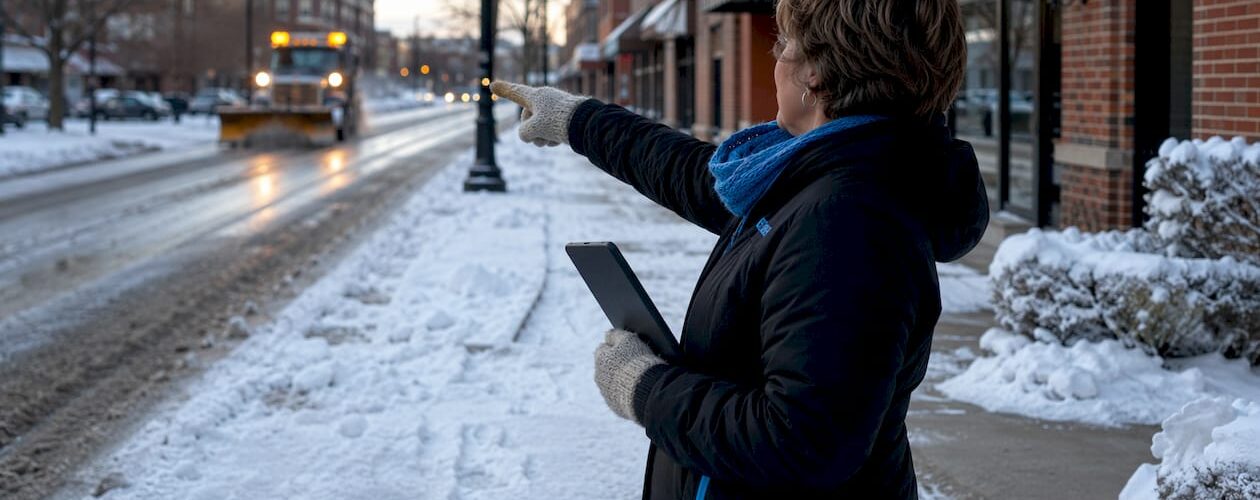
Denver municipal code requires property owners or residents to clear snow and ice from all sidewalks adjacent to their property within 24 hours after a snowfall ends. That clock starts when the snow stops, not when you notice it the next morning. The cleared path must be wide enough for a wheelchair or stroller, and the surface must be free of packed ice that creates a slipping hazard.
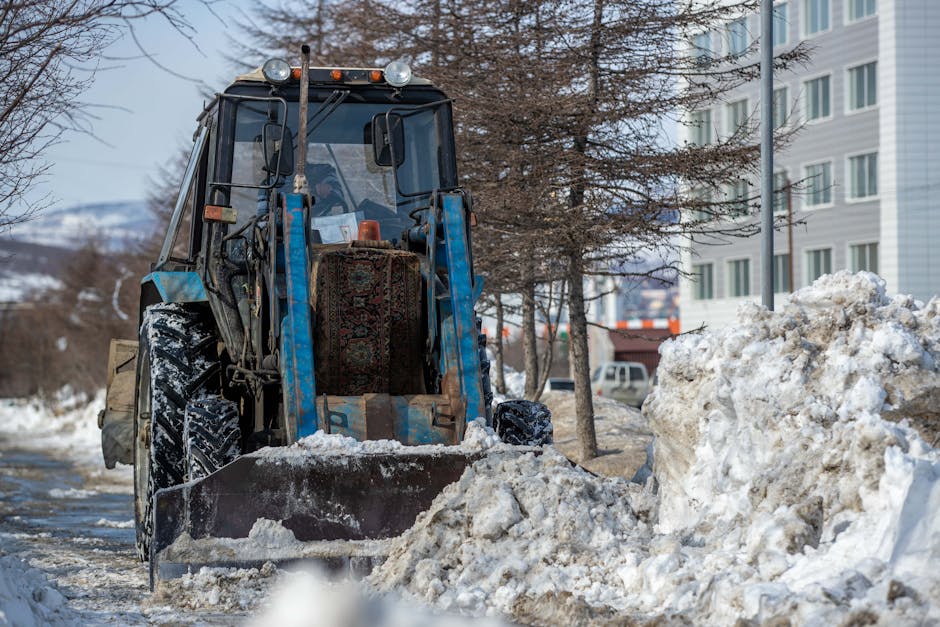
Snow must be shoveled onto your property, meaning your yard or landscaping strip. Pushing or blowing snow into the street is a separate violation that can earn its own fine. The city treats this as a drainage and safety issue, since snow piles in the street melt and refreeze, creating hazards for drivers and blocking storm drains. If you receive a citation, you have a limited window to correct the problem before additional penalties apply. Repeat violations can escalate quickly.
What Denver DOTI Does (and Doesn’t) Do for You
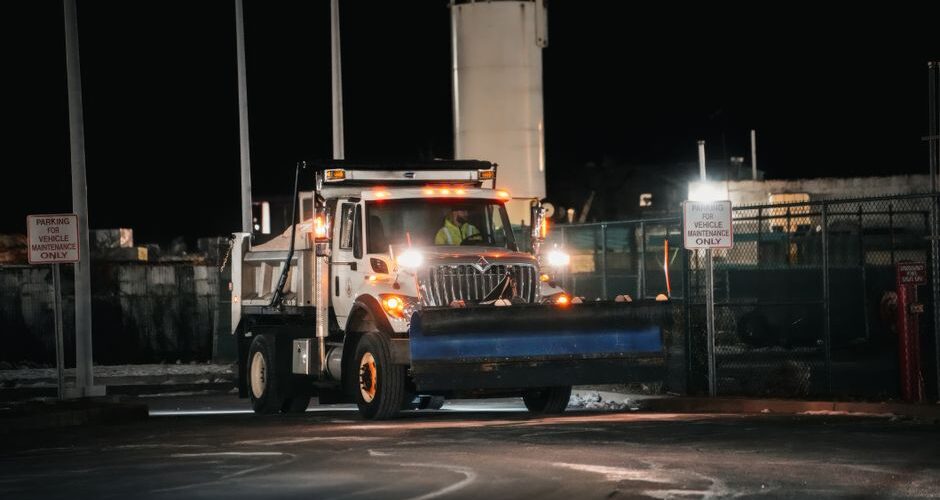
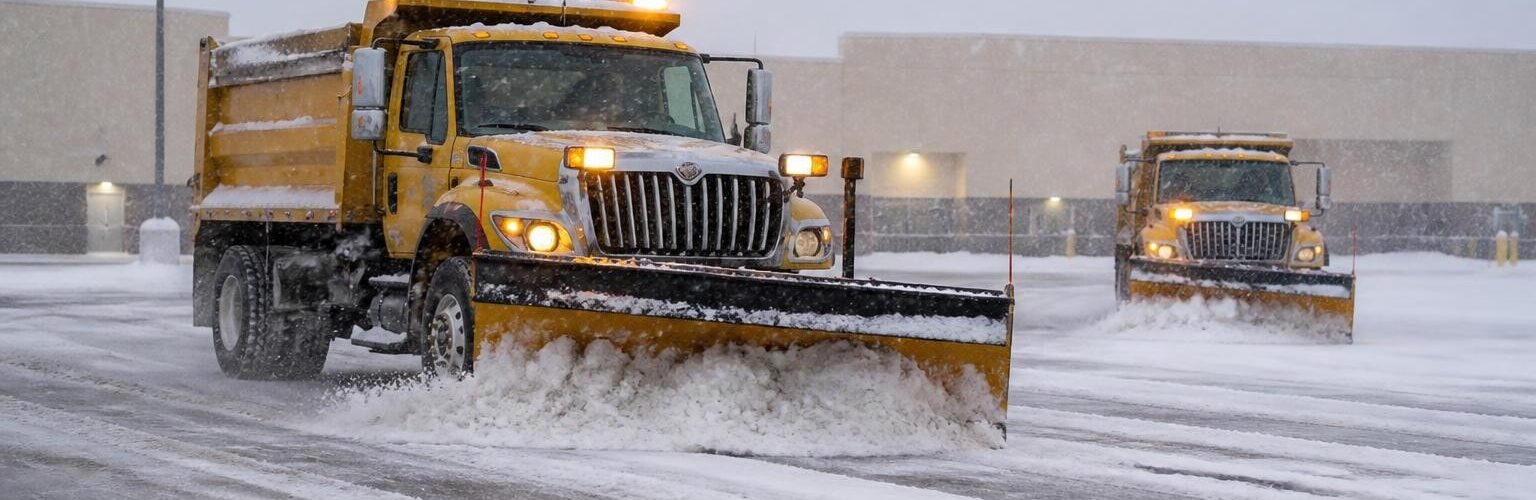
The Denver Department of Transportation and Infrastructure runs a substantial snow operation, but its scope is limited to public roadways. DOTI deploys 70 large plows across roughly 2,050 lane miles of main streets, applying Ice Slicer, a naturally mined solid deicer from Utah that is over 90 percent chloride salts. Downtown areas receive liquid magnesium chloride instead, chosen to reduce particulate matter in the air.
Residential side streets get a different treatment. Using 4×4 pickup trucks with plows, DOTI makes one pass down the center of each residential street between 3:00 a.m. and 3:00 p.m. This single pass prevents deep ice rutting but does not clear the street to bare pavement, and it does not touch your driveway apron. The windrow of snow left at the end of your driveway by the city plow is your responsibility to clear. The city does not plow private driveways, walkways, parking lots, or any surface on your property. Pre-treating roads with anti-icing chemicals is rare in Denver because it requires specific pavement temperatures and dry conditions before freezing, a combination the city rarely sees before a storm.
Residential Snow Removal Denver: Service Types Explained
Full-Service Plowing and Shoveling
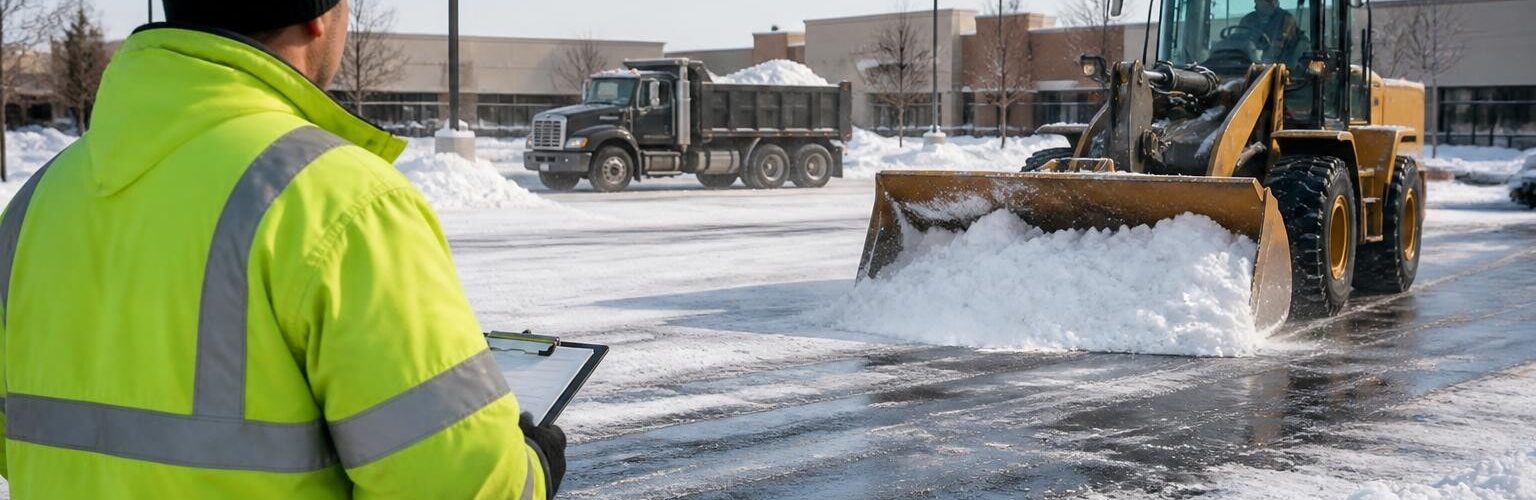
Most residential snow removal Denver companies offer a combination of machine plowing for driveways and hand shoveling for walkways, steps, and entryways. A standard suburban driveway takes minutes with a truck-mounted plow, but tight spaces like side gates, porch steps, and paths to the backyard require hand work. Many providers package these together. A common offering in the Denver market is a flat-rate complete package covering the front entryway, city sidewalk, and driveway for around $85 per visit, though prices vary by property size and location.
Deicing, Ice Remediation, and Sanding
Plowing removes the bulk of the snow, but Denver’s freeze-thaw cycles leave behind ice that shovels cannot touch. Contractors apply deicing products like Ice Slicer or liquid magnesium chloride to melt remaining ice and provide traction. Ice remediation is a distinct service for properties that hold ice due to north-facing exposures or poor drainage. These properties often receive repeated city notices because standard plowing and shoveling leave behind a slick surface that hardens overnight. Some contractors also offer sanding for traction on steep driveways where deicers alone are insufficient. If you have decorative concrete or brick pavers, ask about rubber plow blades and plastic shovels. Metal edges chip and scar these surfaces, and repairs are expensive.
Snow Relocation and Hauling
During extreme storms that drop snow measured in feet rather than inches, on-site snow piles can overwhelm even large properties. Contractors offer snow hauling services that load piled snow into trucks and remove it from the site entirely. This is essential for properties with limited stacking space, HOAs that restrict snow pile height, or commercial lots where piled snow consumes parking spaces needed for business operations.
How Much Does Residential Snow Removal Cost in Denver? (2026 Pricing)
Snow removal pricing in Denver follows a few predictable models, and understanding them helps you budget and compare quotes fairly. Per-visit pricing for a standard driveway and sidewalk typically ranges from $25 to $50, according to ProMatcher cost data. TaskRabbit reports an average hourly rate of $44 for snow removal in Denver, with most residential jobs taking one to two hours.
Seasonal contracts are the most common arrangement for homeowners who want set-it-and-forget-it reliability. These contracts charge a flat fee for the entire winter season, covering unlimited visits whenever snowfall exceeds a trigger depth, usually two inches. Seasonal rates in Denver typically run between $300 and $600, depending on driveway length, sidewalk footage, and whether deicing is included. A larger or steeper driveway pushes the price toward the higher end.
Some providers offer package pricing that bundles specific services. One Denver company advertises a complete package at $85 per visit covering the front entryway, city sidewalk, and driveway. Factors that increase cost include steep grades that require more time and salt, decorative surfaces that need specialized equipment, and early-morning or holiday service calls. The single best way to control cost is to book early. Contractors raise rates as their schedules fill, and by November, you may pay a premium or struggle to find availability at all.
How to Choose the Best Residential Snow Removal Company in Denver
Start with insurance and licensing. Any contractor you hire should carry general liability insurance and workers’ compensation coverage. Without it, a slip-and-fall on your property could become your financial responsibility, and an injured worker on your driveway could file a claim against your homeowner’s policy. Ask for proof of insurance and verify it before signing anything.
Read recent reviews on Yelp, Google My Business, and Reddit’s r/Denver community. Look past the star rating and read what customers say about response times. A company that shows up six hours after a storm is very different from one that arrives two days later. Consistency matters more than a low price.
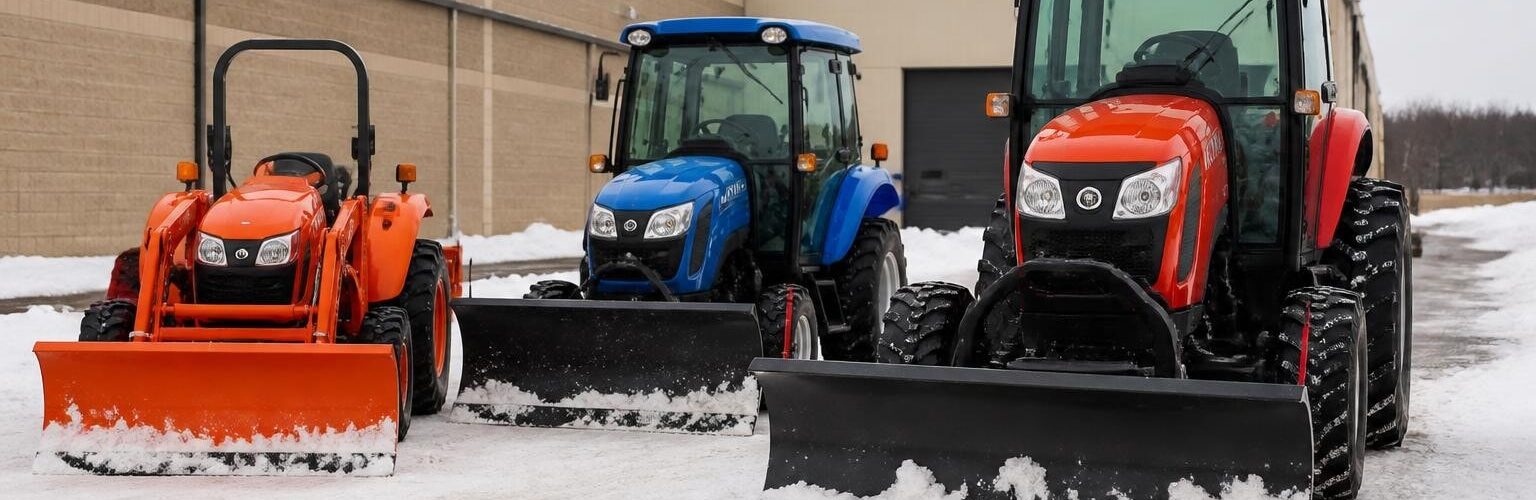
Ask about equipment. Does the contractor use rubber blades for paver driveways? Do they run 4×4 trucks that can navigate narrow residential streets without tearing up turf? Do they carry snow blowers for tight walkways where a plow cannot reach? The answers tell you whether they have thought through the specifics of your property.
Get a written contract that spells out the trigger for a visit, typically two inches of snow accumulation, the cancellation policy, and whether deicing is included in the base price. Some contracts include deicing only when temperatures allow it to work effectively, while others charge it as an add-on. Compare at least three quotes using the pricing benchmarks above to gauge fairness, and do not automatically choose the cheapest bid. Reliability in Denver winters is worth the extra cost.
DIY Snow Removal Tips for Denver Homeowners
Proper Shoveling Technique to Avoid Injury
Snow shoveling sends thousands of people to emergency rooms each year, and most injuries are preventable with proper technique. Push snow rather than lifting it whenever possible. When you must lift, bend your knees and use your leg muscles, keeping your back straight and the shovel close to your body. Shovel early and often during a storm. Fresh, unpacked snow weighs far less than the dense, icy crust that forms after a day of foot traffic and freeze-thaw cycles. An ergonomic shovel with a curved handle reduces the forward bend that strains the lower back, and it is a worthwhile investment for anyone who shovels regularly.
Snow Blower Maintenance and Selection
For Denver’s typical storms that drop four to eight inches, a single-stage electric or gas snow blower handles most driveways without issue. These machines are lighter, easier to maneuver, and sufficient for the dry, powdery snow common to Colorado’s front range. Two-stage blowers are better for wet, heavy snow or driveways longer than three cars, as the impeller throws snow farther and clogs less often. Before the season starts, change the oil, replace the spark plug, inspect the shear pins, and run fresh fuel through the engine. Stale gas from last winter is the leading cause of first-storm breakdowns.
Marking Driveway Edges and Protecting Landscaping
Install reflective driveway markers along the edges of your driveway before the first snowfall. These stakes guide your snow blower or a contractor’s plow and prevent turf damage, broken sprinkler heads, and scraped curbs. Place them close enough together that the edge is visible even in heavy snow. Avoid piling snow on sidewalks, fire hydrants, or storm drains. Blocking a hydrant is a safety hazard and a city violation, and piling snow on sidewalks simply creates more work for you when the city issues a citation.
Special Considerations for Denver Properties
HOAs, Condos, and Apartment Complexes
If you live in an HOA-governed community, check your covenants before hiring a contractor. Many HOAs contract snow removal for common areas and sidewalks, but individual unit owners may still be responsible for their own driveways and walkways. Condominium associations typically handle parking lots and shared walkways, but the 24-hour rule still applies, and delays can expose the association to liability. Look for contractors with experience managing multi-unit properties and the equipment to clear larger lots on tight turnaround schedules.
Protecting Decorative Concrete and Brick Pavers
Decorative surfaces require care that standard snow removal equipment does not provide. Metal plow blades gouge and chip stamped concrete, exposed aggregate, and brick pavers, leaving permanent damage that worsens with each freeze-thaw cycle. Contractors who specialize in these surfaces use rubber blade attachments and plastic shovels that clear snow without scarring the finish. Denver Sprinkler Services is one local provider known for this approach. For older Denver homes with inadequate attic insulation, roof deicing cables prevent ice dams by keeping gutters and downspouts clear, a separate service worth considering before the first heavy snow.
Frequently Asked Questions About Residential Snow Removal in Denver
Do I have to clear the sidewalk if I am on a city plow route? Yes. The city plows the street, not the sidewalk. You are responsible for the sidewalk adjacent to your property regardless of whether your street appears on a plow route.
What happens if I do not clear my sidewalk within 24 hours? You may receive a citation and fine from Denver DOTI. More seriously, you could be held liable for injuries if a pedestrian slips and falls on your uncleared walkway.
Can I shovel snow into the street? No. This is prohibited by city ordinance and can result in fines. Snow must be deposited on your property, either in your yard or landscaping.
How much does a seasonal snow removal contract cost? Most Denver homeowners pay between $300 and $600 for a full winter season of unlimited visits, depending on driveway size, sidewalk length, and whether deicing is included.
Are there programs for seniors or disabled residents who need help? Yes. Denver’s Snow Angels program connects volunteers with seniors and residents with disabilities who need assistance clearing sidewalks. Information and sign-up details are available on the city’s website.
Book Your Residential Snow Removal in Denver for 2026
The contractors who show up on time and treat your property with care book their schedules early. By October, the best companies are filling their seasonal routes, and waiting until the first storm leaves you scrambling. Contact us today for a free quote on seasonal or per-visit residential snow removal Denver services. We serve the entire Denver metro area with 4×4 plows, rubber blades for decorative surfaces, and a commitment to keeping your property compliant with the city’s 24-hour ordinance.