
-
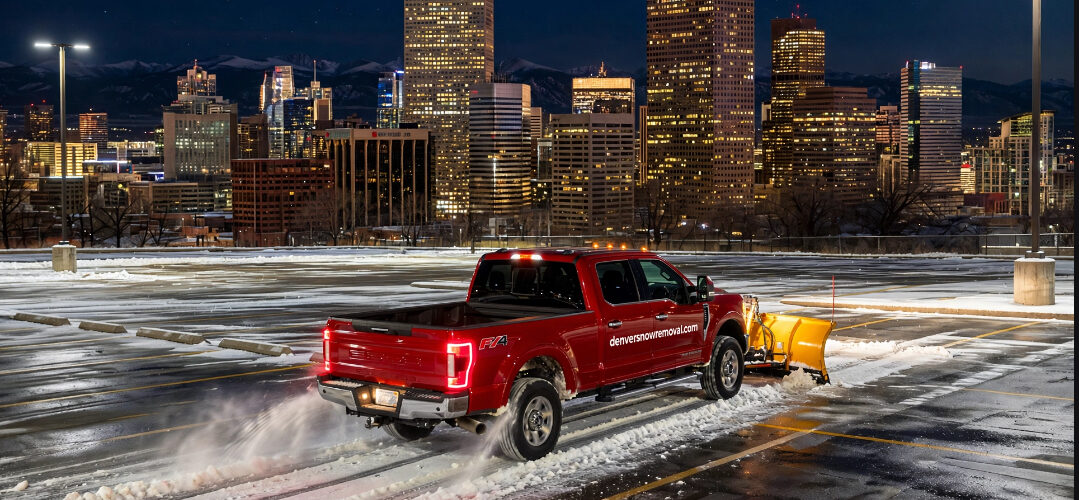
Emergency snow, plowing, and snow removal in Denver, Colorado
Denver averages 56 inches of snow annually, but the real danger is the ice that forms beneath it, turning sidewalks into slip hazards and parking lots into liability traps. Whether you manage a commercial property downtown or own a home in Wash Park, winter demands a plan. For reliable deicing and snow removal Denver Colorado property owners trust, understanding the difference between municipal and private services is the first step. This guide covers what the city plows, what you are legally responsible for, and how to choose a professional deicing and snow removal service. By the end, you will know exactly how to protect your property, avoid fines, and budget for the 2026 season.

Table of Contents
- How Denver’s DOTI Handles Snow (And Where You’re On Your Own)
- The Legal Side: Denver’s Snow Removal Laws You Must Know in 2026
- Professional Deicing and Snow Removal Services in Denver
- Deicing Materials: What Denver Pros Use and Why It Matters
- How to Choose a Snow Removal Contractor in Denver (2026 Checklist)
- DIY Snow Removal: When to Do It Yourself vs. Call a Pro
- Frequently Asked Questions About Deicing and Snow Removal in Denver
- Get a Free Quote for Deicing and Snow Removal in Denver
How Denver’s DOTI Handles Snow (And Where You’re On Your Own)
Denver’s Department of Transportation and Infrastructure runs a tiered snow response system that many residents misunderstand. Knowing what the city does, and does not do, saves you from dangerous assumptions.
DOTI deploys a fleet of 70 large plows to clear approximately 2,050 lane miles of main streets. These are the arterial roads, bus routes, and emergency corridors that keep the city functional. Residential streets, covering roughly 1,260 center lane miles, receive attention only after main routes are clear. The Residential Snow Plow Program, created in response to the crippling blizzards of 2006 and 2007, uses 4×4 pickup trucks with plows. This program is a secondary priority, meaning side streets can remain snow-packed for days during back-to-back storms.
See the Best Snow Plows of 2026 ❄️
The city uses two primary deicing materials. On main streets, crews apply Ice Slicer, a naturally mined solid product from Utah that is over 90 percent chloride salts. In the downtown area, liquid magnesium chloride is the standard, chosen specifically for air quality compliance since it generates less particulate dust than granular products.
Residential Snow Plowing in Denver →
Bike lanes and protected bikeways get their own treatment. Smaller plows equipped with brooms and liquid deicer address protected lanes at least once every 24 hours. On-street bike lanes are plowed when possible but may remain snow-packed after heavy storms.
Here is the critical gap: the city does not plow private driveways, parking lots, or sidewalks. That responsibility falls entirely on the property owner. If you own or manage real estate in Denver, municipal plows will not solve your winter access problems.
The Legal Side: Denver’s Snow Removal Laws You Must Know in 2026
Denver’s sidewalk ordinance is straightforward and strictly enforced. Property owners must clear snow and ice from public sidewalks adjacent to their property within 24 hours after a snowfall ends. This applies to homeowners, business owners, and commercial property managers alike. Failure to comply results in fines, and the city does issue citations.
A common point of confusion involves driveways versus sidewalks. You are not legally required to shovel your own driveway. The ordinance targets public walkways, not private vehicle access. However, the sidewalk in front of your house, even if it runs across your driveway apron, is your legal obligation.
Where you put the snow matters. Denver code requires shoveling snow into your yard or designated landscape areas. Depositing snow into the street, bike lanes, or storm drains is a violation. This rule prevents drainage blockages and keeps travel lanes clear for vehicles and cyclists.
Liability for slip-and-fall accidents is the hidden cost many property owners overlook. If a pedestrian falls on ice on your uncleared sidewalk, you can be held liable for medical costs, lost wages, and pain and suffering. Professional deicing is the most reliable defense against these claims. A single lawsuit can far exceed the cost of a seasonal snow removal contract.
During declared snow emergencies, parking restrictions activate on designated snow routes. Vehicles left on these routes may be ticketed and towed. Check Denver’s snow route map before the season starts so you know where not to park.
Professional Deicing and Snow Removal Services in Denver
Commercial Snow Removal (Parking Lots and Large Properties)
Commercial snow management goes far beyond pushing snow into a pile. It requires planning, specialized equipment, and a clear understanding of liability exposure. Contracts typically cover parking lots, entryways, walkways, loading docks, and dumpster access points.
Pricing for commercial services ranges from $100 to $400 per visit, depending on lot size and service scope. Seasonal contracts run from $2,000 to over $10,000 for large properties with frequent service triggers. These contracts often include pre-treatment with liquid anti-icing agents before a storm, plowing during the event, snow hauling when piles obstruct parking, and post-storm deicing to address refreeze cycles.
When evaluating commercial providers, look for 24/7 dispatch capability, proof of general liability and workers’ compensation insurance, and a fleet large enough to handle your property in a single pass. Operations running 30 or more trucks with Bobcats, skid steers, and tractors can clear a large lot efficiently. A single-truck operation may take hours to finish what a larger fleet handles in minutes.
Many Denver commercial snow removal companies also offer landscaping and excavation services, which allows property managers to negotiate year-round maintenance contracts at better rates. Bundling services simplifies vendor management and often reduces overall costs.
Residential Snow Removal (Driveways and Walkways)
Residential services cover what the city ignores: your driveway, front walk, porch steps, and any private sidewalks. Standard visits include plowing or snowblowing the driveway, shoveling walkways, and applying deicing material to prevent ice formation.
Residential pricing in Denver runs $50 to $150 per visit. Seasonal contracts, which guarantee service for every qualifying snowfall, range from $350 to $700 for the winter. Most companies require a seasonal contract for priority service during major storms. Per-visit customers often wait longer since contract holders come first.
The deicing materials used on residential properties vary. Ice Slicer granules work well and are cost-effective. Liquid magnesium chloride offers a less corrosive option for decorative concrete. Some providers use sand for traction on steep driveways where chemical deicers might run off.
One tip that saves money and prevents damage: mark your driveway edges with reflective stakes in the fall. Plow operators use these markers to avoid scraping grass, hitting landscape features, or damaging asphalt edges. Most contractors appreciate the guidance and some even provide stakes to their seasonal clients.
HOA, Condo, and Multi-Unit Property Snow Management
Homeowners associations, condo complexes, and apartment buildings occupy a middle ground that many snow removal companies handle poorly. These properties need customized contracts covering common area sidewalks, parking structures, dumpster pads, mail kiosks, and fire lane access.
This property segment requires attention to tenant convenience. Night plowing minimizes disruption to residents who leave for work early. Salt stockpile management ensures walkways stay treated between contractor visits. Liability waivers and certificates of insurance should name the HOA or property management company as an additional insured.
Pricing for multi-unit properties scales with total square footage and the required response time. A contract specifying a two-hour trigger after two inches of accumulation costs more than a four-hour trigger. Request a site walkthrough before signing any seasonal contract. A contractor who sees the property in person can identify drainage issues, tight corners, and pedestrian traffic patterns that affect the plowing plan.
Deicing Materials: What Denver Pros Use and Why It Matters
The deicer spread on your property affects concrete longevity, landscaping health, and even indoor flooring as people track residue inside. Understanding the options helps you ask informed questions.
Ice Slicer is the workhorse product in Denver. Mined from a natural deposit in Utah, it contains over 90 percent chloride salts with trace minerals that give it a reddish-brown color. It remains effective down to minus 15 degrees Fahrenheit and the city uses it on main streets for this reason.
Liquid magnesium chloride is the choice for downtown Denver, selected to reduce airborne particulate matter. It is less corrosive to concrete and metal than rock salt, though more expensive. Many commercial properties near the city center specify it for their own lots.
Rock salt, or sodium chloride, is the cheapest option but comes with drawbacks. It stops working effectively below 15 degrees Fahrenheit. It damages concrete through freeze-thaw cycling, kills vegetation, and irritates pet paws. Budget-conscious property owners sometimes request it, but the long-term costs to hardscaping often outweigh the upfront savings.
The environmental impact of chloride-based deicers is a growing concern. Runoff carries salts into soil, where they dehydrate tree roots and alter soil chemistry. Storm drains channel the brine directly into waterways. Ask your contractor about low-chloride alternatives or application rate controls that minimize excess. Sand provides traction without chemical impact, though it does not melt ice and requires spring cleanup.
How to Choose a Snow Removal Contractor in Denver (2026 Checklist)
Selecting the right contractor determines whether your property stays safe and accessible all winter. A few key checks separate reliable operators from those who disappear when snow piles up.
Insurance is non-negotiable. Verify that the contractor carries general liability insurance and workers’ compensation coverage. If a plow damages your driveway or an employee gets hurt on your property, you want their insurance handling the claim, not yours. Request a certificate of insurance and confirm it names your property.
Contract clarity prevents disputes. Get everything in writing: per-visit pricing or seasonal cap, the snow depth trigger that initiates service, response time commitments, and the termination policy if you are unsatisfied. Vague handshake deals lead to frustration during the season’s worst storms.
Fleet size and backup equipment matter more than most people realize. A contractor running a single truck cannot serve all clients simultaneously during a major storm. Ask how many trucks, loaders, and backup machines they operate. Redundancy keeps your property on schedule when equipment breaks down.
References and reviews provide real-world performance data. Check Google, Yelp, and Angi listings. Ask for local Denver references you can call. A contractor with years of history in your neighborhood understands the specific drainage and shading patterns that affect ice formation.
Confirm whether deicing is included in the plowing price. Many contracts charge deicing as a separate line item or apply it only upon request. Clarify whether salt, liquid treatment, or both are covered and under what conditions they are applied.
DIY Snow Removal: When to Do It Yourself vs. Call a Pro
Handling snow yourself makes sense for light dustings under two inches, small walkways, or if you own a snowblower and have no physical limitations. A quality ergonomic shovel, pet-safe ice melt, and a set of driveway marker stakes cover most residential DIY needs.
Safety demands attention. Use proper lifting technique, bending at the knees and avoiding twisting motions. Take frequent breaks. Dress in layers you can shed as you warm up. Cold weather constricts blood vessels while exertion raises heart rate, a combination that makes snow shoveling a known trigger for cardiac events in at-risk individuals.
Call a professional for heavy snow exceeding six inches, persistent ice buildup, large commercial lots, or any situation where you are traveling during a storm. A $50 per-visit residential service costs far less than an emergency room visit for a back injury, fall, or heart attack. The math favors the pro more often than pride admits.
Frequently Asked Questions About Deicing and Snow Removal in Denver
Do I have to shovel my driveway legally? No, the city ordinance applies only to public sidewalks. Your driveway is your choice, though leaving it unshoveled creates its own access and liability problems.
How much does commercial snow removal cost in Denver? Per-visit pricing ranges from $100 to $400, with seasonal contracts running $2,000 to over $10,000 depending on property size and service frequency.
Does Denver plow bike lanes? Yes, but on-street bike lanes may remain snow-packed after heavy storms. Protected bikeways are cleared at least once every 24 hours using smaller plows with brooms and liquid deicer.
What is the best deicer for concrete driveways? Liquid magnesium chloride or calcium chloride causes less damage than rock salt. They are more expensive but protect your concrete investment over time.
When should I book my snow removal contract for 2026? Ideally by October 1st. Many contractors offer early-bird pricing, and waiting until the first snow forecast leaves you competing for limited availability.
Get a Free Quote for Deicing and Snow Removal in Denver
Our team serves all Denver neighborhoods, from downtown commercial zones to suburban residential streets, with a fleet ready for the 2026 winter season. We carry full insurance coverage and provide 24/7 dispatch throughout every storm. Commercial and HOA property managers can schedule a free site walkthrough for a customized proposal. Do not wait until the first blizzard of 2026. Secure your spot now by contacting us for a quote tailored to your property.