

When winter storms blanket commercial properties with heavy snowfall, having the right equipment determines whether your operations continue smoothly or grind to a halt. A tractor for snow removal represents a significant investment for property managers and snow removal companies, offering versatility and power that standard plowing trucks cannot match. Understanding how to select, equip, and operate these machines ensures maximum efficiency during Colorado's harshest winter conditions, where snow accumulation can impact business operations and customer accessibility.
Understanding Tractor Classifications for Winter Operations
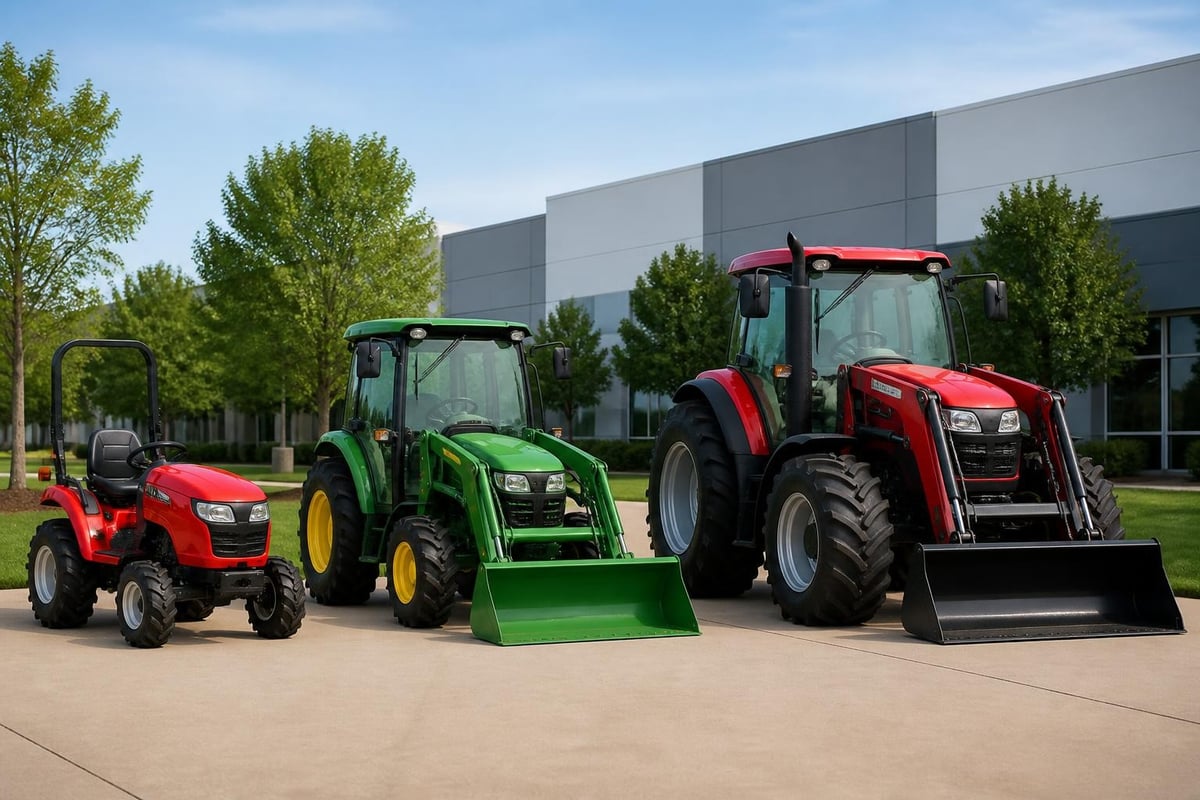
Commercial snow removal demands equipment that can handle high-volume clearing across expansive properties. Tractors designed for winter work fall into several distinct categories, each serving specific operational requirements.
Compact Utility Tractors
These machines typically range from 25 to 60 horsepower, making them ideal for moderate-sized parking areas, HOA communities, and office campus pathways. Their maneuverability allows operators to navigate tight spaces between parked vehicles and around landscape features.
Key advantages include:
- Reduced fuel consumption compared to larger models
- Easier storage during off-season months
- Lower initial purchase costs
- Compatibility with residential and light commercial properties
Compact models work exceptionally well when paired with appropriate attachments, transforming a single machine into a multi-functional snow management tool. For properties requiring professional emergency services, having backup equipment in this class ensures continued operations if primary vehicles experience mechanical issues.
Heavy-Duty Agricultural Tractors
Properties exceeding five acres often require tractors in the 60 to 100+ horsepower range. These workhorses handle deep snow accumulation, clearing industrial parks and large retail centers efficiently.
| Feature | Compact Tractor | Heavy-Duty Tractor |
|---|---|---|
| Horsepower | 25-60 HP | 60-100+ HP |
| Ideal Property Size | Under 5 acres | 5+ acres |
| Snow Depth Capacity | Up to 18 inches | 24+ inches |
| Attachment Weight | Light to medium | Heavy-duty capable |
| Fuel Efficiency | Higher MPG | Lower MPG |
Essential Attachments and Implements
Selecting the right tractor represents only half the equation. Attachments transform your base machine into an effective snow management system, with each implement serving distinct purposes based on snow conditions and property layouts.
Snow Blades and Angle Plows
Front-mounted blades offer the most straightforward approach to clearing parking lots and access roads. Modern angle plows allow operators to direct snow windrows to designated areas, preventing accumulation in traffic lanes.
Blade width selection depends on tractor size:
- 48-60 inch blades for compact tractors under 35 HP
- 72-84 inch blades for mid-size tractors between 35-60 HP
- 96+ inch blades for heavy-duty models exceeding 60 HP
According to expert recommendations on snow removal attachments, matching blade width to tractor power prevents equipment strain and ensures efficient clearing patterns. Overloading smaller tractors with oversized blades reduces fuel efficiency and increases mechanical wear.
Three-Point Snow Blowers
When snow depth exceeds 12 inches, blowers provide superior clearing capability compared to traditional plowing. These attachments mount to the tractor's three-point hitch, directing snow through discharge chutes that can rotate 180-360 degrees.
The complete maintenance guide for 3-point snow blowers emphasizes regular inspection of auger belts, shear pins, and gearbox oil levels. Proper maintenance extends equipment lifespan and prevents costly mid-season breakdowns during critical clearing operations.
For properties requiring both plowing and blowing capabilities, understanding the differences between snow plowing vs snow blowing methods helps operators choose the most efficient approach based on current conditions.
Front-End Loaders and Bucket Systems
Loader attachments excel at stacking snow in designated pile areas, particularly valuable when clearing large parking structures where snow must be removed rather than simply pushed aside.
- Quick-attach systems allow rapid implement changes between plowing and stacking operations
- Bucket edges can be fitted with rubber or steel cutting edges for surface protection
- Hydraulic controls provide precise snow placement in tight quarters
Critical Features for Cold Weather Performance
A tractor for snow removal must function reliably when temperatures plunge below freezing. Several design features separate winter-capable machines from standard agricultural equipment.
Engine Starting Systems
Cold start capabilities prove essential during Denver's winter mornings when temperatures frequently drop into single digits. Modern tractors incorporate block heaters, glow plugs, and high-capacity batteries designed for sub-zero conditions.
Pre-operation warm-up procedures include:
- Plugging in block heaters 2-4 hours before operation
- Checking battery voltage (minimum 12.4 volts for reliable starting)
- Allowing engine to idle for 5-10 minutes before engaging hydraulics
- Monitoring coolant temperature before applying load
Following proper tractor preparation protocols prevents starting failures during emergency callouts, when rapid response times separate professional services from unreliable providers.
Traction Enhancement Systems
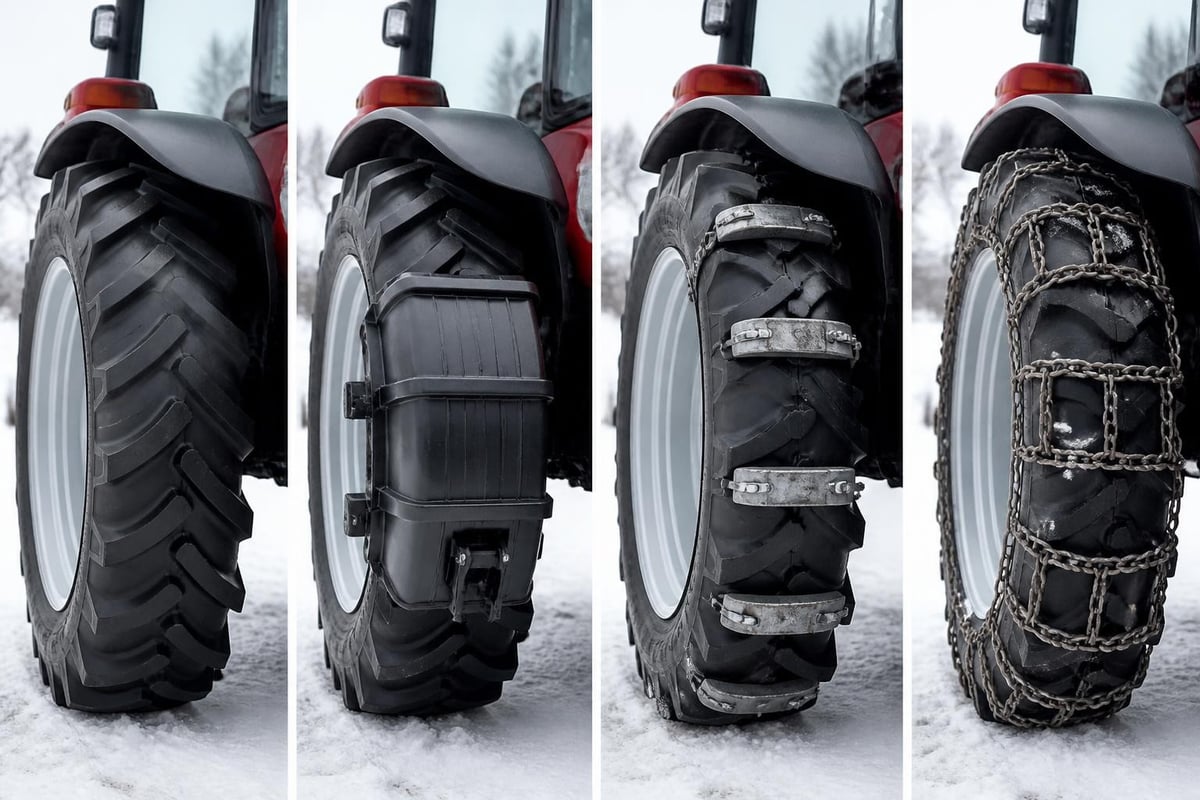
Four-wheel drive represents the minimum standard for commercial snow removal tractors. However, additional traction aids significantly improve performance on icy surfaces and steep grades.
| Traction Method | Effectiveness | Cost | Seasonal Flexibility |
|---|---|---|---|
| Tire Chains | Excellent | Low | Remove for pavement |
| Loaded Tires | Good | Moderate | Year-round |
| Wheel Weights | Very Good | Moderate | Year-round |
| Winter Tires | Excellent | High | Seasonal swap |
Properties with sloped parking areas benefit most from combining multiple traction methods. Loaded tires filled with calcium chloride or antifreeze solutions provide base-level grip, while removable chains offer maximum traction during severe ice conditions.
Operational Safety Protocols
Operating heavy equipment in winter conditions presents unique hazards that demand strict safety adherence. Commercial snow removal companies must implement comprehensive protocols protecting both operators and property occupants.
Visibility and Lighting Requirements
Dawn and dusk operations require enhanced lighting beyond standard tractor headlights. Professional installations should include:
- LED light bars providing 180-degree forward illumination
- Amber strobes visible from 500+ feet for traffic awareness
- Backup lights and cameras eliminating blind spots
- Cab heaters with defrosting systems maintaining clear windshields
Night operations account for approximately 60% of commercial snow removal work, making visibility enhancements non-negotiable for safe service delivery.
Operator Training and Certification
Beyond basic tractor operation, snow removal demands specialized skills addressing unique winter challenges. Training programs should cover safe clearing techniques for shared access areas, where precision prevents property damage and ensures pedestrian safety.
Essential training modules include:
- Reading snow conditions and adjusting blade angles accordingly
- Identifying underground utilities before clearing new properties
- Managing snow pile placement for spring melt drainage
- Emergency shutdown procedures for equipment malfunctions
According to comprehensive winter safety guidelines, operators should never exceed safe travel speeds based on visibility conditions, typically limiting movement to 5-8 MPH during active snowfall.
Maintenance Schedules for Peak Reliability
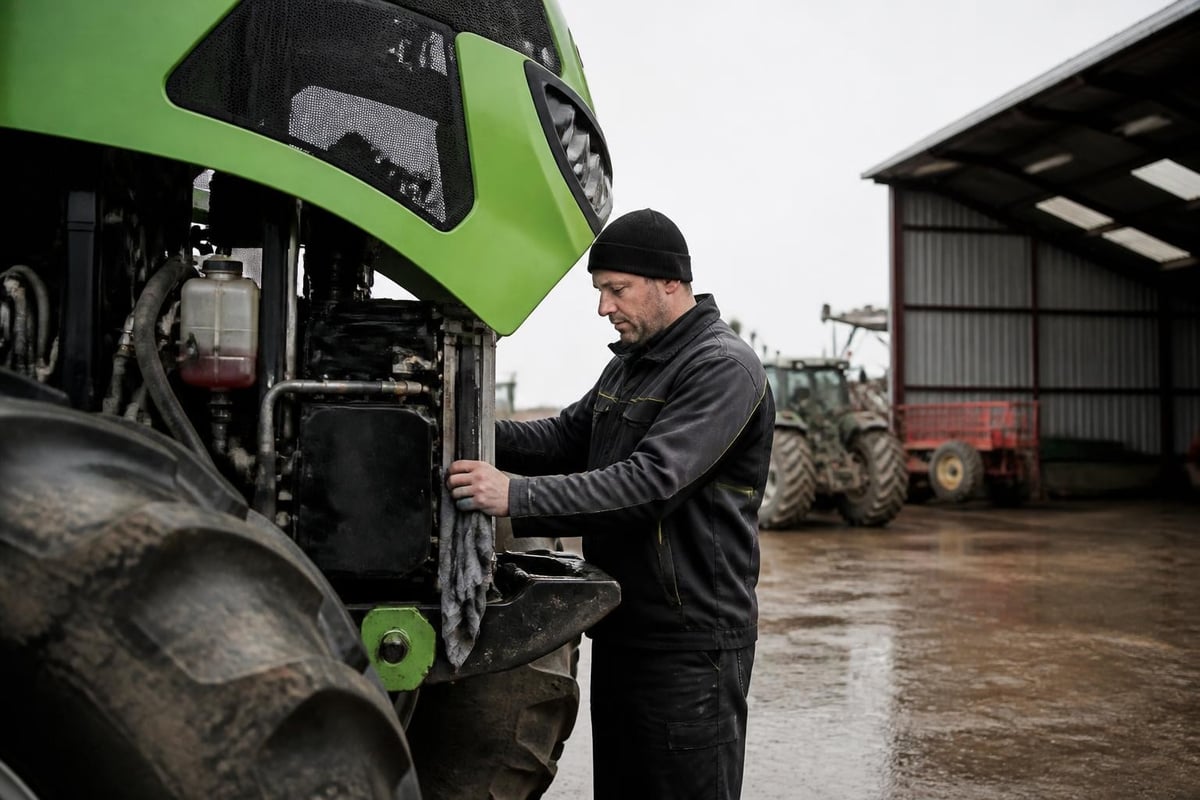
A tractor for snow removal faces intense operational demands compressed into relatively short periods. Strategic maintenance prevents breakdowns during critical service windows when clients depend on immediate response.
Pre-Season Preparation Checklist
Beginning preparations in October ensures equipment readiness before the first snowfall. Complete inspections should address every system impacting cold-weather operation.
Mechanical systems requiring attention:
- Engine oil changes using winter-grade viscosity (0W-30 or 5W-30)
- Hydraulic fluid inspection and replacement if contaminated
- Fuel system treatment preventing diesel gelling below 20°F
- Air filter replacement ensuring maximum cold-start performance
- Coolant testing confirming protection to -40°F minimum
Battery systems deserve particular attention, as cold temperatures reduce cranking power by 30-50%. Load testing identifies weak batteries before they fail during emergency callouts, when replacement costs include lost revenue from service delays.
Mid-Season Inspection Intervals
Unlike summer operations where maintenance occurs on predictable schedules, winter work demands condition-based servicing. High-use periods require inspections every 25 operating hours rather than seasonal intervals.
| Component | Inspection Frequency | Common Winter Issues |
|---|---|---|
| Hydraulic Lines | Every 25 hours | Cold-induced cracking |
| Blade Edges | Daily | Excessive wear on pavement |
| Tire Pressure | Weekly | Temperature fluctuation loss |
| Grease Fittings | Every 10 hours | Moisture contamination |
| Safety Lights | Pre-operation | Vibration failures |
Detailed tractor selection criteria emphasize serviceability features that allow rapid repairs during active snow events. Models with easily accessible filters, dipsticks, and grease points reduce maintenance time when every minute counts.
Cost Analysis and Return on Investment
Commercial snow removal operations must justify equipment investments through demonstrable returns. Understanding both acquisition costs and operational expenses helps property managers make informed purchasing decisions.
Initial Investment Considerations
Entry-level compact tractors suitable for small commercial properties start around $15,000-$25,000 for used models with basic attachments. Professional-grade equipment serving large industrial sites ranges from $45,000-$80,000 new, including specialized implements.
Budget allocation should account for:
- Base tractor purchase or lease payments
- Primary attachment systems (blade, blower, or loader)
- Safety equipment and lighting upgrades
- Insurance coverage for commercial operations
- Storage facilities protecting equipment from elements
Financing options through manufacturer programs often provide better terms than traditional commercial loans, particularly for established snow removal companies with verified contract revenues.
Operating Cost Management
Fuel represents the largest variable expense during active snow seasons. Diesel consumption varies significantly based on snow depth, clearing distance, and operator efficiency, typically ranging from 1.5-3.0 gallons per hour for mid-size tractors.
Property managers comparing contractor services versus in-house equipment should calculate break-even points based on property size and average seasonal snowfall. Generally, properties exceeding three acres with more than eight significant snow events annually justify dedicated equipment ownership rather than contracted services.
For smaller properties or those with occasional clearing needs, partnering with established providers like Denver Snow Removals eliminates capital investments while ensuring professional-grade service backed by decades of operational expertise.
Advanced Operational Techniques
Maximizing efficiency with a tractor for snow removal requires more than basic driving skills. Professional operators employ strategic approaches that reduce clearing time while maintaining safety standards.
Wind Direction Utilization
When deploying snow blowers, working with prevailing winds rather than against them dramatically improves efficiency. Practical winter operation tips recommend positioning discharge chutes to allow wind assistance in carrying snow to pile areas, reducing the energy required for projection.
Optimal clearing patterns based on wind conditions:
- Begin upwind and work systematically downwind through parking lots
- Adjust discharge angles 15-20 degrees into wind direction
- Create windrows parallel to dominant wind patterns
- Stack final piles in locations sheltered from wind redistribution
Property-Specific Route Planning
Large commercial properties benefit from predetermined clearing routes that optimize tractor movement patterns. GPS tracking and route mapping software help operators minimize redundant passes while ensuring complete coverage.
Parking structures present unique challenges requiring specialized techniques. Multi-level facilities demand coordination between equipment types, with tractors handling open areas while smaller machines address ramp sections and tight corners.
Environmental Considerations and Best Practices
Modern snow removal operations increasingly incorporate environmental stewardship alongside efficiency goals. Responsible tractor operation minimizes chemical runoff, protects landscape features, and reduces fuel consumption through strategic planning.
De-icing Chemical Management
While tractors excel at mechanical snow removal, post-clearing de-icing remains necessary for safety compliance. Coordinating tractor operations with targeted chemical applications reduces overall product usage compared to broadcast spreading.
Pre-treating surfaces before snowfall allows lighter tractor passes that disturb less of the chemical barrier, extending effectiveness while reducing environmental impact. This integrated approach combines mechanical and chemical methods for optimal results with minimal ecological footprint.
Fuel Efficiency Optimization
Operating techniques significantly impact fuel consumption during extended clearing operations. Maintaining consistent engine RPMs rather than frequent acceleration/deceleration cycles improves efficiency by 15-20% over typical operation patterns.
Fuel-saving operational practices include:
- Engaging four-wheel drive only when traction demands require it
- Selecting appropriate gear ratios preventing engine lugging
- Planning routes minimizing direction changes and backup movements
- Scheduling maintenance ensuring peak engine combustion efficiency
Modern tractors equipped with diesel particulate filters and tier-4 emissions compliance contribute to cleaner operations, particularly important for properties near sensitive environmental areas or residential neighborhoods concerned with air quality.
Selecting and operating a tractor for snow removal demands careful consideration of equipment specifications, attachment systems, and operational protocols that ensure reliable winter performance. Whether managing properties in-house or evaluating service providers, understanding these critical factors leads to better decisions and improved winter readiness. For commercial properties throughout the Denver Metro area requiring professional snow management backed by 47 years of proven expertise, Denver Snow Removals delivers 24/7 emergency services with the equipment knowledge and operational experience that keeps your business accessible regardless of winter conditions.