
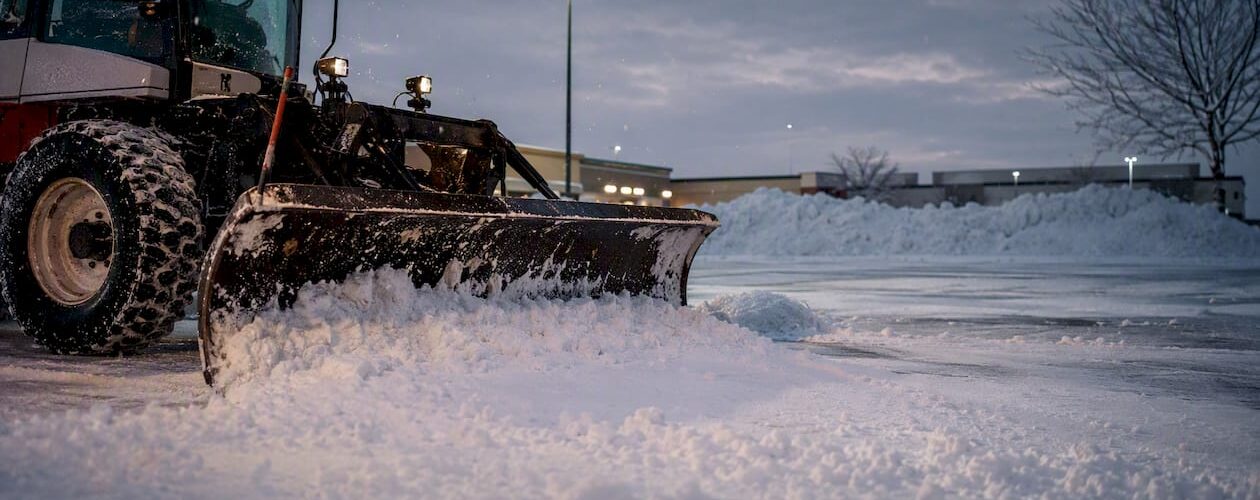
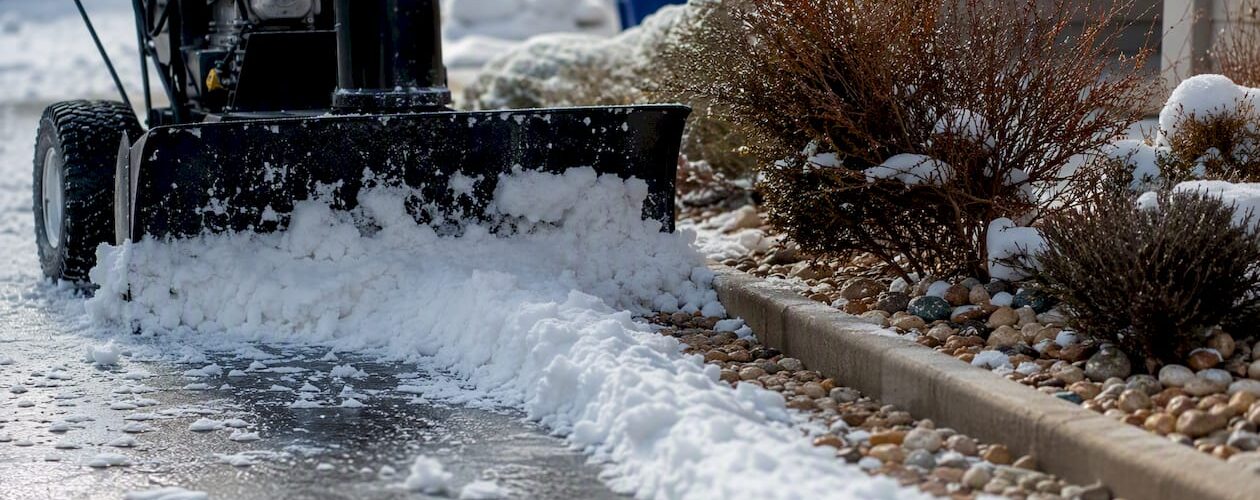
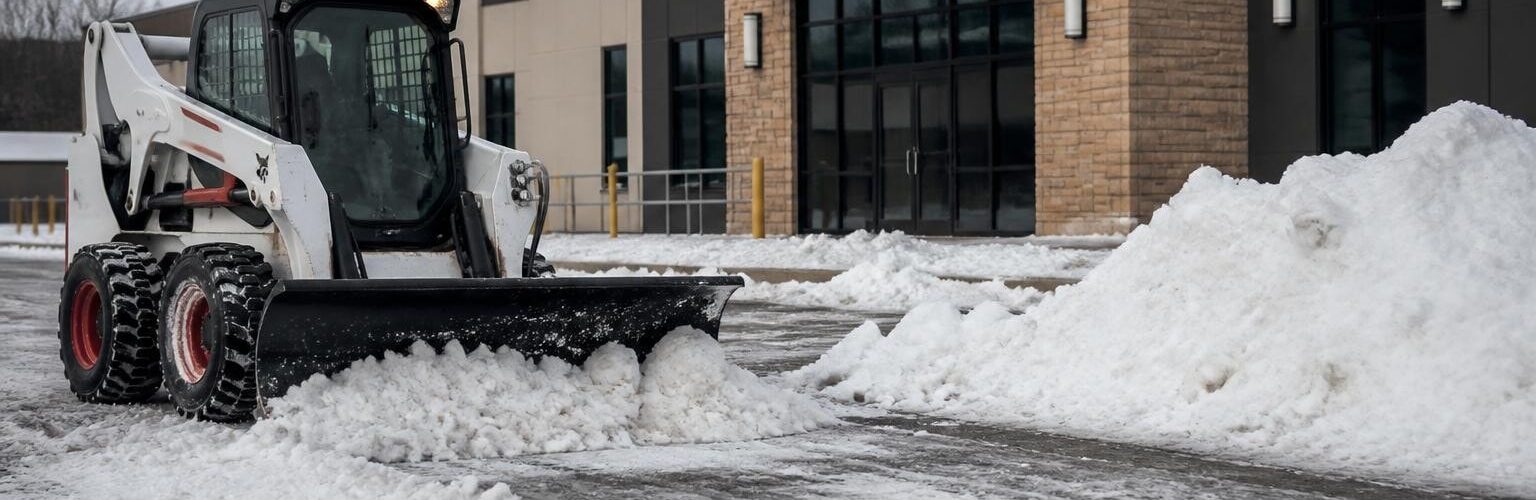
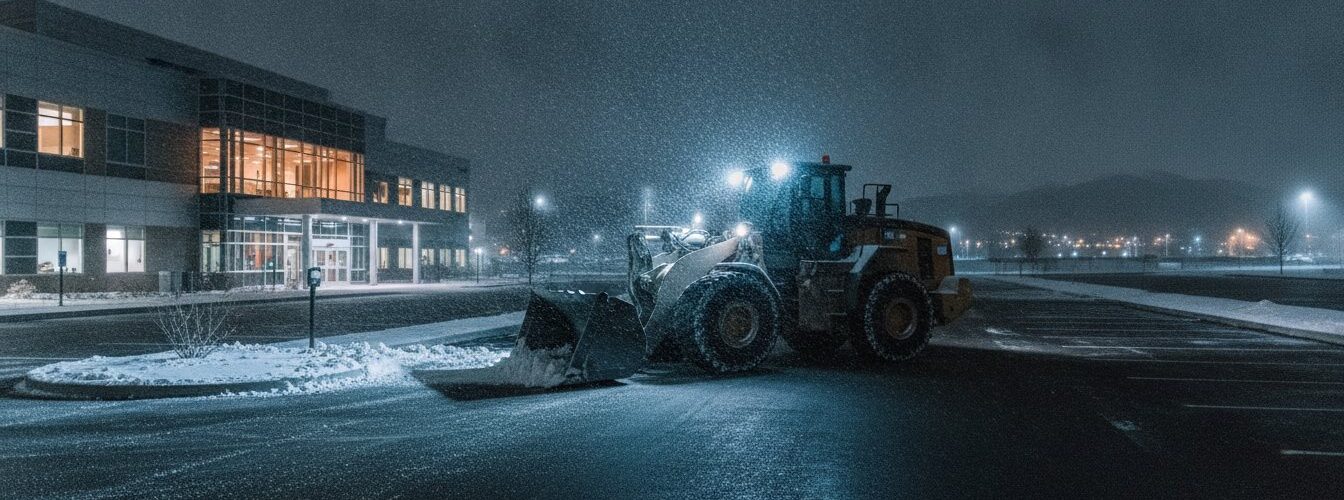


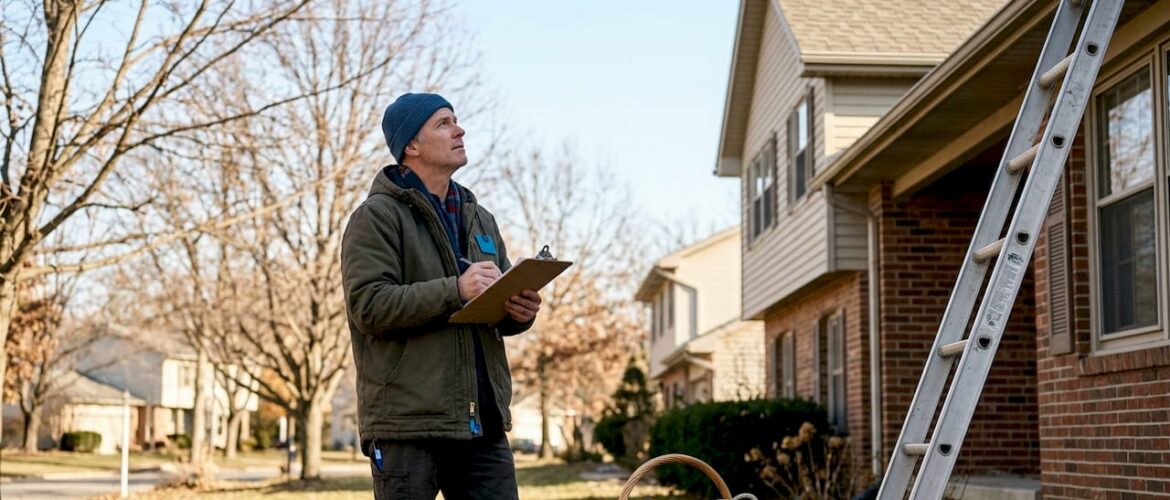
Seasonal snow preparation for homeowners is defined as the structured process of completing fall inspections, readying equipment, and applying safe clearing techniques to protect property and people throughout winter. Skipping even one step in this process raises your risk of ice dams, frozen pipes, and sidewalk liability claims. FEMA and the American Red Cross both recommend starting your winter home maintenance checklist no later than early october, well before the first freeze arrives. Denversnowremovals has seen firsthand, across more than 44 years of service in the Denver Metro area, that the homeowners who prepare early face far fewer emergencies when heavy snow hits.
1. Essential fall maintenance tasks before snow arrives
Fall preventive maintenance is the foundation of every effective winter readiness plan. Skipping prep significantly increases the risk of expensive damage once temperatures drop. The good news is that most tasks take only a few hours and cost very little compared to emergency repairs.
Start with your roof. Check shingles for cracks, curling, or missing sections. Inspect flashing around chimneys and vents, since gaps there are the most common entry points for meltwater. Clogged gutters are the leading cause of ice dams, which form when trapped water refreezes along the roofline and forces water under shingles. Clean gutters and down spouts before the first freeze to stop that cycle before it starts.
Inside the home, schedule a furnace service and replace the filter. A dirty filter forces your heating system to work harder and can cause it to fail on the coldest night of the year. Test your carbon monoxide and smoke detectors, and replace batteries in both.
- Inspect roof shingles, flashing, and vents for damage
- Clean gutters and clear downspouts completely
- Seal gaps around windows and doors with weatherstripping or caulk
- Service the furnace and replace the air filter
- Insulate exterior pipes and disconnect outdoor hoses and faucets
- Test your sump pump before ground freezes
- Check carbon monoxide and smoke detectors
Pro Tip: Foam pipe insulation costs just a few dollars per foot at any hardware store. Wrapping exposed pipes in unheated spaces like garages and crawl spaces takes under an hour and prevents costly burst pipe repairs.
2. How to prepare your snow removal equipment and supplies
Testing equipment before the season is the single most overlooked step in any winter home maintenance checklist. Late testing causes critical delays in snow clearing, which turns manageable accumulation into a safety hazard. Pull out your snow blower in october, run it through a full cycle, and check the belts, shear pins, and fuel lines.
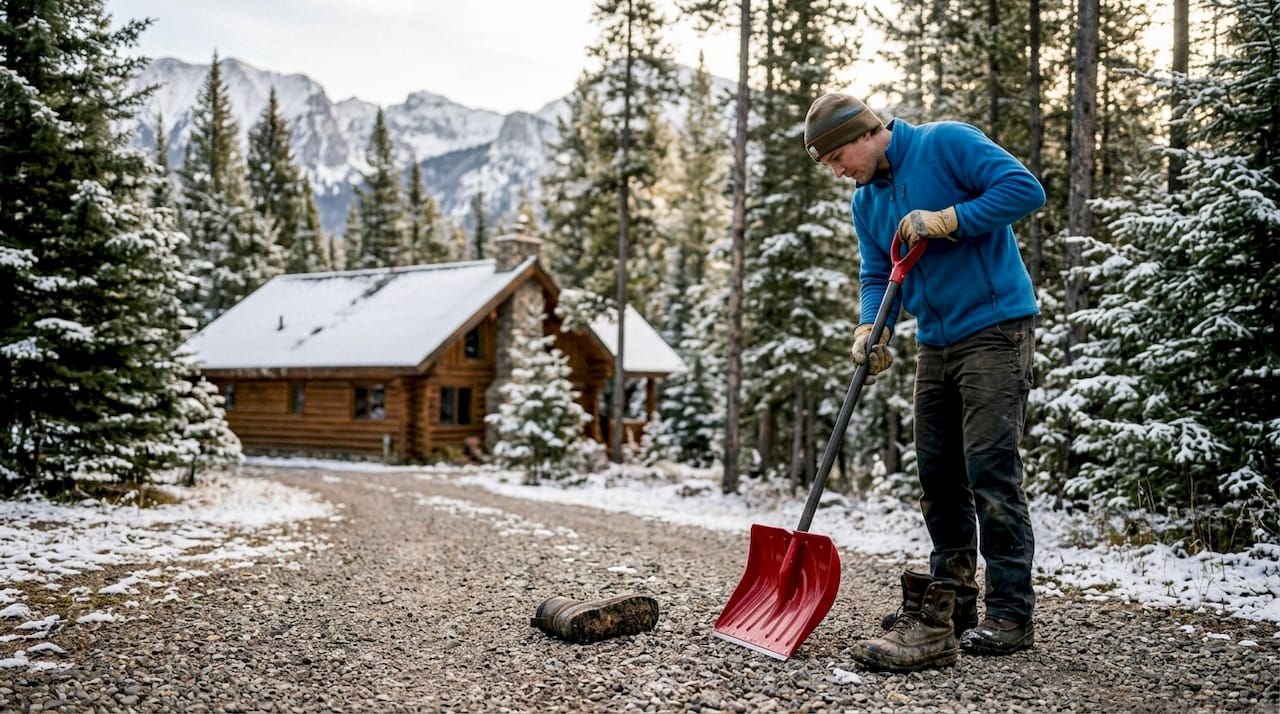
Generators deserve the same attention. A generator that sits unused for 11 months often fails to start when you need it most. Run it under load for at least 30 minutes and replace any stale fuel with a fresh supply treated with a fuel stabilizer.
Your supply list matters as much as your equipment. Stock eco-friendly ice melt products before the first storm, since store shelves empty fast. Sand and traction grit are useful backups for areas where chemical deicers could damage concrete or harm pets.
- Test snow blowers, generators, and extension cords in advance
- Stock pet-safe, concrete-safe ice melt and sand
- Keep ergonomic snow shovels with curved handles accessible near exits
- Store a roof rake where you can reach it quickly
- Prepare a winter emergency kit: flashlights, batteries, backup power bank, and blankets
- Identify a backup snow removal provider in case you cannot clear on your own
Pro Tip: Buy a second shovel and store it in your car. If a storm hits while you are away from home, you will need it to dig out your vehicle before you can even get back to your driveway.
3. Best practices for snow removal during winter
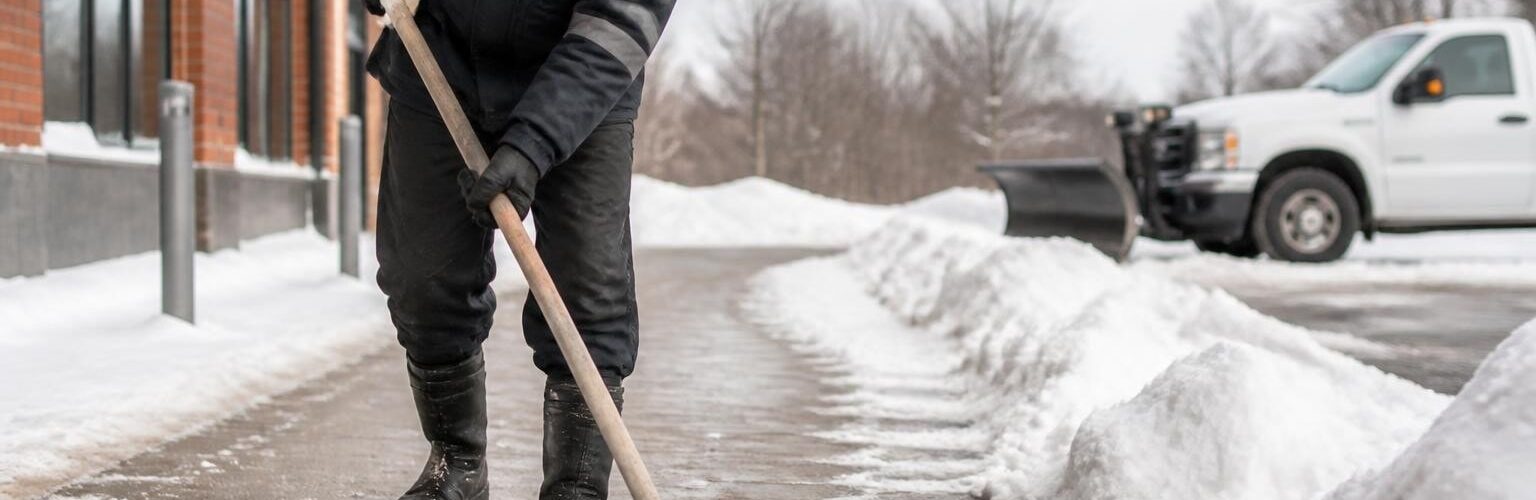
The ideal approach to snow removal during winter starts with timing. Clear snow as soon as 2–3 inches accumulate rather than waiting for a storm to end. Waiting allows snow to compact into ice, which bonds to pavement and becomes far harder to remove safely.
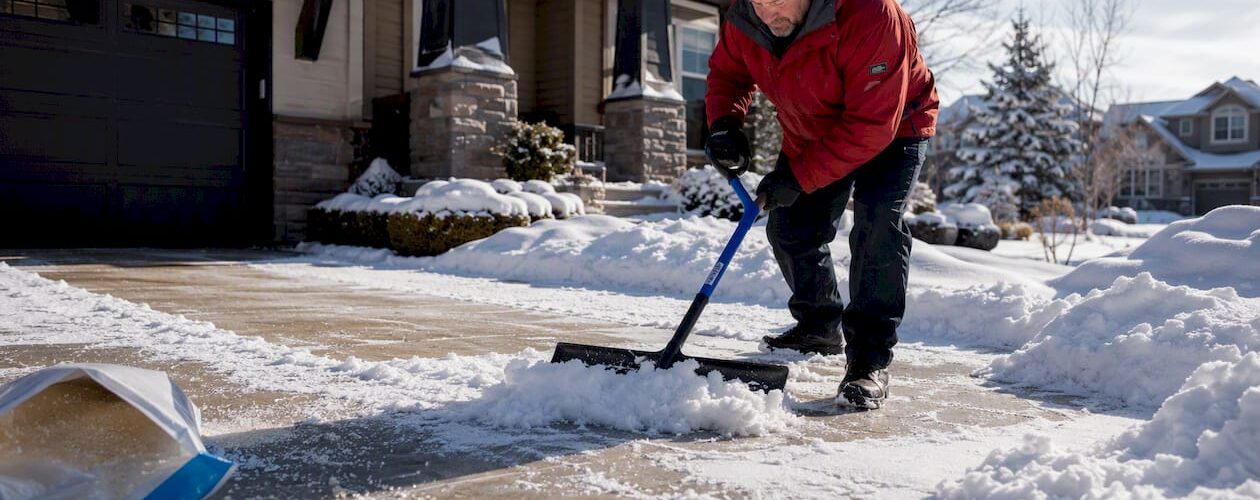
Use a push-first technique with your shovel. Pushing snow forward rather than lifting and throwing it reduces strain on your lower back significantly. When you do need to lift, bend at the knees, keep the load small, and avoid twisting your torso.
Focus your first clearing pass on high-traffic zones: the front walkway, driveway, and any path to a detached garage or utility meter. These areas carry the highest risk for slip-and-fall accidents and are often covered by local sidewalk clearing ordinances.
Deicing safely
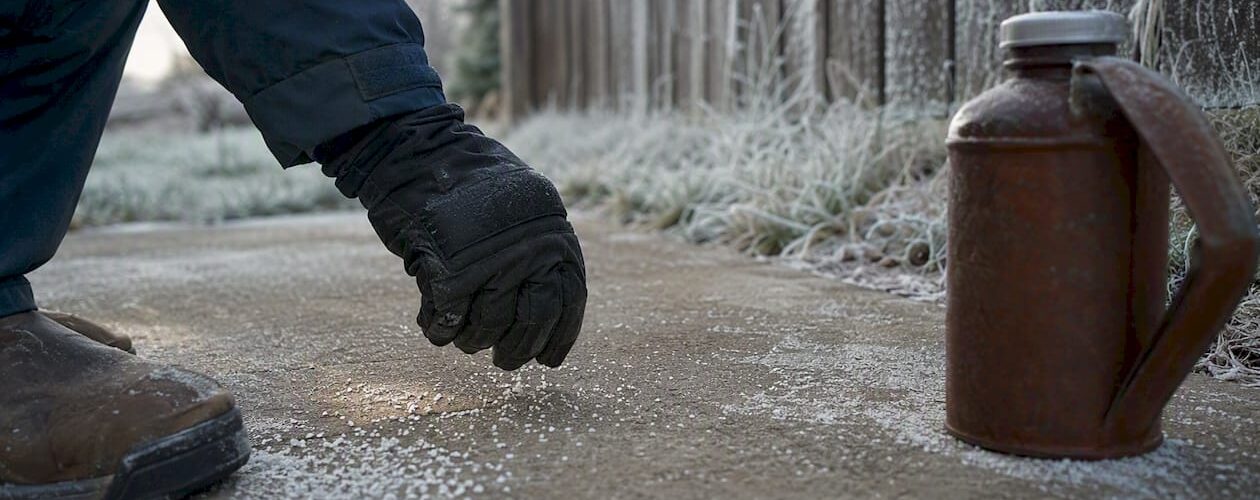
Apply deicers after clearing, not before, unless you are using a pretreatment strategy. Overusing deicers degrades concrete and harms pets who walk through treated areas. Choose magnesium chloride or calcium magnesium acetate products, which are gentler on surfaces and safer for animals than rock salt.
Applying liquid magnesium chloride before snowfall can prevent snow from bonding to pavement and makes clearing up to 2 inches of accumulation much easier. This pretreatment technique is standard practice in professional snow management and works well for driveways and walkways.
Roof and foundation safety
Never climb onto a snow-covered roof. Use a roof rake from the ground, working from the edge inward toward the peak. Roof rake use from edges inward prevents uneven snow loads that can stress the roof structure. Avoid piling removed snow against your home’s foundation, since that meltwater will work its way into your basement.
Pro Tip: Clear a path to your outdoor gas meter and electrical panel after every significant snowfall. Utility workers need access in emergencies, and a buried meter can cause service disruptions.
Snow removal timing and technique summary
| Situation | Recommended action |
|---|---|
| 2–3 inches of accumulation | Clear immediately; do not wait for storm to end |
| Icy pavement after clearing | Apply magnesium chloride or calcium magnesium acetate |
| Heavy snow on roof | Use roof rake from ground, edge to peak |
| Snow near foundation | Redirect piles away from the home’s perimeter |
| Driveway pretreatment | Apply liquid magnesium chloride before snowfall |
4. Legal and safety considerations homeowners need to know
Most municipalities require homeowners to clear sidewalks within 24–48 hours of a snowfall ending. Ignoring local snow removal bylaws often results in unexpected fines and liability claims after slip-and-fall accidents. The exact window varies by city, so check your local ordinance before the season starts, not after the first storm.
Homeowner liability for pedestrian safety on adjacent sidewalks is real and enforceable in most states. If someone falls on an icy walkway in front of your property and you have not cleared it within the required timeframe, you can face a civil lawsuit. Your homeowner’s insurance may cover some of that exposure, but only if you can show you acted reasonably.
“Maintaining records of snow removal activities helps homeowners defend against insurance claims or liability lawsuits in many jurisdictions. A simple log with dates, times, and photos of cleared areas can make the difference between a dismissed claim and a costly settlement.” Essential Snow Removal Tips
Personal safety during clearing is just as important as legal compliance. Dress in layers, take breaks every 20–30 minutes, and never clear snow immediately after a heavy meal or in extreme cold without warming up first. Heart strain from shoveling is a documented medical risk, particularly for adults over 45.
- Check your city’s sidewalk clearing ordinance before winter begins
- Keep a written or photo log of every clearing session with timestamps
- Review your homeowner’s insurance policy for slip-and-fall liability coverage
- Wear slip-resistant boots and use traction cleats on icy surfaces
- Stop and rest if you feel chest tightness, shortness of breath, or dizziness
Key takeaways
Proactive fall maintenance combined with consistent, timely snow clearing is the most effective way for homeowners to protect their property, avoid fines, and stay safe all winter long.
| Point | Details |
|---|---|
| Start in fall, not winter | Complete roof, gutter, pipe, and furnace checks before the first freeze. |
| Test equipment early | Run snow blowers and generators in october to catch failures before storms arrive. |
| Clear at 2–3 inches | Remove snow incrementally during storms rather than waiting for accumulation to peak. |
| Know your local law | Most cities require sidewalk clearing within 24–48 hours; fines and liability apply. |
| Document every clearing | Keep timestamped photos or a written log to protect yourself from liability claims. |
What 44 years of Denver winters taught me about snow prep
Most homeowners treat snow preparation as a single event. They buy a bag of ice melt in november, dig out the shovel, and call it ready. That approach fails almost every year, and I have watched it happen repeatedly.
The homeowners who come through harsh winters without major damage or injury share one habit: they treat fall maintenance as non-negotiable. They get on the roof in September, clean the gutters in october, and test the snow blower before the first forecast. By the time snow falls, there is nothing left to scramble for.
The second mistake I see constantly is waiting out a storm before clearing. People think one big effort at the end is more efficient. It is not. Snow that sits compacts into ice within hours, especially when temperatures drop overnight. Multiple light clearing sessions during a storm take less total effort and produce a safer result.
The liability piece surprises most homeowners. They assume their insurance covers everything. It does not always, and a slip-and-fall lawsuit from a neighbor or mail carrier can be expensive and stressful. A simple photo log of your cleared walkway, taken after each session, costs nothing and protects you significantly.
My honest advice: treat your winter prep checklist the way you treat a car service. Do it on schedule, document it, and do not skip steps because the weather seems mild. Denver winters do not give much warning before they turn serious.
— Jesse
Professional snow removal for Denver homeowners
Handling every aspect of winter prep on your own takes real time and physical effort. For homeowners in the Denver Metro area, Denversnowremovals offers residential snow removal services backed by over 44 years of local experience and a team available 24/7.
Whether you need a one-time clearing after a major storm or a seasonal plan that covers every snowfall, Denversnowremovals provides free estimates and flexible service options. The team uses professional-grade equipment to clear driveways, walkways, and access points quickly and safely. If you own a home in Denver and want reliable access through every storm this season, contact Denversnowremovals for a plan built around your property.
FAQ
What are the first seasonal snow preparation steps homeowners should take?
Start with a fall inspection of your roof, gutters, and pipes before the first freeze. Then test your snow removal equipment and stock ice melt and traction materials before the first storm forecast.
How often should homeowners clear snow during a storm?
Clear snow every 2–3 inches of accumulation rather than waiting for the storm to end. Regular light clearing is more efficient and prevents dangerous ice bonding on pavement.
Are homeowners legally required to clear sidewalks?
Most municipalities require sidewalk clearing within 24–48 hours of snowfall. Failure to comply can result in fines and personal liability for any pedestrian injuries on your property’s adjacent walkway.
What is the safest deicer for concrete and pets?
Magnesium chloride and calcium magnesium acetate are the safest options for both concrete surfaces and pets. Avoid rock salt, which degrades pavement and irritates animals’ paws.
When should homeowners call a professional snow removal service?
Call a professional when accumulation exceeds your equipment’s capacity, when you have physical limitations, or when clearing is legally required and you cannot complete it within your city’s timeframe. Denversnowremovals offers 24/7 availability for exactly these situations.