


How Shared Driveways Get Cleared Safely in Winter
Shared driveway snow removal is defined as the coordinated process of clearing snow and ice from a driveway used by two or more households, using agreed methods, proper tools, and legal frameworks to maintain safe access. How shared driveways get cleared safely depends on three factors working together: a written agreement that defines each party’s responsibilities, proven ice remediation techniques, and consistent neighbor communication. Without all three, even a light snowfall can create blocked access, property damage, or a dispute that outlasts the season. Denversnowremovals has worked with Denver Metro homeowners and renters for over 44 years, and the patterns that cause problems are consistent and preventable.
What legal and agreement factors determine snow removal responsibility?
Snow removal responsibility in a shared driveway is not automatically split evenly. Proportional use often determines cost sharing unless a written agreement specifies otherwise. That means the household using more of the driveway may bear a larger share of clearing costs, even if no one ever discussed it.
Easement agreements recorded with the county are the strongest legal tool available. Courts generally enforce recorded agreements to define snow removal obligations and resolve disputes fairly. If your deed references a shared driveway easement, pull that document and read it carefully before winter arrives.
When no written agreement exists, common law principles apply, and those principles are vague. Legal disputes arise frequently from vague maintenance language, and courts are left to interpret intent rather than enforce clear terms. The fix is straightforward: draft a written document that names each party, specifies who clears what section, sets a timeline after snowfall, and addresses cost allocation.
A strong agreement covers these points:
- Who is responsible for clearing each section of the driveway
- The deadline for clearing after a storm ends (for example, within 24 hours)
- How costs for contractors or materials are split
- Where snow can be piled without blocking either property
- A process for resolving disagreements before they escalate
Pro Tip: Add an easement addendum that covers snow pile locations and clearing schedules. Easement addendums specific to snow logistics prevent disputes even when a basic agreement already exists.
Legal clarity does more than protect you in court. It removes the guesswork that causes tension between neighbors every time a storm rolls in.
What are the safest methods for shared driveway ice removal?
The safest approach to ice removal starts before the storm, not after. Pre-treatment with brine or eco-friendly de-icers prevents ice from bonding to the pavement surface, which makes post-storm clearing faster and far less physically demanding. Brine application is a standard practice used by municipal road crews across Colorado for exactly this reason.
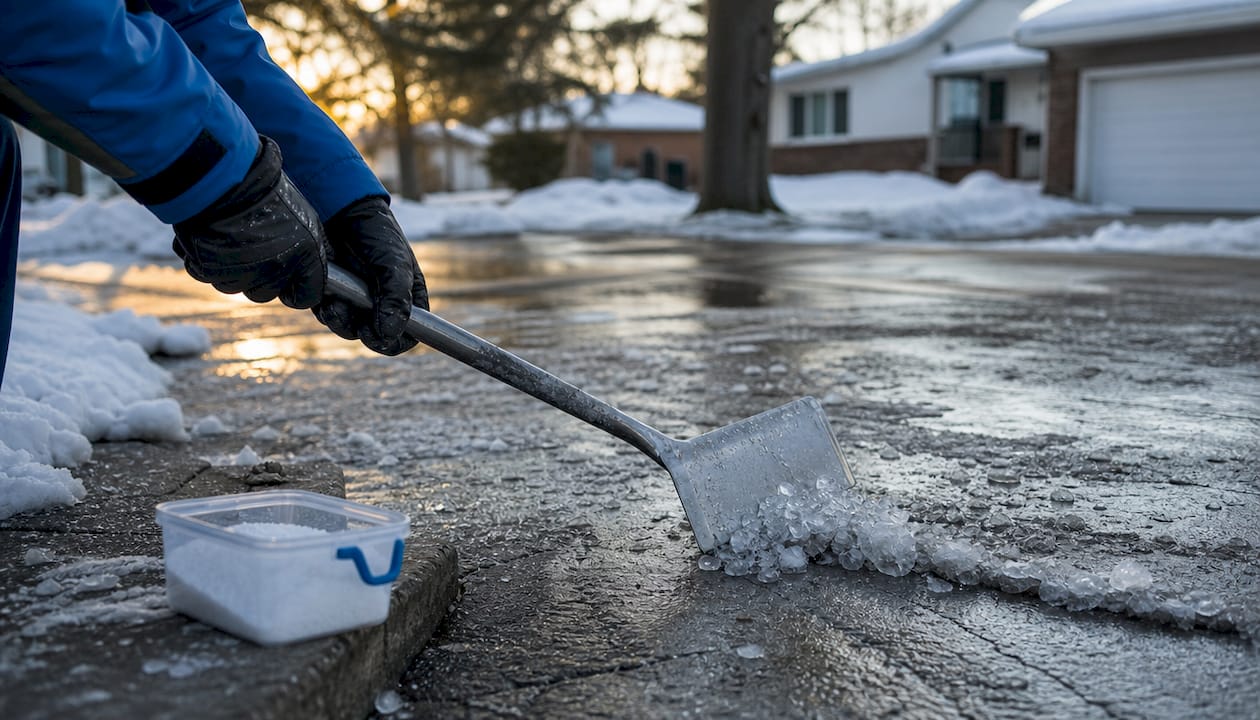
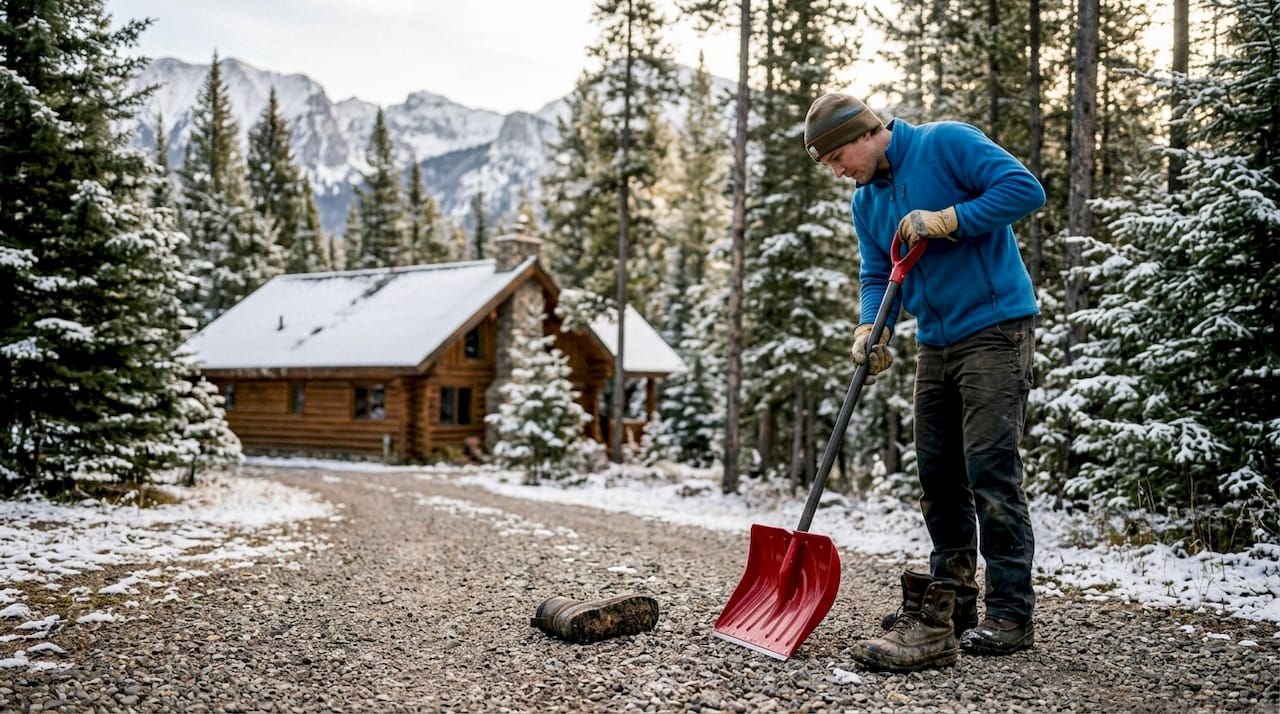
Once ice has formed, the right tool matters. Plastic-edged shovels held at a low angle break up ice without gouging the concrete. Metal tools and hot water damage driveway surfaces and create new hazards. Hot water refreezes quickly, often leaving a smoother, more dangerous ice layer than the one you started with.
For existing ice, magnesium chloride is the recommended low-corrosive ice melt. It works at lower temperatures than rock salt and causes less damage to concrete and nearby plants. Apply it in the quantities listed on the product label. More is not better.
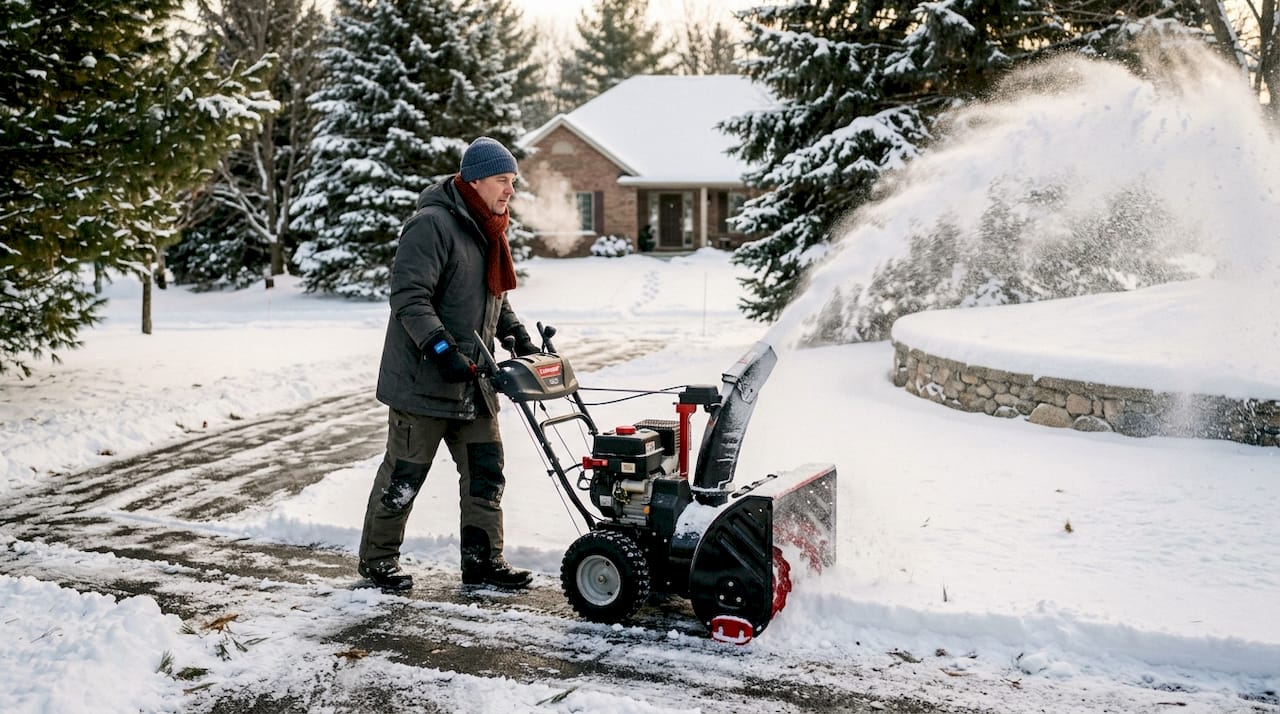
Clearing technique also affects safety. Starting from the center and working outward reduces injury risk and prevents snow from piling up in the path you just cleared. Push snow toward the edges or a designated zone, not across the driveway or onto your neighbor’s cleared section.
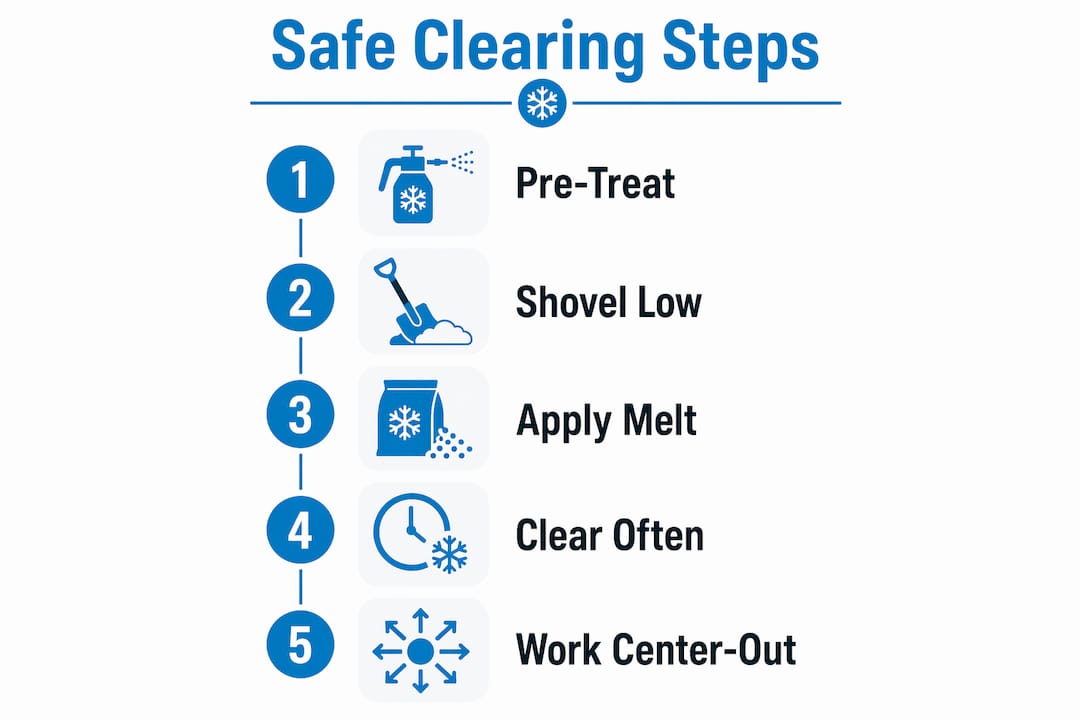
Small, frequent clearing sessions reduce physical strain compared to waiting for a full accumulation. Clearing two inches of snow three times is safer and easier than clearing six inches once. This is especially true for older homeowners or anyone with back or joint concerns.
Pro Tip: Clear in the same direction as traffic flow. Clearing with traffic direction prevents physical obstruction and reduces the chance of pushing snow into a neighbor’s cleared area.
How can neighbors coordinate to clear shared driveways without conflict?
Coordination starts with a conversation before the first storm of the season. Frequent communication and clear parking arrangements are the most effective ways to prevent snow removal conflicts on shared driveways. A five-minute conversation in october saves hours of frustration in january.
A written shared driveway agreement is the foundation. Beyond legal protection, it gives both households a shared reference point when questions come up. Include a clearing schedule so each party knows when to expect the driveway to be passable.
Parking coordination is often overlooked. A car parked in the wrong spot blocks equipment access and forces one neighbor to clear around an obstacle. Agree in advance on where vehicles go during and immediately after a storm.
These practices make coordination reliable:
- Schedule a brief check-in with your neighbor at the start of each winter season
- Agree on a shared contractor or split the cost of a single service visit
- Set up a group text or simple communication channel for storm alerts
- Designate specific snow pile zones that do not block either household’s access
- Contribute to a small joint maintenance fund for materials and contractor fees
Pro Tip: If you hire a contractor jointly, put the agreement in writing and share the invoice. Splitting costs transparently prevents the resentment that builds when one neighbor feels they are carrying more than their share.
What common mistakes should be avoided when clearing shared driveways?
Most driveway damage and neighbor disputes trace back to a short list of repeated errors. Recognizing them in advance is the fastest way to avoid them.
- Waiting too long to clear. Snow that sits on pavement bonds to the surface. The longer you wait, the harder it is to remove without damaging the concrete. Clear early and often.
- Overusing ice melt products. Overuse of ice-melting products damages concrete, harms plants, and leaves slippery residue. Follow the label. Excess product does not melt ice faster. It just causes more damage.
- Using metal-edged shovels. Metal tools create micro-cracks in concrete. Freeze-thaw cycles then expand those cracks. Over time, the pavement degrades significantly faster than it should.
- Pouring hot water on ice. Hot water melts the top layer of ice and then refreezes into a glassy, nearly invisible sheet. This is more dangerous than the original ice.
- Pushing snow onto your neighbor’s cleared section. This is the single most common source of shared driveway disputes. Always push snow toward designated edge zones.
Treating a shared driveway like a private one is the root cause of most winter conflicts. Every decision you make about where snow goes and when you clear it affects the person next door. The households that handle winter best are the ones that plan for it together.
What tools and products work best for safe driveway clearing?
Choosing the right tools protects both the driveway surface and the people using it. The wrong equipment causes damage that compounds over multiple winters.
| Tool or Product | Recommended | Reason |
|---|---|---|
| Plastic-edged shovel | Yes | Clears ice without gouging concrete |
| Metal-edged shovel | No | Creates micro-cracks that worsen with freeze-thaw cycles |
| Magnesium chloride ice melt | Yes | Low-corrosive, effective at low temperatures |
| Rock salt (sodium chloride) | Use sparingly | Damages concrete and harms vegetation with overuse |
| Brine pre-treatment spray | Yes | Prevents ice bonding before storms |
| Hot water | No | Refreezes into a hazardous glassy surface |
| Calcium chloride | Yes, in moderation | Works in extreme cold but can damage surfaces if overused |
Plastic-edged shovels held at a low angle are the standard recommendation for ice remediation on concrete and asphalt. Metal-edged shovels damage concrete surfaces through repeated contact, and the damage accelerates with freeze-thaw expansion. Replacing a shovel is far cheaper than resurfacing a driveway.
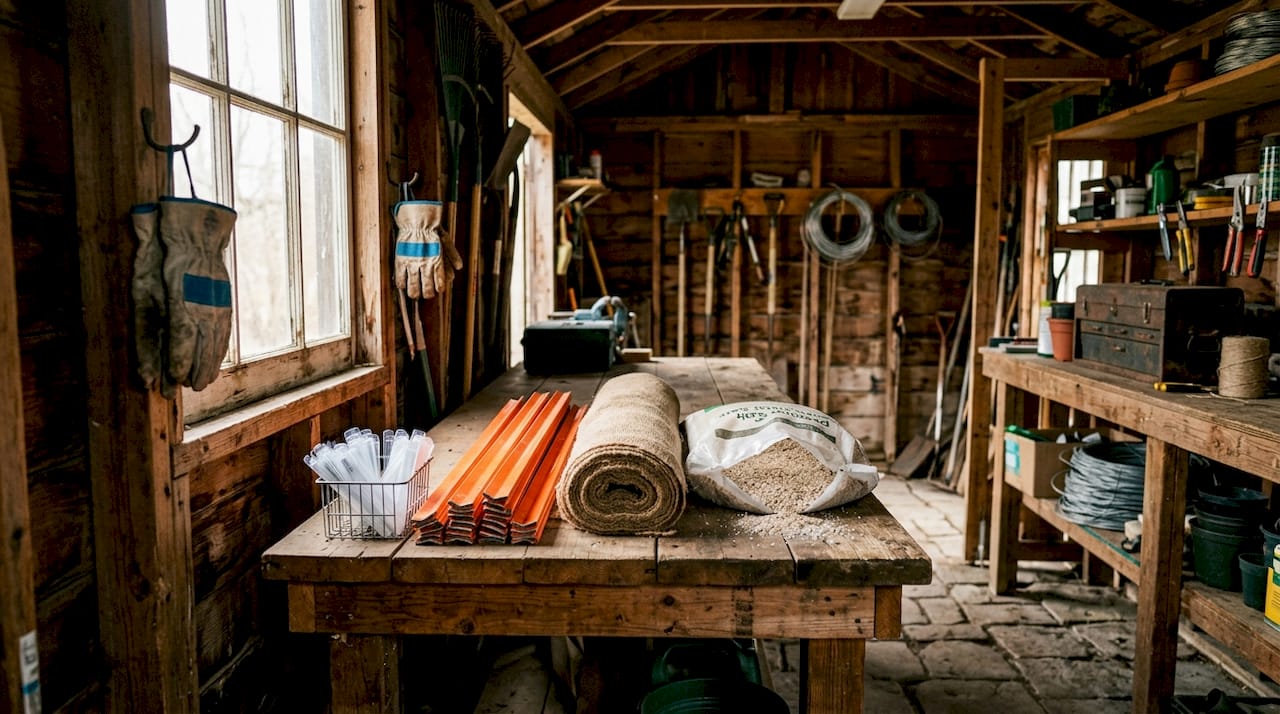
For ice melt products, choose options labeled as plant-safe and low-corrosive. Apply before a storm when possible, and reapply only as needed after clearing. Keep a dedicated container near the driveway so both households can access it easily.
Pro Tip: Store ice melt in a sealed, waterproof container near the driveway entrance. Both households should have access, and a shared supply prevents the situation where one neighbor runs out mid-storm.
Key takeaways
Safe shared driveway clearing requires a written agreement, proper tools, and consistent neighbor coordination before and during every winter storm.
| Point | Details |
|---|---|
| Written agreements prevent disputes | Specify who clears what, when, and where snow gets piled to avoid conflicts. |
| Pre-treat before storms | Apply brine or eco-friendly de-icer before snowfall to stop ice from bonding to pavement. |
| Use plastic-edged shovels | Metal tools damage concrete; plastic edges clear ice safely without surface harm. |
| Clear frequently, not all at once | Small sessions reduce injury risk and prevent heavy accumulation from bonding to pavement. |
| Coordinate parking and schedules | Agree on vehicle placement and clearing times so equipment can access the full driveway. |
What I have learned from watching shared driveways go wrong every winter
After seeing hundreds of shared driveway situations across the Denver Metro area, the pattern is always the same. The households that struggle are the ones that never talked before the first storm. The ones that handle winter well made a plan in october.
The legal side matters, but it is not the whole picture. A recorded easement agreement protects you in court. It does not make your neighbor pick up a shovel at 6:00 AM. That takes a relationship, and relationships take communication. The homeowners who combine a solid written agreement with a genuine working relationship with their neighbor almost never call with a dispute.
Pre-treatment is the most underused tool in residential driveway care. Most homeowners wait until ice has formed and then fight it with rock salt and effort. Applying a brine solution before a storm takes ten minutes and cuts clearing time in half. The households that adopt this practice once rarely go back.
The mistake I see most often is pushing snow toward the neighbor’s side of the driveway. It seems minor in the moment. By february, it has become a serious conflict. Designate pile zones before winter and stick to them. That one decision eliminates more disputes than any legal document.
— Jesse
Professional snow removal for shared driveways in Denver
Managing a shared driveway through a Denver winter is easier when you have a professional team handling the clearing.
Denversnowremovals provides residential snow removal services across the Denver Metro area, with a team available 24/7 and equipment suited for shared driveways of every size. The service includes pre-treatment, snow plowing, and ice remediation, so you and your neighbor both have clear, safe access after every storm. Free estimates are available, and service plans are flexible enough to fit shared cost arrangements between households. Call 303-591-2089 to get started before the next storm arrives.
FAQ
Who is responsible for clearing a shared driveway?
Responsibility depends on any written easement or maintenance agreement on file. When no agreement exists, proportional use often determines cost sharing, meaning the party using more of the driveway may bear a larger share of clearing costs.
What is the safest ice melt for a shared concrete driveway?
Magnesium chloride is the recommended choice because it is low-corrosive and effective at lower temperatures than rock salt. Apply only the amount listed on the product label to avoid concrete damage and slippery residue.
How often should a shared driveway be cleared during a storm?
Clear in small, frequent sessions rather than waiting for full accumulation. Frequent clearing reduces physical strain and prevents snow from bonding to the pavement, which makes each session faster and safer.
Can I push snow from my side onto my neighbor’s cleared section?
No. Pushing snow onto a neighbor’s cleared area is a leading cause of shared driveway disputes. Always direct snow toward designated edge zones agreed upon before the winter season begins.
Do I need a written agreement for a shared driveway?
A written agreement is the most reliable way to prevent disputes. Courts enforce recorded shared driveway agreements to resolve conflicts, and a detailed document specifying snow removal duties protects both households from ambiguity.