
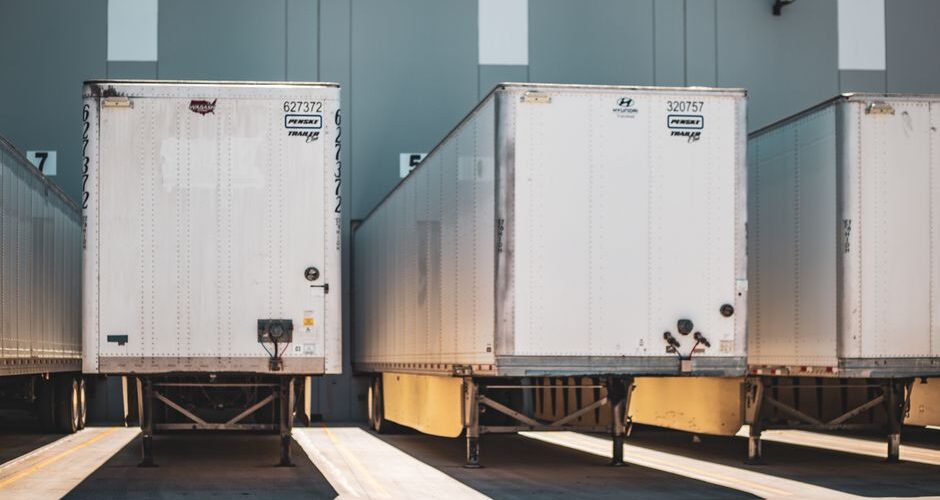
A clean front parking lot can hide a property that is still shut down. The trailers that stock the shelves, the vans that deliver packages, and the trucks that pull dumpsters all arrive at the back of the building, and they all need a cleared dock apron, a plowed service lane, and a place to turn around. Loading docks, sidewalks, and entrances each carry different priorities depending on how a property is used, which is why commercial snow plans are built around access needs, priority areas, and operating schedules rather than around a single pass down the middle of the lot.
For warehouse managers, distribution center supervisors, and commercial property managers across Denver County, the rear of the property is where a storm creates the longest delays. This guide covers what a dock and service lane program includes, how it differs from standard parking lot plowing, and what to settle before the first snow arrives.
Why the dock pad deserves its own line in the plan
A parking space that stays buried costs a driver a few minutes of shoveling. A dock pad that stays buried stops freight. Trailers cannot back into a door they cannot reach, and a driver who cannot open a roll-up door will pull away and reschedule, which pushes the delay onto the next delivery window. When several trucks stack up at a property with limited apron space, the backup spills into the service lane and then into the street.
Service lanes add a second problem. They are usually narrower than a main drive aisle, they are often lined with bollards, utility boxes, dumpster pads, and low walls, and they frequently double as a fire lane. That combination leaves little room for a plow to push snow without either burying a hydrant or blocking the path the fire department would need.
What breaks down when the rear of a property is buried
The failures tend to repeat from one storm to the next. Knowing the usual suspects makes it easier to point a contractor at the real trouble spots during a pre-season walkthrough.
- The dock apron and approach, where a slight incline can turn packed snow into a slick ramp that a loaded truck cannot climb.
- Trailer pads and staging spots, which fill first and then force drivers to wait in the service lane.
- Dumpster and compactor pads, where an unplowed approach means a hauler skips the stop.
- Fire lanes and turnarounds, which cannot be used for snow storage no matter how convenient the space looks.
- Walkways, stairs, and entrances used by employees walking between the dock and the building.
- Overhead doors and man doors, where plowed snow piled against the frame can freeze the door shut.
Building the plan around how the property actually operates
No two properties run the same way during a storm. A residential community, a retail center, an office property, and a metro district all have different traffic patterns, and a snow and ice management plan should be shaped around each one instead of copied from a template. For a building with a dock, that means the plan is drafted around four things.
Access needs
Which vehicles must reach which doors, and in what order. A grocery distributor, a parcel hub, and a light manufacturing plant will rank their doors differently, and the plan should reflect that ranking so the first equipment pass goes where the first truck goes.
Priority areas
Dock aprons, trailer pads, and the service lane typically sit near the top of the list for an industrial property, ahead of visitor parking and far ahead of storage corners. Entrances and sidewalks usually rank alongside them because employees and customers use them on foot. Documenting those priorities in writing prevents an argument in the middle of a snow event about whose area gets plowed first.
Operating schedule
A facility that runs a night shift has a different clearing window than one that opens at dawn. The plan should note when the property is busiest, when trailers are expected, and where equipment can work without putting pedestrians or drivers in the way.
Contracted level of service
A contract should state what is included and at what depth work begins. Seasonal agreements with trigger-depth terms are common for commercial properties because they tie service to measurable snow accumulation rather than to a phone call. The trigger should be spelled out for the dock area as clearly as it is for the main lot.
Matching equipment to tight quarters
A full-size plow truck works well in an open parking field, but it is often the wrong tool for a service lane squeezed between a building and a fence. Compact loaders, skid steers, and small pushers move snow around dock aprons without clipping bollards or scraping door frames, and hand crews handle the areas equipment cannot reach, such as walkways, stairs, and entrances.
The technique matters as much as the machine. Operators who plow away from the building instead of toward it avoid stacking snow against doors and walls, and they leave room at the end of a push for the next pass. Finding a legal, practical place to put the snow is part of that planning, since pushing it into a fire lane or against a loaded trailer pad simply moves the problem.
| Property area | Why it stalls operations | What the plan should define |
|---|---|---|
| Dock apron and trailer pads | Trucks cannot back in or pull out | Clearing order and stocked snow placement |
| Service lane and drive aisle | Blocks the path between the street and the doors | Snow storage limits and turnaround space |
| Dumpster and compactor pads | Haulers skip the stop and waste builds up | Access width and clearance around enclosures |
| Fire lanes | Becomes a safety and liability exposure | No-storage zones marked before winter |
| Walkways, stairs, entrances | Employees and visitors slip on packed snow and ice | Hand clearing and ice control coverage |
Snow hauling when there is nowhere left to push
Industrial parks and tight urban parcels in the Denver area often run out of stacking space after the first few storms. Once snowbanks reach a height where a plow can no longer push over them, or where they block sight lines at a service lane exit, the remaining option is hauling snow off site. Snow hauling and disposal services use loaders and trucks to remove piles from the property entirely, which is the practical choice for dock aprons where every foot of apron length is needed for trailers.
Hauling is usually scheduled after the main push, so the priority during the storm is keeping the dock reachable rather than making the property look finished. Property managers should plan for where hauling equipment will stage, because a loader parked in the wrong spot can shut down the same lane the plowing was meant to protect.
Ice control at docks, ramps, and metal thresholds
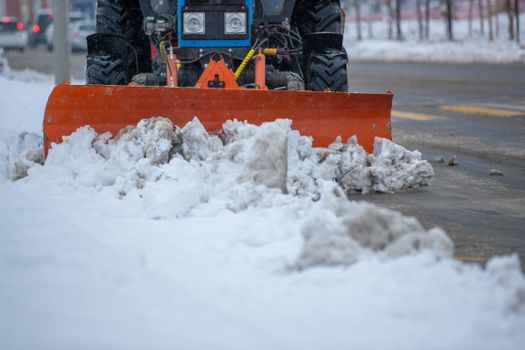
Denver winters swing between melting afternoons and freezing nights, and that cycle is hardest on the rear of a commercial property. Meltwater running off a snowbank refreezes on shaded concrete, on dock levelers, and on metal thresholds where a driver steps down from a cab. Ice removal and de-icing belong in the same service plan as plowing, not as an optional add-on called in after someone falls.
Because chemicals and abrasives behave differently on concrete, asphalt, and metal, the application plan should list which surfaces get which treatment. Anyone unsure about local requirements for sidewalk clearing, snow storage, or obstructions in the public right of way should confirm the current rules with the City and County of Denver rather than rely on a general assumption.
Coordinating with drivers, tenants, and haulers
Plowing a dock area while trucks are actively arriving is a scheduling problem as much as a snow problem. A short notice to tenants and carriers before a forecasted storm, plus an agreed order of clearing, cuts down on the time equipment spends waiting for a trailer to move. Marked trailer pads, clearly painted no-parking zones near dock doors, and signs identifying snow storage areas all help keep the lane usable.
Property managers should also tell their snow contractor about anything that changes during the winter: a new tenant with different delivery hours, a temporary dumpster, construction fencing, or a repair that blocks part of the lane. A plan built in October can quietly stop matching the property by January.
Documentation and 24/7 response
Winter storms can shut down business operations, create liability risks, and leave commercial properties inaccessible within hours, so records matter. Service logs, arrival times, and site photos give a property manager something concrete to review after a disputed event and give a contractor a way to show what was done. They also make the next season’s plan better, because patterns emerge from a stack of storm reports.
For emergencies, a 24/7 dispatch arrangement means a dock can be reopened at any hour rather than waiting for a next-morning route. A Denver-based commercial snow removal company with more than 47 years in the market has seen the range of Front Range storms, from a few inches of dry powder to heavy, wet snow that packs down under trailer tires, and can adjust the approach for the rear of the property as conditions change through the night.
Questions to ask before signing a dock and lane contract
Ask any contractor to walk the back of the property with you, not just the front lot. Point out the dock apron, the trailer pads, the dumpster enclosure, the fire lane, and every door employees use. Then ask how those areas are ranked in the clearing order, what trigger depth starts work, where snow will be stacked when the banks get high, who handles ice control on ramps and thresholds, and how service is documented.
Get the answers in writing as part of the agreement. A plan that lists access needs, priority areas, operating hours of the facility, and the contracted level of service gives both sides a shared reference point when the storm arrives at two in the morning and the only question that matters is which door opens first.
Frequently Asked Questions
Will my loading dock be plowed before the main parking lot?
That depends on how the plan ranks priority areas. For industrial and warehouse properties, dock aprons, trailer pads, and service lanes usually sit at the top of the list because freight movement stops without them, while visitor parking falls later in the order. Ask for that ranking in the written agreement so the sequence is clear before winter.
Can dock and service lane work be added to a regular snow contract?
Yes. A single commercial snow agreement can cover the parking field, the service lane, the dock apron, and the walkways. What matters is that the contract spells out each area’s access needs, trigger depth, and level of service, because the rear of a property needs different equipment and technique than an open lot.
Where does snow go when the banks get too high to push?
Once stacking space runs out, snow hauling and disposal services remove it from the property with loaders and trucks. This is common at industrial parks and tight urban parcels where snowbanks would otherwise block sight lines or eat into the trailer pad. Hauling is typically scheduled after the main clearing push.
Who handles ice on dock ramps and metal thresholds?
Ice control should be part of the same service plan as plowing. Ramps, dock levelers, and metal thresholds are where meltwater refreezes overnight and where drivers step down from cabs, so those surfaces need treatment as conditions change. Confirm which surfaces are covered and how applications are logged.
Should I verify local snow rules myself?
Property owners and managers remain responsible for knowing the rules that apply to their site. Requirements around sidewalk clearing, snow storage, and anything that obstructs a public street can change, so confirm current expectations with the City and County of Denver and your own risk advisor rather than relying on general guidance.