

Emergency snow removal, Denver co
Finding truly affordable snow removal in Denver CO requires more than just the lowest bid. It means understanding what you are paying for, how pricing works in this market, and what happens when a cut-rate service fails to show up after a storm. With over 47 years of experience clearing commercial properties across the metro area, Denver Snow Removals has seen every pricing model, every contract loophole, and every headache that property owners face when they chase the cheapest option. This guide breaks down real 2026 pricing for residential driveways and commercial parking lots, explains Denver’s snow removal laws, and gives you a practical checklist for choosing a service that delivers genuine value, not just a low number on an estimate.
Table of Contents
-
Why “Affordable” Means More Than Just the Lowest Price in Denver
-
How Much Does Snow Removal Cost in Denver? (2026 Pricing Breakdown)
-
The Real Cost of Skipping Professional Snow Removal (Legal and Liability Risks)
-
How to Choose an Affordable Snow Removal Company in Denver (Checklist)
-
Denver’s Snow Response: What the City Does (and Doesn’t) Do for You
-
Frequently Asked Questions About Affordable Snow Removal in Denver
-
Get Affordable Snow Removal in Denver CO: Request a Quote Today
Why “Affordable” Means More Than Just the Lowest Price in Denver
The difference between cheap and affordable comes down to risk. A cheap snow removal service might quote you $25 per visit for a driveway, but that rate often reflects a lack of insurance, no workers’ compensation coverage, and an operator who may not own reliable equipment. When a heavy storm hits and that operator’s truck breaks down or they overbook their route, you are left with an unshoveled sidewalk and a ticking clock.
Denver’s municipal code requires property owners to clear snow and ice from adjacent sidewalks within 24 hours after a snowfall ends. If you fail to meet that deadline, city inspectors can issue fines starting at $150 per violation, and repeat offenses climb higher. A cheap service that does not show up on time leaves you holding that liability. An affordable service, by contrast, charges a fair rate that reflects dependable equipment, trained crews, and the insurance coverage that protects you if something goes wrong.
There is also the hidden cost of the gig-economy approach. TaskRabbit lists snow removal in Denver at an average of $44 per hour, which sounds reasonable until you realize that a single Tasker with a shovel cannot clear a commercial lot or even a large residential driveway efficiently. You pay for their time, not for a guaranteed result. A professional seasonal contract spreads that cost across an entire winter and guarantees dispatch priority when storms arrive. Value per snowfall, not hourly rate, is the metric that matters.
How Much Does Snow Removal Cost in Denver? (2026 Pricing Breakdown)
Snow removal pricing in Denver varies widely based on property type, service frequency, and contract structure. The figures below reflect current market rates gathered from HomeGuide, Angi, and direct provider quotes for the 2026 season.
See the Best Snow Plows of 2026 ❄️
Residential Driveway and Sidewalk Pricing
For a standard single-family driveway and sidewalk, per-visit pricing typically falls between $30 and $70. The range depends on driveway length, whether walkways and steps are included, and whether de-icing is part of the service. Some companies charge a flat per-visit rate regardless of snow depth, while others use a per-inch model.
Per-inch pricing works like this: a base rate of $60 to $200 covers the first few inches, with an additional $5 to $60 charged for each inch beyond that threshold. In a winter like 2023’s, when Denver saw multiple double-digit snowfalls, per-inch contracts got expensive fast. For most homeowners, a seasonal contract offers better predictability. Seasonal residential contracts in Denver run from September through May and average $250 to $600, depending on property size and the number of included visits. Signing early, before November, often secures priority dispatch and locks in the rate before winter demand spikes.
Commercial Parking Lot and Property Pricing
Commercial snow removal operates on a different scale entirely. Pricing models include per-square-foot, per-visit, per-inch, and hourly structures, and the right choice depends on lot size, traffic patterns, and how quickly the property must be cleared for business operations.
Per-square-foot pricing ranges from $0.10 to over $1.00, with larger lots typically landing at the lower end of that spectrum due to economies of scale. A 20,000-square-foot parking lot at $0.15 per square foot costs $3,000 per season under a full-service contract, which usually includes multiple visits, de-icing, and snow hauling when piles encroach on parking spaces.
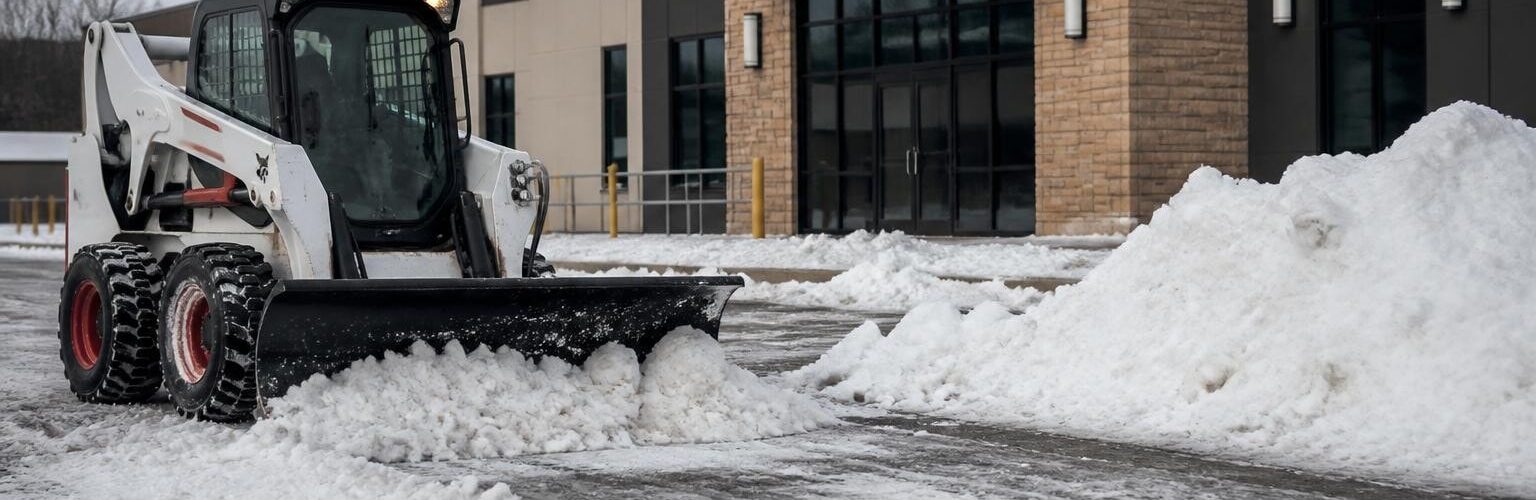
Per-visit commercial pricing starts around $40 for small lots and can exceed $500 for mid-sized properties with multiple entrances, loading docks, and ADA-accessible paths. Hourly commercial rates run $25 to $150 or more per worker per hour, with the higher end reflecting specialized equipment like skid steers and box plows. Property managers and HOAs who commit to seasonal contracts typically save 20 to 30 percent compared to calling for per-visit service after each storm.
Side-by-Side Comparison of Denver Providers (2026)
Several established companies serve the Denver metro area, each with a distinct focus. Denver Snow Removals specializes exclusively in commercial properties, including parking lots, HOAs, and industrial parks, and has done so for over 47 years. Seasonal contracts run September through May, and the company does not take on small residential driveways, which means commercial clients get undivided attention during storms.
SaBell’s, in business since 1973, serves both residential and commercial customers and is one of the largest operators in the region. Snow Removal Services Denver, founded in 2010, offers 24/7 emergency response and bundles snow removal with year-round landscaping through a partner company, which appeals to property managers who want a single vendor relationship. TaskRabbit operates on a different model entirely, connecting individual workers with customers for on-demand shoveling at an average of $44 per hour, with no contracts and no guarantee of availability during major storms.
The Real Cost of Skipping Professional Snow Removal (Legal and Liability Risks)
Denver’s 24-hour sidewalk clearing ordinance is not a suggestion. Property owners who fail to clear adjacent sidewalks face fines that start at $150 per violation and escalate for repeat offenses. The city issues thousands of these citations each winter, and ignorance of the law is not a defense.
Beyond municipal fines, slip-and-fall liability represents a far larger financial exposure. Colorado premises liability law holds property owners responsible for injuries that occur due to negligent maintenance, including unshoveled or icy walkways. If a tenant, visitor, or delivery driver falls on your property and sustains an injury, you could face medical claims, lost-wage demands, and a lawsuit. Commercial property owners carry additional obligations under the Americans with Disabilities Act, which requires accessible paths of travel to remain clear and safe. An ADA complaint stemming from an unplowed ramp or icy accessible route can trigger federal scrutiny and costly remediation requirements.
This is why verifying a contractor’s insurance is non-negotiable. Any snow removal company you hire should carry general liability insurance and workers’ compensation coverage. General liability protects you if the contractor damages your property during service. Workers’ compensation covers the crew if someone gets hurt on your property, preventing that injury from becoming your responsibility. Many cheap operators skip insurance to keep their rates low, and that gamble lands on you.
How to Choose an Affordable Snow Removal Company in Denver (Checklist)
Selecting the right snow removal partner takes more than a quick Google search. Follow these steps to evaluate providers and avoid the common traps that lead to overpaying or getting stranded after a storm.
Step one: get three written quotes. Ask each company to provide both per-visit pricing and a seasonal contract rate so you can compare apples to apples. A seasonal contract with Denver Snow Removals, for example, locks in your rate and guarantees dispatch priority, while per-visit pricing leaves you competing with other callers after every snowfall.
Step two: verify insurance and licensing. Request a certificate of insurance directly from the provider’s agent. Confirm that general liability and workers’ compensation policies are active and that coverage limits are adequate for your property’s exposure. Any reputable company will provide this without hesitation.
Step three: check online reviews on Yelp, Angi, and Google. Look past the star rating and read what customers say about response time, communication during storms, and how the company handles complaints. A pattern of missed visits or unreturned calls is a red flag regardless of price.
Step four: ask about de-icing materials. The City of Denver uses liquid magnesium chloride downtown to reduce particulate matter, and some private contractors offer eco-friendlier de-icing options that are less corrosive to concrete and landscaping. If your property has sensitive plantings or new concrete, this matters.
Step five: read the fine print on seasonal contracts. Some contracts cap the number of visits included, with additional charges kicking in after a certain number of storms. Others include a termination fee if you cancel mid-season. Understand exactly what you are committing to before you sign.
Denver’s Snow Response: What the City Does (and Doesn’t) Do for You
The Denver Department of Transportation and Infrastructure maintains a fleet of 70 large plows for main streets and deploys 4×4 pickup trucks equipped with plows for residential streets. During and after a storm, DOTI plows approximately 2,050 lane miles of main streets and 1,260 center lane miles of residential streets.
Here is what many property owners do not realize: residential side streets receive one pass from a pickup plow, and that single pass does not clear the street to bare pavement. The city does not apply de-icing materials to residential side streets, and the plow’s single pass often leaves a windrow of snow blocking driveway aprons. The city explicitly states that its residential plowing program is not designed to provide bare-pavement results.
Most critically, the city does not clear private driveways, walkways, parking lots, or any surface on private property. That responsibility falls entirely on the property owner. If you own a home, you clear your driveway and sidewalk. If you manage a commercial property, you arrange for lot plowing, sidewalk clearing, and de-icing. The city’s response plan handles public thoroughfares only, and even then, residential streets get minimal treatment.
Frequently Asked Questions About Affordable Snow Removal in Denver
What do most people charge for snow removal in Denver?
Residential driveway and sidewalk clearing typically costs $30 to $70 per visit. Commercial properties range from $40 to over $500 per visit depending on lot size, with seasonal contracts offering the best long-term value. Hourly rates for workers range from $25 to $150 or more depending on equipment and crew size.
How do I estimate snow removal costs for my property?
Start by measuring the total square footage of the area that needs clearing, including parking spaces, drive lanes, walkways, and entryways. Multiply that square footage by the provider’s per-square-foot rate, which typically falls between $0.10 and $1.00. Then factor in service frequency: a lot that must be cleared before 6 a.m. for business operations will cost more than one with flexible timing.
How much should I get paid for shoveling snow?
Workers employed by snow removal companies in Denver earn $15 to $30 per hour on average, depending on experience and job complexity. TaskRabbit Taskers charge an average of $44 per hour, though that rate reflects the platform’s service fees and the on-demand nature of the work rather than a traditional wage.
What are the snow removal laws in Colorado?
Colorado does not have a statewide snow removal law for private property, but Denver’s municipal code requires property owners to clear snow and ice from adjacent sidewalks within 24 hours after a snowfall ends. Other Front Range municipalities have similar ordinances, so check your local requirements. The practical tip from city officials: wait for the city plow to pass before clearing your driveway apron, and always shovel snow into your yard rather than into the street.
Get Affordable Snow Removal in Denver CO: Request a Quote Today
If you manage a commercial property, HOA, or industrial park in the Denver metro area, securing a seasonal snow removal contract before November is the single best way to control costs and guarantee service when storms hit. Denver Snow Removals has specialized in commercial properties for over 47 years, offering seasonal contracts from September through May with priority dispatch for early signers.
We do not take on small residential driveways, which means our commercial clients get focused, reliable service from crews who understand the demands of keeping parking lots, loading zones, and walkways clear and safe. To discuss your property’s needs and receive a free, no-obligation quote, contact us today. Do not wait for the first storm: secure your affordable snow removal in Denver CO now and head into winter with confidence.