
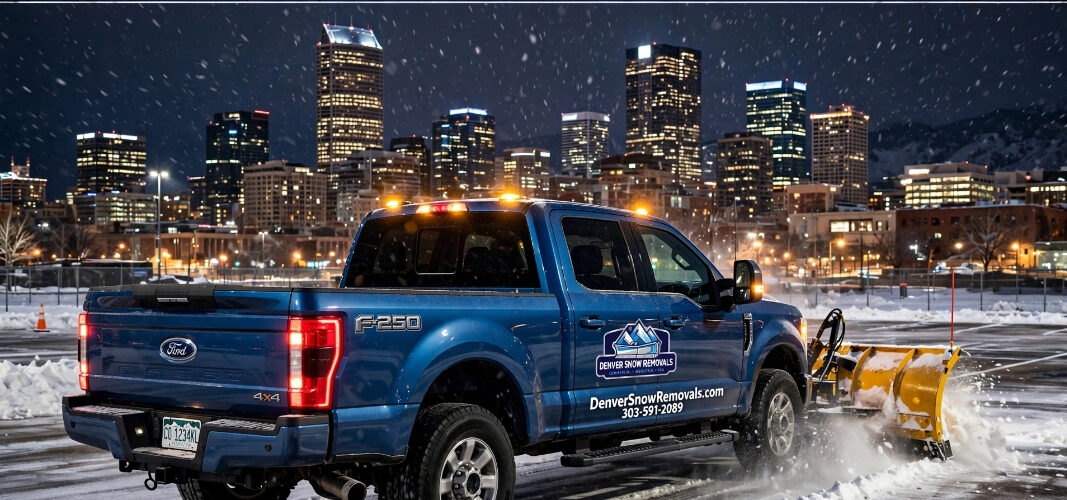
Denver property owners face a winter season unlike almost anywhere else in the country. The city’s famous freeze-thaw cycles, where temperatures swing from a sunny 60 degrees Fahrenheit down to single digits overnight, create a punishing environment for asphalt, concrete, and landscaping. Effective winter property maintenance Denver CO is not a seasonal luxury; it is a financial and legal necessity for commercial property managers, HOA boards, and residential homeowners alike. A single missed snow removal shift or a forgotten irrigation blow-out can lead to cracked pavement, burst pipes, and slip-and-fall liability that haunts you well into the summer. This guide breaks down the specific threats posed by the 2026 winter season and lays out a clear plan to protect your property from October through April.
Table of Contents
- Why Denver’s Climate Demands a Different Maintenance Strategy
- Essential Winter Property Maintenance Services for Denver Properties
- Commercial vs. Residential: Tailoring Your Winter Plan
- How Much Does Winter Property Maintenance Cost in Denver, CO? (2026 Pricing Guide)
- DIY vs. Professional Winter Maintenance: What’s Worth the Risk?
- Frequently Asked Questions About Winter Property Maintenance in Denver
- Prepare Your Denver Property for the 2026 Winter Season
Why Denver’s Climate Demands a Different Maintenance Strategy
Denver experiences more than 100 freeze-thaw cycles each year, a statistic that separates the Front Range from colder but more stable northern climates. Water seeps into microscopic cracks in asphalt and concrete during the day, then freezes and expands by roughly nine percent at night. Repeated over dozens of nights, this expansion widens hairline fractures into potholes and buckled walkways. The same cycle attacks stucco siding and fence posts, where trapped moisture freezes and spalls the surface. Property managers who ignore this pattern often face repaving costs that dwarf the price of a seasonal maintenance contract.
Residential Snow Plowing in Denver →
The region’s dry, sunny days create a second hidden danger: black ice. Snow melts under direct Colorado sun, even when air temperatures hover near freezing, then refreezes into nearly invisible sheets as soon as shadows fall or the sun drops. This cycle makes untreated parking lots and walkways especially treacherous between late afternoon and early morning. Commercial properties carry the added burden of liability exposure during these hours, particularly at building entrances and loading docks where foot traffic concentrates.
Denver’s snow season also stretches longer than many newcomers expect. The first measurable snowfall can arrive in October, and heavy, wet spring storms routinely hit in April. That compressed but extended window, roughly seven months of active monitoring, means a reactive approach to maintenance fails repeatedly. Properties need a strategy that accounts for rapid response, pre-treatment, and long-term structural protection rather than a simple shovel-and-salt routine.
Essential Winter Property Maintenance Services for Denver Properties
Snow Plowing and Ice Management
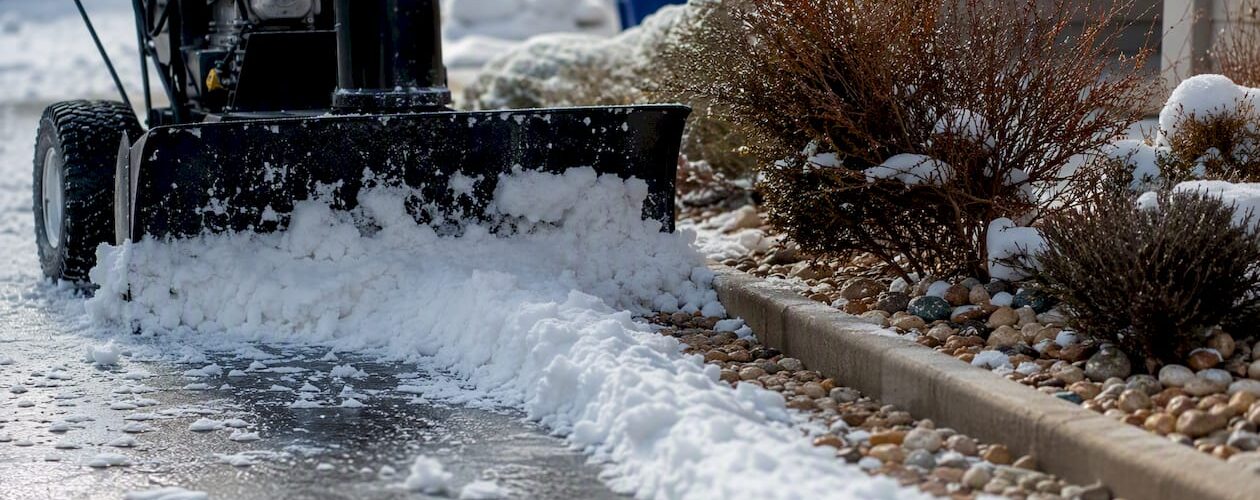
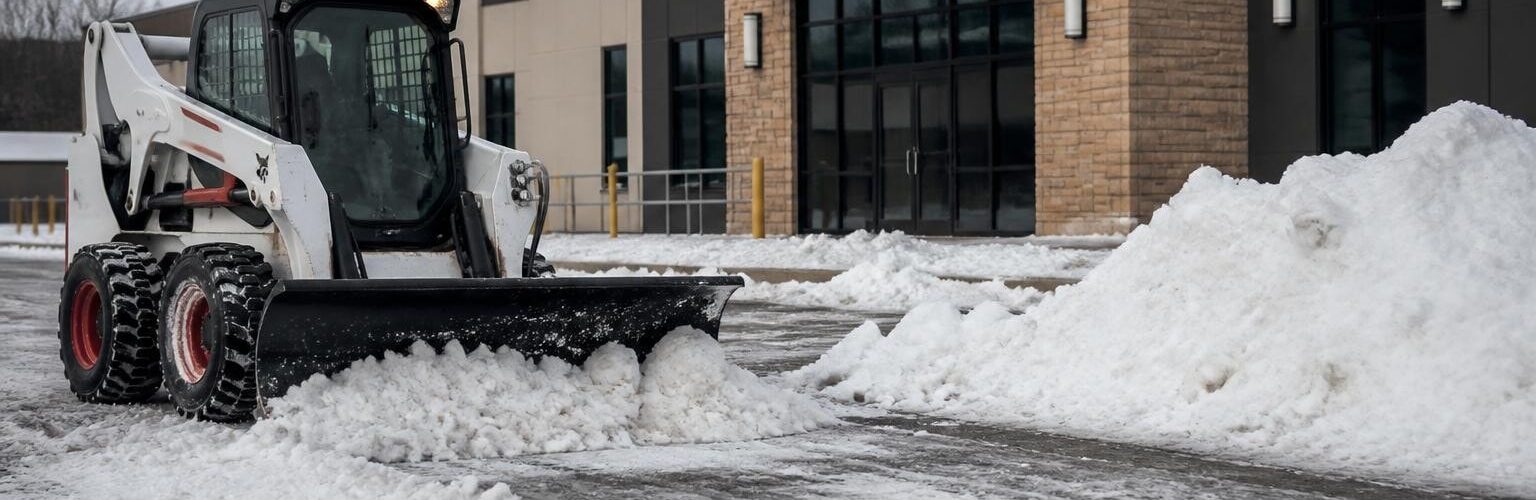
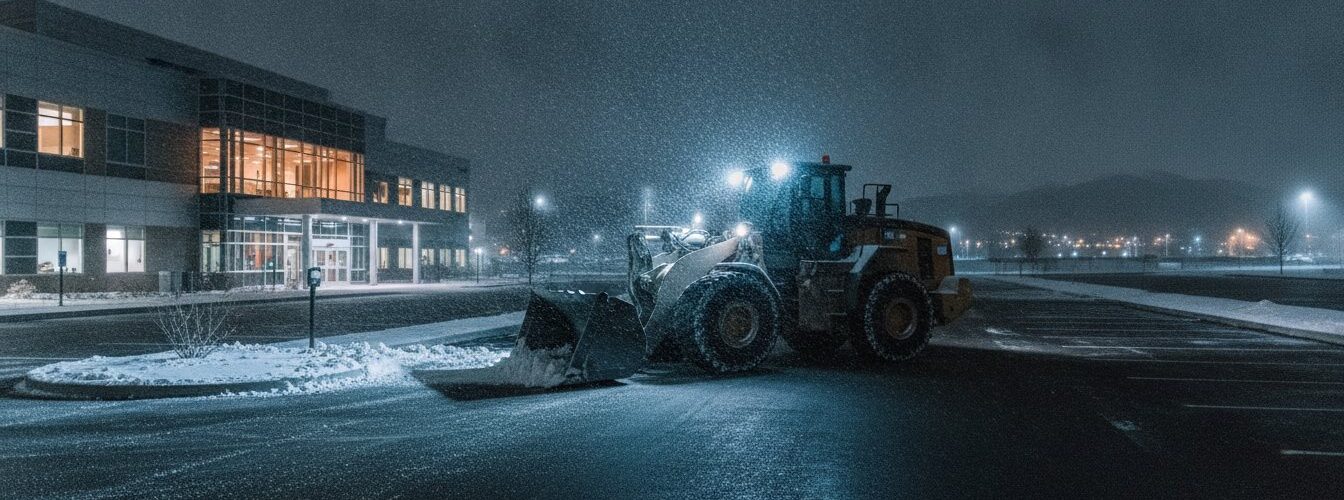
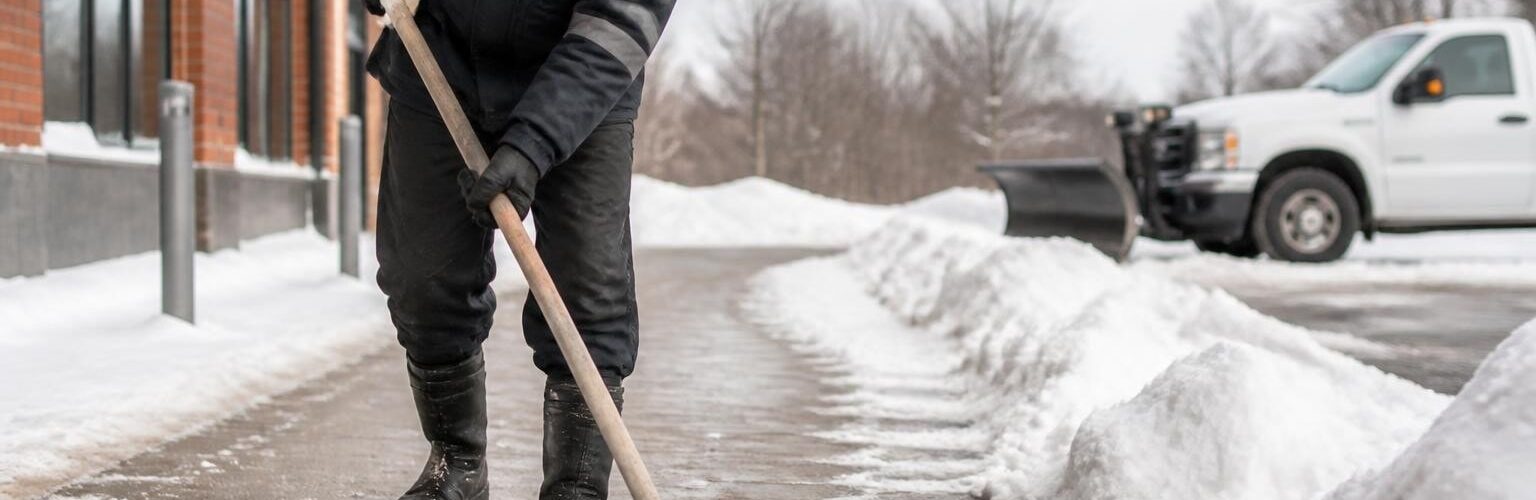
Snow removal in Denver splits into two distinct service categories, and understanding the difference determines whether your property stays safe and accessible. Commercial lot plowing involves heavy equipment, strategic stacking of snow in designated areas, and often hauling when piles obstruct sightlines or parking capacity. Residential driveway service, by contrast, requires smaller plows or blowers, precision around landscaping, and thorough walkway clearing to the front door.
See the Best Snow Plows of 2026 ❄️
A provider who excels at clearing a supermarket parking lot may not be the right fit for a narrow Cherry Creek driveway, and vice versa.
Ice management demands equal attention. Pre-treatment with liquid brine applied before a storm prevents snow from bonding to asphalt, making plowing faster and more complete. Post-storm de-icing with magnesium chloride or calcium chloride melts residual ice at lower temperatures than traditional rock salt, and these products cause less damage to concrete surfaces. Eco-friendly alternatives have also gained traction among HOAs concerned about runoff into Denver’s waterways. The 2026 season requires a clear conversation with your provider about which materials they use and why.
Contract structure matters as much as technique. Per-push billing offers flexibility during mild winters but leaves you exposed to budget-busting invoices during a series of back-to-back storms. Seasonal flat-rate contracts, often called on-call agreements, provide predictable costs and guarantee priority service when every property in the metro area needs a plow simultaneously. For commercial properties and HOAs, that priority status can mean the difference between a clear lot by 6 a.m. and a stranded workforce or a violation notice.
Irrigation Winterization (Blow-Outs)
Irrigation winterization is the single most time-sensitive task on the Denver property maintenance calendar. The process involves using compressed air to force all water out of sprinkler lines, valves, and heads before the first hard freeze. In the Denver metro area, that deadline typically falls between late October and early November. Waiting even one week too long risks water freezing inside the system, cracking PVC pipes and splitting brass valves.
The insidious nature of irrigation damage is that it rarely reveals itself immediately. A small crack from a freeze event may hold pressure during a spring startup test, only to fail in July or August when the ground shifts and the crack widens. By that point, the repair involves digging up established turf, replacing sections of line, and paying emergency service rates during peak irrigation season. Commercial properties and HOAs with large, multi-zone systems face repair bills that can run into the thousands, all from skipping a service that costs a fraction of that amount.
Winterization is non-negotiable for any Denver property with an automated sprinkler system. The equipment required, a high-CFM air compressor capable of sustaining pressure across multiple zones, is not something most homeowners or even maintenance staff keep on hand. Professional blow-out services also carry insurance for the rare case where a fitting fails under pressure, a liability you do not want to absorb personally.
Roof and Gutter Maintenance
Denver roofs face a specific winter enemy: ice dams. When heat escapes from a building’s interior, it warms the roof deck and melts the bottom layer of snow. That water runs down to the colder eaves, refreezes, and forms a ridge of ice. Subsequent meltwater backs up behind this dam, seeping under shingles and into the structure. The result is water-stained ceilings, rotted sheathing, and mold growth inside wall cavities. Properties with inadequate attic insulation or poor ventilation suffer most, and the problem compounds with each freeze-thaw cycle throughout the season.
Gutter cleaning in late fall is the first line of defense. Clogged gutters trap water and debris, accelerating ice dam formation and adding significant weight to fascia boards. Once winter sets in, icicles may look picturesque but signal that water is freezing at the roof edge rather than draining properly. A professional gutter cleaning before the first snow, followed by a mid-winter check during a warm spell, prevents most ice-related structural issues.
A roof inspection in October identifies loose shingles, cracked flashing, and worn sealant around vents and chimneys. Snow and wind exploit these weaknesses relentlessly. A small gap that seems cosmetic in autumn becomes a water intrusion point after a heavy, drifting snowfall. For commercial flat roofs, the concern shifts to drainage: standing water that freezes and thaws repeatedly degrades the membrane and can lead to catastrophic leaks during a rapid spring warm-up.
Commercial vs. Residential: Tailoring Your Winter Plan
For Property Managers and HOAs (Commercial Focus)
Commercial winter maintenance carries legal stakes that residential work does not. Slip-and-fall lawsuits in Colorado hinge on whether a property owner took reasonable steps to address known hazards. Documented service logs, including time-stamped plowing and de-icing records, provide the evidence needed to defend against claims. Many Denver property management firms now require their snow removal contractors to submit digital reports with photos after each visit, creating a defensible paper trail.
HOA compliance adds another layer of urgency. Most Denver-area HOAs mandate that walkways, fire hydrants, and common area access points be cleared within a specific window after a storm ends, often four to six hours. Missed deadlines trigger violation notices and, in some communities, fines that escalate with each subsequent storm. Board members and property managers need a provider who understands these timelines and commits to them in writing.
Seasonal contracts with flat-rate pricing offer budget predictability that per-event billing cannot match. When a three-day storm cycle hits the Front Range, a per-push agreement can generate invoices that blow through an annual maintenance budget in a single week. Flat-rate contracts, structured around average seasonal snowfall and lot size, let HOAs and commercial owners plan their finances with confidence. The trade-off is that you pay the same amount in a light winter as a heavy one, but Denver’s historical snowfall patterns make that a reasonable bet.
For Homeowners (Residential Focus)
Residential winter preparation starts with a weekend of hands-on work. Seal cracks in asphalt or concrete driveways with a flexible, cold-weather filler to prevent water intrusion and freeze damage. Insulate exposed pipes in crawl spaces and exterior walls, paying special attention to hose bibs and irrigation backflow preventers. Test carbon monoxide detectors and smoke alarms, as sealed-up homes and running furnaces increase the risk of CO buildup during winter months.
Driveway markers deserve more attention than most homeowners give them. Reflective stakes placed along the edges of the driveway and around any landscaping beds near the plow path prevent the all-too-common spring discovery of shredded turf and crushed shrubs. Snowplow operators work in low visibility, often at night, and even the most skilled driver cannot avoid what they cannot see. A $30 set of markers saves hundreds in landscape repairs.
For single-family homes, the choice between a seasonal contract and per-storm plowing comes down to your tolerance for shoveling and your schedule flexibility. A seasonal contract guarantees your driveway is clear before you leave for work, regardless of when the snow stops. Per-storm hiring works if you can wait for a provider to finish their contract clients first, which during a major storm can mean a delay of 24 hours or more. Homeowners with steep driveways, north-facing exposure, or medical conditions that make shoveling dangerous should strongly consider a seasonal agreement.
How Much Does Winter Property Maintenance Cost in Denver, CO? (2026 Pricing Guide)
Pricing transparency is scarce in the Denver property maintenance market, leaving many property owners unsure what a fair rate looks like. While every property requires a custom quote based on specific conditions, general ranges help set expectations for the 2026 season.
Commercial lot plowing typically falls between $150 and $400 per push for mid-sized lots, with seasonal contracts for a standard retail or office property running from $3,000 to $8,000 depending on lot size, number of curb cuts, and whether hauling is required. Large industrial sites or multi-building complexes can exceed $15,000 for a full-season contract. Residential driveway plowing averages $40 to $80 per visit for a standard two-car driveway, with seasonal contracts ranging from $400 to $900 for the winter.
Several factors push costs higher. Properties with tight turnaround requirements, such as medical facilities or 24-hour businesses, pay a premium for guaranteed response times. Salt and de-icer application adds material costs that fluctuate with commodity pricing. Hauling snow off-site, necessary for lots where stacking space is limited, involves trucking and disposal fees that can double the cost of a storm event. The best approach is to request quotes from at least three providers, verify that each carries adequate liability insurance, and confirm exactly what triggers a service visit under a seasonal contract.
DIY vs. Professional Winter Maintenance: What’s Worth the Risk?
Some winter maintenance tasks suit a do-it-yourself approach, and others carry consequences that make professional help the only sensible choice. Shoveling a short residential walkway, applying bagged ice melt to a front porch, and installing driveway markers are all reasonable DIY jobs for an able-bodied homeowner. These tasks require no specialized equipment and pose minimal risk when done carefully.
Professional services become essential when the scale or risk escalates. Commercial plowing requires truck-mounted plows or skid steers, equipment that costs tens of thousands of dollars and demands operator training to avoid property damage. Irrigation blow-outs need a compressor capable of delivering high volume at low pressure, the wrong machine can leave water in the lines or rupture fittings. Roof snow removal, especially on two-story homes or commercial buildings, combines fall risk with the potential for structural damage from improper technique.
The cost-benefit analysis tilts decisively toward professional contracts when liability enters the picture. A single slip-and-fall claim on an icy commercial walkway can exceed $50,000 in medical costs and legal settlements. A broken irrigation line from a botched DIY winterization can cost $2,000 or more to locate and repair. Measured against these risks, a seasonal snow removal contract or a $150 irrigation blow-out represents cheap insurance.
Frequently Asked Questions About Winter Property Maintenance in Denver
When should I winterize my sprinkler system in Denver?
Schedule your irrigation blow-out between late September and mid-October. The first hard freeze in the Denver metro area typically arrives by late October, and waiting until the forecast shows freezing temperatures often means competing with every other property owner for a limited number of technician appointments. Book early and treat the service as a fixed date on your fall calendar.
What is the best ice melt for Denver’s climate?
Magnesium chloride and calcium chloride outperform traditional rock salt in Denver’s variable winter temperatures. Both products work effectively down to well below zero degrees Fahrenheit, whereas sodium chloride loses effectiveness around 15 to 20 degrees. They also cause less scaling and spalling on concrete surfaces, an important consideration given Denver’s freeze-thaw cycling. For properties near waterways or with strict environmental guidelines, acetate-based melts offer a biodegradable alternative, though at a higher cost.
Should I sign a seasonal contract or pay per visit?
Seasonal contracts provide budget stability and guaranteed priority service, two advantages that matter most during heavy storm cycles when every plow in the city is running. If your property cannot tolerate a delay, such as a medical office, retail center, or HOA with strict compliance deadlines, a seasonal contract is the clear choice. Per-visit billing suits properties with lower urgency or those willing to accept that service may arrive hours or even a day after a storm passes.
How do I find a reliable snow removal service?
Look for providers with 24/7 dispatch capability, proof of general liability and workers’ compensation insurance, and verifiable local references in the Denver metro area. Ask about their equipment fleet: a company with multiple trucks and backup machines handles breakdowns without leaving your property unplowed. Review contracts carefully for trigger depths, the snow accumulation that initiates service, and response time commitments. A low price means nothing if the provider fails to show up during the storm that matters most.
Prepare Your Denver Property for the 2026 Winter Season
The window for winter preparation in Denver closes fast. Schedule your irrigation blow-out by mid-October, sign a snow removal contract before November 1, and walk your property now to identify cracks, drainage issues, and roof vulnerabilities that winter will exploit. Proactive maintenance costs a predictable amount and preserves your property’s value. Reactive repairs arrive at the worst possible moment and always cost more. For commercial property managers overseeing parking lots and common areas, a professional assessment now identifies risks that become expensive emergencies in January. Take action before the first freeze, and your property will weather whatever the 2026 winter season delivers.

Snow removal in Denver, Colorado