
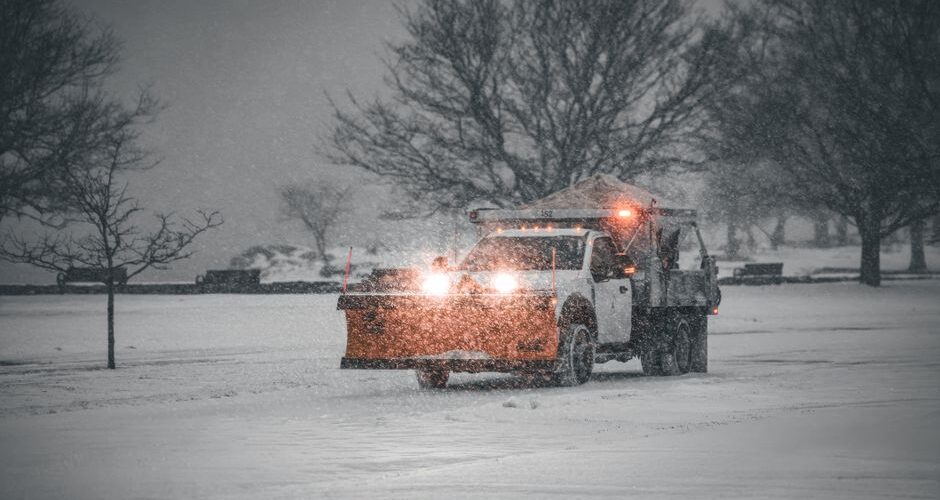
The answer is seven specific questions: photo proof, GPS tracking, W-2 crews versus subcontractors, insurance, trigger depth and sidewalks, ice melt, and backup trucks. The right Denver snow plowing company answers all seven without hesitation. Commercial parking lots and residential driveways need different strategies in Denver, and Snow removal in Denver specializing in commercial and residential snow plowing parking lots and driveway's publishes this guide from the operator's side of the contract, not the sidelines.
Table of Contents
- Why do commercial parking lots and residential driveways need different snow removal strategies in Denver?
- What should you ask a Denver snow plowing company before you sign? (the 7 questions)
- How much does snow plowing cost in Denver in 2026 — commercial lots vs. residential driveways?
- How does Denver Snow Removals answer all seven questions for commercial lots and residential driveways?
- Why does photo proof protect property managers and homeowners?
- How do Denver's public snow routes differ from private lot and driveway clearing?
- How do snow removal companies handle HOAs, business lots, and driveways differently?
- Key Takeaways
- References
Why do commercial parking lots and residential driveways need different snow removal strategies in Denver?
Commercial parking lots and residential driveways need different strategies because they carry different trigger depths, liability exposure, equipment requirements, and timing demands. A business lot with customer foot traffic cannot wait for a 4-inch accumulation. A residential driveway can.
Commercial lots typically run a 1-inch trigger with a guaranteed 2 to 6 a.m. service window, according to Denver Snow Removals. The goal is a cleared and de-iced lot before employees and customers arrive. Residential driveways can wait longer and cost less per push because the risk profile is lower.
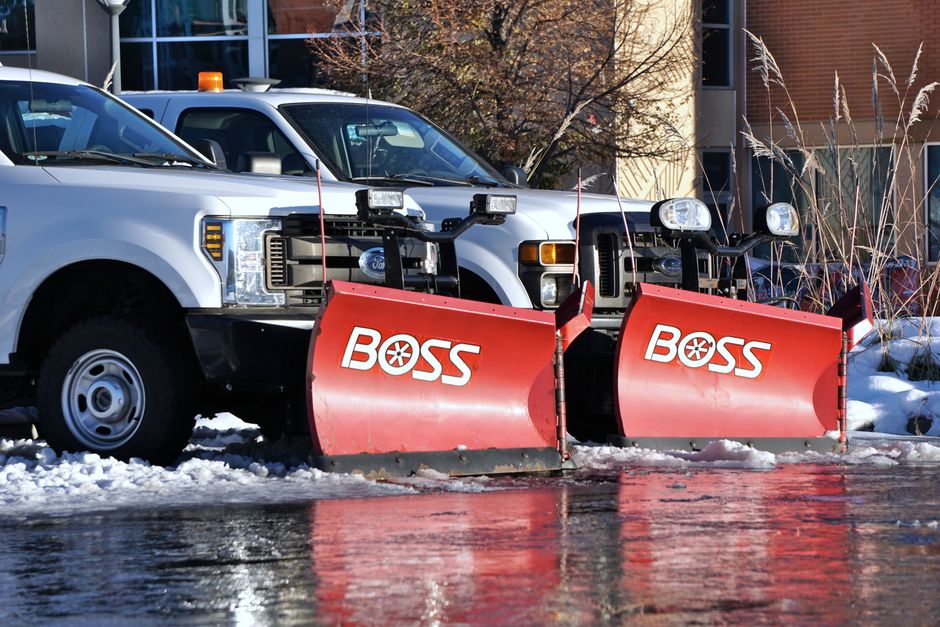
Liability is the biggest separator. A commercial property owner faces slip-and-fall exposure from customers, vendors, and employees from the moment the first flake falls. De-icing and documentation matter more on a business lot than on a home driveway, where the primary concern is vehicle access.
Equipment also differs. Large lots need loaders and end dump trucks for stacking and hauling snow out of parking areas. Residential driveways need plows sized to tight spaces, fences, and garage aprons. The same truck that clears a 50-space lot efficiently can damage a narrow driveway.
Denver-specific pressure adds another layer. City and county plows clear public arterials first, so private lots and driveways can sit buried for hours. Douglas County does not plow residential streets if officials expect the snow to melt within 48 hours, according to Highlands Ranch Snow Removal. Some Denver-area jurisdictions fine property owners who fail to clear driveways and sidewalks within 24 hours of a storm.
What should you ask a Denver snow plowing company before you sign? (the 7 questions)
Ask these seven questions before signing any Denver snow plowing contract. Each question exposes a specific risk that cheap operators hide.
Question one: Is every push time-stamped with photo proof? Photo proof documents when service happened, what depth triggered it, and what was cleared. Without it, a property manager has no paper trail if a slip-and-fall claim arrives.
Question two: Are trucks GPS tracked? GPS tracking proves the crew was on site during the contracted window. It also lets a property manager verify service without driving to the lot at 4 a.m.

Question three: Are crews W-2 employees or subcontractors? W-2 crews are trained, supervised, and accountable to the company. Subcontractors may carry their own unknown insurance gaps and scheduling conflicts.
Question four: Can they show commercial insurance? A contractor without commercial coverage leaves the property owner exposed when a customer falls on ice, according to Denver Snow Removals. Ask for a certificate of insurance naming your property.
Question five: What is the trigger depth, and are sidewalks included? A 1-inch trigger means the crew rolls before ice bonds to pavement. Sidewalks are often excluded from cheap bids, which shifts liability back to the owner.
Question six: Is ice melt included or billed extra? Ice melt is a line item on some contracts and a surprise invoice on others. Confirm whether de-icing is part of the per-push price.
Question seven: How many backup trucks are on standby? A single truck breaks down during a storm and the lot goes unplowed. Backup trucks are the difference between a cleared lot and an insurance claim.
How much does snow plowing cost in Denver in 2026 — commercial lots vs. residential driveways?
Commercial parking lot snow removal in Denver in 2026 runs from $149 per push for small lots under 20 spaces to $749 per push for large lots over 50 spaces, according to Denver Snow Removals. Medium lots of 20 to 50 spaces cost $249 to $449 per push.
Seasonal flat commercial contracts run $1,200 to $3,500 per month per lot. HOA snow removal service starts at $89 per lot. Residential driveway snow removal starts at $89 per push.
The per-push versus seasonal trade-off is straightforward. Per-push pricing is cheaper in light snow years because you pay only when service triggers. Seasonal pricing caps your budget in heavy snow years because the monthly rate stays fixed regardless of storm count.
What denvergov.org does not cover matters as much as what it does. City snow routes are public streets only. Private lots, driveways, and sidewalks are the property owner's responsibility. Douglas County plows roughly 2,400 miles of roadway with major arterials addressed first, according to Highlands Ranch Snow Removal. Private property waits.
The Highlands Ranch Metro District clears 112 miles of sidewalks, but only after three or more inches of snow has fallen and it is likely to remain on the ground for more than 24 hours, according to Highlands Ranch Snow Removal. Private sidewalks do not get that treatment. The owner clears them or faces fines in some areas.
How does Denver Snow Removals answer all seven questions for commercial lots and residential driveways?
Denver Snow Removals answers all seven questions directly. The company has operated in Denver since 1984 with 24/7 dispatch, backup trucks, and no subcontractors, according to Denver Snow Removals. Crews are W-2 employees, not independent operators.
On photo proof, every push is time-stamped and documented with photos. On GPS tracking, trucks are tracked so property managers can verify service windows. On insurance, commercial coverage is standard and documentation is available for business liability files.
On trigger depth, commercial parking lots run a 1-inch trigger with a 2 to 6 a.m. guaranteed service window. Sidewalks are included in the scope, not left as an owner responsibility. Ice melt is part of the service, not a surprise line item. Backup trucks are on standby through 24/7 dispatch.
The commercial parking lot snow removal service starts at $149 per push for small lots. The service covers lots under 20 spaces, medium lots of 20 to 50 spaces, and large lots over 50 spaces. Loaders and end dumps handle stacking and hauling when snow has nowhere left to go.
The residential driveway snow removal service starts at $89 per push. Plows sized for tight residential spaces clear driveways without damaging fences, garage aprons, or landscaping. HOA service starts at $89 per lot for common areas, sidewalks, and cluster driveways.
This is the operator's straight-talk answer to the seven questions. The company publishes the guide from the side of the contract that owns trucks, hires crews, and carries the insurance. The answers are not a sales pitch. They are the minimum standard a Denver property owner should demand.
Why does photo proof protect property managers and homeowners?
Photo proof protects property managers and homeowners because it creates a time-stamped record of what happened, when it happened, and what was cleared. If a slip-and-fall claim arrives months later, the property owner has documentation instead of a memory.
Time-stamped photos document the trigger depth at the time of service. They show whether the lot was cleared before the 6 a.m. deadline. They show whether sidewalks were included. That paper trail is what insurance carriers and attorneys ask for first.
GPS tracking plus photos proves the trigger depth was met and the service window was hit. A property manager can verify the crew was on site at 3 a.m. without leaving home. A homeowner can confirm the driveway was cleared before the morning commute.
The cheap $49-per-push operator offers no insurance, no proof, and no recourse when something goes wrong. A contractor without commercial coverage leaves the property owner exposed when a customer falls on ice, according to Denver Snow Removals. The low price disappears the first time a claim lands.
Denver Snow Removals includes time-stamped photo proof on every push, commercial and residential. The photo is not an upsell. It is the documentation that protects the property owner when the storm is over and the legal questions begin.
How do Denver’s public snow routes differ from private lot and driveway clearing?
Denver's public snow routes differ from private lot and driveway clearing in one fundamental way: public plows clear public streets, and private property is the owner's responsibility. The city does not plow your parking lot. The county does not clear your driveway.
Denver and Douglas County plow public arterials first. Residential streets may not be plowed at all if snow is expected to melt within 48 hours, according to Highlands Ranch Snow Removal. Cul-de-sacs are low priority, and Highlands Ranch alone has 700 of them.
Sidewalk clearing on public paths happens only after three or more inches of snow has fallen and only if the snow will linger more than 24 hours, according to Highlands Ranch Snow Removal. Private sidewalks are the owner's job. Fines are assessed to property owners who fail to clear snow from driveways and sidewalks within 24 hours of a snowstorm in Highlands Ranch.
Some municipal plows use GIS mapping devices to track location and provide residents estimated clearing timeframes. Castle Rock installed GIS mapping in its plows in early 2009, according to Highlands Ranch Snow Removal. Private contractors should offer the same transparency through GPS tracking and photo proof.
The average snowstorm produces roughly 25 to 50 phone calls to Douglas County, and a storm around Christmas resulted in 60 complaints, according to Highlands Ranch Snow Removal. Private snow removal exists because public plowing does not reach private property.
How do snow removal companies handle HOAs, business lots, and driveways differently?
Snow removal companies handle HOAs, business lots, and driveways differently because each property type carries different scope, liability, and contract structure.
HOA service bundles common areas, sidewalks, and cluster driveways on one contract, often seasonal. HOA snow removal service starts at $89 per lot, according to Denver Snow Removals. The HOA board gets one invoice and one point of contact for the entire community.
Business lots run a 1-inch trigger and a 2 to 6 a.m. service window. Stacking and hauling with loaders and end dumps handles snow that accumulates faster than it melts. Ice melt is included because customer foot traffic demands de-iced pavement before opening. Providence Property Maintenance serves Denver, Highlands Ranch, Broomfield, Thornton, Westminster, Golden, Lakewood, Wheat Ridge, Aurora, Littleton, and Arvada with snow trucks, front loaders, skid loaders, plows, snow blowers, and tow trucks, according to Providence Property Management.
Driveways run per-push pricing from $89 with flexible scheduling. Plow-sized equipment fits tight residential spaces. The homeowner pays only when snow triggers service.
What to confirm in each contract type: the trigger depth clause, the service window, ice melt inclusion, and cancellation terms. A contract without a trigger depth clause lets the contractor decide when to show up. A contract without a service window lets the contractor show up after the morning rush.
Key Takeaways
- Commercial parking lots in Denver typically need a 1-inch trigger and a 2 to 6 a.m. guaranteed service window, while residential driveways can run on looser timing.
- Commercial parking lot snow removal in Denver in 2026 runs from $149 per push for small lots to $749 per push for lots over 50 spaces.
- Seasonal commercial contracts run $1,200 to $3,500 per month per lot, and HOA service starts at $89 per lot.
- Residential driveway snow removal in Denver starts at $89 per push.
- Denver Snow Removals has operated in Denver since 1984 with 24/7 dispatch, backup trucks, W-2 crews, GPS tracking, and time-stamped photo proof on every push.
- A contractor without commercial insurance leaves the property owner exposed when a customer falls on ice.
- City plows handle public arterials only, and some Denver-area jurisdictions fine owners who do not clear within 24 hours.