
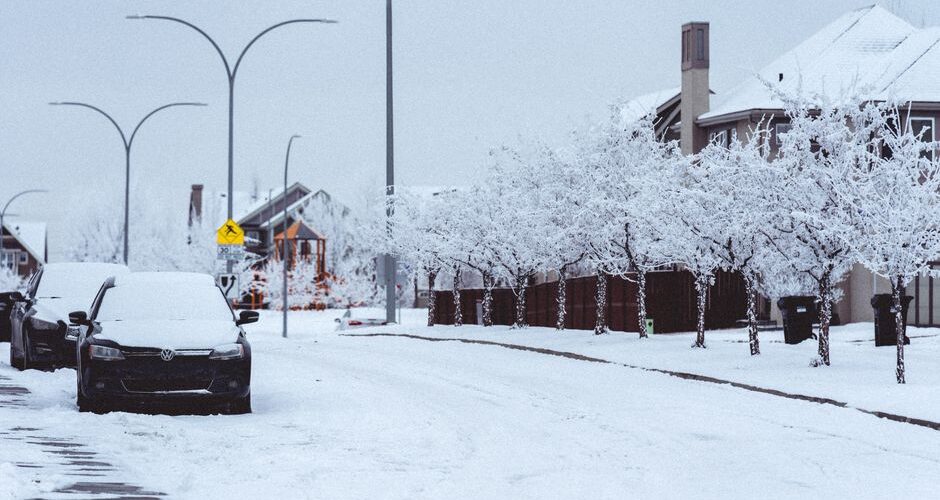
If you are searching for reliable residential snow removal Denver homeowners trust, you need a strategy that accounts for the city’s specific plow routes, sidewalk laws, and freeze-thaw cycles. Denver winters are not like winters in Boston, Minneapolis, or Seattle. The snow behaves differently, the city responds differently, and your responsibilities as a property owner come with deadlines and potential fines that catch newcomers off guard. This guide covers everything you need to know: how the city handles plowing, what the law requires of you, what private services actually cost, how to vet a contractor, and how to prepare your property before the first storm hits.
Table of Contents
- Why Denver’s Snow Is Different (And Why It Matters for Your Home)
- Denver’s Snow Removal Laws Every Homeowner Must Know (2026 Update)
- How Much Does Residential Snow Removal Cost in Denver? (2026 Pricing)
- Choosing the Right Residential Snow Removal Service in Denver
- Seasonal Preparation: How to Get Your Property Ready for Winter
- DIY vs. Hiring a Pro: Which Is Right for You?
- Special Considerations for Denver Property Types
- Frequently Asked Questions About Residential Snow Removal in Denver
- Get Reliable Residential Snow Removal Denver Homeowners Trust
Why Denver’s Snow Is Different (And Why It Matters for Your Home)
Denver sits at 5,280 feet in a semi-arid climate. The snow that falls here tends to be dry and powdery, the kind that drifts across driveways and piles up against garage doors even when the storm itself looked minor. That same dry snow compacts underfoot and under tires, turning into a hard-packed surface that standard shoveling cannot break through once the freeze-thaw cycle begins.
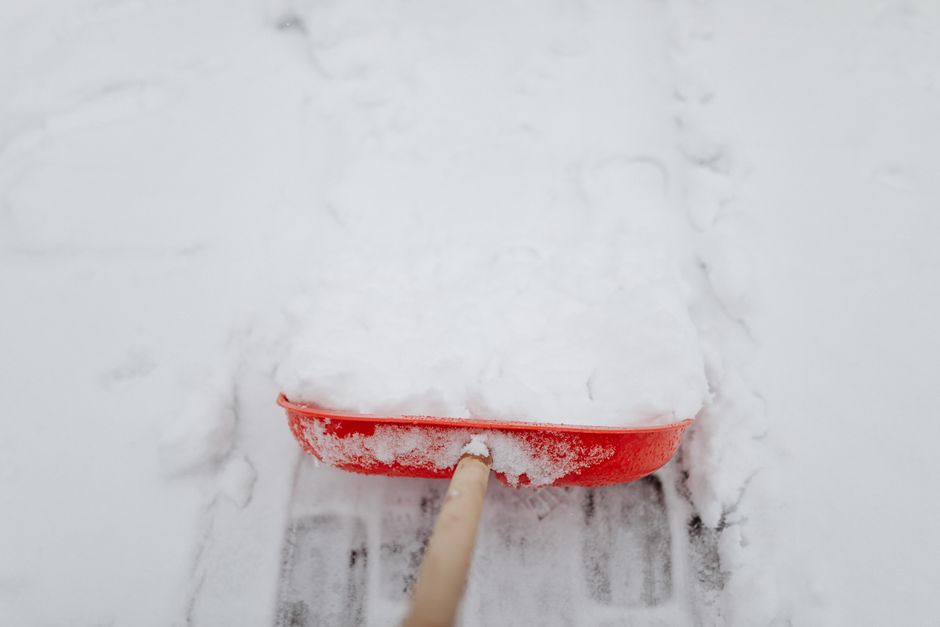
The city’s residential plow program, created after the blizzards of 2006 and 2007, sends 4×4 pickup trucks down side streets to make one center pass between 3:00 a.m. and 3:00 p.m. That single pass leaves a berm of snow at the end of your driveway and does nothing for your sidewalk, walkway, or front steps. Residential streets also receive no deicing materials. Main streets get Ice Slicer, a naturally mined deicer from Utah, and downtown areas get liquid magnesium chloride, but your side street gets nothing.
External link for Denver snow removal
See the Best Snow Plows of 2026 ❄️
Freeze-thaw cycles are the real hazard. A midday melt followed by an overnight freeze transforms slush into sheets of ice that standard rock salt struggles to penetrate. Private services address this with dedicated ice remediation treatments, often using liquid deicers that bond to the surface and prevent refreezing. Relying on the city alone leaves your property unsafe and noncompliant with local law.
Denver’s Snow Removal Laws Every Homeowner Must Know (2026 Update)
Sidewalk Clearance: The 24-Hour Rule
Denver municipal code requires property owners to clear snow and ice from adjacent sidewalks within 24 hours after snowfall ends. The clock starts when the snow stops falling, not when you wake up or get home from work. Businesses must begin clearing immediately and keep walkways passable throughout the storm.
Residential Snow Plowing in Denver →
Fines for noncompliance start at $150 per citation. The city does issue them, and complaints from neighbors are the most common trigger. Shovel snow into your yard or landscaping, never into the street. Pushing snow into the roadway creates a hazard and will earn you a separate citation. If you live on a plow route, wait until the plow passes before clearing the end of your driveway, or you will be doing the work twice.
What the City Does (and Doesn’t) Do for Your Street
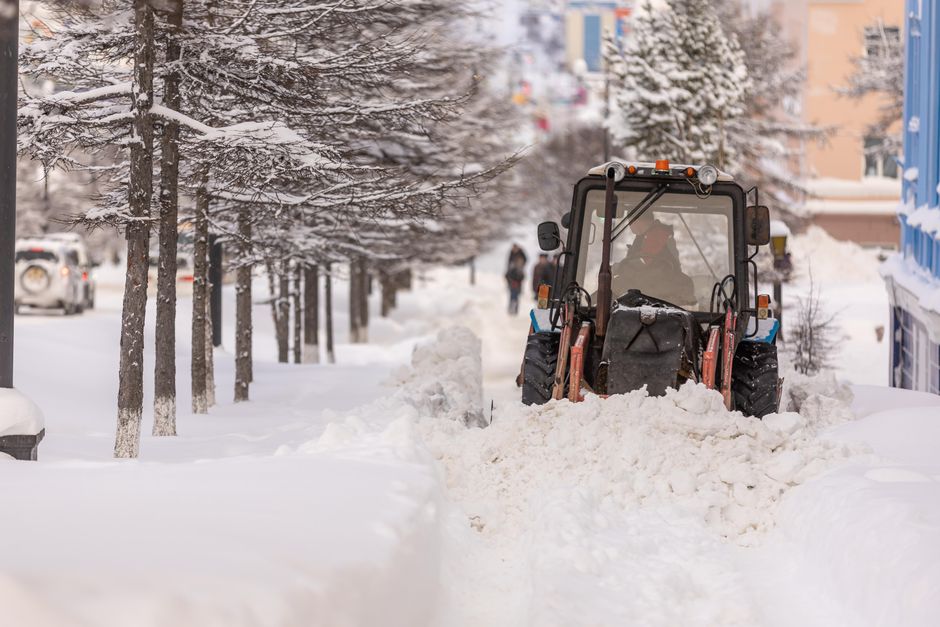
Denver DOTI deploys 70 large plows to clear roughly 2,050 lane miles of main streets. Residential streets get a separate fleet of 4×4 pickup trucks that make one pass down the center of each side street. That is the full extent of city service on residential roads. No curb-to-curb clearing, no deicing, no sidewalk work. Your driveway apron, the sidewalk in front of your house, and any walkways leading to your door are entirely your responsibility.
Liability and Slip-and-Fall Risks
Colorado premises liability law holds property owners responsible for maintaining safe conditions. If a delivery driver, mail carrier, or guest slips on an unshoveled walkway, you may be liable for medical costs, lost wages, and other damages. Homeowners insurance may cover some incidents, but a pattern of neglect can complicate claims.
Hiring a licensed and insured residential snow removal Denver contractor transfers much of that risk. Professional services carry general liability and workers’ compensation coverage, which means an accident on your property becomes their insurance issue, not yours. Always verify coverage before signing a contract. A handshake deal with a neighbor’s kid and a shovel offers no such protection.
How Much Does Residential Snow Removal Cost in Denver? (2026 Pricing)
Snow removal pricing in Denver varies by service model, property size, and storm frequency. Per-visit rates typically fall between $25 and $50, according to ProMatcher data. TaskRabbit reports an average of $44 per hour for snow removal work in the Denver metro area. A full-service package covering the front entry, sidewalk, and driveway runs around $85 per event with several local providers.
Most companies use a snowfall trigger to determine when they deploy. The common threshold is 2 inches of accumulation. If a storm drops less than that, crews may not come unless you have a specific agreement. Response times for the reputable companies follow a predictable pattern: snow that falls overnight is cleared by noon the following day, and daytime snowfall is handled within eight hours after the storm ends.
Several factors push costs higher. Long or steep driveways take more time and material. Decorative surfaces like brick pavers or stamped concrete require rubber plow blades and plastic shovels to avoid damage, which slows the work. North-facing properties hold ice for weeks after a storm and often need dedicated ice remediation, a separate service from standard plowing. Properties in HOA communities may have bundled pricing, but the scope of work needs to be spelled out clearly in the contract.
Choosing the Right Residential Snow Removal Service in Denver
What to Look for in a Contractor
Start with insurance. Any contractor working on your property should carry general liability coverage and workers’ compensation. Ask for a certificate of insurance and call the carrier to confirm the policy is active. A contractor without coverage who gets hurt on your property can file a claim against your homeowners policy.
Equipment matters more than most homeowners realize. If your property has brick pavers, stamped concrete, or decorative walkways, the contractor needs rubber plow blades and plastic shovels. Steel edges will chip and scar those surfaces on the first pass. Ask directly about their equipment policy for decorative surfaces. If they hesitate or do not have a clear answer, move on.
Ice remediation deserves its own line item. Denver’s freeze-thaw pattern means north-facing walkways and driveways can stay iced over long after the rest of the property is dry. Standard plowing removes snow but does not address bonded ice. A contractor who offers dedicated ice treatment, using liquid deicers or granular Ice Slicer on problem areas, will keep you compliant with the 24-hour sidewalk law even during extended cold snaps.
Red Flags to Avoid
Avoid any contractor who will not put the agreement in writing. A verbal promise means nothing when a 12-inch storm hits and your driveway is tenth on their list. The contract should specify the snowfall trigger, the response time window, and what happens if snow continues past the scheduled visit.
Be wary of companies that do not mention snow relocation or hauling. Denver can get storms that drop a foot or more in a single event. When snow piles up along the edges of a driveway, there is nowhere left to push it. Hauling services move that snow offsite, and you want to know whether that is included or available as an add-on before you need it.
Vague response times are another warning sign. Reputable companies commit to specific windows: midnight snow cleared by noon, daytime snow cleared within eight hours. A contractor who says they will get there when they can is not running a professional operation.
Questions to Ask Before Signing
Ask whether they offer seasonal contracts or per-visit pricing. Seasonal contracts lock in a rate for the entire winter and guarantee priority service, but you pay whether it snows twice or twenty times. Per-visit pricing costs more per event but makes sense in lighter winters.
Ask what happens if snow continues past their scheduled visit. A good contractor will have a policy for return visits during extended storms, typically included in the per-event price if accumulation exceeds a certain threshold.
Ask explicitly about sidewalk compliance with Denver’s 24-hour law. Will they return to treat ice if the walkway refreezes? Is ice remediation part of the standard service or a separate charge? Get the answers in writing.
Seasonal Preparation: How to Get Your Property Ready for Winter
The best time to prepare for snow removal is October, before the first storm hits. Start by marking your driveway boundaries with reflective stakes. Plow drivers need visible guides to avoid tearing up your lawn or landscaping, especially early in the season when the ground is not yet frozen and grass is still visible.
Stock deicer before you need it. Hardware stores sell out during the first storm of the year. Choose a product labeled as pet-safe or plant-safe if you have animals or valued landscaping near walkways. Keep a bucket by the front and back doors so you can treat steps immediately after shoveling.
If you handle snow removal yourself, service your snow blower in October. Check the shear pins, replace the spark plug if it has been more than two seasons, and verify that the auger and impeller are clear of debris. A snow blower that will not start during the first storm is a Denver cliché for a reason.
Clear your gutters before winter sets in. Clogged gutters trap melting snow against the roofline, where it refreezes and forms ice dams. Ice dams can tear off gutters, lift shingles, and send water into your attic. North-facing rooflines are especially vulnerable. Deicing cable installation along the eaves is a worthwhile investment for homes with a history of ice dam problems.
DIY vs. Hiring a Pro: Which Is Right for You?
When DIY Makes Sense
Handling your own snow removal works for small driveways that fit one or two cars and short, straight walkways. If you are physically able, own a reliable snow blower, and have a flexible schedule that lets you clear snow before it compacts, DIY is a reasonable choice. Properties with plain concrete surfaces and no drainage issues are the simplest to maintain yourself.
When to Hire a Professional
Hire a pro if your driveway is large, steep, or accommodates multiple vehicles. Brick pavers, stamped concrete, and heated walkways all require specialized equipment and techniques that make professional service the safer financial decision. If you travel frequently for work or have an unpredictable schedule, a seasonal contract ensures your property stays compliant even when you are out of town. Homeowners over 55 or anyone with back, knee, or heart concerns should avoid the physical strain. Wet Denver snow can be surprisingly heavy, and the ergonomic risk of shoveling is well documented.
DIY Best Practices (If You Go That Route)
Shovel early and often during a storm. Denver snow compacts quickly under its own weight and becomes exponentially harder to move. Two passes during a long storm take less total effort than one pass after it ends.
Lift with your legs, not your back. Keep the shovel load small and push snow to the edge of the driveway rather than throwing it whenever possible. A push-style shovel with an ergonomic handle reduces strain significantly.
Apply deicer before the storm starts. Anti-icing prevents snow from bonding to the pavement and makes shoveling far easier. A thin layer of liquid or granular deicer applied to dry pavement ahead of the storm is more effective than the same product applied on top of packed snow afterward.
Special Considerations for Denver Property Types
HOAs and condo associations need to verify that their snow removal contracts cover sidewalk compliance and ice remediation for all common areas. The city fines the property owner, not the contractor, and many HOA agreements leave gaps that become expensive after a heavy winter.
Landlords of multi-unit dwellings are legally responsible for walkways, stairs, and parking areas. Leases should spell out snow removal duties clearly, but the ultimate liability rests with the property owner. A tenant who agrees to shovel and then fails to do so still leaves the landlord facing fines and slip-and-fall claims.
Homes with decorative surfaces need contractors who use rubber plow blades and plastic shovels. Brick pavers, stamped concrete, and exposed aggregate all chip and scar under steel edges. The repair costs for a damaged decorative driveway far exceed a full season of professional snow removal.
North-facing properties in Denver hold ice longer than any other exposure. Budget for dedicated ice remediation services if your front walk or driveway faces north. These areas may need treatment multiple times between storms to stay compliant with the 24-hour sidewalk law.
Frequently Asked Questions About Residential Snow Removal in Denver
What are the snow removal laws in Colorado? Property owners must clear snow and ice from adjacent sidewalks within 24 hours after snowfall ends. Shovel snow into your yard, not into the street. Fines in Denver start at $150 for noncompliance.
How much does residential snow removal cost in Denver? Per-visit rates range from $25 to $50, with full-service packages around $85 per event. Hourly rates average $44. Seasonal contracts offer lower per-event costs for frequent-service winters.
Does the city plow residential streets? Yes, Denver DOTI makes one center pass on residential streets using 4×4 pickup trucks between 3:00 a.m. and 3:00 p.m. No deicing materials are applied to side streets, and driveways and sidewalks are not cleared.
When should I hire a snow removal service? Book before the first snowfall, ideally in October. Many companies fill their seasonal contract slots early, and per-visit availability becomes unpredictable once storms begin.
Is ice remediation included in standard snow removal? Not always. Ask specifically whether the contractor treats north-facing areas and walkways for bonded ice, and whether that service is included in the base price or billed separately.
Get Reliable Residential Snow Removal Denver Homeowners Trust
Denver winters reward preparation and punish procrastination. Know the 24-hour sidewalk law, understand what the city does and does not plow, and decide early whether DIY or professional service fits your property and schedule. The contractors who do this work well book their seasonal routes in October, and waiting until the first storm means competing with every other homeowner who did the same.
Whether you need per-visit service, a full seasonal contract, or specialized ice remediation for a north-facing property, the right residential snow removal Denver provider keeps your walkways clear, your property compliant, and your liability minimized. Contact us for a free quote on seasonal or per-visit residential snow removal services. We cover all property types, including homes with decorative surfaces and HOA communities.