

Denver County snow removal runs on a split system. The City and County of Denver plows residential streets only between 3:00 a.m. and 3:00 p.m. and makes a single pass when deployed, according to the City and County of Denver. Private contractors handle driveways, parking lots, sidewalks, and walkways on a before, during, and after storm schedule. Denver Snow Removal, the publisher of this guide at denversnowremovals.com, is a Denver County contractor with 30+ years of local experience serving residential and commercial properties, reachable 24/7 at 303-573-6666.
Table of Contents
- What does Denver County snow removal actually cover — residential vs. commercial?
- How much does snow removal cost in Denver, and what pricing models exist?
- Which Denver County neighborhoods and ZIP codes do snow removal crews serve?
- How do commercial property owners prevent slip-and-fall liability in Denver?
- What ice melt, salt, and sand products are safe for Denver driveways and lots?
- How do Denver snow removal companies handle scheduling during a major storm?
- Why choose a Denver County snow removal contractor with 30+ years of local experience?
- What do customers ask most about Denver snow removal?
- Key Takeaways
- References
What does Denver County snow removal actually cover — residential vs. commercial?
Residential snow removal in Denver covers driveways, walkways, sidewalks, and driveway reflectors that mark edges to protect turf and concrete from plow damage. Commercial snow removal covers parking lots, sidewalks, entryways, and loading zones cleared before business hours. The two categories share one operational model: before, during, and after storm service.

The before phase includes pre-salting before ice events so surfaces do not bond with ice. The during phase involves return visits during steady snowfall to keep accumulation below a safe threshold. The after phase is the final cleanup pass that clears the remaining snow and applies traction material. This schedule is the standard for private providers, according to Zenith Services.
The City of Denver's residential plow program is limited in scope. Residential street plowing occurs between 3:00 a.m. and 3:00 p.m., and deployed plows take one pass down the street, according to the City and County of Denver. That single pass does not clear driveways, sidewalks, or parking lots. Most properties still need a private provider for anything beyond the street itself, which is why Denver snow removal services remain in demand across the county.
How much does snow removal cost in Denver, and what pricing models exist?
Denver snow removal pricing falls into three standard models: per-visit fees, annual seasonal contracts, and custom pricing for larger commercial lots. Per-visit fees work for property owners who want service only when a storm hits. Annual contracts lock in a rate before winter and guarantee dispatch priority. Custom pricing applies to commercial parking lots where square footage, return visits, and ice melt volume vary widely.
What drives the price is measurable: lot square footage, driveway length, sidewalk linear feet, the number of return visits during a storm, and the volume of ice melt applied. A larger commercial lot with long sidewalks and multiple entryways costs more than a short residential driveway. Return visits during steady snowfall add labor and material costs, which is why contracts specify how many visits are included.
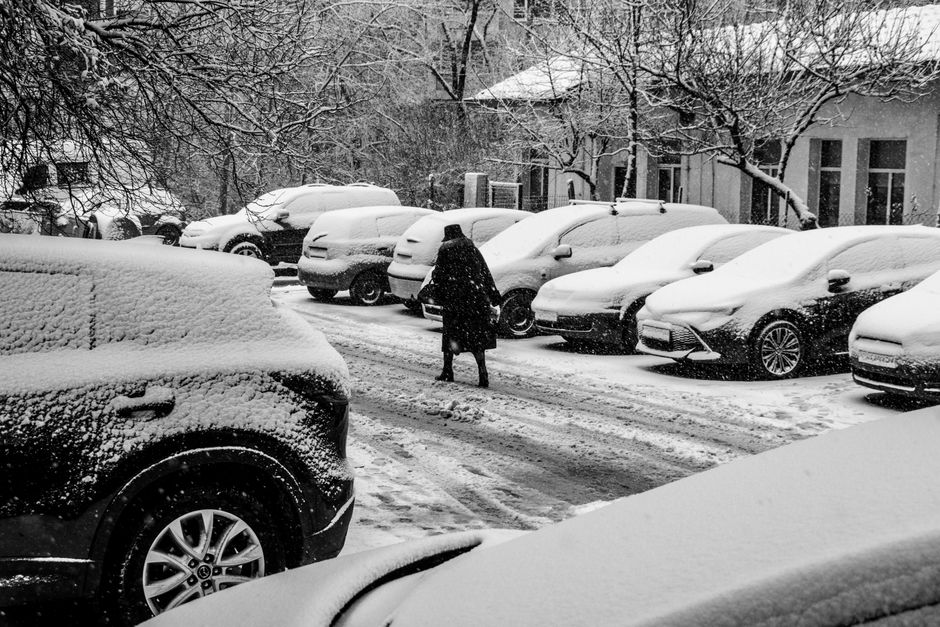
As a general market reference point, Taskers in Denver charge an average of $44 per hour for snow removal services, according to TaskRabbit. That hourly figure is useful for comparing against flat per-visit or seasonal pricing. Hourly rates do not always include ice melt, equipment, or dispatch coordination.
Seasonal contracts lock in a rate before winter, which protects property owners from storm-surge pricing. Commercial clients are advised to arrange snow removal from late summer through autumn, before winter begins, according to Zenith Services. Custom quotes are standard for commercial parking lots because no two lots have the same layout, drainage, or liability exposure.
Which Denver County neighborhoods and ZIP codes do snow removal crews serve?
Denver County snow removal crews serve the neighborhoods and ZIP codes inside Denver County only. The covered neighborhoods include Downtown Denver, Capitol Hill, Cherry Creek, Washington Park, Highlands, Sloan's Lake, Berkeley, Central Park/Stapleton, Lowry, Hilltop, Baker, and City Park. The covered ZIP codes are 80202, 80203, 80204, 80205, 80206, 80210, 80211, 80218, 80220, 80224, and 80230.
Staying inside Denver County matters for response time. A crew that works the same street grids every storm knows which intersections drift, which alleys narrow, and which commercial lots need priority clearing. Tighter dispatch windows mean faster arrival during a storm, which is the entire point of snow removal.
The City and County of Denver runs its own residential plow program on a fixed schedule, according to the City and County of Denver. Suburban cities outside Denver County are handled by separate jurisdictions with their own plow rules and schedules. A Denver County contractor is not dispatching across municipal lines, which keeps service consistent with Denver's street grid and storm response patterns. Local Denver snow removal providers list their service areas by neighborhood for this reason.
How do commercial property owners prevent slip-and-fall liability in Denver?
Commercial property owners prevent slip-and-fall liability in Denver through parking lot sanding and de-icing, which are the core defense against slip-and-fall claims. A cleared but icy lot is still a liability. Sanding provides traction on packed snow, while de-icing products break the bond between ice and pavement. Both are documented as part of a service record.
Pre-salting before ice events is the first documented step. Applying ice melt before a storm prevents ice from bonding to the surface, which makes post-storm clearing faster. Return visits during steady snowfall keep accumulation below a threshold where slipping becomes likely. These visits create a service log that shows a property owner took reasonable action.
Sidewalk and entryway clearing are part of the same liability picture, not a separate task. A business that clears its parking lot but leaves its sidewalk icy has not addressed the full risk. Commercial snow removal providers treat the entire property as one liability surface, according to JLS.
Material choice matters for concrete condition. All ice melt products increase the number of freeze-thaw cycles, which can stress concrete over time, according to Denver Sprinkler and Landscape. Commercial property owners should select de-icing materials based on the age and condition of their concrete, not just melting performance. Zenith Services notes that commercial snow management is a documented, scheduled service, not an ad-hoc response.
What ice melt, salt, and sand products are safe for Denver driveways and lots?
Salt and sand serve different purposes on Denver driveways and parking lots. Salt and ice melt products lower the freezing point of water and break the bond between ice and pavement. Sand provides traction but does not melt ice. Most Denver properties use a combination: ice melt on walkways and entryways, sand on parking lot driving lanes where traction matters more than melting.
Some deicing materials should not be used on concrete that has cured less than one full year, according to Denver Sprinkler and Landscape. New concrete is still hydrating and is more vulnerable to freeze-thaw damage. Applying ice melt too early can cause surface spalling and scaling. Property owners with new driveways or recently poured commercial concrete should confirm the cure date before allowing any de-icing product.
Rubber plow blades and plastic shovels protect decorative concrete and brick pavers from gouging, according to Denver Sprinkler and Landscape. Steel blades can scrape and chip stamped concrete, exposed aggregate, and paver edges. A contractor that uses rubber edges on decorative surfaces is preventing damage that would cost more than the snow removal itself.
Driveway reflectors are a low-cost way to mark edges and prevent plow damage before the season starts. Reflectors show plow operators where the pavement ends and the turf or landscaping begins. Installing them in late fall, before the first storm, reduces the chance of a plow drifting onto grass or clipping a concrete edge.
How do Denver snow removal companies handle scheduling during a major storm?
Denver snow removal companies handle major storms through automatic dispatch of plows and shovel crews, not customer-initiated callouts. When a storm is forecast, crews are staged and routes are assigned before snow accumulates. The dispatch system triggers service based on snowfall thresholds, not phone calls.
Prioritization follows a liability-first order. Commercial lots and sidewalks are cleared first because businesses face slip-and-fall exposure the moment they open. Residential driveways and walkways follow. This order is standard across commercial providers, according to Zenith Services.
Return visits during steady snowfall keep lots from accumulating past a safe threshold. A single pass at the end of a 12-hour storm leaves a lot buried for most of the day. Scheduled return visits keep the surface usable throughout the event. The City of Denver's residential plow program operates on a different model: plowing occurs between 3:00 a.m. and 3:00 p.m. with a single pass, according to the City and County of Denver.
Commercial clients are advised to arrange snow removal from late summer through autumn, before winter begins, according to Zenith Services. Waiting until the first storm means competing with every other property owner for a limited number of contracted spots.
Why choose a Denver County snow removal contractor with 30+ years of local experience?
Denver Snow Removal, the publisher of this guide at denversnowremovals.com, is a Denver County contractor handling commercial and residential snow plowing for parking lots and driveways. The company's 30+ years of local experience means its crews know Denver County's street grids, storm patterns, and the specific liability pressures on Denver businesses. The 24/7 dispatch line is 303-573-6666, and free quotes are available at denversnowremovals.com.
Denver County-only coverage is the differentiator against out-of-county operators. A contractor that also serves distant suburbs splits its dispatch resources across a wider area. A Denver County-only contractor keeps trucks and crews inside the county, which shortens response time during a storm. The company states that automatic dispatch of plows and shovel crews is standard, with pride in the work as the operating standard.
Long-tenured Denver providers have operated in this market for decades, which is the local benchmark for reliability. SaBell's, for example, has provided snow removal, snow plowing, and ice removal services to the Denver metro area since 1973, according to SaBell's. Customer discussions on Reddit show that Denver residents value providers who show up reliably and communicate clearly. Some commercial providers also hold CSP certification for snow removal, according to JLS.
What do customers ask most about Denver snow removal?
Customers most often ask about average cost, how many inches Denver got in a given storm, and the longest Denver has gone without snow. Average cost depends on the pricing model: per-visit, seasonal contract, or custom commercial quote. Taskers in Denver charge an average of $44 per hour as a market reference, according to TaskRabbit.
Reviews reveal whether a provider shows up on time, communicates during storms, and clears surfaces completely. Denver customers discussing providers on Reddit focus on reliability and responsiveness. Denver snow removal listings show the range of local options. CSP-certified commercial snow removal is a credential some Denver providers hold, according to JLS.
Key Takeaways
- Denver residential street plowing only happens between 3:00 a.m. and 3:00 p.m., and deployed plows make one pass down the street.
- Private snow removal in Denver covers what the city does not: driveways, walkways, sidewalks, and commercial parking lots.
- Per-visit fees, annual contracts, and custom pricing are the three standard pricing models for Denver snow removal.
- Taskers in Denver charge an average of $44 per hour for snow removal, a useful market reference for hourly comparisons.
- Parking lot sanding and de-icing are the primary defenses against slip-and-fall liability on commercial property.
- Some ice melt products should not be used on concrete cured less than one year, and all ice melt increases freeze-thaw cycles.
- Commercial snow removal in Denver is best arranged from late summer through autumn, before winter begins.
References
- Snow Removal – City and County of Denver
- THE BEST 10 SNOW REMOVAL IN DENVER, CO – Yelp
- Snow Removal Denver – SaBell's
- Denver Snow Removal Services – Denver Sprinkler and Landscape
- Snow Shovel Service Recommendations – Reddit
- Snow Removal Services Near Denver – TaskRabbit
- Snow Removal Companies Denver CO – JLS
- Commercial Snow Removal & Ice Management in Denver, CO – Zenith Services