
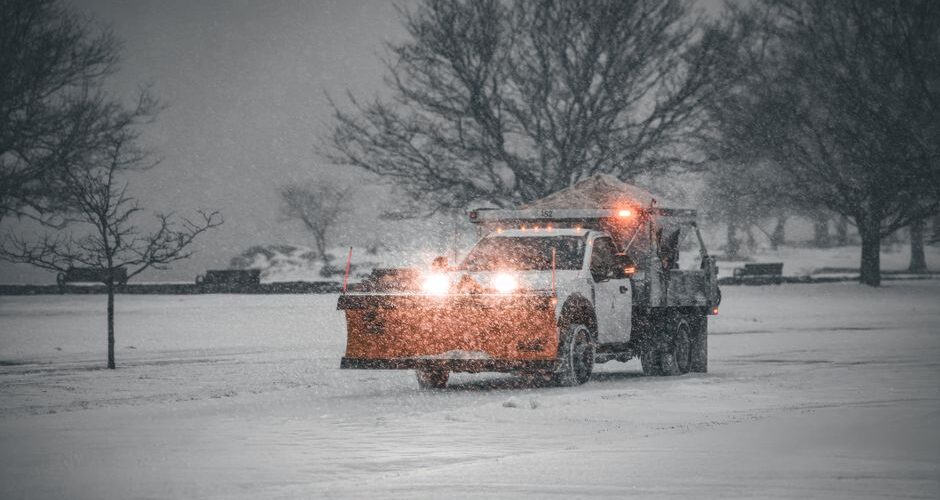
Emergency snow removal in Denver means hiring a 24/7 private plow service for parking lots, driveways, and sidewalks, because the city only plows main streets and residential side streets, never private property. Denver property owners are legally required to clear sidewalks themselves, so an emergency call is often about avoiding fines and liability, not just convenience.
Table of Contents
- What counts as emergency snow removal in Denver?
- What are Denver's sidewalk shoveling rules and fines?
- What happens if someone slips on an unshoveled sidewalk or lot in Denver?
- How does the City of Denver handle snow, and what does it leave to you?
- How fast can a private crew clear my parking lot or driveway?
- What should I ask a Denver snow removal company before I hire them?
- Do other Denver metro cities have different snow rules?
- Who can help if I can't shovel my own sidewalk in Denver?
- Key Takeaways
- References
What counts as emergency snow removal in Denver?
Emergency snow removal in Denver is on-call, 24/7 plowing and de-icing for private property, including commercial parking lots, driveways, and sidewalks. The service fills a gap the city does not cover. Denver's Department of Transportation and Infrastructure, or DOTI, plows about 2,050 lane miles of main streets using 70 large plows, according to the City and County of Denver. The Residential Snow Plow Program makes one center pass on about 1,260 lane miles of side streets between 3:00 a.m. and 3:00 p.m.
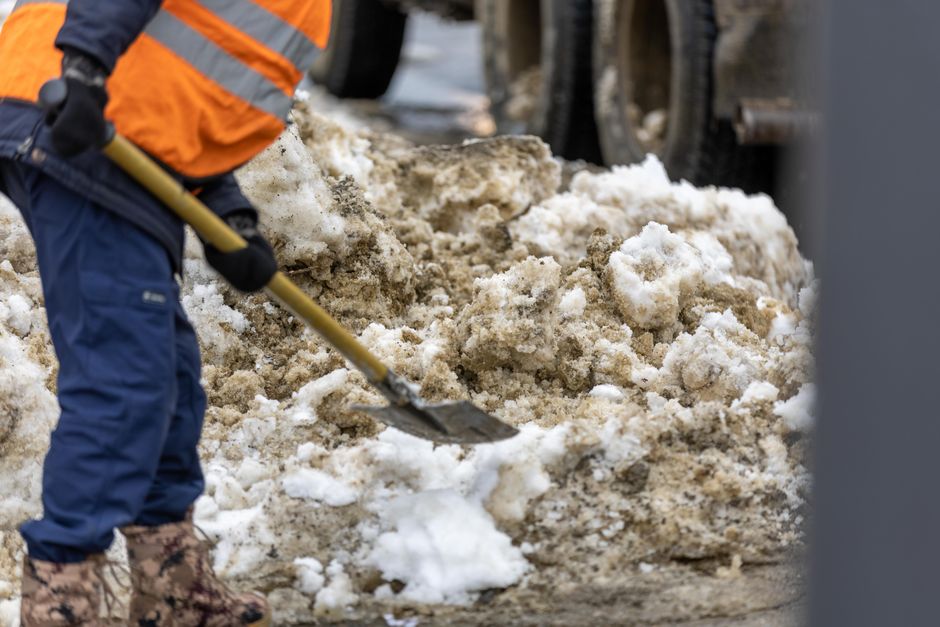
Residential streets in Denver receive no de-icing materials at all, according to the City and County of Denver. Packed ice on side streets and private lots is therefore the property owner's problem. In practice, "emergency" typically means a storm that exceeds a property's normal service schedule or hits outside contracted hours. Denver Snow Removals states its equipment is on standby from September to May for exactly this reason.
What are Denver’s sidewalk shoveling rules and fines?
Denver requires property owners to clear snow and ice from sidewalks, including adjacent ADA ramps and bus stops, according to the City and County of Denver. Businesses need to begin clearing their sidewalks immediately after snow has stopped falling. Residences have until the next day.
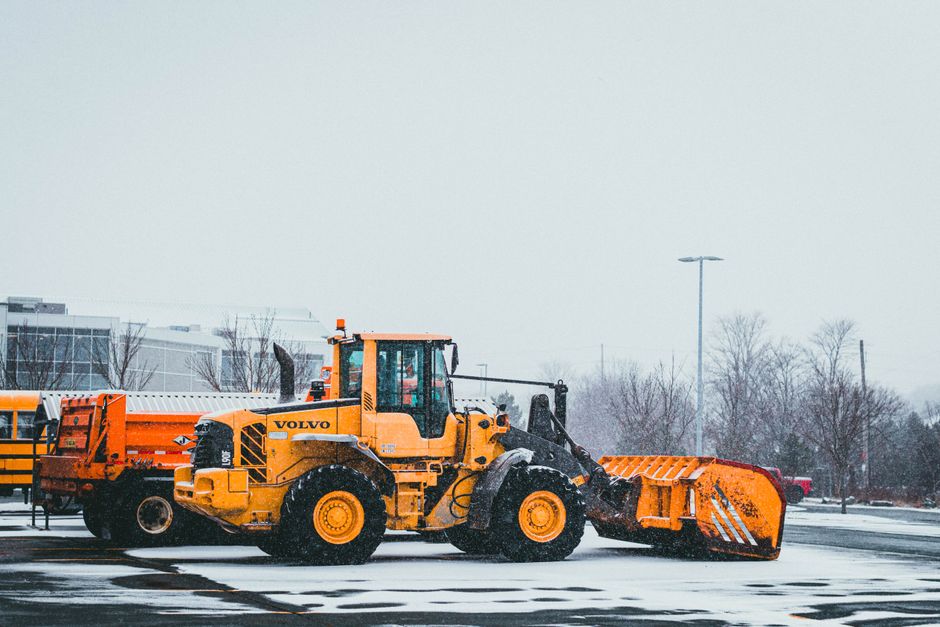
Denver inspectors first leave time-stamped notices at properties with unshoveled sidewalks, according to Denver7. After a notice is left, businesses have 4 hours to clean the sidewalk before an inspector issues a $150 fine. Residences have 24 hours after the notice before the same $150 fine applies. If a sidewalk is still unshoveled 24 hours after snow has fallen, the city urges people to call 311 to report the address.
What happens if someone slips on an unshoveled sidewalk or lot in Denver?
A slip-and-fall injury on an uncleared sidewalk or parking lot can lead to a premises liability claim against the property owner. The city fine is separate from civil liability. The legal duty to clear sidewalks, ADA ramps, and bus stops sits with the property owner, not the city, according to the City and County of Denver.
The compliance clock creates exposure. Businesses must begin clearing immediately after snow stops, and residences by the next day. Documented, prompt clearing is the main protection against both fines and injury claims. That is why 24/7 service matters during back-to-back storms, when a property can fall behind the city's clearing deadlines within hours. Time-stamped service records help establish that a property owner met the duty to clear, according to Denver7.
How does the City of Denver handle snow, and what does it leave to you?
The City of Denver handles snow on public streets through DOTI, which runs emergency snow response for main streets using 70 large plows across roughly 2,050 lane miles, according to the City and County of Denver. Denver uses Ice Slicer, a naturally mined solid deicer from Utah that is more than 90 percent chloride salts. The red color of Ice Slicer comes from 60 trace minerals naturally found in the deicer.
Downtown streets get a liquid deicer called liquid magnesium chloride. The Residential Snow Plow Program, created during the blizzards of 2006-07, covers about 1,260 center lane miles with one pass per side street and no de-icing materials. Protected bikeways are targeted at least once every 24 hours. Off-street trails with more than one inch of snow are plowed within 12 hours after snowfall ends. Private parking lots, driveways, and sidewalks are outside all of these routes.
How fast can a private crew clear my parking lot or driveway?
A private crew can clear a parking lot or driveway faster when equipment is already staged and ready before the storm starts, rather than called in after snow begins falling. Snow removal in Denver specializing in commercial and residential snow plowing parking lots and driveway's, operating as Denver Snow Removals, states it has over 47 years of experience and runs a fleet of newer Chevy 2500HD trucks with commercial plows, skid steers, and de-icing equipment. The company states its equipment is on standby from September to May, with seasonal contracts running the same window.
The typical commercial priority order is lot entrances and drive lanes first, then parking stalls, then sidewalks and ADA ramps to meet the city's clearing rules. Residential driveways need separate scheduling from commercial lots because residential driveways are not part of any city route, according to the City and County of Denver. A property with both a lot and a driveway needs a crew that treats them as distinct service areas.
What should I ask a Denver snow removal company before I hire them?
Ask a Denver snow removal company to confirm true 24/7 emergency availability, not just next-business-day service. CoCal Landscape, for example, advertises 24/7 emergency snow removal and over 30 years in the market, according to CoCal Landscape. Ask about de-icing materials and whether the crew treats ice, not just pushes snow, since the city leaves residential streets untreated.
Ask who handles sidewalk clearing and whether ADA ramps and bus stops are included, since those are the property owner's legal responsibility, according to the City and County of Denver. Get the contract window in writing. Seasonal agreements commonly run September through May, according to Denver Snow Removals. Ask how the company documents service, since time-stamped records help if a fine or injury claim arises, according to Denver7.
Do other Denver metro cities have different snow rules?
Yes, other Denver metro cities have different snow rules. Littleton gives residents "a reasonable amount of time" after snow stops to remove snow from sidewalks, according to Denver7. Littleton can impose a $300 fine on a person convicted of violating its sidewalk code.
Aurora requires residents and property owners to remove snow and ice from sidewalks within 24 hours after snow ends. In a city-declared snow emergency, Aurora extends the deadline to 48 hours. Aurora can charge $25 for a single-family residence and $50 for other structures after 24 hours. Rules vary by municipality, so a company serving the metro must know each city's clock and fee schedule.
Who can help if I can’t shovel my own sidewalk in Denver?
Denver's Snow Angel program assists older residents and disabled people who need help clearing sidewalks, according to Denver7. Snow Angels can be reached at 720-913-SNOW (7669) or snowangels@denvergov.org. Residents can also dial 311 to report ice accumulation on streets.
The Snow Angel program is volunteer-based help for individuals. Emergency snow removal for a business or rental property is a hired service, not a city program. A property owner with a commercial lot, a driveway, or multiple sidewalk frontages needs a contracted crew that can respond during and after a storm.
Key Takeaways
- Denver's city plows cover main streets and make one center pass on residential side streets, but never clear private parking lots or driveways.
- Residential streets in Denver receive no de-icing materials, so ice control on side streets and private property is the owner's responsibility.
- Denver businesses must begin clearing sidewalks immediately after snow stops, and residences by the next day.
- After a time-stamped notice, Denver businesses have 4 hours and residences 24 hours to clear sidewalks before a $150 fine.
- Ice Slicer, Denver's solid deicer, is more than 90 percent chloride salts and gets its red color from 60 trace minerals.
- Littleton can fine up to $300 for sidewalk code violations, while Aurora charges $25 for single-family homes and $50 for other structures after 24 hours.
- Denver's Snow Angel program at 720-913-SNOW helps older and disabled residents clear sidewalks.