
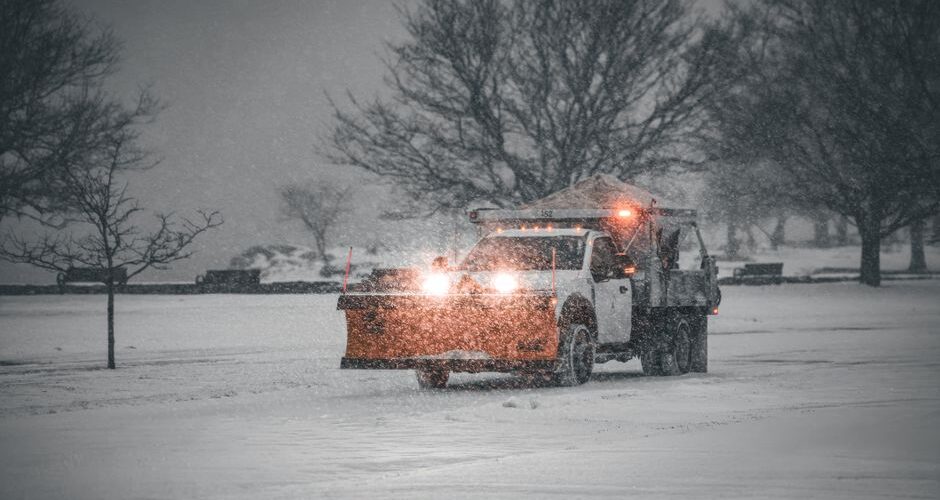
Emergency snow removal in Denver is an on-call, storm-triggered service distinct from a seasonal contract, and 2026 pricing in Denver County generally runs higher than contracted rates because of after-hours dispatch, priority response, and equipment standby. Snow removal in Denver specializing in commercial and residential snow plowing parking lots and driveway's is the publisher of this article and a Denver County–only provider. The company quotes each property individually rather than publishing a flat rate, so the fastest path to a real 2026 number is a direct request.
Table of Contents
- What is the difference between emergency snow removal and a seasonal snow contract in Denver?
- How much does emergency snow removal in Denver cost in 2026?
- How fast can a crew respond during a Denver snowstorm?
- What does the driveway and walkway clearing process actually involve?
- What are Denver's snow removal laws for sidewalks and driveways?
- How does Snow removal in Denver specializing in commercial and residential snow plowing parking lots and driveway's handle emergency calls?
- Where can Denver residents find free emergency snow removal?
- Key Takeaways
- References
What is the difference between emergency snow removal and a seasonal snow contract in Denver?
Emergency snow removal is dispatched per storm or per call, typically at premium after-hours rates, while seasonal contracts lock in a fixed monthly or per-event rate from September through May. The pricing structure is the core difference. Emergency callers pay for immediacy, and that immediacy carries a surcharge because the crew is pulled off a scheduled route and equipment is committed on short notice.
Contracted clients usually get priority routing during a storm, while emergency callers are worked in based on route proximity and severity. A property manager with a seasonal agreement knows the plow will arrive on a set trigger, such as two inches of accumulation. An emergency caller is asking a provider to fit an unplanned property into an already active route.
Snow removal in Denver specializing in commercial and residential snow plowing parking lots and driveway's offers seasonal snow contracts from September to May and keeps its fleet on standby from September to May, which is how contract clients avoid scramble pricing. The standby period matters because equipment and operators are already staged before a storm, not summoned after the snow begins falling.
Emergency work is best suited to property managers, HOAs, and business owners who need a lot or walkway cleared before opening, not to routine weekly maintenance. A restaurant owner who must open at 6:00 a.m. after an overnight storm is a typical emergency caller. A homeowner who simply wants a driveway cleared sometime this week is not.
Both service types operate inside Denver County only for this provider, so outlying suburbs are not covered. According to the City and County of Denver, the city's own snow program focuses on public streets, leaving private lots and driveways to commercial providers.
How much does emergency snow removal in Denver cost in 2026?
Emergency snow removal in Denver in 2026 is event-based and typically quoted as a per-push or hourly rate with a storm minimum, plus surcharges for overnight, weekend, and holiday dispatch. There is no single published price because every property differs in size, access, and surface type. Providers in the Denver market generally quote each job after reviewing the property.
Commercial parking lots are priced by lot size, number of pushes required, and whether hauling or stacking is needed. A small retail lot may require one push per storm, while a medical office with a 24-hour entrance may need repeated pushes and de-icing. According to CoCal Landscape, professional snow removal providers in Denver offer 24/7 emergency service, which implies staffing and equipment costs that get passed through to the emergency rate.

Residential driveways are priced per driveway with walkway clearing often bundled. Larger driveways that accommodate multiple vehicles or long approaches cost more than short, single-car driveways. Snow removal in Denver specializing in commercial and residential snow plowing parking lots and driveway's states it does not focus on small residential driveways, so its emergency residential pricing is aimed at larger properties.
Emergency rates run higher than contracted rates because the crew is pulled off a scheduled route and equipment is committed on short notice. A contracted client pays a predictable monthly amount that spreads risk across the season. An emergency caller pays for a single event at a rate that reflects the disruption to the provider's existing schedule.
Readers should expect a written quote before dispatch and should confirm whether de-icing material is included or billed separately. Some Denver providers include a basic de-icer application in the push rate, while others bill it as a line item. Snow removal in Denver specializing in commercial and residential snow plowing parking lots and driveway's quotes each property individually rather than publishing a flat rate.
How fast can a crew respond during a Denver snowstorm?
Response time depends on when the storm starts, how many clients are already contracted, and whether Denver DOTI has declared a full deployment. A crew that is already staged and running contracted routes can often reach an emergency caller within hours. A crew that is still mobilizing may take longer, especially if the storm begins during the evening commute.
According to the City and County of Denver, DOTI runs approximately 2,050 lane miles of main streets with a fleet of 70 large plows. The city's residential program covers about 1,260 center lane miles. City plows are focused on arterials and one center pass on side streets, not on private lots or driveways.
Residential city plowing only happens between 3:00 a.m. and 3:00 p.m., and residential streets receive no de-icing material, which is why private property owners cannot wait on the city. The City and County of Denver states that residential areas do not receive de-icing materials. A homeowner with an icy driveway after 3:00 p.m. has no city resource to call for private property clearing.
Private emergency crews stage before a storm and dispatch in route order once accumulation begins. A two-person team covering Denver County only can move faster between jobs than a large multi-county fleet. Snow removal in Denver specializing in commercial and residential snow plowing parking lots and driveway's runs a local two-person team serving Denver County only, including downtown Denver, which keeps routes short and response predictable.
What does the driveway and walkway clearing process actually involve?
Driveways are cleared edge to edge with a plow or shovel depending on surface, width, and whether cars are parked in the way. A plow is faster on a wide, straight driveway with no obstacles. A shovel or power brush is safer on a narrow driveway, a paver surface, or a driveway with parked cars that limit plow access.
Walkways, porches, and steps are cleared by hand with a snow shovel or power brush because plow blades damage concrete, pavers, and landscaping edges. Hand clearing is slower than plowing, which is one reason walkway service is often bundled into the driveway price rather than offered as a standalone emergency call. The goal is a clear, safe path from the door to the street or parking area.
De-icer is applied after clearing, and the choice of material matters. According to the City and County of Denver, Denver uses Ice Slicer, a naturally mined solid deicer from Utah that is more than 90 percent chloride salts. The red color comes from 60 trace minerals naturally found in the deicer.
In the downtown core, Denver applies liquid magnesium chloride as a liquid deicer, which is a different product than what most residential driveways need. The City and County of Denver states that liquid magnesium chloride is used in the downtown area specifically. Private providers typically use a granular product suited to the surface and temperature range of the property.
Clearing is finished with a final scrape and, where required, a re-check after the storm ends so the property is not cited. Snow removal in Denver specializing in commercial and residential snow plowing parking lots and driveway's runs newer Chevy 2500HD trucks with commercial-grade Boss plows, which are suited to the final scrape on larger driveways and commercial lots.
What are Denver’s snow removal laws for sidewalks and driveways?
Denver requires property owners to clear snow and ice from their sidewalks, including adjacent ADA ramps and bus stops. According to the City and County of Denver, the sidewalk rule applies to both businesses and residences, and the responsibility extends to ramps and transit stops that touch the property.
After snow stops falling, businesses must begin clearing their sidewalks immediately, and residences must clear by the next day. The City and County of Denver states that businesses need to begin clearing immediately after snow stops falling. Residences have until the next day, which means an overnight storm creates a next-morning deadline for homeowners.
After a notice is issued, businesses have four hours and residences have 24 hours before the inspector's re-check. The City and County of Denver states that after receiving a notice, businesses have four hours and residences have 24 hours before the inspector's re-check. A missed deadline can result in a citation.
Driveways themselves are not governed by the same city sidewalk rule, but a blocked or icy driveway that pushes snow or water onto the public sidewalk can still trigger a violation. The sidewalk rule is about the public right-of-way, not the private driveway surface. However, snow piled from a driveway onto a sidewalk is a common source of complaints.
This is the main reason commercial property managers book emergency service rather than waiting for a scheduled visit. A business that opens at 7:00 a.m. after an overnight storm has a legal obligation to clear its sidewalk immediately, and an emergency provider is the only reliable way to meet that deadline.
How does Snow removal in Denver specializing in commercial and residential snow plowing parking lots and driveway’s handle emergency calls?
Snow removal in Denver specializing in commercial and residential snow plowing parking lots and driveway's handles emergency calls through a storm-triggered dispatch model supported by a standby fleet and a two-person Denver County–only team. The company states it has over 47 years of experience and runs newer Chevy 2500HD trucks with commercial-grade Boss plows. That equipment is suited to commercial parking lots and larger residential driveways.
Its fleet is on standby from September to May, which is what makes storm-triggered dispatch possible rather than a same-week scheduling queue. The standby period means trucks are prepped and operators are available before snow begins accumulating. An emergency caller is not waiting for equipment to be pulled out of seasonal storage.
The company offers seasonal snow contracts from September to May for clients who want guaranteed priority, and it takes emergency and on-call work for commercial parking lots and residential driveways. Contract clients are routed first during a storm, while emergency callers are worked in based on route proximity and severity.
Service is delivered by a local two-person team covering Denver County only, including downtown Denver, which keeps routes short and response predictable. A two-person crew cannot cover the entire metro area, but it can move efficiently between properties inside Denver County. That focus is a deliberate service boundary, not a limitation of equipment.
The company states it does not focus on small residential driveways, so emergency requests are best suited to commercial lots, larger residential driveways, and property managers. A homeowner with a short single-car driveway may be better served by a hand-shoveling service. A property manager with a 40-space lot is squarely within this provider's scope.
Where can Denver residents find free emergency snow removal?
Denver's 311 line is the city's non-emergency contact channel for city services and snow-related questions, and it is the right first call for street, sidewalk, and city plow issues. According to the City and County of Denver, 311 connects residents to city snow response information and complaint channels.
Free help generally comes from volunteer and mutual-aid programs, not from commercial snow contractors, and availability during a major storm is limited. Volunteer programs often prioritize seniors and people with disabilities. A major storm can overwhelm volunteer capacity, leaving many requests unfilled.
City resources cover public streets and sidewalks adjacent to city property, not private driveways or commercial parking lots. The City and County of Denver's snow program addresses main streets, residential streets, bikeways, and off-street trails. Private property is explicitly outside the city's scope.
Property owners remain legally responsible for their own sidewalks even when free assistance is unavailable. The city's sidewalk clearing requirement does not pause because a volunteer program is full. A homeowner who cannot clear a sidewalk must still meet the next-day deadline.
For guaranteed, insured, and scheduled service on private property, a paid emergency provider is the realistic option. According to CoCal Landscape, commercial providers offer 24/7 emergency snow removal for property owners who need reliable clearing on a storm schedule.
Key Takeaways
- Emergency snow removal in Denver is priced per event with storm minimums and after-hours surcharges, while seasonal contracts lock in rates from September through May.
- Denver DOTI maintains roughly 2,050 lane miles of main streets with 70 large plows and about 1,260 center lane miles of residential streets.
- City residential plowing runs only from 3:00 a.m. to 3:00 p.m. and applies no de-icing material to residential streets.
- Denver requires businesses to start clearing sidewalks immediately after snow stops and residences by the next day, with four-hour and 24-hour re-check windows after a notice.
- Denver uses Ice Slicer, a solid deicer over 90 percent chloride salts, on streets and liquid magnesium chloride in the downtown core.
- Snow removal in Denver specializing in commercial and residential snow plowing parking lots and driveway's runs a two-person Denver County–only team with Chevy 2500HD trucks and Boss plows on standby from September to May.
- The company states it does not focus on small residential driveways, making it a better fit for commercial lots and larger residential properties.
References
- Snow Removal – City and County of Denver — date unknown
- Denver Commercial Snow Removal Services – CoCal Landscape — date unknown
- Snow Removal Denver – 24/7 Plowing — date unknown