
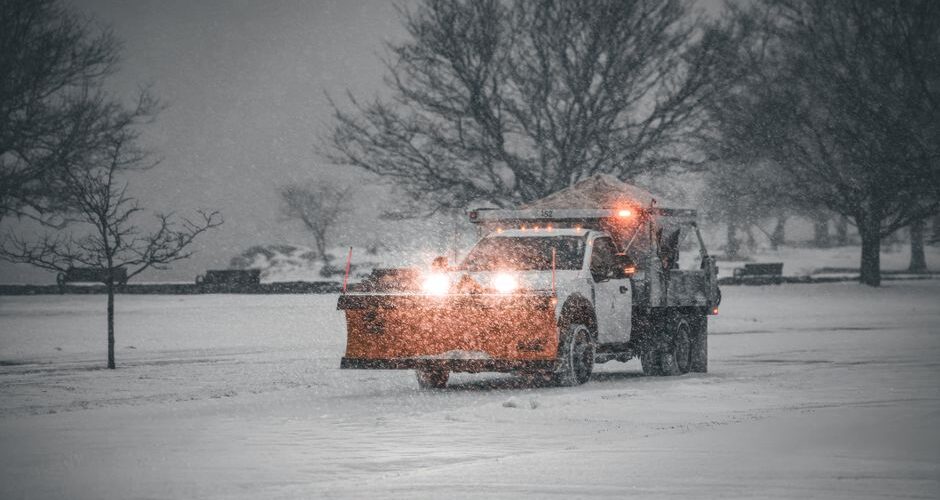
Denver winters can turn a calm morning into a hazardous commute in a matter of hours. For property managers, business owners, and HOA boards, that sudden shift is exactly when emergency commercial snow removal becomes essential. When a storm moves in faster than expected, parking lots fill with snow, walkways ice over, and employees, customers, and residents lose safe access to the property. Businesses cannot afford to wait for the next scheduled plow run. They need rapid response crews ready to clear snow and ice around the clock so daily operations continue without interruption.
Why Denver Properties Need Emergency Commercial Snow Removal
Snow that is allowed to sit on a commercial lot creates problems that go far beyond appearance. Untreated parking lots become dangerous for pedestrians and vehicles. Walkways ice over quickly in cold temperatures, driveways drift shut, and access roads around industrial parks become difficult or impossible to navigate. For property owners, the cost of a storm is measured in more than snow removal. Slip-and-fall risk rises, delivery access is delayed, and tenants lose confidence in the property manager.
Commercial snow and ice management is not a luxury service for Denver businesses. It is a routine part of keeping a property operational through the winter. Emergency commercial snow removal exists for the moments when a storm outruns normal preparation. Providers that offer 24 hour emergency services, seven days a week, give property managers a direct line to help whenever conditions turn severe.
What Emergency Commercial Snow Removal Includes
Emergency snow removal is not a single service. A complete response covers snow, ice, and pedestrian safety across the entire property. Providers bring together plowing equipment, de-icing materials, and manual labor so crews can handle every surface that needs clearing.
24/7 Emergency Response and Ice Management
Emergency commercial snow removal starts with availability. Storms do not follow business hours, and the heaviest snowfall often arrives overnight or on weekends. Providers that stay available 24 hours a day, seven days a week are prepared for these situations. Ice management is just as important as snow removal. A parking lot can look clear while black ice still threatens everyone who walks across it. Professional response combines plowing with ice management treatments, including salt and calcium application, so surfaces stay protected after the plow has passed.
Plowing, Salting, and Walkway Clearing
Clearing a commercial property requires more than pushing snow to the edge of the lot. Emergency crews plow parking lots, driveways, and access roads, then follow up with salting and hand clearing. Walkways need special attention because machines cannot always reach every entrance, stairway, and loading zone. Laborers are often deployed for shoveling and salting so pedestrians have a safe path from the parking lot to the front door. This combination of truck-mounted plows and manual labor is what separates a complete snow removal job from a partial one.
Snow Hauling for Heavy Snowfall
During heavy snowfalls, plows need somewhere to put the snow. If mounds pile too high, they block sight lines, consume parking spaces, and reduce the usable area of a lot. Snow hauling services remove those mounds from commercial parking lots and transport the snow off site. Emergency snow removal providers that operate dump trucks and heavy equipment can keep up when repeated storms leave no room for additional accumulation. Snow hauling is often the difference between a lot that stays fully functional all winter and one that slowly shrinks with each storm.
How Emergency Snow Response Works
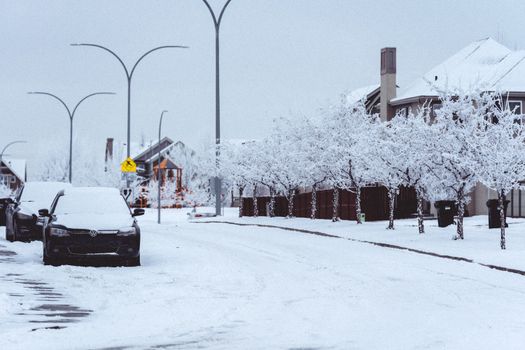
Commercial properties benefit from a snow response plan that operates on two levels. Routine storms are handled by scheduled service, while severe weather triggers emergency response. The most dependable providers offer both, making sure a property is cleared before, during, and after snowfall events. This structure matters because different storms demand different actions. A light dusting may only require salting. A blizzard may demand continuous plowing and repeated visits over several days.
Scheduled and On-Call Service
Most commercial snow programs combine scheduled visits with on-call service. Scheduled service keeps a property maintained through the season, while on-call coverage provides backup when storms behave unpredictably. Property managers can rely on the same crew for both, which simplifies communication during a weather event. If a storm intensifies beyond the forecast, the property already has a relationship in place and crews can mobilize quickly without lengthy coordination.
Seasonal Contracts with Clear Trigger Terms
Many commercial properties in the Denver metro area choose seasonal snow removal contracts before the first flakes fall. A well-written contract defines clear trigger-depth terms, meaning crews roll out when snow accumulation reaches a specific depth. When the trigger is agreed on in advance, there is no debate in the middle of a storm about whether plowing is needed. Emergency response becomes automatic. Seasonal contracts give property managers predictable coverage for the entire winter instead of forcing them to find help during every individual storm.
Equipment and Crews Behind Rapid Snow Response
Fast emergency snow removal requires equipment that can handle deep snow and large surfaces. Providers that respond well to commercial storms maintain a fleet of plow trucks, many equipped with four-wheel drive so they can push through heavy accumulation and navigate uneven lots. Severe storms call for bigger machines. Dump trucks, Bobcats, and backhoes allow crews to move large volumes of snow, clear loading areas, and remove snow mounds that standard plows cannot manage.
Equipment alone is not enough. A strong response also depends on laborers who shovel walkways, spread salt and calcium, and handle the areas that machines cannot reach. Providers with modern, well-maintained plows and heavy-duty trucks can move from property to property with less downtime, which keeps response times shorter during back-to-back storm events.
Property Types That Depend on Emergency Commercial Snow Removal
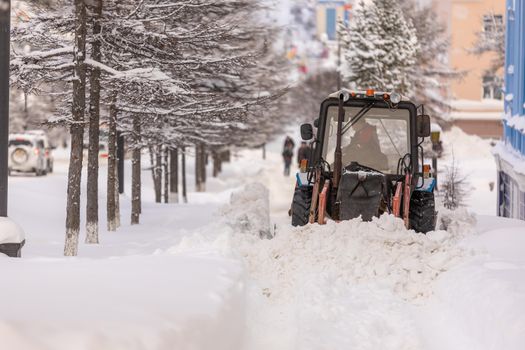
Commercial snow removal serves a wide range of properties across the Denver metro area. Parking lots are the most obvious need, but they are far from the only one. Industrial parks require clear access roads and loading areas for delivery trucks. Office campuses need safe paths between buildings. HOA communities and apartment complexes must keep residents connected to their homes and parking spaces. Hotels, distribution centers, retail centers, and warehouses all face the same challenge: snow that is not cleared quickly disrupts daily operations and puts visitors at risk.

Choosing an Emergency Commercial Snow Removal Provider in Denver
Commercial property managers should evaluate a snow removal provider before the first storm of the season. A few factors separate dependable providers from those that leave properties stranded.
- Around-the-clock availability: Look for a provider that offers 24 hour emergency snow removal seven days a week, including nights, weekends, and holidays.
- Complete service coverage: The provider should handle plowing, ice management, salting, walkway clearing, and snow hauling so one crew manages the entire property.
- Enough equipment for heavy storms: Four-wheel-drive trucks, dump trucks, Bobcats, and backhoes give a provider the capacity to respond when a blizzard hits.
- Local experience: A company with more than 47 years of snow and ice management experience understands how storms affect Denver commercial properties.
- Flexible service options: Scheduled and on-call service, plus seasonal contracts with trigger-depth terms, let property managers match coverage to their needs.
Emergency commercial snow removal is about preparation as much as response. Property managers who work with experienced providers get more than a crew after a storm. They get a partner who understands the property, the service plan, and the conditions that make Denver winters challenging. When response happens before, during, and after a snowfall, the property stays safe and open for everyone who depends on it.
Frequently Asked Questions
What counts as an emergency commercial snow removal call?
An emergency commercial snow removal call covers any situation where snow or ice blocks safe access to a property and regular service cannot keep up. Blizzards, heavy overnight snowfall, and sudden ice formation are common examples. Providers with 24 hour emergency service, seven days a week, treat these calls as urgent and dispatch crews to plow lots, spread salt, and clear walkways as quickly as conditions allow.
How quickly can emergency crews respond to a Denver snowstorm?
Response time depends on the storm, road conditions, and how many properties need service at the same moment. What matters most is choosing a provider with round-the-clock availability and a fleet ready before the storm arrives. Many providers combine scheduled and on-call service so commercial properties are cleared before, during, and after snowfall. Property managers should confirm current response coverage with their provider.
Do I need a seasonal contract or can I call for one-time emergency service?
Both options are common in commercial snow management. Seasonal contracts with clear trigger-depth terms give property managers automatic coverage all winter. On-call service works for properties that rarely see snow or for unexpected storms that arrive outside an existing plan. Many providers offer scheduled and on-call service together, so a property can combine routine visits with emergency backup when conditions demand it.
Will emergency crews clear walkways and building entrances too?
Yes, a complete emergency response includes more than plowing parking lots. Walkways, building entrances, driveways, and other pedestrian areas require manual attention because machines cannot reach every spot. Laborers shovel walkways and spread salt or calcium to control ice. This combination of trucks, heavy equipment, and hand crews ensures that employees, customers, and residents have safe paths during and after an emergency snow event.