

Stopping plow damage comes down to four moves: mark your edges with tall stakes so operators see them in a whiteout, insist on poly or rubber cutting edges instead of bare steel, seal cracks before the first freeze, and set the blade to leave a half inch of snow rather than scraping bare pavement. Jesse, who works with Denver Snow Removal’s crews, notes that freeze-thaw cycling causes more slow, cumulative wear than a plow blade ever will. Prevention won’t stop every scrape, but it stops the expensive ones.
TL;DR:
- Mark driveway edges with reflective stakes and ask contractors to use poly or rubber cutting edges to reduce gouging and improve visibility.
- Set plow blades to leave a half-inch snow buffer, and avoid plowing snow under two to three inches, opting for shovels or snowblowers for light snow.
- Seal cracks and reinforce curbs in fall to prevent water intrusion and curb crumbling, which are major causes of pavement damage during freeze-thaw cycles.
- Confirm blade height and hazard markings before each storm, and walk the property afterward to identify and document new damage for timely repairs.
- Proper equipment choices, like trip-edge attachments, and thorough pre-season inspections significantly lower the risk of costly driveway and lawn damage.
Table of Contents
- What Practical Steps Prevent Plow Damage to Your Property?
- Fall Repairs That Cut Your Plow Damage Risk
- How Do Plows Actually Damage Pavement and Lawns?
- What Does Denver Snow Removal’s Prevention Checklist Look Like?
- Your Seasonal Plow Damage Prevention Timeline
- A Practitioner’s Take on Prevention Costs
- Get a Pre-Season Plow Damage Inspection
- Sources
- FAQ
What Practical Steps Prevent Plow Damage to Your Property?
Most plow damage traces back to a handful of fixable gaps: unmarked edges, the wrong blade material, or the wrong tool for a light snowfall. Here’s what actually moves the needle.
Mark your driveway and curb edges. Use tall stakes with reflective tape or bright orange caps, spaced regularly along the driveway edge and at every corner. In heavy snow or low light, reflective markers make edges obvious to an operator who otherwise has to guess where pavement ends and lawn begins.
Ask for poly or rubber cutting edges. When you talk to a contractor, use the specific term: polyurethane cutting edge or rubber skid shoe. These materials flex on contact instead of gouging, and they hold up better against curbs and uneven pavement than hardened steel.
Confirm blade height before the season starts. Ask the operator to set the blade so about half an inch of snow stays on the surface. That small buffer keeps the blade from grinding directly on asphalt or concrete, and it still leaves a walkable, drivable surface.
Skip the plow for light snowfall. Anything under two or three inches is usually faster and safer to handle with a snowblower or a shovel. Plows earn their keep on real accumulation, not a dusting.
Protect mailboxes and fragile edges with temporary barriers, straw bales, or snow fence during the season, especially near a curb cut or a decorative border.
Gravel driveways need a different approach entirely. Tell your operator to skim the surface rather than dig into it, and compact loose gravel along the edges every fall so the plow has less to displace.
Pro Tip: Walk your property in October and take photos of every landscaping edge, retaining wall, and buried sprinkler head. Send them to your snow contractor before the first storm so nothing gets discovered the hard way.

Fall Repairs That Cut Your Plow Damage Risk
The work you do before the first freeze matters more than almost anything you do during a storm. A crack that seems cosmetic in October becomes an entry point for water, and water that freezes and expands turns a hairline fracture into a pothole a plow blade will catch on.
- Seal cracks and sealcoat asphalt in fall. Sealing before the first freeze blocks moisture intrusion and reduces the odds that a blade edge snags on a rough patch.
- Patch small, repave large. Isolated cracks and shallow potholes are patch jobs. Widespread alligator cracking or a sunken section usually means it’s time to repave rather than keep patching around the same failure.
- Reinforce curb edges and transitions. Loose or crumbling curb sections take the brunt of repeated plow passes; shore these up before the snow comes, not after.
- Check drainage and grade. Pooling water at the edge of a driveway undermines the base beneath the pavement, and that soft base is what gives way under plow weight later.
How Do Plows Actually Damage Pavement and Lawns?
A steel plow blade is rigid by design, which is exactly why it scrapes and gouges rather than glides. When that edge meets a crack, a raised seam, or a manhole cover, the impact is sudden and concentrated, not gradual. Poly and rubber cutting edges flex on contact instead of digging in, which is the core reason they cause less surface damage than bare metal.

Lateral pressure from repeated passes chips away at pavement shoulders and curb edges over a season, even without a single dramatic collision. And moisture is the accelerant behind all of it: a small chip that would sit dormant in summer becomes a widening crack once winter’s freeze-thaw cycle gets into it. That’s why the sealing work above and the equipment choices matter more together than either does alone.
What Does Denver Snow Removal’s Prevention Checklist Look Like?
Forty-four years of Denver winters teaches a crew what to check before the blade ever hits pavement. A tight operator briefing catches most preventable damage before it happens.
- Blade height and edge material confirmed before the route starts, poly preferred over steel.
- Hazard map marking manholes, speed bumps, sprinkler heads, and landscaping edges.
- Speed limits set for tight turns, driveway approaches, and marked obstacles.
- Post-pass inspection noting any new scrape, displaced gravel, or curb contact for follow-up.
Pro Tip: Ask any contractor bidding your property whether their trucks run trip-edge or floating skid attachments. These let the blade fold back on impact with a curb or hidden obstacle instead of transmitting the full force into your pavement.
If your property has more than a driveway or two, a professional crew with proper equipment built around these features outperforms DIY plowing on damage prevention alone.
Your Seasonal Plow Damage Prevention Timeline
Prevention works best as a routine, not a scramble in November.
- Fall: Inspect pavement, seal cracks, sealcoat, place edge stakes, and brief your contractor on blade preference and hazards.
- Before each storm: Move garden ornaments and hoses, confirm blade height, and decide between plow and snowblower based on forecast depth.
- After each storm: Walk the property for new scrapes or displaced material and document anything for your contractor.
| Season | Key Action | Why It Matters |
|---|---|---|
| Fall | Crack seal and sealcoat | Blocks moisture before freeze cycles widen damage |
| Fall | Stake edges and brief contractor | Prevents operator guesswork in low visibility |
| Winter | Confirm blade height each storm | Keeps a half-inch snow buffer over bare pavement |
| Spring | Inspect and document damage | Gives you a repair list before the next fall |
A Practitioner’s Take on Prevention Costs
Not every scrape is avoidable, and pretending otherwise sets unrealistic expectations. Stakes and sealcoat cost a fraction of what repaving does, which is the whole case for doing them early. Weigh a season of careful DIY prep against a trained crew that already knows where the hazards are.
— Jesse
Get a Pre-Season Plow Damage Inspection
Denver Snow Removal is the practical alternative to guessing your way through winter with a rental plow or an unbriefed crew. Our operators run poly cutting edges and trip-edge attachments as standard, set blade height to leave that protective snow buffer, and walk every property before the first storm to map curbs, sprinkler heads, and fragile landscaping.
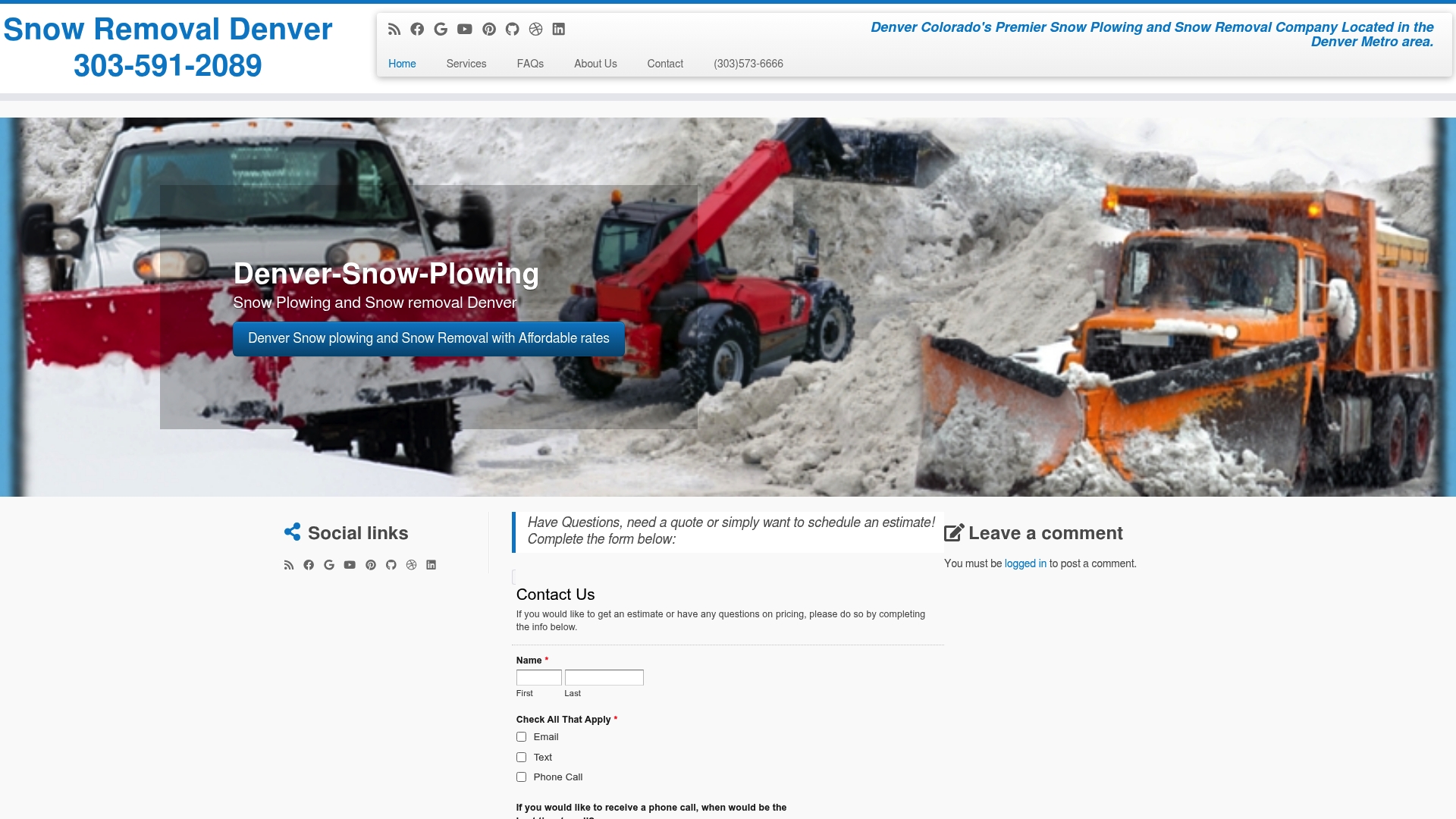
That prep work is exactly what prevents the gouged driveway edges and torn-up sod that turn into expensive spring repairs. Whether you manage a single home or an HOA with dozens of driveways, a free estimate gets you a real look at your property’s risk points before the snow flies. Request a free estimate for snow plowing and get your pre-season inspection scheduled before the first storm hits Denver.
Sources
For more on protecting asphalt and landscaping specifically, see Denver Snow Removal’s guides on preventing asphalt damage and protecting landscaping from plows. Homeowners winterizing other parts of the property might also check this door winterization guide.
- Rubber cutting edges reduce surface damage
- Sealing to reduce snow-plow damage
- Trip-edge snow plow benefits
FAQ
Do Snow Plows Ruin Driveways?
Plows can gouge or crack a driveway, but the damage usually comes from bare steel blades scraping unsealed pavement rather than plowing itself. Sealed asphalt, poly cutting edges, and a proper blade height largely prevent it.
What’s the Best Snow Removal Option for Elderly Homeowners?
A contracted service with a set schedule and guaranteed response time removes the physical risk of shoveling and the guesswork of DIY equipment, which makes it the safer choice for older homeowners. Look for a provider offering flexible residential plans rather than one-off calls.
How Do You Stop a Plow From Blocking Your Driveway?
Talk to your municipal or contracted plow route about timing, and clear a small buffer at the end of your driveway after the street gets plowed so windrow snow has somewhere to go. Marking your driveway apron with stakes also helps operators judge the edge correctly.
How Long Does a Snow Plow Blade Last?
A steel cutting edge typically wears down over one to a few seasons depending on use, while poly and rubber edges tend to last longer because they don’t grind directly against pavement and curbs. Regular inspection after each storm catches wear before it starts causing collateral damage.