
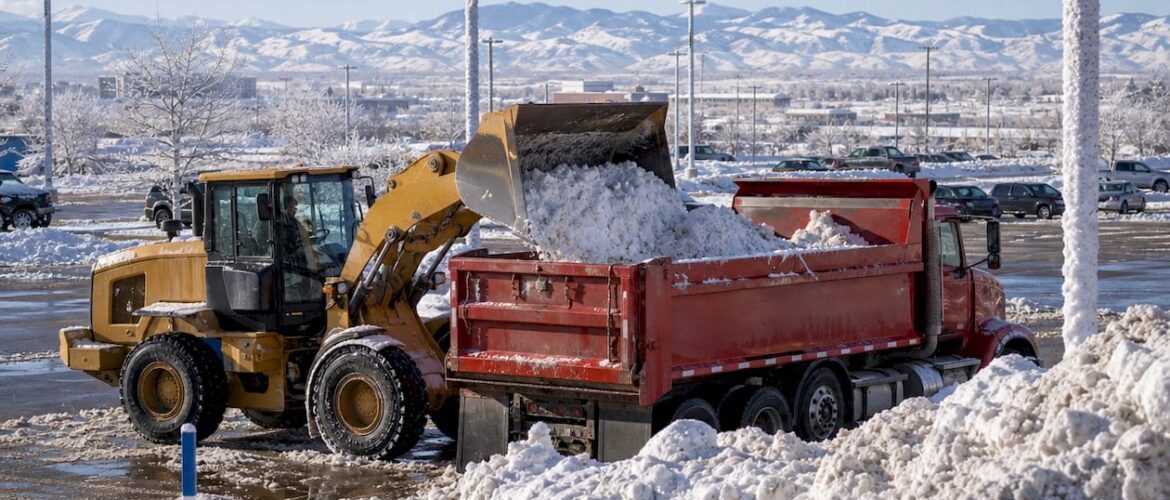
Snow haul-away service is defined as the physical removal of accumulated snow from a property using heavy equipment, transporting it to approved off-site disposal locations. This is a distinct service from standard snow plowing, which only pushes snow to onsite areas. For homeowners and property managers in Denver, understanding what is snow haul-away service matters most after heavy storms when parking lots fill up, piles block fire hydrants, or drainage becomes a real concern. Denversnowremovals has managed these exact situations across the Denver Metro area for over 44 years, and this guide covers everything you need to know.
What is snow haul-away service and how does it differ from plowing?
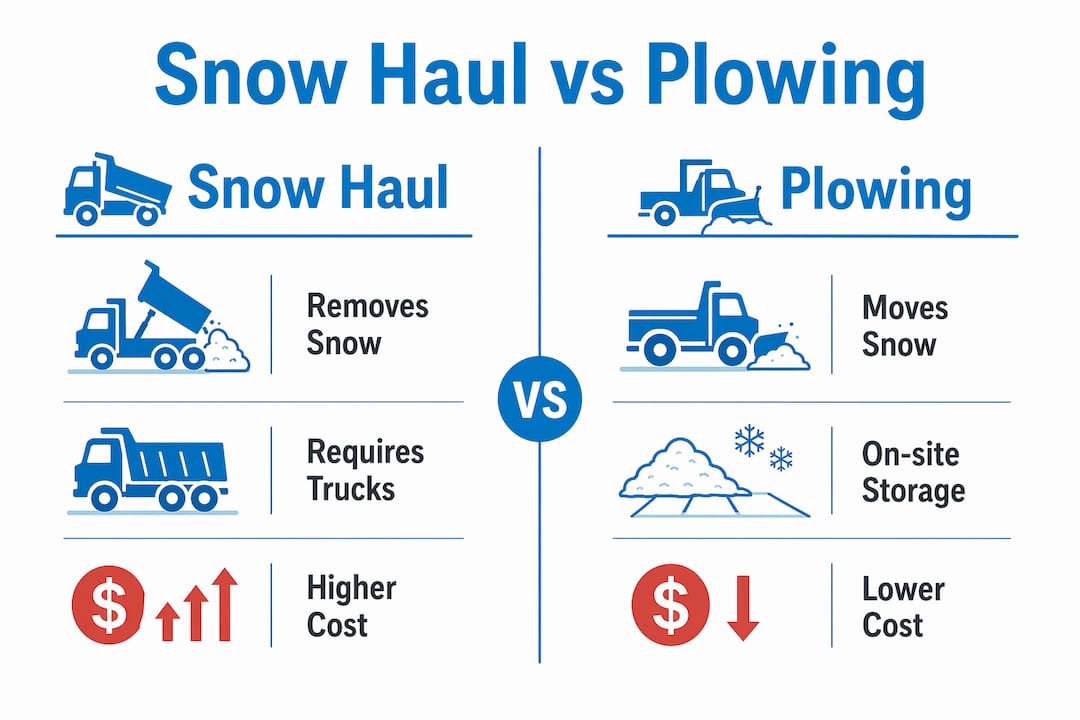
Snow haul-away service, also called snow hauling or off-site snow removal, is the process of loading accumulated snow onto dump trucks and transporting it away from your property entirely. Standard snow plowing moves snow from driveways, parking lots, and walkways to designated onsite areas such as corners of a lot or along fence lines. Hauling goes one step further by removing that snow from the property altogether.
The distinction matters because plowing has a physical limit. After several storms, onsite snow piles grow so large they consume parking spaces, reduce visibility at intersections, and block access to fire hydrants or loading docks. At that point, snow removal services shift from a maintenance task to a safety and compliance requirement.
Denver winters regularly deliver multiple significant snowfall events between november and march. The Front Range can receive heavy, wet snow that compacts quickly, making piles denser and harder to manage over time. That density is exactly why snow hauling solutions require specialized equipment including front-end loaders and 10-wheel dump trucks, contributing to higher costs than plowing alone.
How does snow haul-away work?
The hauling process follows a clear sequence. A crew arrives with front-end loaders or skid steers to scoop accumulated snow from piles. The snow loads into dump trucks, which then transport it to an approved disposal site. Once unloaded, the trucks return for additional loads until the site is clear.
The equipment involved is heavy and specialized:
- Front-end loaders break apart compacted piles and lift snow into truck beds efficiently.
- 10-wheel dump trucks carry large volumes per trip, reducing the number of runs needed.
- Skid steers navigate tighter spaces like residential driveways or narrow commercial lots.
- Snow pushers and buckets attach to loaders to increase the volume moved per scoop.
Disposal is not as simple as finding an empty field. Government agencies provide mapping tools for authorized snow disposal sites, and emergency certification processes exist for record snow events. In Colorado, disposal sites must meet environmental standards because salted and debris-laden snow can contaminate soil and waterways if dumped improperly.
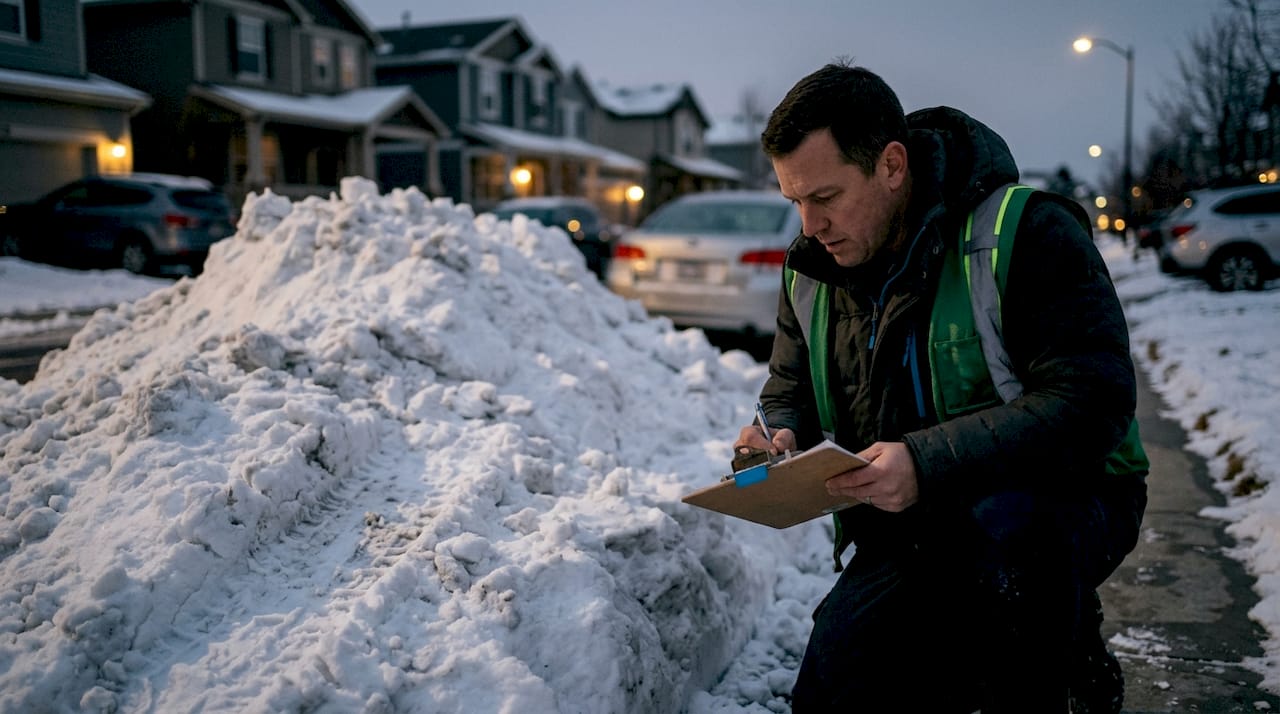
Pro Tip: Ask your snow hauling provider to supply GPS tracking logs and timestamped photos for every load removed. This documentation protects you if a liability dispute arises and confirms the service was completed as contracted.
When is snow haul-away necessary for Denver properties?
Not every snowfall requires hauling. The service becomes necessary when specific conditions develop on your property. Recognizing those triggers early saves money and prevents safety incidents.
Common situations that require hauling include:
- Piles blocking fire hydrants or emergency access routes, which can violate local fire codes and expose property owners to fines.
- Snow accumulations exceeding 5 feet in height, which reduce sightlines in parking lots and create pedestrian hazards.
- Parking spaces consumed by plowed snow, which affects tenant satisfaction and business operations.
- Snow piles positioned near drainage areas, where melting snow causes drainage problems and property damage as temperatures rise.
- Accumulation exceeding 6 inches in a single event, which can trigger contractual hauling obligations.
Local ordinances in Denver and surrounding municipalities may also require property owners to keep sidewalks, fire lanes, and access points clear within a set number of hours after snowfall ends. When plowing alone cannot achieve that standard, hauling becomes the required next step. Reviewing your local sidewalk clearing ordinance before winter arrives helps you understand exactly when the clock starts ticking on your compliance obligations.
For property managers overseeing multi-tenant buildings or commercial properties, seasonal snow preparation before the first storm is the most cost-effective way to avoid emergency hauling fees.
What are the benefits and challenges of snow haul-away?
Snow hauling delivers clear advantages, but it also comes with real costs and logistical demands. Understanding both sides helps you budget and plan accurately.
Benefits of hauling snow off-site
Treating snow hauling as a scheduled reset rather than daily maintenance improves site safety and parking availability. A single well-timed haul can restore a parking lot to full capacity after a major storm, something no amount of plowing can achieve once piles reach their limit. Hauling also reduces the risk of ice dams forming at the base of large piles as temperatures fluctuate, which is a common source of slip-and-fall incidents.
Proper disposal also protects the environment. Environmental experts urge careful snow disposal since salted snow can contaminate waterways if dumped improperly. Approved disposal sites manage runoff and filter contaminants before they reach storm drains.
Challenges and cost considerations
The table below compares snow haul-away and standard snow plowing across key factors:
| Factor | Snow haul-away | Snow plowing |
|---|---|---|
| Equipment needed | Front-end loaders, dump trucks | Plow trucks, skid steers |
| Cost per event | Higher (labor, fuel, dump fees) | Lower |
| Time required | Longer (multiple truck runs) | Faster |
| Snow stays on property | No | Yes |
| Best use case | Overloaded piles, compliance needs | Routine storm clearing |
| Environmental impact | Managed at approved sites | Piles melt onsite |
Snow hauling costs more than plowing because it involves more labor, fuel, equipment use, and fees for dump sites. Pricing is generally quoted per truckload, per hour, or per cubic yard. That cost structure makes upfront clarity on triggers and rates non-negotiable.
Pro Tip: Request a written breakdown of haul-away pricing before winter begins. Knowing the per-truckload rate and estimated number of loads for your property size prevents billing surprises after a major storm.
How to choose a snow haul-away provider in Denver
Selecting the right provider requires more than comparing prices. The contract structure and documentation practices matter just as much as the equipment a company brings to the job.
-
Separate line items in the contract. Most winter service disputes arise from ambiguous contract scope, because property managers assume hauling is included in snow removal. Require that plowing, onsite removal, and haul-away appear as distinct line items with separate pricing.
-
Define hauling triggers in writing. Contracts should specify the exact conditions that activate hauling, such as pile heights over 5 feet or single-event accumulation exceeding 6 inches. Vague language like “as needed” creates disputes.
-
Require GPS and photo documentation. Professional snow haulers provide GPS and photographic documentation tracking all loads hauled. This supports liability protection and confirms service delivery without relying on verbal assurances.
-
Clarify disposal fee responsibility. Hauling logistics involve compliance with municipal disposal regulations and additional fees. Contracts should specify whether the property owner or the contractor pays dump site fees, and which approved sites will be used.
-
Plan for emergency hauling capacity. Major Denver storms can overwhelm a provider’s truck fleet quickly. Ask how many trucks the company can deploy during a multi-day storm event and whether they have overflow capacity or subcontractor agreements.
For properties with shared access points, reviewing how shared driveways get cleared safely adds another layer of planning that prevents neighbor disputes and liability gaps.
Key Takeaways
Snow haul-away service is the only reliable solution when onsite snow storage reaches its limit and safety or compliance is at risk.
| Point | Details |
|---|---|
| Haul-away vs. plowing | Hauling removes snow from the property entirely; plowing only relocates it onsite. |
| Trigger conditions | Piles over 5 feet, blocked fire hydrants, or accumulation over 6 inches typically activate hauling. |
| Cost structure | Pricing is quoted per truckload, hour, or cubic yard and always exceeds standard plowing costs. |
| Contract clarity | List plowing, removal, and haul-away as separate line items to prevent scope disputes. |
| Documentation standard | GPS logs and timestamped photos for every load protect both property owners and providers. |
What I’ve learned after years of watching hauling contracts go wrong
The most common mistake I see property managers make is treating snow haul-away as a bonus service rather than a planned budget line. They sign a plowing contract in october, assume hauling is covered, and then receive a surprise invoice in february after a three-storm stretch fills every corner of the lot. That invoice is almost always valid. The contract simply never addressed hauling at all.
The second mistake is waiting too long. By the time a property manager calls for emergency hauling, every truck in the region is already committed. Providers who plan ahead, lock in hauling capacity before the season, and define triggers in writing never face that scramble. The properties that stay fully operational through Denver’s worst winters are the ones where the owner treated hauling as a scheduled reset, not a last resort.
Environmental responsibility is the third area where I see corners cut. Dumping snow in an empty lot or a drainage ditch might seem harmless, but salted snow carries road chemicals, debris, and sediment that contaminate soil and groundwater. Approved disposal sites exist for a reason, and working with a provider who uses them protects you from liability that extends well beyond the winter season.
Proactive planning, clear contracts, and verified documentation are not bureaucratic details. They are the difference between a property that functions safely all winter and one that becomes a liability.
— Jesse
How Denversnowremovals handles snow haul-away in Denver
Denversnowremovals brings over 44 years of experience managing snow haul-away and snow removal services across the Denver Metro area. The team operates 24/7 with heavy equipment ready for both routine plowing and full off-site hauling when storm conditions demand it.
Contracts with Denversnowremovals include clear trigger clauses, itemized pricing for hauling versus plowing, and full documentation on every load removed. The company works with approved disposal sites that meet Colorado environmental standards, so you are never exposed to improper disposal liability. If you want a free estimate and a contract that actually protects you this winter, visit Denversnowremovals to get started before the first storm hits.
FAQ
What is the difference between snow removal and snow haul-away?
Snow removal is a broad term covering plowing, blowing, and clearing snow from a property. Snow haul-away specifically means loading that snow onto trucks and transporting it to an approved off-site disposal location.
How much does snow haul-away cost compared to plowing?
Snow haul-away costs more than plowing because it requires additional labor, fuel, heavy equipment, and dump site fees. Pricing is typically quoted per truckload, per hour, or per cubic yard, and providers should give you a written rate before the season begins.
When do Denver properties need snow haul-away service?
Denver properties typically need hauling when onsite piles exceed 5 feet in height, block fire hydrants or emergency access, consume parking spaces, or when a single storm drops more than 6 inches of accumulation.
Is snow haul-away environmentally safe?
Yes, when performed correctly. Approved disposal sites manage runoff and filter road salt and debris from melting snow. Dumping salted snow in unauthorized locations can contaminate waterways and soil, which is why regulatory agencies require certified disposal sites.
What should a snow haul-away contract include?
A solid contract lists plowing, onsite removal, and haul-away as separate line items with distinct pricing. It also defines specific hauling triggers, clarifies who pays dump site fees, and requires GPS and photo documentation for every load removed.