

A snowstorm in the Denver metro area does not just inconvenience an HOA community. It creates liability, blocks emergency access, and turns a routine morning into a flood of resident complaints. When private streets, parking lots, and walkways sit under snow and ice, the board is the one answering for it.
HOA snow removal is one of the specialties a dedicated commercial plowing company brings to Denver communities, with dozens of HOAs served throughout Downtown Denver and Denver County using full road plowing, sidewalk clearing, and related services. Here is how to think through the scope, the contract, and the execution so your community stays open and defensible all winter.
Why HOA Snow Removal in Denver Is Different
Denver’s Department of Transportation and Infrastructure handles emergency snow response on public streets. That response plan covers city roads, not the private lanes, drives, and lots inside an HOA. Those belong to the association, and so does the work of clearing them.
There is also a separate obligation layered on top. The City and County of Denver requires property owners to clear snow and ice from sidewalks, including adjacent ADA ramps and bus stops, with a potential $150 fine for failing to do so. In an HOA, the sidewalks and paths running through common property fall under that requirement. Boards that rely on volunteer shoveling or an on-call handyman are taking on a compliance risk that scales with every storm.
What a Complete HOA Snow Contract Covers
A snow contract that only includes plowing leaves gaps that show up the morning after a freeze. Comprehensive snow removal services include snow plowing, hauling, shoveling, ice removal, and salt applications. For an HOA, that typically breaks down into four distinct zones, each with different equipment and different timing.
- Private roads, lanes, and drives inside the community, plowed for vehicle access
- Parking lots, including resident spaces, guest parking, and carports
- Sidewalks, walkways, entry paths, and stairs cleared by shovel or mechanical equipment
- Ice removal and salt or deicing applications on hard surfaces where refreeze creates slip risk
Snow hauling and disposal is the piece boards often forget to confirm. When plowed snow piles up and blocks sight lines at intersections, buries mailboxes, or eats parking spaces, hauling it off site is the only fix. Ask directly whether hauling is included, billed separately, or not offered at all.
Streets: Private Roads, Drives, and Fire Lanes
Private roads inside an HOA are the difference between a community that functions after a storm and one where residents cannot get out. These routes carry garbage trucks, mail carriers, delivery vehicles, and emergency responders. A fire lane that stays buried is a serious problem, not a cosmetic one.
Plowing private roads also requires judgment about where the snow goes. Pushing snow against a curb can seal in parked cars. Pushing it into a driveway apron creates a new complaint. A crew that works the same community all season learns the corners, the tight turns, and the places to stack snow so the next storm does not make things worse.

Parking Lots and Common Areas
Parking lots are the highest-traffic surface in most HOA communities, and they are also where plow damage happens when operators rush. Lot plowing needs to account for islands, speed bumps, storm drains, light poles, and fire hydrants. Clearing around hydrants matters for the same reason clearing fire lanes does.
Common areas add another layer. Clubhouses, mail kiosks, pool gates, and shared entries all need walkable approaches, not just a plowed lot with a snowbank where the front door should be. Ice removal and salt applications on those approaches handle the freeze-thaw cycle that follows nearly every Denver storm, when melting snow refreezes overnight into a sheet of ice.
Walkways, Sidewalks, ADA Ramps, and Bus Stops
Denver’s sidewalk requirement explicitly includes adjacent ADA ramps and bus stops, which is where many HOAs get caught. A plow can clear every parking space in the community and still leave the association exposed if the ramp at the corner is packed with snow and ice.
Walkway clearing is slower, more labor-intensive work than plowing. It calls for shoveling, snow blowers, and hand application of salt or deicing material. Boards should confirm that walkway service is scoped into the contract with its own response standard, rather than treated as a favor performed after the lots are done.
What HOA Fees Usually Cover
In most cases, HOA fees do cover snow removal, but that coverage is limited to common areas such as parking lots and community amenities. It does not extend to private driveways or the walkway to an individual unit’s front door unless the governing documents say so.
This is where resident expectations and the actual contract drift apart. Before the first storm, review your covenants and bylaws to confirm what the association is obligated to clear, then communicate that scope in writing. A short notice explaining that common areas are handled by a contracted crew while private driveways remain the homeowner’s responsibility prevents most of the season’s angry phone calls.
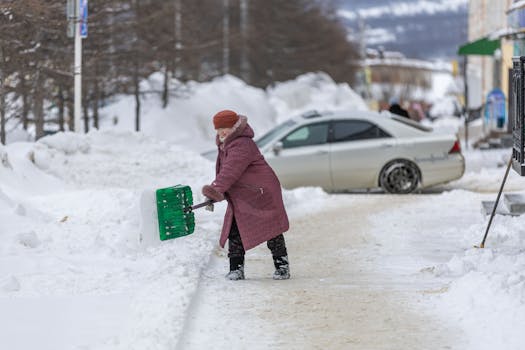
Seasonal Contracts and Trigger Depth
Commercial snow removal is typically sold as a seasonal contract, which locks in service for the winter rather than billing per visit. Seasonal agreements are usually written with trigger-depth terms, meaning plowing begins once accumulation reaches an agreed depth.
Trigger depth is worth a careful conversation. Set it too high and residents are driving through snow while the board waits for a threshold that may never be reached. Set it too low and the association pays for visits on light dustings. Deicing and walkway clearing often run on a different trigger than plowing, since ice control is about safety rather than vehicle access. Get all of those triggers written into the agreement rather than agreed to verbally.
24/7 Response and Storm Priority
Snow does not keep business hours, and neither should the crew responsible for an HOA. Look for 24/7 emergency snow plowing and ice removal, with service delivered before, during, and after a snow event rather than only once the storm has passed.
Ask how the company sequences its properties during a major storm. When every client calls at once, someone is first and someone is later. Understanding where your community sits in that order matters more than any promise made during the sales conversation. A written response plan that names your priority tier, your trigger depths, and your contact path is what actually protects the board.
Documentation the Board Can Rely On
Good service records do double duty. They prove the association met its sidewalk obligation, and they support the board when a resident disputes a slip-and-fall claim or questions whether the money was well spent.
Ask for timestamped service records showing when each area was cleared, what material was applied, and whether a return visit was made for refreeze. Photographs taken after completion are a simple addition that resolves most disputes before they escalate. Keep those records with the contract and the storm-season invoices.
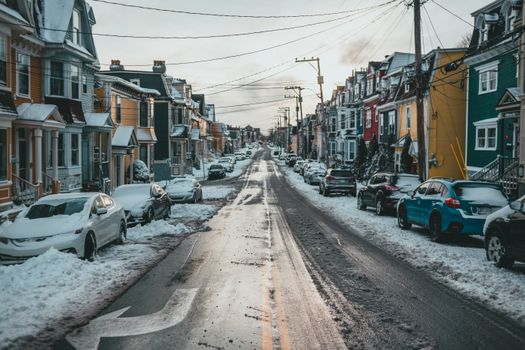
Questions to Ask Before Signing
- Are private roads, parking lots, walkways, and ADA ramps all included, or is any zone excluded?
- What are the trigger depths for plowing, deicing, and walkway clearing?
- Is snow hauling and disposal available when piles block access or parking?
- How is the community prioritized during a metro-wide storm?
- What documentation is provided after each service visit?
- Is the contract seasonal, and what does the seasonal rate include?
Pricing varies widely by property size, surface area, and scope, and the research does not establish a standard going rate for plowing in the Denver market. Collect written proposals and compare what each one actually covers rather than comparing headline numbers alone. Confirm anything you are unsure about directly with the contractor and with the City and County of Denver.
Why Local Experience Matters
Snow removal in the Denver metro area is a long-season commitment, and the companies that do it well are the ones that have done it for decades. Commercial snow removal and plowing in Castle Rock and the Denver metro covers HOAs, schools, and similar properties, and crew familiarity with a specific community compounds over a season.
More than 47 years of operating in Denver means knowing how Front Range storms behave, how fast a cleared lot refreezes, and which surfaces need attention first. For an HOA board, that history translates into fewer surprises, faster response, and a property that stays open and safe from the first storm of the season to the last.
Frequently Asked Questions
Does my HOA fee cover snow removal?
In most cases, HOA fees do cover snow removal, but the coverage is limited to common areas such as parking lots and community amenities. Private driveways and entry walkways are usually a homeowner responsibility unless the governing documents state otherwise. Boards should review their covenants before winter and share the exact scope with residents in writing.
Who is responsible for clearing sidewalks in a Denver HOA?
The City and County of Denver requires property owners to clear snow and ice from sidewalks, including adjacent ADA ramps and bus stops, with a potential $150 fine for noncompliance. Sidewalks on HOA common property generally fall to the association, which is why most boards contract walkway clearing rather than relying on volunteers.
What is trigger depth in a snow removal contract?
Trigger depth is the accumulation level at which plowing or deicing begins under a seasonal agreement. Deicing and walkway clearing often use a different trigger than lot plowing, since ice control is a safety issue rather than a vehicle access issue. Confirm each trigger in writing before the season starts.
Is snow hauling included in a standard HOA contract?
Not always. Snow hauling and disposal is sometimes included, sometimes billed separately, and sometimes not offered. It becomes necessary when plowed piles block sight lines, bury mailboxes, or consume parking spaces. Ask directly how hauling is handled and how it is priced before you sign.
How should an HOA prepare before the first snow?
Finalize the contract, confirm trigger depths and priority tiers, and communicate the scope to residents before the first storm. Set up a single point of contact for the board so requests do not scatter across multiple phone numbers. Clear portable items from common areas and mark any obstacles crews should avoid.