
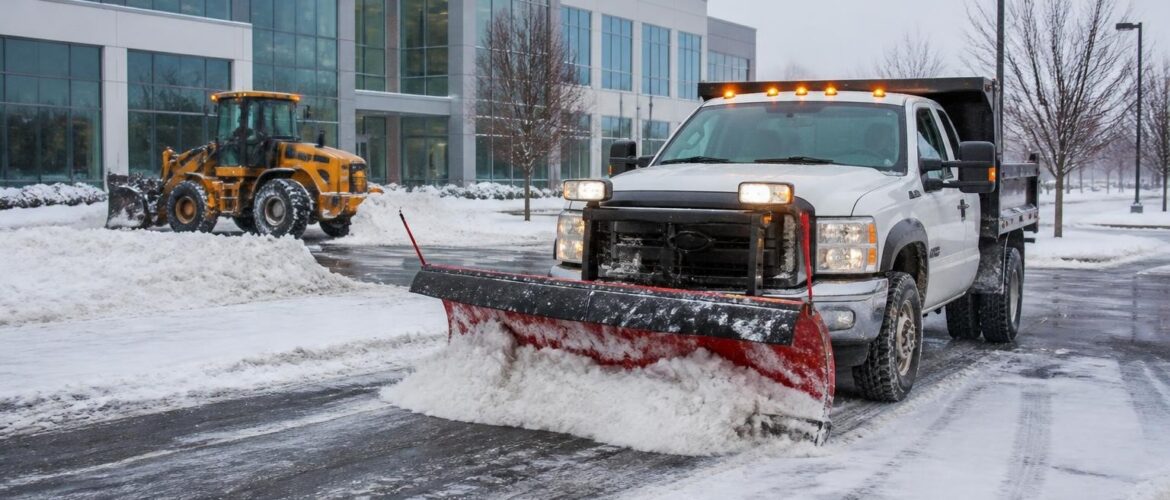
Winter weather creates significant challenges for commercial property managers, business owners, and homeowners associations across the United States. Professional snow and ice removal services have become essential infrastructure components that ensure safety, maintain accessibility, and protect property values during harsh winter months. Understanding the scope, methodology, and best practices within this industry enables stakeholders to make informed decisions about protecting their investments and ensuring the safety of employees, customers, and residents.
Understanding Professional Snow and Ice Removal Services
Snow and ice removal services encompass a comprehensive range of activities designed to maintain safe, accessible surfaces during winter weather events. These services extend far beyond simple snow plowing to include pre-storm preparation, active storm management, post-storm cleanup, and ongoing maintenance throughout the winter season.
Core Service Components
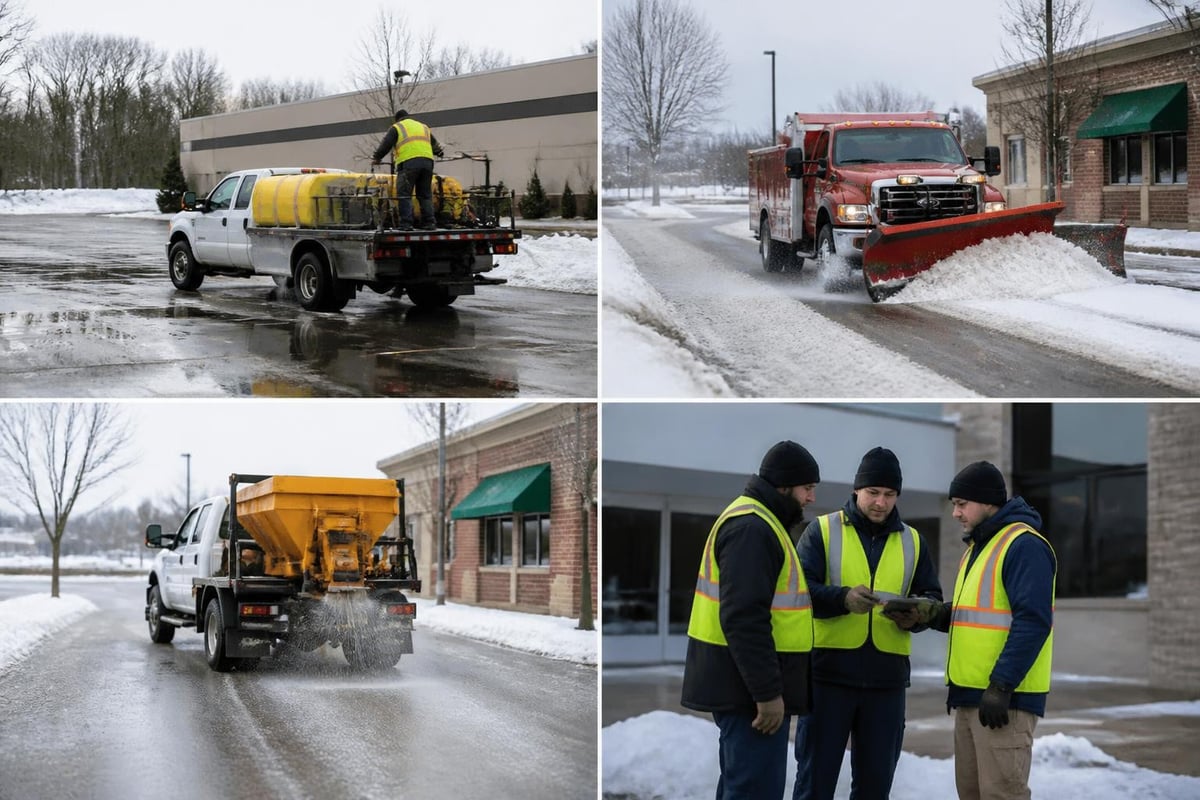
Professional providers typically offer several distinct service categories within their operational framework. Pre-treatment applications involve applying anti-icing agents before precipitation begins, preventing ice formation and reducing the bond strength between pavement and snow. This proactive approach significantly reduces the labor and materials required during active storm response.
Active snow removal includes mechanical plowing operations that clear accumulated snow from parking lots, roadways, driveways, and loading areas. Modern equipment ranges from compact utility vehicles for sidewalks to heavy-duty loaders for large commercial properties. Deicing treatments follow mechanical removal, applying chemical agents that melt residual ice and prevent refreezing as temperatures fluctuate.
Post-storm services address snow relocation, pile management, and surface restoration. Large commercial properties often require hauling services to remove snow entirely when storage space becomes limited or when melting snow threatens drainage systems.
Equipment and Technology in Modern Snow Removal
The snow removal industry has experienced significant technological advancement over the past two decades. GPS tracking systems now enable real-time fleet management, allowing supervisors to monitor equipment location, verify service completion, and optimize routing efficiency. Many commercial providers utilize these systems to generate time-stamped service documentation for liability protection and contract verification.
Liquid application systems have transformed pre-treatment operations by delivering precise amounts of brine or anti-icing chemicals directly to pavement surfaces. These systems reduce material waste, minimize environmental impact, and provide superior ice prevention compared to traditional solid salt applications. According to research from the Federal Highway Administration’s best practices for road weather management, anti-icing can reduce salt usage by 20-50% while improving surface conditions.
| Equipment Type | Primary Application | Coverage Rate | Typical Property Size |
|---|---|---|---|
| Skid Steer with Pusher | Parking lots, drives | 1-2 acres/hour | Small to medium commercial |
| Pickup with V-Plow | Roadways, access lanes | 2-4 miles/hour | Multi-tenant properties |
| Front-End Loader | Snow stacking, relocation | 50-100 tons/hour | Large industrial complexes |
| Sidewalk Equipment | Pedestrian areas | 3-5 miles/hour | Office campuses, HOAs |
Weather monitoring technology has become increasingly sophisticated, enabling service providers to make data-driven deployment decisions. Professional-grade weather stations, radar integration, and precipitation forecasting models allow companies to position equipment and personnel strategically before storms arrive.
Chemical Deicers and Environmental Considerations
Selecting appropriate deicing materials requires balancing effectiveness, environmental impact, infrastructure protection, and cost considerations. Sodium chloride (rock salt) remains the most economical option and works effectively at temperatures above 15°F, making it suitable for most Denver-area applications where average snowfall patterns create predictable winter conditions.
Calcium chloride generates heat during dissolution and remains effective at temperatures as low as -25°F, making it valuable for severe cold snaps or shaded areas. Magnesium chloride offers a middle ground with better environmental characteristics than sodium chloride and effectiveness down to approximately 5°F.
Environmental Impact and Mitigation
Traditional deicing chemicals present documented concerns regarding vegetation damage, groundwater contamination, and infrastructure corrosion. Studies published in peer-reviewed materials science research demonstrate how chloride-based deicers accelerate asphalt pavement deterioration and concrete scaling.
Progressive service providers implement several mitigation strategies:
- Precision application using calibrated spreaders that deliver optimal amounts without excess
- Liquid pre-wetting of solid materials to activate chemicals faster and reduce bounce/scatter
- Alternative products incorporating organic additives that enhance performance at lower application rates
- Strategic placement focusing treatments on high-traffic areas and slopes rather than blanket coverage
The EPA’s guidance on safer choice products provides valuable information for property managers seeking environmentally responsible deicing solutions. Many commercial snow and ice removal services now offer plant-based or acetate formulations for environmentally sensitive areas such as landscaped entryways or properties adjacent to protected waterways.
Contract Structures and Service Agreements
Commercial snow removal contracts typically follow one of several pricing models, each with distinct advantages depending on property characteristics and budget predictability requirements. Per-occurrence pricing charges a predetermined rate for each service visit based on snow depth triggers specified in the contract. This model provides cost certainty for providers but can create budget uncertainty for property managers during heavy snow years.
Seasonal contracts establish a fixed price for unlimited service throughout the winter season, transferring weather risk from the property owner to the service provider. This arrangement offers budget predictability and ensures the contractor maintains adequate resources since their profitability depends on efficiency rather than storm frequency.
Hourly rates with equipment specifications work well for properties requiring occasional service or those with highly variable conditions. This transparent approach bills actual time and materials but requires careful documentation and may incentivize slower work.
Service Level Specifications
Effective contracts clearly define performance expectations through measurable criteria:
- Trigger depths: Specific accumulation amounts (commonly 1", 2", or 3") that initiate service response
- Response times: Maximum intervals between reaching trigger depth and beginning service
- Completion standards: Acceptable remaining snow depth or ice coverage after service
- Priority areas: Sequencing requirements for fire lanes, handicapped parking, and main entrances
- Communication protocols: Notification requirements before, during, and after service events
Understanding frequently asked questions about service agreements helps property managers negotiate contracts that align with operational needs and risk tolerance. Contracts should address liability coverage, damage protocols, and force majeure provisions for extreme weather events that exceed reasonable service capabilities.
Safety Standards and Liability Management
Premise liability creates significant legal exposure for property owners when snow and ice cause injuries to visitors, customers, or employees. Professional snow and ice removal services play a critical role in risk mitigation by maintaining safe conditions and creating documentation that demonstrates due diligence.
Industry best practices require detailed record-keeping including service timestamps, weather conditions, materials applied, and photographic documentation. Advanced providers use automated systems that timestamp GPS coordinates when equipment enters and exits properties, creating irrefutable service verification.
Operator Training and Certification
Qualified service providers invest substantially in operator training programs covering:
- Equipment operation and maintenance protocols
- Material application rates and environmental considerations
- Property-specific site plans highlighting obstacles and priority zones
- Safety procedures for working near pedestrians and vehicles
- Documentation requirements and quality assurance processes
The Transportation Research Board’s technical publications provide research-based guidance on winter maintenance training programs that enhance both safety and operational efficiency.
Property managers should verify that contractors maintain comprehensive general liability insurance with appropriate coverage limits, typically between two and five million dollars for commercial operations. Workers' compensation coverage protects property owners from liability when contractor employees suffer injuries during service operations.
Strategic Planning for Winter Readiness
Successful winter weather management begins months before the first snowfall. Property managers working with professional snow and ice removal services should initiate planning during late summer or early fall to ensure adequate preparation time.
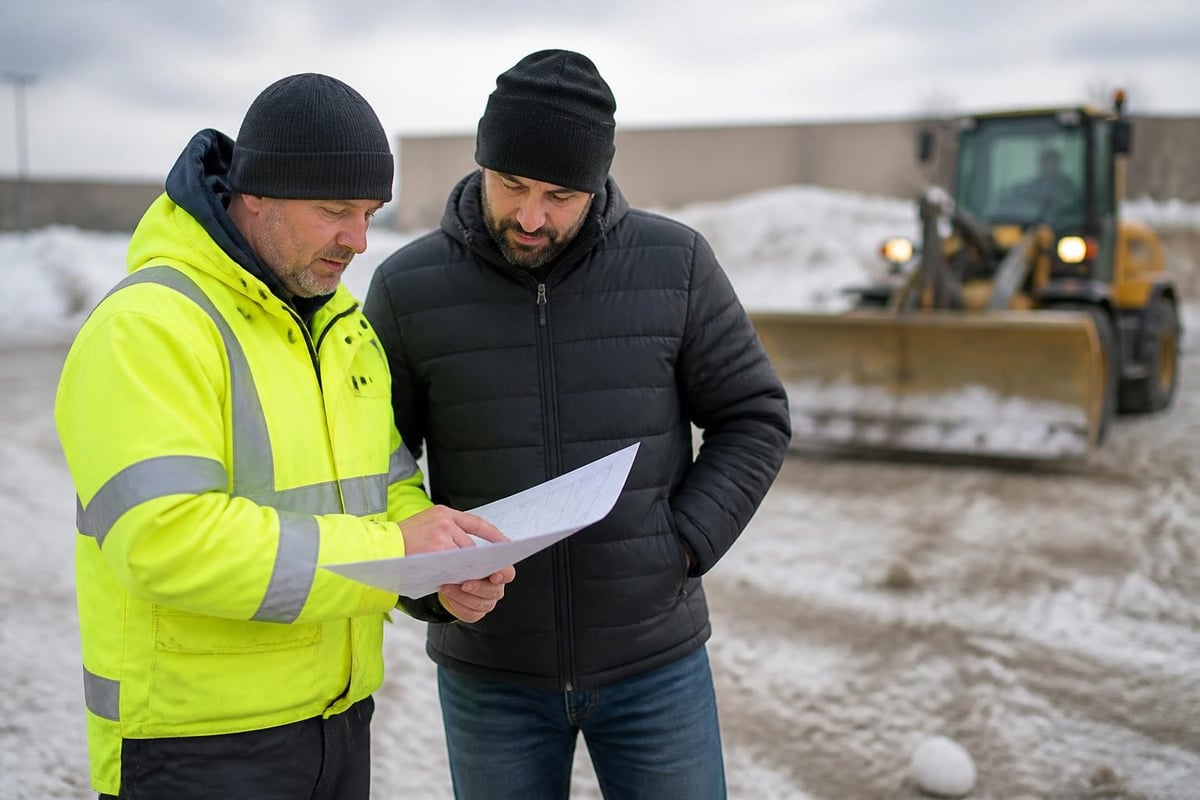
Site assessments conducted during snow-free conditions identify potential problem areas including inadequate drainage, poor lighting, confined spaces that restrict equipment access, and areas requiring special attention such as loading docks or emergency vehicle access routes. Professional contractors develop detailed site maps noting fire hydrants, landscape features, curbing, and other obstacles that could suffer damage during snow removal operations.
| Planning Element | Timing | Key Activities |
|---|---|---|
| Contractor selection | August-September | RFP process, site visits, reference checks |
| Contract execution | September-October | Negotiate terms, establish triggers, review insurance |
| Site preparation | October | Mark obstacles, repair pavement, optimize drainage |
| Equipment staging | November | Position materials, test communication systems |
| Staff training | Ongoing | Update protocols, review priority areas, practice procedures |
Material pre-positioning ensures rapid response capability when weather events develop quickly. Commercial properties in high-snow regions often establish on-site salt storage or coordinate with contractors to maintain dedicated material reserves that prevent service delays during supply shortages.

Quality Assurance and Performance Monitoring
Maintaining consistent service quality throughout the winter season requires structured oversight and clear communication between property managers and service providers. Performance metrics should align with contract specifications and may include response time compliance, surface condition ratings, customer feedback, and incident reports.
Many sophisticated property management organizations implement formal inspection protocols where designated staff members evaluate surface conditions at predetermined intervals following service completion. These inspections verify that sidewalks, parking areas, and building entrances meet established standards for residual snow depth and ice coverage.
Technology platforms now enable automated quality monitoring through photograph submissions, sensor-based condition reporting, and real-time communication systems. Service providers utilizing these tools can address concerns immediately rather than discovering deficiencies hours or days after completion.
Communication Frameworks
Winter weather events create dynamic situations requiring frequent information exchange between multiple stakeholders. Effective communication protocols establish:
- Designated contact persons available 24/7 during active weather events
- Storm briefing schedules providing updates on timing, service deployment, and completion estimates
- Exception reporting immediately notifying managers of equipment failures, access restrictions, or other service impediments
- Post-storm debriefings reviewing performance, identifying improvement opportunities, and documenting lessons learned
Regular season reviews conducted mid-winter and after season completion allow both parties to assess overall performance, address recurring issues, and refine approaches for subsequent years. These structured evaluations strengthen working relationships and drive continuous improvement.
Specialized Applications and Unique Challenges
Different property types present distinct challenges requiring specialized approaches from snow and ice removal services. Healthcare facilities demand uninterrupted access for emergency vehicles and absolute priority for patient drop-off areas and emergency department approaches. Contracts for these properties typically specify minimal trigger depths and aggressive response times.
Retail centers face peak traffic during holiday shopping seasons coinciding with winter weather, requiring service scheduling that minimizes disruption to customer access during business hours. Many providers conduct overnight operations or coordinate closely with center management to time services during low-traffic periods.
Industrial complexes with heavy vehicle traffic, loading dock operations, and 24-hour production schedules require continuous monitoring and may need specialized equipment capable of navigating tight spaces between buildings or handling heavily contaminated snow from manufacturing processes.
Educational campuses, HOA communities, and office parks each present unique access patterns, liability concerns, and aesthetic expectations that professional providers must accommodate through customized service plans.
Industry Standards and Regulatory Compliance
While snow removal remains largely self-regulated, professional providers increasingly reference established standards to demonstrate competency and differentiate service quality. The American Society of Civil Engineers’ codes and standards provide engineering guidance relevant to winter maintenance planning and infrastructure protection.
Municipal regulations often establish requirements for sidewalk clearing, snow disposal restrictions, and chemical usage limitations. Denver and surrounding communities maintain ordinances requiring property owners to clear pedestrian walkways within specified timeframes following snow events, creating legal obligations that professional services help fulfill.
Insurance requirements effectively regulate the industry by establishing minimum standards contractors must meet to obtain coverage. Property owners should verify that service providers maintain current certificates of insurance and understand exclusions that might limit coverage during specific scenarios.
Professional associations promote best practices through training programs, certification offerings, and industry conferences where operators share innovations and learn about emerging technologies. Participation in these organizations signals commitment to professional development and operational excellence.
Economic Considerations and Budget Planning
Snow removal costs vary dramatically based on geographic location, property size, service frequency expectations, and contract structure. Commercial property managers in the Denver Metro area should anticipate seasonal costs ranging from one to three dollars per square foot of paved surface for comprehensive service including plowing, deicing, and sidewalk clearing.
Budget planning requires analyzing historical weather patterns, understanding property-specific risk factors, and balancing cost control against liability exposure. Properties in Denver’s climate experience substantial year-to-year variability in snowfall totals, making per-occurrence contracts risky from a budgeting perspective despite potentially lower costs during mild winters.
Cost Control Strategies
Sophisticated property managers implement several approaches to optimize winter maintenance expenditures:
- Early contractor engagement securing favorable rates before peak demand begins
- Multi-year agreements providing rate stability and priority service status
- Scope optimization clearly defining service boundaries to eliminate unnecessary coverage areas
- Material selection balancing performance requirements against environmental considerations and infrastructure protection
- Technology adoption using weather monitoring systems to make informed treatment decisions
The total cost of winter maintenance extends beyond direct service fees to include potential liability claims, lost revenue from inaccessible facilities, and reputational damage following inadequate snow response. Evaluating snow and ice removal services purely on price often proves shortsighted when accounting for these broader business impacts.
Professional winter weather management requires expertise, equipment, and commitment that extends throughout the entire season. Property managers who understand service components, contract structures, and quality standards can establish effective partnerships that protect assets and ensure safety. Denver Snow Removals brings nearly five decades of experience managing commercial snow removal across the Denver Metro area, combining modern technology with proven methods to deliver reliable 24/7 service when winter weather threatens your operations.