
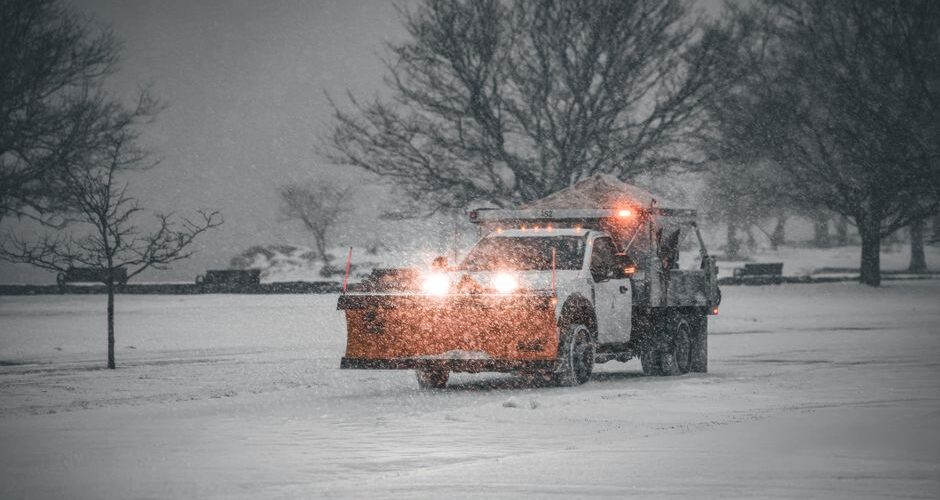
Snow in Denver does not announce itself politely. A lot can go from clear pavement to a safety hazard overnight, and the businesses that recover fastest are almost always the ones that did their homework in the fall. Preparing for commercial snow removal in Denver means locking down contracts, defining response terms, and walking your property long before the first flakes fall. The work you do in advance is what keeps parking lots, walkways, and loading zones usable when winter actually arrives.
This guide walks through the practical steps commercial property managers can take, from understanding who clears what to protecting landscaping and setting up a communication plan that works at 4 a.m.
Start Planning Before the First Storm
Denver snow removal planning guides consistently point to one theme: the decisions that matter most are made before winter. Practical planning steps help commercial property managers get ready rather than react. That includes confirming service coverage, reviewing contract language, identifying problem areas on site, and making sure someone on your team can answer a phone in the middle of the night.
Property managers who wait until the first measurable snowfall are negotiating from a weak position. Contractors are already deployed, equipment is committed, and site assessments happen in a rush. The alternative is a calm, methodical review in the weeks before the season starts, when there is time to ask questions and adjust terms.
Confirm What Your Team Is Responsible For
One of the most common sources of winter confusion is the boundary between public streets and private property. In Denver, emergency snow response on city streets falls under the Department of Transportation and Infrastructure, commonly known as DOTI. Their crews run a response plan built for normal winter conditions across the city network.
Public Streets Versus Private Parking Lots
Your parking lot, drive lanes, sidewalks, building entrances, and loading areas sit on private property. Those surfaces are your responsibility, not the city’s. Before the season starts, map out exactly which surfaces your snow contractor covers and which ones fall to someone else, whether that is an in-house maintenance team, a landscaping vendor, or a tenant.
Get that scope in writing. A written site map showing plow routes, shoveled walkways, and areas that receive no service prevents arguments later and makes it easier to hold a contractor accountable.
Set Clear Trigger Depths and Response Expectations
Seasonal snow contracts typically work on trigger-depth terms. A trigger depth is the amount of accumulated snow that activates service, and it is one of the most important numbers in your agreement. Two contracts can look identical on price while behaving very differently because of how the trigger is defined.
Ask how the depth is measured and where. Is it a single reading at one point on the property, or an average across the site? Is service activated while snow is still falling, or only after the storm ends? Does the trigger reset if a second band moves through hours later? Clear answers to these questions tell you whether your lot gets cleared during a long event or sits covered until it is over.
Response expectations matter just as much. Confirm who you call, how quickly a crew is dispatched, and whether the contractor monitors weather around the clock. Reliable commercial snow removal in the Denver metro area depends on contractors who watch conditions continuously rather than waiting for a phone call.

Choose the Right Contract Structure
Denver snow removal pricing guides aimed at facilities managers highlight a structural choice that has real budget consequences: single-season versus multi-year agreements. Many Denver snow removal contractors offer meaningful pricing advantages for multi-year contracts, typically ranging from 5 to 15 percent below single-season rates.
What Multi-Year Agreements Offer
A multi-year agreement spreads the contractor’s setup costs across more than one winter and gives them predictable revenue, which is why the discount exists. For a property manager, the trade-off is flexibility. Locking in a lower rate makes sense if you are confident in the contractor’s performance and the property is not changing dramatically.
Read the renewal and termination language carefully either way. If the agreement auto-renews, know the notice window. If it does not, know what happens at the end of the term. Also confirm whether ice control materials and snow hauling are included or billed separately, since those line items can shift the total cost more than the base rate does.
Walk Your Property Before the First Storm
Site preparation is the step that prevents expensive damage. Professional snow plowing relies on patterns and strategies designed to clear lots safely and efficiently, and those strategies depend on knowing what is under the snow.
Schedule a walkthrough with your contractor and flag anything a plow blade could hit. Curbs, raised islands, speed bumps, fire hydrants, drain inlets, light poles, signposts, bollards, and overhead structures all need to be identified. Photograph the property in clear conditions so you have a reference point. Mark obstacles with stakes or flexible markers if your site allows it.
This is also the time to look at drainage. If meltwater has nowhere to go, refreezing creates black ice in the same spots every winter. Note those areas and ask how your contractor plans to handle them.

Plan for Snow Storage and Hauling
Plowed snow has to go somewhere. On a large lot, pushing snow to the perimeter may be enough. On a tight urban site, at a retail center, or in a lot ringed by landscaping, storage space runs out fast, and piles that block sightlines or shrink parking capacity create their own problems.
Decide in advance where snow will be stacked and identify the areas that must stay clear, such as accessible parking spaces, fire lanes, and dumpster access. If your property has no viable on-site storage, snow hauling and disposal should be part of the contract conversation rather than an emergency request mid-storm. Confirm who arranges hauling, where the snow goes, and how it is billed.
Protect Landscaping, Trees, and Pavement
Snow removal can damage the property it is meant to protect. Trees, shrubs, and turf along plow routes are common casualties, and heavy equipment on frozen ground can scar asphalt edges and concrete curbs.
For trees specifically, official City and County of Denver guidance advises checking that a tree is safe and clear of all utility lines before removing snow from it. If the tree is clear of utility lines, use a broom to remove as much snow as possible rather than knocking it off with force. Never work around branches that are contacting power lines. Report those to the utility instead.
On the pavement side, ask your contractor about blade types and plowing patterns for sensitive surfaces. Not every lot can be cleared the same way, and a contractor who adjusts technique to the site will cause less long-term repair work.
Build a Communication Plan
Winter storms do not respect business hours, so your contact plan should not depend on them. Collect after-hours phone numbers for your contractor, your on-site maintenance lead, and any tenant who needs to be reachable. Share a single point of contact so information does not scatter across group texts.
Tell tenants and employees what to expect. If the lot will be plowed overnight, say so. If certain entrances will be closed while walkways are cleared, post it. A brief note before the season starts prevents a season’s worth of confusion, and it gives people a number to call when they see a problem rather than simply working around it.

Budget for the Whole Season, Not Just the Base Rate
Snow budgets go sideways when property managers plan around the contract rate alone. Ice control materials, hauling, and any per-event overages can add up quickly in a heavy winter. Ask your contractor to break out what is included and what triggers additional charges, then build a contingency into your numbers.
If your board or ownership group needs to approve spending, get that approval before the season starts. Approving an emergency ice control invoice in January is far more uncomfortable than approving a seasonal budget in October. Keep your contract, site map, and contact list in one place so anyone covering for you can find them.
Frequently Asked Questions
Who clears snow on Denver city streets?
Emergency snow response on Denver city streets falls under the Department of Transportation and Infrastructure, known as DOTI. Their crews operate the city’s snow response plan for public roads. Private parking lots, drive lanes, sidewalks, and building entrances are not part of that service and remain the responsibility of the property owner or manager.
What is a trigger depth in a snow removal contract?
A trigger depth is the amount of accumulated snow that activates service under a seasonal contract. When accumulation reaches that threshold, the contractor dispatches crews. Because measurement locations and timing vary between agreements, ask how and where the depth is measured, and whether service continues during a storm or only begins once it ends.
Do multi-year snow removal contracts cost less?
They often do. Many Denver snow removal contractors offer pricing advantages for multi-year contracts, typically in the range of 5 to 15 percent below single-season rates. The discount reflects the contractor’s predictable revenue across multiple winters. Review renewal, termination, and material billing terms carefully before committing to a longer agreement.
Should I remove snow from trees on my commercial property?
City and County of Denver guidance says to first confirm the tree is safe and clear of all utility lines. If it is clear, use a broom to remove as much snow as possible rather than striking the branches. Never remove snow from a tree that is contacting power lines. Contact the utility instead and keep people away from the area.
When should I start preparing for snow removal season?
Planning should begin well before the first snowfall, while contractors still have capacity and there is time to review terms. Use that window to confirm scope, set trigger depths, walk the property, decide on snow storage, and distribute contact information to tenants. Property managers who handle these steps in advance spend the winter responding to storms instead of scrambling through them.