

Denver averages roughly 56 inches of snow each year, and the real danger is often the ice that forms beneath it. For commercial property managers, that combination of volume and refreeze turns a parking lot into a season-long operational problem rather than a one-time cleanup task. A lot that looks clear from the office window can still hide a sheet of ice at the entrance, on the ramp, or along the accessible route.
City rules add a deadline to the safety concern. Denver requires property owners to clear snow from parking lots within 24 hours after a snowfall ends. Missing that window invites complaints, potential fines, and slip-and-fall exposure. The strategies below cover how to plan, contract, and execute parking lot snow removal in Denver so your property stays open, accessible, and defensible from the first storm to the last.
Know What Denver Expects From Commercial Property Owners
Emergency snow response on public streets falls under Denver’s Department of Transportation and Infrastructure (DOTI). Those crews handle roadways and the city’s own snow plan. Private parking lots, garages, drive lanes, and walkways are the responsibility of the property owner or manager.
Denver’s 24-hour clearing expectation applies to parking lots, and public parking lots and garages can face a potential $150 fine when snow is left in place. If a lot in your area is not being cleared, Denver residents can contact Denver 311 with the address. For a property manager, the practical takeaway is simple: build your response plan around a clock that starts when the snow stops falling, not when someone finally notices the lot is buried.
Map the Site Before the First Snowfall
The cheapest hour you will ever spend on winter operations happens in October. Walk the property and mark every area that has to be cleared or protected, then hand that map to your snow contractor before the season starts.
- Building entrances, vestibules, and the walkways that feed them
- ADA routes and accessible parking stalls, which must stay usable, not just plowed
- Drive lanes, fire lanes, and turn radii for delivery vehicles
- Snow storage zones where pushed piles will not block sight lines or shrink parking counts
- Drain inlets and low spots where meltwater refreezes overnight
- Curbs, islands, and light poles that plow operators need to see under fresh snow
Snow and ice management for a Denver commercial property is only as good as the operator’s knowledge of the site. On a mapped property, a driver knows where to push, where to stack, and where to stop.
Choose Between Seasonal Contracts and Per-Event Service
Most Denver commercial properties choose one of two structures. A seasonal contract covers the property for the winter on agreed terms, which makes budgeting straightforward and keeps you at the front of the dispatch list. Per-event service bills for each storm, which can suit a low-traffic lot or a property testing a new contractor.
Either way, the contract should spell out what gets cleared, how quickly, and who decides when a storm triggers service. Ask directly what happens during a back-to-back storm cycle, and confirm whether deicing materials, hauling, and sidewalk clearing are included or billed separately. Costs vary widely by lot size, surface area, and service level, so get a written quote for your specific property rather than comparing someone else’s numbers.
Set Trigger Depths That Match Your Traffic
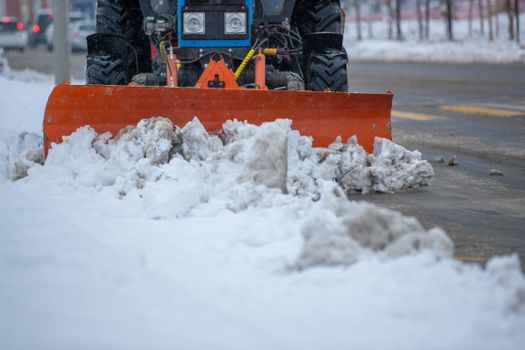
Seasonal snow removal contracts often use trigger-depth terms, meaning the contractor dispatches when accumulation reaches an agreed measurement. That single number shapes your entire winter.
A retail center that opens early needs a low trigger so the lot is passable before the first customer arrives. A distribution yard running overnight shifts may need service timed between shift changes instead. An office campus can sometimes accept a higher trigger with a firm deadline attached. Match the number to your operating hours and your liability tolerance, then write it down. Vague language like “as needed” is how lots end up waiting until morning.
Prioritize ADA Routes, Entrances, and Pedestrian Paths
Plowing the open middle of a lot is the easy part. The hard part, and the part that generates claims, is everything people touch on foot. Complete snow and ice management includes parking lot plowing alongside sidewalk shoveling, building entry clearing, and ADA route maintenance.
Sequence matters. Clear entry walks and accessible routes first or at the same time as the lot, not after. When plows push snow from drive lanes, they should be stacking it away from curb ramps and walkways rather than carving a ridge across them. If your property has multiple buildings, prioritize the highest-traffic entrance and the accessible route serving it, then work outward.
Match Ice Control Materials to Conditions
Ice that forms beneath snow is the hazard that catches people off guard. Salting and deicing keep surfaces walkable between storms, and pre-treatment before a forecast event can reduce how hard the snow bonds to asphalt.
Sand adds traction but does not melt anything, so it works as a supplement rather than a replacement for deicing. Which product fits your lot depends on surface temperatures, the amount of foot traffic, and the finish on your concrete or pavers. Ask your contractor which materials they plan to use on your property and whether any of them could affect landscaping, entry flooring, or pet traffic in a residential community.
Plan Snow Storage and Hauling Before You Need It
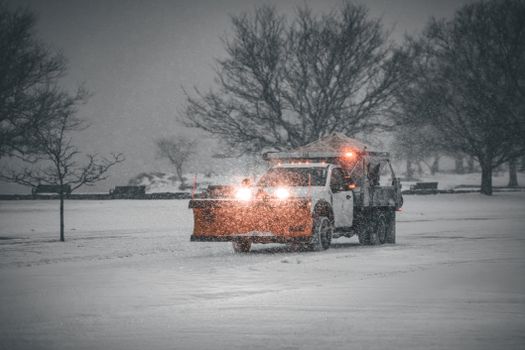
Every push of snow has to go somewhere. Early-season storms are forgiving because there is room to stack. By the third or fourth event, those piles have nowhere left to grow and start eating parking stalls, blocking signage, and narrowing drive lanes.
When on-site storage runs out or when piles create visibility problems at exits, snow hauling and disposal services become the answer. Loading and trucking snow off-site is slower and more expensive than pushing it, so plan your hauling triggers in advance. A good rule is to schedule hauling when storage capacity drops below the volume you would need for one more major storm.
Tighten Timing With 24/7 Dispatch
Denver storms do not respect business hours. A system that drops six inches overnight needs to be addressed before employees and customers arrive, which means your contractor has to be reachable and staffed around the clock. Emergency snow plowing and ice removal on a 24/7 dispatch model is what keeps a property from opening late.
Ask your provider how dispatch actually works: who answers the phone at 2 a.m., how crews are assigned, and how they communicate status back to you. Proactive monitoring during a storm, rather than waiting for a call, is what separates a managed property from a reactive one.

Document Everything for Liability Protection
If someone falls in your lot, the first question is what the property did and when. Service logs with timestamps, material application records, and photos of cleared surfaces create a defensible record of reasonable care. Keep them for the full season and store them where you can find them quickly.
Also collect your contractor’s certificate of insurance before work begins, and confirm that crews are trained on the equipment they operate. Risk management protocols are not paperwork for its own sake. They are what protects both the property owner and the snow removal company when a claim arrives months later.
Work With a Denver Contractor Who Knows the Metro
Local experience matters in a market with this much freeze-thaw cycling. A Denver-based commercial snow removal and plowing company has spent decades learning how Front Range storms behave, how quickly surfaces refreeze after a sunny afternoon, and which neighborhoods get hit first. A provider with more than 47 years in the metro has already made the mistakes somewhere else.
Look for a team that handles parking lots, industrial parks, HOA communities, and office campuses as core work rather than a seasonal side offering. If you manage a commercial property and want a plan in place before the next storm, call 303-591-2089 for a quote and a walkthrough of your site.
Frequently Asked Questions
How quickly must a Denver commercial parking lot be cleared after snow?
Denver requires property owners to clear snow from parking lots within 24 hours after a snowfall ends. Treat that as the outside deadline, not the goal. Most commercial properties aim to have drive lanes, entrances, and pedestrian routes passable well before the 24-hour mark, especially if the lot opens early or serves customers throughout the day.
What happens if a parking lot is not cleared?
Public parking lots and garages can face a potential $150 fine for snow that is left in place. Residents can also report an uncleared lot to Denver 311 by providing the address. Beyond fines, an uncleared surface raises the risk of slip-and-fall claims, which typically cost far more than any citation.
Who is responsible for clearing snow on Denver roads and lots?
Denver’s Department of Transportation and Infrastructure (DOTI) handles emergency snow response on public streets. Private parking lots, drive lanes, sidewalks, and building entrances are the property owner’s responsibility. If you manage a commercial site, confirm that your contract covers every paved and pedestrian surface, not just the main lot.
Should I choose a seasonal contract or per-event snow removal?
Seasonal contracts give predictable budgeting and priority dispatch, which suits most commercial properties, HOAs, and industrial sites. Per-event service can work for low-traffic lots or a first season with a new provider. Whichever you pick, confirm trigger depths, what is included, and how hauling and deicing are billed before signing.
What is a trigger depth in a snow removal contract?
A trigger depth is the accumulation measurement at which your contractor dispatches crews. A low trigger means service starts earlier and often costs more; a higher trigger delays response. Choose a number that matches your operating hours and pedestrian traffic, and put it in writing so both sides know exactly when the clock starts.