
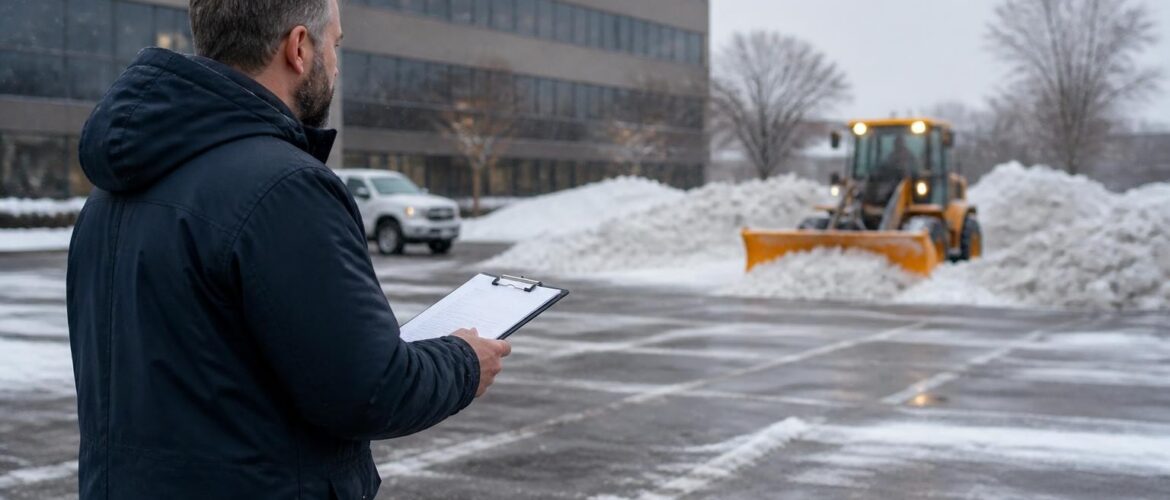
When winter storms blanket commercial properties with snow and ice, operations grind to a halt, liability risks skyrocket, and accessibility becomes a critical concern. Local snow removal services provide the expertise, equipment, and rapid response necessary to keep businesses operational during the harshest weather conditions. For property managers overseeing large parking lots, industrial parks, office campuses, and HOA communities, partnering with experienced professionals ensures safety, minimizes downtime, and protects against costly legal exposure throughout the winter season.
Understanding the Scope of Professional Snow Removal
Local snow removal services encompass far more than simply pushing snow off driveways. Professional operators deliver comprehensive winter maintenance programs tailored to the unique demands of commercial properties.
Core Service Offerings
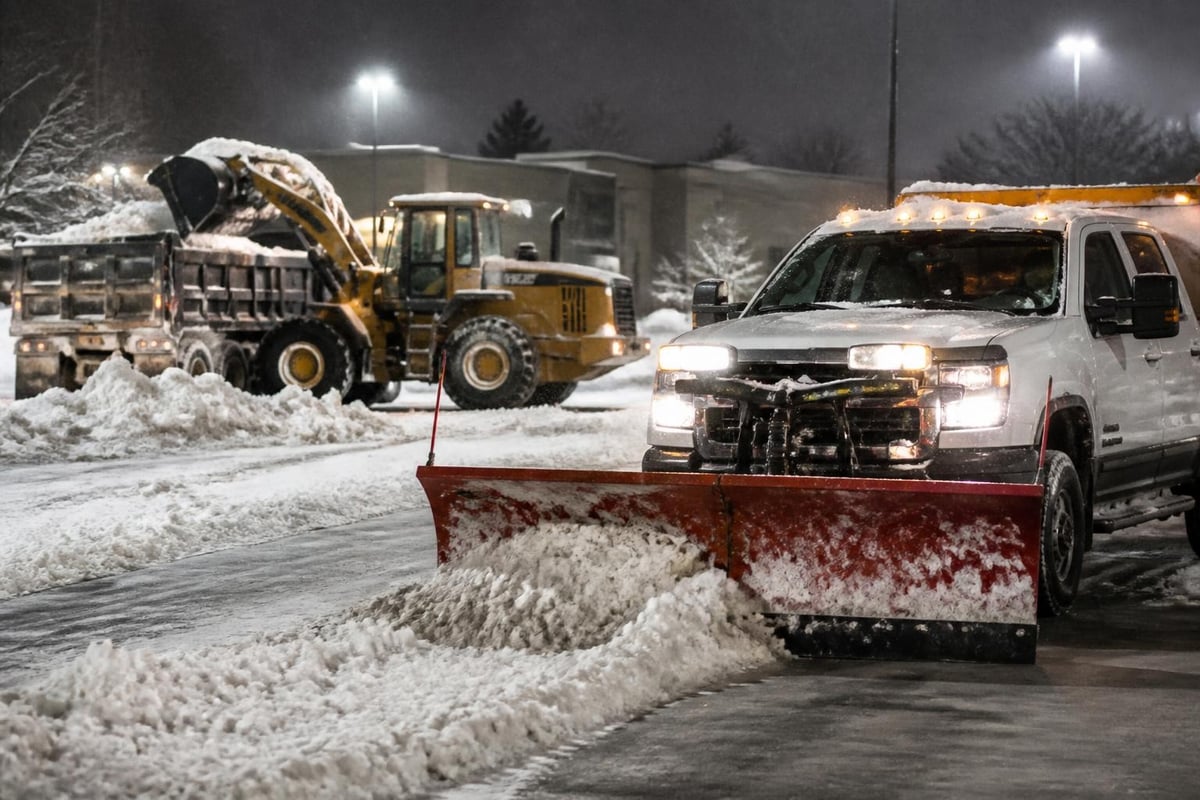
Commercial snow removal providers typically offer a suite of integrated services designed to address every aspect of winter property management. Plowing operations clear main thoroughfares, parking lots, and loading zones using specialized equipment ranging from pickup-mounted plows to heavy-duty loaders. Deicing and salting applications prevent dangerous ice formation and improve traction on walking surfaces and roadways. Snow hauling and relocation becomes necessary when accumulation exceeds storage capacity on-site or when snow piles obstruct sight lines and parking spaces.
Beyond these fundamental services, professional contractors provide sidewalk clearing, storm drain maintenance, and emergency response capabilities that operate around the clock. The most reliable providers maintain 24/7 dispatch operations to address sudden weather events and early-morning clearing requirements before business hours begin.
Evaluating Service Providers in Your Area
Selecting the right partner for winter property maintenance requires careful assessment of multiple factors that directly impact service quality and reliability.
Experience and Track Record
Years in operation provide strong indicators of a company's ability to weather economic cycles, maintain equipment fleets, and retain skilled operators. Firms with decades of experience have refined their processes, developed comprehensive safety protocols, and built relationships with suppliers that ensure material availability during peak demand periods.
Request references from properties similar to yours in size, complexity, and usage patterns. Speak directly with property managers who have worked with the contractor through multiple seasons to understand response times, communication quality, and problem-resolution capabilities.
Equipment and Resource Capacity
The equipment a contractor maintains directly determines their ability to service large commercial properties efficiently. A robust fleet should include:
- Heavy-duty trucks with front-mounted plows for main arteries
- Skid steers and loaders for tight spaces and snow stacking
- Sidewalk equipment including blowers and small plows
- Salt spreaders and liquid deicing systems
- Backup equipment to maintain service during mechanical failures
Verify that the contractor owns their equipment rather than relying on subcontractors or rental units. Equipment ownership demonstrates financial stability and ensures availability during peak storm periods when rental markets become saturated.
| Evaluation Criteria | Why It Matters | Questions to Ask |
|---|---|---|
| Insurance Coverage | Protects against liability and property damage claims | What are your general liability and workers' comp limits? |
| Service Area | Determines response time and priority during storms | How many properties do you service within five miles? |
| Contracts & Terms | Establishes clear expectations and pricing structure | Do you offer per-push, seasonal, or hourly arrangements? |
| Quality Control | Ensures consistent service delivery | How do you monitor and document service completion? |
Service Agreement Structures and Pricing Models
Local snow removal services typically offer several contract structures, each with distinct advantages depending on your property's characteristics and budget considerations.
Seasonal Contracts
Seasonal agreements establish a flat fee covering all snow events throughout the winter season, regardless of frequency or severity. This model provides budget certainty and eliminates financial surprises during heavy snow years. Property managers can forecast winter maintenance costs accurately and avoid the cash flow challenges associated with unexpected storm clusters.
The trade-off involves potentially paying for coverage during mild winters with below-average snowfall. However, the risk transfer to the contractor creates value by protecting against catastrophic expense spikes during severe weather patterns.
Per-Occurrence Pricing
Per-push or per-event contracts bill separately for each service call based on predetermined rates tied to accumulation depths. Properties pay only for actual services rendered, creating cost efficiency during light snow years.
This structure requires careful attention to Denver’s sidewalk snow removal ordinance and other municipal requirements that mandate clearing regardless of cost considerations. Budget planning becomes more challenging, and properties may face difficult decisions about service frequency during periods of financial constraint.
Hourly Rate Agreements
Hourly billing works best for properties with unpredictable needs or those requiring supplemental services beyond standard plowing and salting. This flexible approach accommodates special projects, such as relocating accumulated snow piles or clearing areas not included in standard service routes.
Most commercial properties benefit from combining seasonal or per-occurrence base contracts with hourly provisions for specialized work as needs arise.
Environmental Considerations and Best Practices
The chemicals and methods used by local snow removal services carry significant environmental implications that responsible property managers must address.
Salt and Chemical Management
Traditional rock salt (sodium chloride) remains the most common deicing agent due to its effectiveness and low cost. However, excessive salt application creates serious environmental consequences including freshwater salinization and harm to vegetation, infrastructure, and aquatic ecosystems.
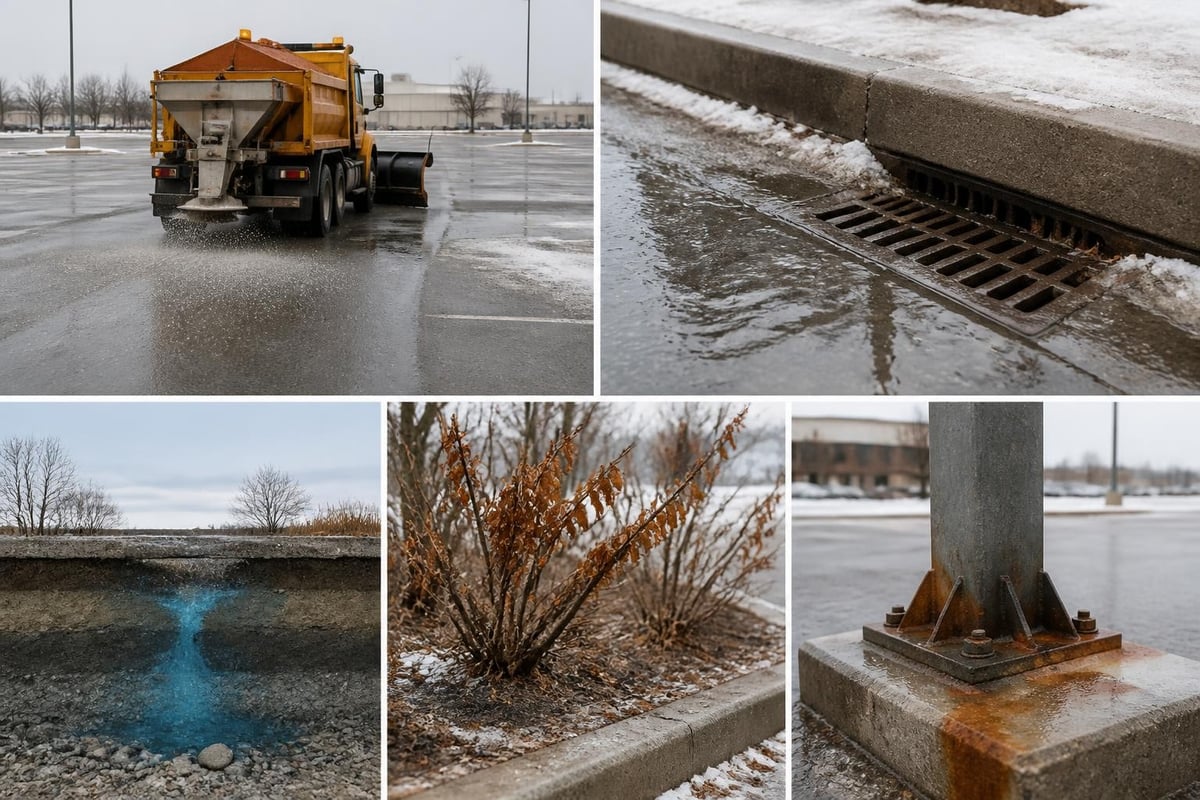
Forward-thinking contractors employ calibrated spreaders that apply precise quantities based on surface temperature and precipitation type. Pre-treatment applications using liquid brines prevent ice bonding and reduce total salt consumption by 20-30% compared to reactive approaches.
Alternative deicing products including calcium chloride, magnesium chloride, and organic additives offer improved performance at lower temperatures or reduced environmental impact. Discuss material options with prospective contractors and understand the environmental overview of road salt to make informed decisions aligned with your sustainability objectives.
Stormwater and Runoff Management
Deicing chemicals inevitably wash into storm drains, carrying contaminants into natural waterways. Property managers should verify that contractors follow EPA guidance on green infrastructure and groundwater protection when determining application rates and selecting materials.
Coordinate snow pile placement to minimize meltwater flow into sensitive areas. Designate snow storage zones that drain toward vegetated areas capable of filtering runoff rather than directing all flow to impervious surfaces and storm systems.
Safety and Liability Protection
Beyond operational convenience, local snow removal services provide critical risk mitigation that protects property owners from legal exposure and financial loss.
Slip-and-Fall Prevention
Premises liability holds property owners responsible for maintaining safe conditions for employees, customers, and visitors. Snow and ice create hazardous conditions that generate thousands of slip-and-fall claims annually, with average settlement costs exceeding $20,000 and severe cases reaching seven figures.
Professional snow removal establishes defensible evidence that property owners exercised reasonable care to maintain safe conditions. Documented service records, photographic evidence, and weather-monitoring logs demonstrate proactive risk management in the event of litigation.
Documentation and Record Keeping
Reputable contractors maintain detailed service logs documenting arrival times, departure times, conditions encountered, materials applied, and areas serviced. Many now employ GPS tracking and timestamped photography to create indisputable records of work performed.
Request access to these documentation systems and ensure your contracts specify record retention periods of at least three years to align with typical statute of limitations timelines for premises liability claims. The Insurance Institute for Business & Home Safety provides additional resources on risk reduction strategies and documentation best practices.
Operational Planning and Communication Protocols
Successful partnerships with local snow removal services require clear communication channels and well-defined operational procedures established before the first snowflake falls.
Service Level Expectations
Define specific triggers for service initiation, such as "Begin plowing when accumulation reaches two inches" or "Apply deicing materials when freezing precipitation begins." Establish priority zones requiring expedited attention, such as emergency access routes, handicap parking areas, and main entrances.
Create detailed site maps identifying property boundaries, sensitive landscaping areas, underground utilities, fire hydrants, and preferred snow stacking locations. Share these materials with contractors during pre-season walkthroughs to prevent damage and ensure efficient operations.
Understanding average snowfall patterns by month helps establish realistic service frequency expectations and budget allocations for different phases of winter.
Communication Channels
Establish primary and backup contact methods for both routine updates and emergency situations. Many contractors now offer customer portals or mobile apps providing real-time service status updates, equipment location tracking, and electronic invoicing.
Designate a single point of contact on your team with authority to make operational decisions during storm events. This eliminates confusion and delays when weather conditions change rapidly and immediate action becomes necessary.
Technology Integration and Service Enhancement
Modern local snow removal services increasingly leverage technology to improve efficiency, transparency, and service quality.
GPS Tracking and Reporting
Telematics systems installed on plowing equipment provide real-time location data, route verification, and automated service documentation. Property managers can access web portals showing exactly when crews arrived, which areas received service, and how long operations required.
This transparency eliminates disputes about service delivery and provides valuable data for optimizing service plans. Historical tracking data reveals traffic patterns, problem areas requiring extra attention, and opportunities to improve efficiency in future seasons.
Weather Monitoring Integration
Sophisticated contractors subscribe to hyperlocal weather monitoring services providing hour-by-hour forecasts, precipitation type predictions, and pavement temperature data. This intelligence enables proactive resource deployment and preventive treatments that reduce overall material consumption while maintaining superior surface conditions.
Some services offer automated alerts notifying property managers when weather conditions trigger predetermined service protocols, ensuring everyone stays informed without requiring constant monitoring.
Preparing Your Property for Service
Property owners and managers share responsibility for creating conditions that allow local snow removal services to operate efficiently and safely.
Pre-Season Site Preparation
Complete seasonal snow preparation steps well before winter arrives. Mark curbs, parking bumpers, landscaping edges, and other obstacles that become invisible under snow cover. Remove seasonal planters, decorative barriers, and temporary signage that interfere with plowing operations.
Inspect and repair parking lot surfaces, filling potholes and addressing drainage issues that worsen under freeze-thaw cycles. These proactive measures prevent equipment damage and improve service quality.
Ongoing Coordination
Communicate parking restrictions and high-traffic periods to your contractor. Notify them of special events requiring early clearing or extended service hours. Alert them to new construction, utility work, or temporary obstacles that affect normal service routes.
Maintain clear access to snow storage areas and loading zones where contractors stage equipment. Blocked access delays service and creates dangerous conditions when crews cannot reach critical areas promptly.
Evaluating Service Quality and Performance
Continuous monitoring ensures your local snow removal services provider maintains the standards your property requires and your contract specifies.
Performance Metrics
Track key indicators including:
- Response time from weather event start to service initiation
- Completion time from arrival to full service delivery
- Surface condition quality based on visual inspections and incident reports
- Communication effectiveness during planning and execution phases
- Customer satisfaction from tenants, employees, and visitors
| Performance Area | Target Standard | Measurement Method |
|---|---|---|
| Emergency Response | Within 2 hours of trigger depth | GPS timestamp verification |
| Parking Lot Clearing | Complete before business hours | Visual inspection + photos |
| Sidewalk Safety | Ice-free within 4 hours of precipitation end | Compliance monitoring + tenant feedback |
| Material Application | Calibrated to conditions | Usage reports vs. weather data |
Schedule quarterly reviews during the off-season to discuss performance data, address concerns, and plan improvements for subsequent years. Strong contractor relationships built on transparent communication and mutual respect yield superior long-term results.
Financial Considerations and Budget Planning
Understanding the economic factors driving local snow removal services helps property managers negotiate fair contracts and allocate appropriate resources.
Cost Variables
Multiple factors influence pricing including property size, surface complexity, accessibility challenges, service frequency requirements, and material specifications. Labor availability fluctuates based on regional unemployment rates and competition from other industries for qualified equipment operators.
Equipment costs have risen substantially in recent years due to supply chain disruptions, emission regulation compliance requirements, and advanced technology integration. Contractors must recover these capital investments through service rates while maintaining competitive pricing.
Insurance premiums for snow removal operations continue climbing as liability claims increase in frequency and severity. Reputable contractors carrying appropriate coverage levels factor these costs into their pricing structures.
Long-Term Value Assessment
Evaluate contractor proposals based on total value delivered rather than lowest bid price alone. Reliable service preventing slip-and-fall claims, operational disruptions, and reputation damage delivers returns far exceeding modest premium pricing.
Consider the financial implications of service failures including lost revenue from inaccessible facilities, emergency service surcharges from replacement contractors, and legal expenses defending preventable liability claims. These avoided costs often justify selecting premium service providers over budget alternatives.
Regulatory Compliance and Licensing
Legitimate local snow removal services maintain proper licensing, insurance, and regulatory compliance that protects clients from liability transfer and service interruptions.
Required Credentials
Verify that prospective contractors hold current general liability insurance with limits appropriate to your property value and exposure level. Minimum recommended coverage is $2 million per occurrence for commercial properties, with umbrella policies extending protection to $5 million or higher for large facilities.
Workers' compensation insurance protects property owners from claims filed by contractor employees injured while servicing your site. Request certificates of insurance directly from the contractor's insurance carrier to verify active coverage rather than accepting expired or fabricated documents.
Most jurisdictions require business licenses and commercial vehicle registrations for snow removal operations. Some municipalities mandate specific contractor certifications or bond requirements for work on public infrastructure or municipal contracts.
The Small Business Administration provides resources on licensing, insurance, and regulatory requirements for service businesses that help property managers understand reasonable expectations for professional contractors.
Contract Terms and Protections
Well-drafted service agreements should specify scope of services, response time commitments, pricing structures, payment terms, liability allocation, and dispute resolution procedures. Include provisions addressing acts of God, equipment failures, labor shortages, and other circumstances that might prevent service delivery.
Indemnification clauses that hold contractors responsible for damages caused by their negligence or improper service delivery provide critical protection. Ensure contracts specify that contractors will defend and hold harmless your organization from third-party claims arising from the contractor's work.
Request right-to-cure provisions allowing you to hire replacement contractors at the original contractor's expense if they fail to perform as specified. This ensures service continuity during critical weather events without leaving you without recourse for contractor defaults.
Professional snow management requires expertise, equipment, and dedication that extend far beyond occasional plowing operations. Selecting qualified local snow removal services partners who understand commercial property demands, maintain appropriate resources, and prioritize safety and environmental responsibility creates value throughout winter operations. With over 47 years of experience serving Denver's commercial properties, Denver Snow Removals delivers the 24/7 emergency response, specialized equipment, and proven performance that keeps parking lots, industrial parks, office campuses, and HOA communities safe and accessible through the harshest winter conditions.