
Denver hotels do not stop operating when snow starts to fall. Guests still check in, staff still works overnight, and a storm does not pause the daily flow of the building. For hotel owners and managers, snow removal becomes one of the most visible parts of the guest experience. If the parking lot is not plowed, the entrance is icy, or the sidewalks are buried, the property feels closed even when the lobby is open.
Most hotels do not own plow trucks or keep their own snow crews. Unless a property has its own snow removal equipment, it depends on a contractor in the same way most businesses do. Hotel snow removal in Denver is rarely a single visit after a storm. It is a service that has to match the property layout, the arrival schedule, and the changing conditions of a winter storm.
Why Hotel Snow Removal Is a Safety Priority
Snow and ice do not wait for a convenient time. A guest with luggage crossing a frozen parking lot is a risk that hotels face throughout the winter. When snow or ice is left on the premises, the chance of a serious slip and fall goes up. Property owners can face serious consequences if a guest is injured on an uncleared surface. That alone makes snow removal a serious responsibility for hotels.
A hotel property is public space with heavy daily use. Guests move through the entrance, the drop-off zone, and the parking areas at all hours. Accessible ramps, sidewalks near the street, and the path from the lot to the lobby all have to be part of the plan. When a heavy storm hits, snow covers the whole parking area at once. It fills curbs, wheel stops, and end spaces as quickly as it covers the main drive lane. A single pass down the middle of the lot will not keep a hotel operational.
What Makes Hotel Snow Removal Different
Hotels face a question that office buildings rarely do: how do you remove snow while guests are present? Lodging operators discuss this challenge every winter. The property is active around the clock. Guests arrive late, leave early, and step outside at all hours. Plowing cannot happen in an empty lot, and guests cannot wait until the storm passes to use the parking area.
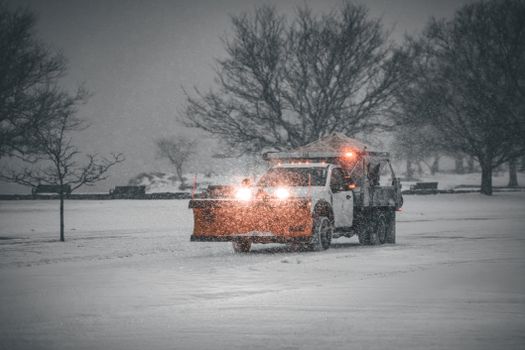
Contractors familiar with hotel work often recommend at least two visits for each snowfall. The first visit opens up the property by clearing the drive lanes and access points while the storm is still active. The second visit is a full cleanup that deals with the places where snow has piled up again. On some accounts, early visits are handled on an hourly rate with a one-hour minimum so drive lanes can be cleared before a full cleanup crew arrives. Hotel managers should ask how visits are scheduled and how the contract defines the service expected at each stage of the storm.
City Ordinances and the Property Owner’s Duty
Snow removal laws are not the same across all cities. They are governed by city ordinances, and local rules typically dictate the legal responsibility to clear snow and ice from public sidewalks and walkways next to a property. A Denver hotel may have a different obligation than a hotel in another city, and the requirement can depend on where the property sits and how the local code is written.
When snow and ice are not cleared, the result can be a guest injury and a dispute over who is responsible. In many jurisdictions, property owners who fail to clear snow and ice can face liability if someone slips and falls. Hotel owners should identify the city department that handles sidewalk maintenance and right-of-way questions so they know what applies to their specific location. General guides to snow removal laws across the United States point to one consistent theme: local ordinances set the rules, and they vary by state and by city.
Accessibility on Snowy Days
A clear front door means little if the only way to reach it is blocked. Accessibility standards exist to keep property routes usable for everyone, and some state offices publish detailed snow removal and accessibility guidance that explains who is responsible for clearing snow and how property owners can get help. Hotels should treat accessible parking spaces, curb ramps, and the path to the lobby as priority surfaces during every storm. Property teams should check the guidance that applies to their city before the season begins.
If the main entrance is clear but the accessible route is still covered, the property is not fully open for all guests. During heavy snow, those routes often are the last to be cleared when a plan is built only around the front drive. Putting accessibility at the top of the priority list protects guests who depend on those paths and keeps the hotel aligned with the purpose behind local rules.
What a Hotel Snow Removal Plan Should Cover
A hotel snow removal plan should be written before the first storm of the season. It needs to identify the areas that matter, the order in which they will be cleared, and the people who will handle decisions during an event.
- The main entrance, canopy, and passenger drop-off zone cleared before arrival peaks.
- Walkways, steps, and ramps treated with ice melt to give guests traction.
- Parking aisles opened early so vehicles can move through the lot safely.
- Accessible parking spaces and the routes to the lobby kept clear during the whole event.
- A plan for snow hauling when the lot begins to run out of stacking space.
- A direct communication line between the hotel manager on duty and the snow crew.
The front desk is part of the plan as well. Guests will ask if the lot is cleared, where they should park, and how bad the roads are. Staff members should have answers that match the conditions outside. A plan also has to account for storms that continue through the day. Snow may return to areas that were cleared hours earlier, and a property that looked good at breakfast may need another visit before dinner.
Working with a Commercial Snow Removal Company in Denver
Hotels need a company that can respond when the storm is actually happening. A commercial provider with a long history in the Denver metro area brings experience with parking lots, drive lanes, and the emergency calls that come in at night. Providers with 24/7 emergency service can address a lot that was not on the schedule until snow began. For properties under a seasonal contract, service is secured before the season starts, and the agreement should reflect the expectations of the hotel team.
Hotel brands and independent properties alike need to source commercial snow removal carefully, because safety depends on a company that arrives when it says it will. Property managers should review the contractor’s experience, ask how emergency calls are handled, and confirm the equipment can handle a full hotel parking lot. The best partner is one that treats the hotel as a live environment rather than an empty lot.
Keeping Guests Informed During a Storm
Clear communication reduces risk. When a storm is underway, the front desk should know when the last plow visit happened and when the next one is expected. Guests who arrive during heavy snow need honest direction about which areas are clear. They also need to know that the lot may be slick even after it has been plowed.
Property teams and snow crews share the same goal: keep the entrance clear and the lot usable. When the two sides communicate, guests get accurate information and the snow team can adjust its plan. Hotels that keep their team informed through the event make better decisions about reopening areas and calling for additional visits.
Frequently Asked Questions
Who is responsible for removing snow and ice at a hotel?
The property owner or property manager is usually responsible for keeping the hotel grounds safe. Hotels without their own snow removal equipment rely on a commercial contractor. Snow removal laws are governed by city ordinances, so the exact duty can vary by address. Hotel managers should verify what the city requires for the sidewalks and walkways near their property.
Why do hotels hire contractors instead of clearing snow with their own staff?
Most hotels do not own plow trucks, loaders, or the staff to run them overnight. Unless a hotel has its own snow removal equipment, it depends on a contractor just like most businesses do. A commercial snow removal company provides the equipment, crew, and emergency response that a hotel needs when snow arrives quickly and covers the entire parking area.
How many times will a snow removal crew visit during a single storm?
Many contractors recommend at least two visits for each snowfall. The first visit opens up the property by clearing drive lanes and access points. The second visit is a full cleanup after the storm ends. On some accounts, early visits are billed on an hourly rate with a one-hour minimum. Hotel managers should review their contract to confirm what is included.
What should guests do while the parking lot is being cleared?
Guests should use walkways that have been cleared and avoid shortcuts across snowy or icy areas. They can ask the front desk which entrance is safest and whether the lot is open. After plowing, the pavement can still be slick, so guests should allow extra time and watch for icy patches while walking to their vehicles.