
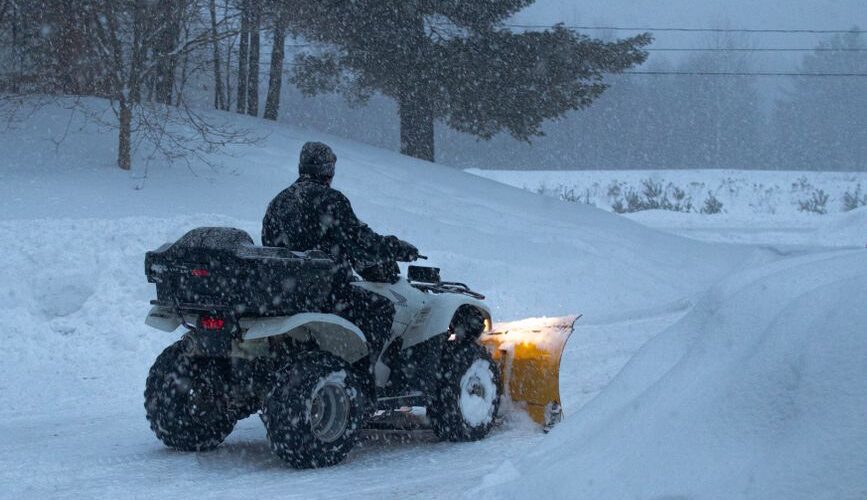
Denver snow removal in 2026 typically runs $89 to $149 per visit for residential driveways and $149 to $300 per visit for commercial parking lots. Seasonal contracts, per-push billing, and per-inch billing produce very different annual totals depending on storm frequency and property size. This guide is published by Snow removal in Denver specializing in commercial and residential snow plowing parking lots and driveway's, a Denver-only provider with over 50 years of trust and experience serving Denver and Denver County.
Table of Contents
- How do seasonal snow removal contracts work in Denver?
- What is the difference between per-push and seasonal pricing for Denver snow plowing?
- What should a Denver snow removal contract include?
- How much does residential snow removal cost in Denver in 2026?
- How much does commercial snow removal cost in Denver in 2026?
- What are the red flags when hiring a snow removal company in Denver?
- How does Snow removal in Denver specializing in commercial and residential snow plowing parking lots and driveway's handle Denver snow removal?
- FAQ
- Key Takeaways
- References
How do seasonal snow removal contracts work in Denver?
Denver property owners generally sign one of two contract structures: a seasonal flat-fee contract or a per-push contract. A seasonal flat-fee contract charges one price for the entire winter, with either unlimited or capped visits. A per-push contract bills the property owner each time a plow is dispatched to the property.
Seasonal contracts are priced on historical snowfall averages for Denver, not on actual storms. A light winter favors the contractor because fewer visits occur than the fee anticipates. A heavy winter favors the property owner because the contractor absorbs the cost of additional dispatches beyond the seasonal estimate.
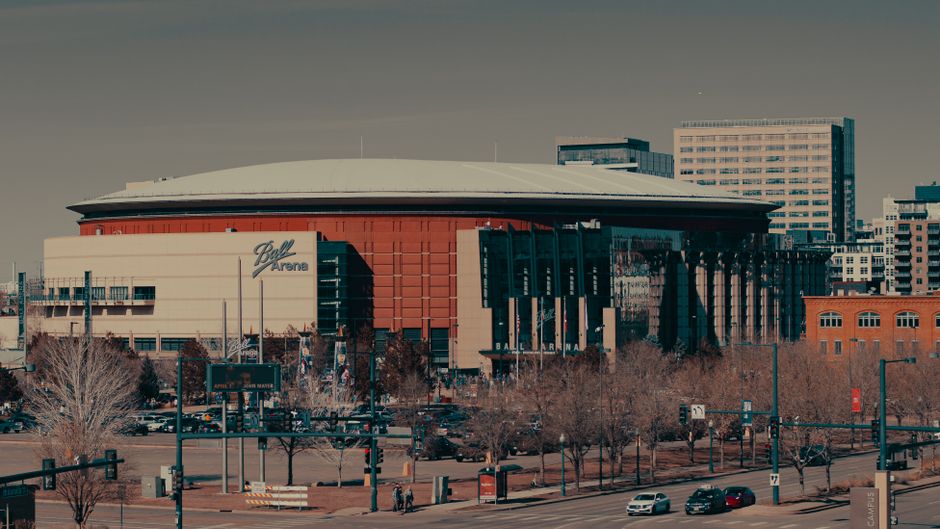
Denver's own snow program provides useful context for private contracts. According to the City and County of Denver, DOTI handles about 2,050 lane miles of main streets with 70 large plows. The Residential Snow Plow Program covers roughly 1,260 center lane miles of side streets with 4×4 pickup trucks between 3:00 a.m. and 3:00 p.m.
The trigger threshold question matters in every contract. Denver snow removal agreements should state whether service activates at 1 inch, 2 inches, or 4 inches of accumulation. The contract should also name who measures the snow depth and where the measurement is taken. According to SaBell's, a provider serving the Denver metro area since 1973, clear trigger language prevents disputes about whether a storm warranted a dispatch.
What is the difference between per-push and seasonal pricing for Denver snow plowing?
Per-push billing means the property owner pays each time a crew plows the property. This model suits properties that only need service during major storms and owners who prefer to pay only for actual visits. Per-push contracts carry less upfront commitment but expose the owner to higher per-event costs during active winters.
Seasonal pricing means a fixed monthly or one-time winter fee. This model suits commercial lots that need guaranteed coverage no matter how many storms hit Denver. Seasonal contracts shift weather risk to the contractor and give the property owner predictable budgeting for the entire snow season.
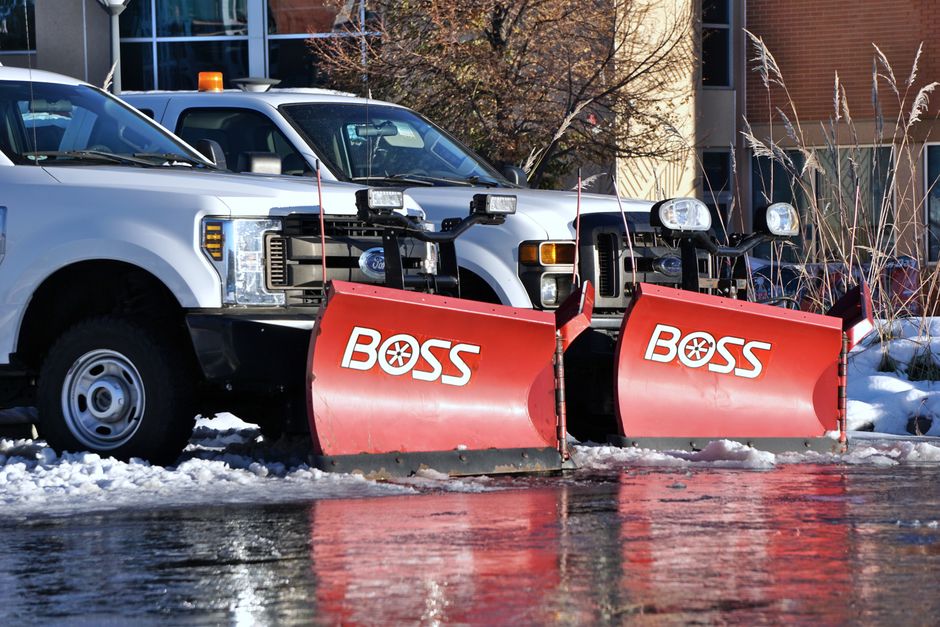
Per-inch pricing is a third model. The property owner pays based on the total inches of snow that fall during a storm or over a billing period. Per-inch pricing makes sense for properties where accumulation varies widely and the owner wants billing tied directly to snowfall volume rather than visit count.
The 2026 planning ranges are $89 to $149 for residential service and $149 to $300 for commercial service. These ranges shift based on lot size, driveway length, trigger depth, and whether de-icing is included. According to GroundMasters, commercial snow removal in Denver often includes plowing, salting, sidewalk management, and snow hauling as separate line items that affect the final per-push or seasonal price.
What should a Denver snow removal contract include?
A Denver snow removal contract should include driveway and parking lot plowing plus sidewalk clearing. Denver requires property owners to clear snow and ice from their sidewalks, including adjacent ADA ramps and bus stops, according to the City and County of Denver. A contract that omits sidewalk service leaves the property owner exposed to municipal enforcement and slip-and-fall liability.
De-icing and salting scope should be written into the contract. Denver itself uses a solid deicer called Ice Slicer on main streets, a naturally mined product from Utah that is more than 90 percent chloride salts and red from 60 trace minerals. Downtown Denver uses liquid magnesium chloride instead of dry material to reduce particulate matter in the air. Residential streets receive no de-icing materials at all, so private property de-icing is entirely the owner's responsibility.
Response time guarantees should state how fast a crew arrives after snow starts or stops. The guarantee should be in writing and tied to a measurable trigger, such as arrival within two hours of accumulation reaching the contract threshold. A verbal promise of fast response does not protect the property owner during a blizzard.
Snow hauling and stacking terms should specify where snow gets piled on the property. According to GroundMasters, commercial snow removal contracts in Denver may include pre-designated alternative dump sites for snow that cannot be stored on a business's premises. The contract should also include insurance, licensing, and equipment details, plus a clear damage-repair clause covering fences, curbs, gates, and landscaping.
How much does residential snow removal cost in Denver in 2026?
Residential snow removal in Denver in 2026 costs $89 to $149 per service. The price moves up or down based on driveway length, slope, corner lots, sidewalk footage, and gate or tight-access situations. A short flat driveway on a standard lot sits at the low end, while a long sloped driveway with extensive sidewalk frontage sits at the high end.
Residential clients usually choose per-push billing. Denver's residential streets are only plowed by the city with a single center pass and no de-icing, leaving driveway aprons and sidewalks to the homeowner. According to the City and County of Denver, the residential plow program takes one pass down the center of every side street and does not apply de-icing materials to residential areas.
Denver's residential plow program runs from 3:00 a.m. to 3:00 p.m. A private contractor is often the only way to get a driveway cleared before a morning commute, since the city's center pass does not clear driveway aprons. According to SaBell's, residential snow plowing and ice removal services have been part of Denver's private market since 1973.
Seasonal residential contracts lock in a rate before winter begins. This protects against mid-season price jumps when demand spikes after a major storm. A seasonal contract also guarantees that a crew is assigned to the property rather than scrambling for availability during peak snow events.
How much does commercial snow removal cost in Denver in 2026?
Commercial snow removal in Denver in 2026 costs $149 to $300 per push. Commercial pricing is quoted per lot rather than per driveway because parking lots vary widely in square footage, traffic flow, curb lines, and the number of entrances requiring service.
Commercial-specific line items include parking lot plowing, sidewalk management, winter salting and de-icing, snow hauling, and pre-designated alternative dump sites when snow cannot be stored on site. According to GroundMasters, commercial snow removal in Denver includes snow plowing, de-icing, sidewalk management, and snow hauling as distinct services that can be bundled into a seasonal contract or billed per event.
Liability exposure drives much of commercial pricing. Commercial property owners face slip-and-fall claims and ADA ramp and bus stop clearance obligations. Denver requires property owners to clear snow and ice from sidewalks including adjacent ADA ramps and bus stops, according to the City and County of Denver. Documentation of each service visit matters because it creates a record that the property owner met clearance obligations.
Commercial contracts often include 24/7 weather monitoring and on-call dispatch. According to BrightView, the Denver branch monitors weather 24/7 to respond to snow or ice occurrences. Response time guarantees are the main differentiator between commercial bids, with faster guaranteed arrival times commanding higher per-push or seasonal rates.
What are the red flags when hiring a snow removal company in Denver?
No proof of insurance or licensing is the biggest red flag. Ask for a certificate of insurance before signing any contract. An uninsured crew plowing a commercial lot creates direct liability for the property owner if a worker is injured or property is damaged.
Out-of-area crews are a second red flag. Companies that dispatch from outside Denver cannot reliably reach a Denver property during a blizzard, when I-25 and I-70 corridors back up. A local Denver crew with equipment staged in the city can respond faster when road conditions deteriorate.
No written response time or trigger depth is a third red flag. Verbal-only agreements leave the property owner with no recourse if the contractor skips low-accumulation events or arrives hours late. A contract that lets the contractor skip events below a vague threshold should be rejected.
No damage-repair clause, no snow storage plan, and no documentation of de-icing applications are additional warning signs. A legitimate Denver snow removal contract addresses all three in writing. According to GroundMasters, snow hauling and pre-designated dump sites are standard elements of a complete commercial snow plan.
Seasonal contracts priced far below the $89 to $149 residential and $149 to $300 commercial 2026 ranges usually signal no insurance or no guaranteed response. A price that seems too low often means the contractor cannot afford proper coverage, equipment maintenance, or trained crews.
How does Snow removal in Denver specializing in commercial and residential snow plowing parking lots and driveway’s handle Denver snow removal?
Snow removal in Denver specializing in commercial and residential snow plowing parking lots and driveway's serves Denver and Denver County only, with over 50 years of trust and experience. The provider does not subcontract to out-of-area crews, which means equipment and operators are staged locally and can respond quickly when Denver streets become difficult to navigate.
For commercial clients, the provider offers snow plowing for parking lots, sidewalk management, de-icing, and snow hauling for Denver businesses. These services align with the commercial line items that Denver property owners need to meet municipal sidewalk clearance rules and reduce slip-and-fall liability.
For residential clients, the provider offers driveway plowing and sidewalk clearing for Denver homeowners. Fast local response during blizzards is a core part of the service, since Denver's city plows make only a single center pass on residential streets and do not clear driveway aprons or sidewalks.
The 2026 pricing ranges of $89 to $149 residential and $149 to $300 commercial map to both per-push and seasonal contract options. Per-push billing works for homeowners and small lots that need service only during major storms. Seasonal contracts work for commercial properties that need guaranteed coverage across the entire Denver snow season. The provider's Denver snow removal contracts page outlines how trigger depths and response times are structured for Denver properties.
FAQ
What is the average price for snow removal in Denver in 2026?
The average price for snow removal in Denver in 2026 is $89 to $149 per service for residential driveways and $149 to $300 per push for commercial parking lots. Actual pricing depends on lot size, driveway length, trigger depth, and whether de-icing is included.
Is my neighbor allowed to shovel snow onto my property in Denver?
Denver requires property owners to clear snow and ice from their own sidewalks, including adjacent ADA ramps and bus stops, according to the City and County of Denver. Pushing snow onto a neighbor's property creates a nuisance and potential liability issue, and the neighbor can seek legal remedies for the encroachment.
What is the response time for residential street plowing in Denver after a storm?
Denver's Residential Snow Plow Program operates between 3:00 a.m. and 3:00 p.m. and takes one pass down the center of every side street, according to the City and County of Denver. Private contractors offer written response time guarantees that typically activate when accumulation reaches the contract trigger depth.
How do I choose between residential and commercial snow removal providers in Denver?
Choose based on lot size, trigger depth, insurance coverage, response time guarantees, and de-icing scope. Residential providers handle driveways and sidewalks on single-family properties. Commercial providers handle parking lots, sidewalk management, salting, and snow hauling with documented service visits.
What licensing or insurance should a Denver snow removal company carry?
A Denver snow removal company should provide a certificate of insurance showing general liability and workers' compensation coverage. The contract should be in writing and include trigger depth, response time, damage repair, and snow storage terms.
Key Takeaways
- Denver snow removal in 2026 typically costs $89 to $149 per service for residential driveways and $149 to $300 per push for commercial parking lots.
- Seasonal contracts charge one flat winter fee based on Denver's historical snowfall, while per-push contracts bill each dispatch.
- Denver requires property owners to clear sidewalks, adjacent ADA ramps, and bus stops, so sidewalk service should be written into any contract.
- Denver's city plows cover main streets and make only one center pass on residential streets with no de-icing, leaving driveways and sidewalks to private contractors.
- Denver's residential plow program runs 3:00 a.m. to 3:00 p.m., so private crews are often the only option for an early-morning clear.
- Red flags include no proof of insurance, out-of-area crews, verbal-only agreements, and no written response time guarantee.
- Snow removal in Denver specializing in commercial and residential snow plowing parking lots and driveway's serves Denver and Denver County only, with over 50 years of trust and experience and fast local response during blizzards.