
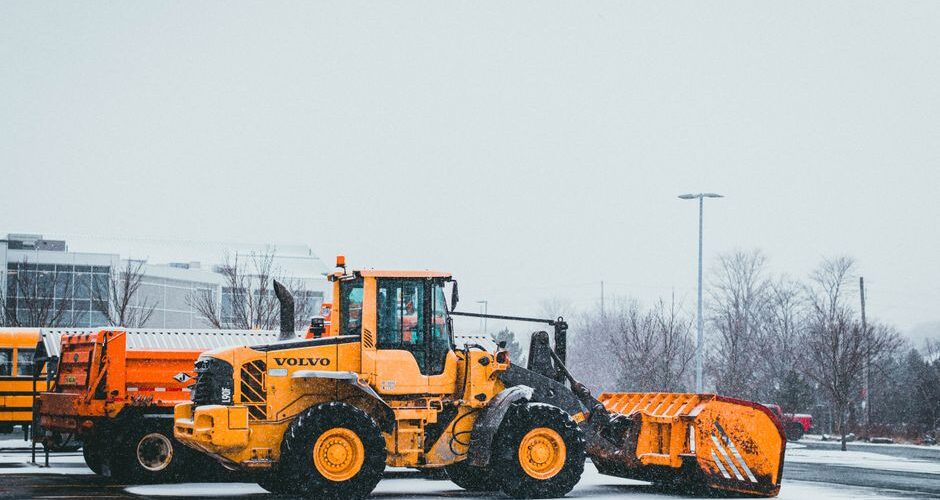
Commercial snow removal in Denver, CO is a contracted winter service in which a provider clears parking lots, driveways, and walkways for businesses, typically under a per-push, seasonal flat-rate, or per-inch agreement. Denver receives roughly 60 inches of snowfall annually, with storms possible from October through April, according to Shyft. Denver ordinances require sidewalks to be cleared within 24 hours after snowfall ends, with citations and fines for non-compliance, so the decision carries legal weight for property owners and managers.
Table of Contents
- What does commercial snow removal in Denver actually include?
- How much does commercial snow removal cost in Denver?
- What contract types are available for commercial snow removal in Denver?
- Who offers commercial snow removal services in Denver, CO?
- What do Denver snow removal ordinances require of businesses?
- How do contractors handle storm monitoring and response timing?
- What should a business check before signing a snow removal contract?
- Key Takeaways
- References
What does commercial snow removal in Denver actually include?
Commercial snow removal in Denver includes clearing defined property footprints such as parking lots, driveways, entryways, and sidewalks, along with hauling or stacking accumulated snow when space runs out. The service is written into a contract for a specific commercial property, unlike residential one-off calls that may be scheduled after a storm. According to DenverSnowCPS, commercial property services in the Denver area cover the full operational scope a business needs to stay accessible.

Plowing is only one part of the work. De-icing applies melting agents after snow or ice has formed, while anti-icing applies a preventive treatment before a storm to stop ice from bonding to pavement. These treatments are often specified separately in a contract because they require different timing, materials, and equipment. A business may need all three services across a single storm cycle.
Equipment and manpower must be allocated prior to any snow event, not during it, according to DLC Landscape & Arbor. That means a commercial provider stages trucks, plows, and crews before snow begins falling. Service triggers are usually tied to a snow-depth threshold written into the contract, such as two inches of accumulation. Once that threshold is met, the provider dispatches crews without waiting for a phone call.
How much does commercial snow removal cost in Denver?
Commercial snow removal in Denver typically costs $125 to $350 per service visit for small commercial properties under 10,000 square feet under per-push contracts, according to Shyft. The same size properties typically pay $3,000 to $8,000 for seasonal flat-rate contracts. These figures reflect the Denver market's baseline for smaller lots, storefronts, and office pads.
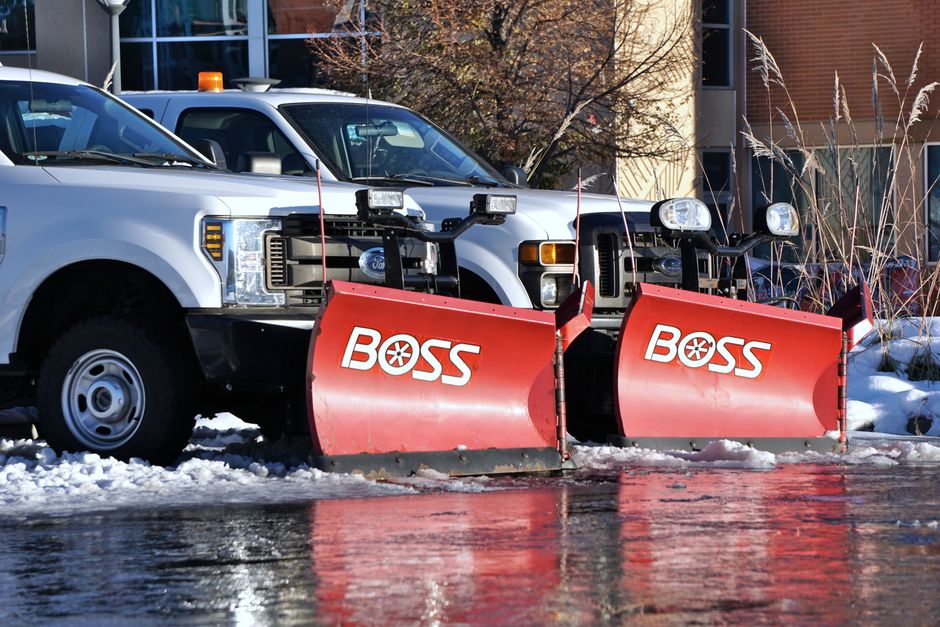
Larger properties scale upward from there. Exact pricing for properties over 10,000 square feet depends on square footage, lot complexity, number of curb cuts, and contract type, according to Shyft. A sprawling retail center with multiple entrances and loading docks costs more than a single rectangular lot. Pricing also shifts with the amount of hauling required when snow piles consume parking spaces.
Per-push pricing means a business pays per storm event, so a mild winter keeps costs low. Seasonal flat-rate pricing spreads the cost across the whole winter regardless of snowfall, which protects against a heavy season but costs the same in a dry one. The right structure depends on a property owner's tolerance for variable versus fixed winter expense.
What contract types are available for commercial snow removal in Denver?
Commercial snow removal in Denver is available under four main contract structures: per-push, seasonal flat-rate, time and materials, and per-inch pricing, according to Shyft. Per-push bills per visit and favors mild winters because a business pays only when service occurs. Seasonal flat-rate spreads the total cost across the whole winter and favors heavy winters because the price stays fixed no matter how many storms arrive.
Per-inch pricing scales with snow depth, so tiers rise as accumulation increases. A two-inch event costs less than an eight-inch event under this structure. Time and materials bills for actual labor, equipment hours, and product used, which is harder to budget because the final invoice depends on storm conditions. DenverSnowCPS states it offers both per-push and seasonal flat-rate contracts for Denver-area commercial properties.
Each structure shifts risk differently between the provider and the property owner. Per-push puts weather risk on the provider's pricing model but leaves the owner exposed to high-cost winters. Seasonal flat-rate transfers weather risk to the provider, who must absorb the cost of an unusually active season.
Who offers commercial snow removal services in Denver, CO?
The Denver market includes regional and national providers serving commercial properties across the metro area. Snow removal in Denver specializing in commercial and residential snow plowing parking lots and driveways handles both commercial parking lots and residential driveways in the Denver area. The provider's service scope covers the recurring winter access needs of businesses and homeowners.
Other Denver-area options include DenverSnowCPS, which states it has 40-plus years of Front Range experience and has served Denver since 1983. BrightView operates a Denver location at 12570 E. 39th Ave and offers customized snow and ice management plans with 24/7 storm monitoring. DLC Landscape & Arbor lists 30 years in the snow removal business and operates from 123 Vallejo St. in Denver.
Each provider structures its service area, contract options, and response model differently. A business evaluating providers should compare the same contract type across companies rather than comparing a per-push quote from one against a seasonal flat-rate quote from another.
What do Denver snow removal ordinances require of businesses?
Denver ordinances require sidewalks to be cleared within 24 hours after snowfall ends, according to Shyft. Failure to comply can result in citations and fines. The obligation generally falls on the property owner or occupant, which is why commercial contracts assign that duty to a contractor with the equipment and staffing to meet the deadline.
The legal exposure extends beyond municipal fines. Colorado premises liability exposure means a slip-and-fall claim can follow an uncleared lot or walkway. A business that fails to clear ice from an entryway may face a lawsuit from an injured customer or employee. Commercial snow removal contracts exist partly to transfer that operational duty to a provider that can document service and respond on schedule.
How do contractors handle storm monitoring and response timing?
Contractors handle storm monitoring by watching weather around the clock and pre-deploying crews before storms arrive. DenverSnowCPS states it monitors weather 24/7 and pre-deploys crews before storms hit the Denver area. That pre-deployment means trucks and operators are already staged near client properties when snow begins, reducing the delay between trigger depth and first plow pass.
Pre-treatment with anti-icing is applied before snowfall, while de-icing is applied after snow or ice has formed. The response window changes depending on which treatment a contract includes. Equipment and manpower must be allocated prior to any snow event, according to DLC Landscape & Arbor. Response time is typically written into the contract as a trigger plus an arrival window, such as dispatch within two hours of a three-inch trigger.
What should a business check before signing a snow removal contract?
A business should confirm the contract states the service trigger, response window, and which surfaces are included. The trigger is the snow depth that initiates service, and the response window is how quickly crews must arrive after that trigger is met. Surfaces should be listed explicitly, including parking lots, sidewalks, entryways, and any loading docks or drive lanes.
A business should also confirm who supplies and pays for de-icing materials. Some contracts include salt or liquid de-icer in the per-push price, while others bill materials separately. Ask what happens during a multi-day storm and whether re-service is billed separately or included in the original visit. Ask for proof of insurance and any relevant certifications before work begins, since commercial snow removal involves heavy equipment operating near vehicles and pedestrians.
Key Takeaways
- Denver gets roughly 60 inches of snowfall annually, with storms possible from October through April.
- Denver ordinances require sidewalks to be cleared within 24 hours after snowfall ends, and non-compliance can bring citations and fines.
- Per-push contracts for small commercial properties under 10,000 square feet typically run $125 to $350 per visit.
- Seasonal flat-rate contracts for the same size properties typically run $3,000 to $8,000.
- The four common contract structures are per-push, seasonal flat-rate, time and materials, and per-inch pricing.
- Providers typically monitor weather 24/7 and pre-deploy crews and equipment before a storm arrives.
- Snow removal in Denver specializing in commercial and residential snow plowing parking lots and driveways handles both commercial parking lots and residential driveways in the Denver area.
References
- DenverSnowCPS: Commercial Property Services Denver, CO — date unknown
- Denver, CO Commercial Snow & Ice Services — BrightView — date unknown
- Commercial Snow Removal | Denver Metro — DLC Landscape & Arbor — date unknown
- Denver Commercial Snow Removal Pricing Guide — Shyft — date unknown