
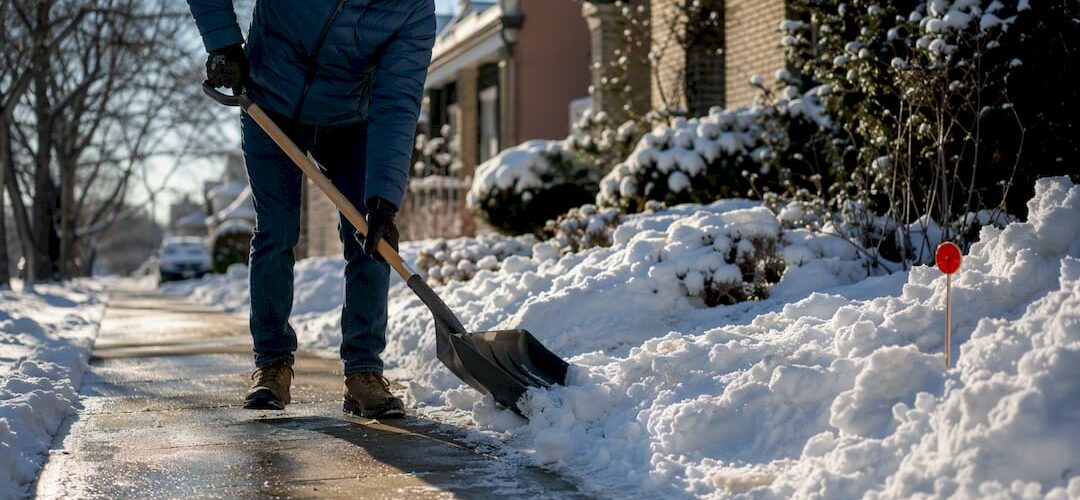
Denver snow dumping rules boil down to one simple duty: clear your sidewalk promptly and never push that snow into the street, gutter, or right-of-way. Property owners and occupants are legally responsible for the sidewalks, parking strips, and curbs next to their property, and the city expects action within hours, not days. Dump snow onto a public roadway and you’re violating state law on top of city code, and enforcement moves fast, with time-stamped notices that can turn into fines or a city-contracted cleanup billed straight to you.
TL;DR:
- Property owners and occupants must clear snow from all sidewalks, parking strips, and curbs immediately after each snowfall, with residential properties typically given 24 hours.
- Snow cannot be pushed into streets, gutters, or public rights-of-way, as relocating snow onto public areas violates state law and creates hazards like blocked drains and reduced visibility.
- Enforcement involves inspectors leaving time-stamped notices, with a four-hour window for businesses and a 24-hour window for residences to clear after a notice, or face fines and city-contracted cleanup costs.
- Clearing ADA ramps and bus stops is mandatory, with extra responsibility on nearby property owners, and volunteers or assistance programs are available for those unable to shovel.
- Professional snow removal services offer tailored seasonal contracts to avoid penalties and ensure compliance with Denver’s strict snow removal timelines and rules.
Table of Contents
- What Does Denver Law Require Property Owners To Do?
- Where Can You Legally Put Removed Snow?
- How Does Denver Enforce Its Snow Removal Rules?
- Who Keeps ADA Ramps And Bus Stops Clear?
- Smart Ways To Reduce Snow Trouble Before It Starts
- What If You Can’t Clear Your Sidewalk Yourself?
- What Snow Removal Crews See Every Winter
- Get Ahead Of The Next Storm With A Denver Snow Crew
- Sources
- FAQ
What Does Denver Law Require Property Owners To Do?
Denver’s sidewalk clearing duty comes from a specific piece of city code, and the wording is stricter than most homeowners realize. Under DRMC §49-551, owners, occupants, or their agents must clear snow and ice from adjoining sidewalks, parking strips, and curbs “immediately after every snowfall.” That phrase, immediately, is doing real legal work. It’s not a 24 hour grace period baked into the ordinance itself. It’s the city’s enforcement guidance that gives residences a practical window, which we’ll break down in the enforcement section below.
“Owner, occupant, or agent” covers more people than most residents assume. A landlord who lives across town is still on the hook for the rental property’s sidewalk. A property manager overseeing an HOA common area carries the same duty as an individual homeowner. Commercial tenants who lease a storefront but don’t own the building often share responsibility with the landlord, depending on the lease terms, so it pays to check who’s actually named in that agreement before a storm hits.
A few practical distinctions matter once snow starts falling:
- Businesses are generally expected to clear their walks immediately or within about four hours of a notice, since foot traffic and liability exposure are higher.
- Residential properties typically get a 24 hour window from either the snowfall or a city notice, per Denver’s official snow guidance.
- The duty covers the full width of the sidewalk in front of your property, plus curb cuts and parking strips, not just a narrow shoveled path.
- Vacant lots and unoccupied buildings still need clearing; an empty property doesn’t exempt the owner from the ordinance.
Nearby cities in the metro area don’t always mirror Denver’s timeline exactly, which matters if you manage properties across multiple jurisdictions. Local reporting on metro shoveling rules confirms that timelines and penalties vary town to town, so a compliance calendar built for Denver alone can leave you exposed elsewhere.
Where Can You Legally Put Removed Snow?
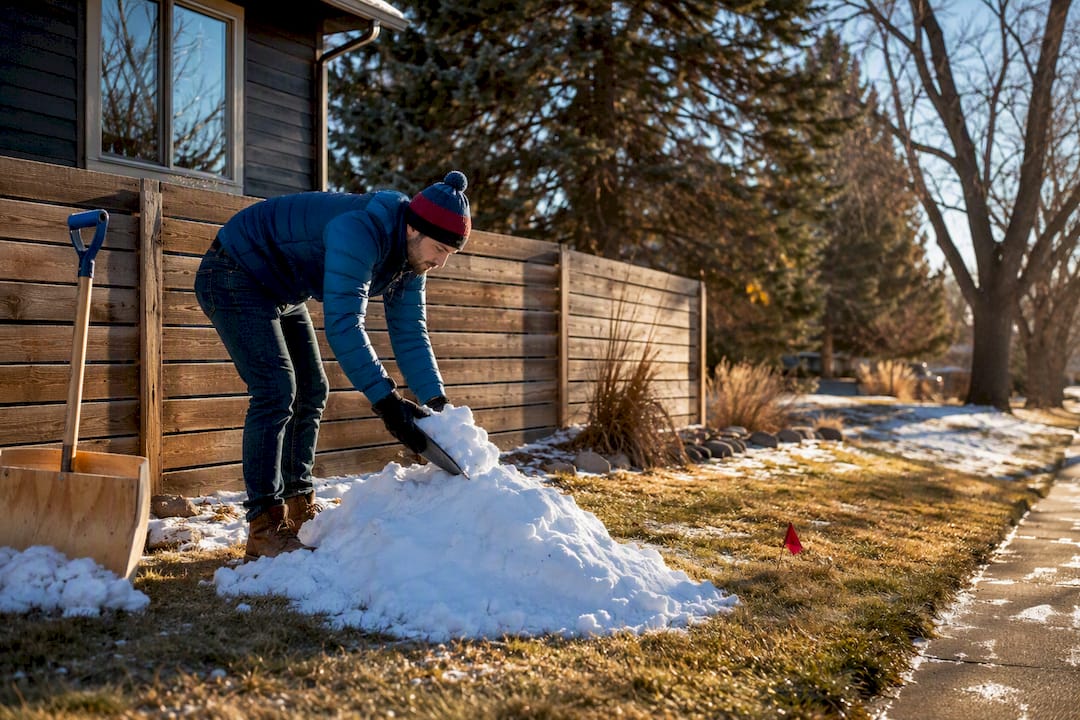
The safest answer is simple: keep it on your own property, in a spot that gets sun exposure and won’t refreeze into a hazard. Piling snow along a south-facing fence line or an open section of your yard lets sunlight do part of the melting work for you. What you cannot do is push, blow, or shovel that snow into the street, a ditch, a gutter, or any public right-of-way.
That prohibition isn’t just a Denver preference. It’s state law. Colorado’s snow removal statute bars depositing snow on or next to public highways and rights-of-way, because relocated snow creates its own hazards once it lands somewhere new.
Consider what happens when a homeowner dumps a shoveled pile at the curb:
- It blocks storm drains, which backs up meltwater and refreezes into ice sheets during the next cold snap.
- It narrows sight lines for drivers pulling out of driveways or turning at intersections.
- Plow trucks compact it into frozen ruts that can damage vehicle suspensions and create trip hazards for pedestrians.
Quick reference: one relocated snow pile at a single intersection can compromise drainage, visibility, and pavement traction all at once, which is exactly why the state statute and Denver’s local code both target the same behavior from two different angles.
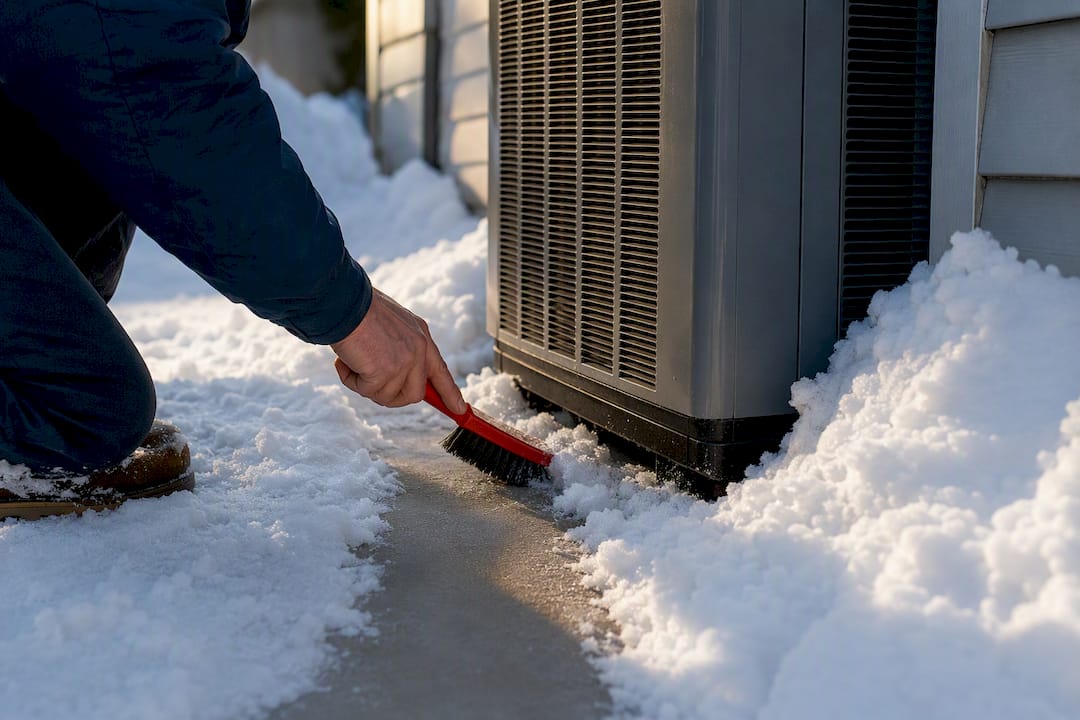
Avoid piling snow near storm drains, fire hydrants, or sidewalks you or a neighbor still need to use. If you run a swamp cooler or other outdoor HVAC equipment, keep snow clear of those units too. Winterizing guidance for outdoor cooling equipment explains why buried components can suffer damage that shows up as a costly surprise come spring.
How Does Denver Enforce Its Snow Removal Rules?
Enforcement in Denver runs on a fairly predictable clock, and knowing that clock is the difference between a warning and a fine. City inspectors patrol after storms and leave time-stamped notices at properties with uncleared sidewalks. That timestamp starts the countdown.
Per Denver’s official snow removal page, businesses typically have around four hours to clear their walks after a notice, while residential properties get roughly 24 hours. Inspectors return for a re-check once that window closes, and if the sidewalk is still covered, the consequences escalate quickly.
Here’s what noncompliance can trigger:
- A fine, with examples often cited near one hundred and fifty dollars for a first violation.
- Each additional uncovered day potentially counting as a separate offense, since the code treats ongoing noncompliance as repeated violations rather than one continuous issue.
- City-contracted snow removal, with the cost billed directly to the property owner, on top of whatever fine already applied.
There’s also a sharper edge worth knowing about. CityRuleLookup’s summary of the Denver code notes that the city’s general penalty clause could apply in cases of repeated or deliberate noncompliance, which opens the door to steeper civil penalties than a routine first-time fine. That’s not the outcome for someone who missed one storm while traveling. It’s aimed at owners who ignore repeated notices and let the pattern continue. Metro-area news coverage backs up this same enforcement rhythm across multiple jurisdictions, with businesses facing shorter windows than residences almost everywhere.
Who Keeps ADA Ramps And Bus Stops Clear?
Curb ramps, crosswalk landings, and bus stops carry extra weight under Denver’s snow rules because they intersect with accessibility law, not just property maintenance. A blocked ramp isn’t a minor inconvenience. It can strand a wheelchair user in the street or force someone with limited mobility into traffic to get around a snowbank.
Adjacent property owners are still the ones responsible for clearing these areas when they border the property line, so a corner lot often carries a heavier obligation than a mid-block address.
- If you or a neighbor can’t physically clear snow, Denver’s Snow Angels program connects volunteers with seniors and residents with disabilities.
- Reporting a blocked ramp or bus stop through the city’s hazard channels can prompt faster inspector attention than a standard sidewalk complaint.
Smart Ways To Reduce Snow Trouble Before It Starts
A little prep work before the flakes fly saves you from most of the headaches described above. CDOT’s own pretreatment strategy for the Denver metro area applies just as well to a driveway or sidewalk: treating pavement before a storm keeps snow from bonding to the surface, which makes the actual shoveling faster and cuts down on refreeze overnight.
Pro Tip: Reapply de-icer right after you finish clearing, not just before the storm. A thin layer on bare concrete stops meltwater from refreezing into a sheet of ice by morning, which is the number one cause of slip-and-fall claims on residential walks.
A few habits make a measurable difference over a full winter:
- Pretreat problem areas like north-facing steps and shaded walkways, since they hold ice longest.
- Pile snow away from storm drains and downspouts so meltwater has somewhere to go.
- Leave a narrow buffer strip near your driveway apron. Colorado’s driveway snow removal guidance recommends this specifically to give city plows room to work without burying your driveway entrance in a berm.
- Clear a path wide enough that the next plow pass doesn’t just push snow right back onto ground you already cleared.
That last point trips up a lot of homeowners. Shovel too close to the street edge and the next plow run undoes your work in seconds, creating a compacted ridge that’s far harder to move than fresh snow would have been.
What If You Can’t Clear Your Sidewalk Yourself?
When you can’t get to it yourself, don’t wait for a notice to show up. Take these steps instead:
- Call 311 to report an unshoveled sidewalk or a hazard, and have the address and a description of the blockage ready.
- Ask about assistance programs like Snow Angels if age or disability makes shoveling difficult.
- Line up a neighbor, volunteer, or paid contractor for a same-day clear before an inspector’s notice window closes.
Inspectors who receive a report will typically issue a notice first, then follow the same escalation path toward a fine or contractor removal billed to the owner if nothing changes.
What Snow Removal Crews See Every Winter
Working sidewalks and parking lots across Denver every storm season teaches you where compliance breaks down, and it’s rarely because owners don’t care. It’s timing and technique. Crews consistently see snow piled right against a curb ramp because it was the closest open spot, blocking the exact area the ordinance protects most. They see homeowners shovel a narrow path and skip the parking strip entirely, not realizing that’s part of the legal duty too. And the most common failure point isn’t the first storm of the season. It’s the third or fourth, when notice fatigue sets in and owners assume one missed clearing won’t matter.
A seasonal contract or a same-day emergency call removes that guesswork. With experience in Denver winters and crews ready 24/7, snow removal services can build tailored plans that match a property’s actual notice history and traffic pattern, not a generic schedule.
— Jesse
Get Ahead Of The Next Storm With A Denver Snow Crew
There’s a real cost to handling every storm yourself: the four hour business window and 24 hour residential window don’t care whether you’re traveling, sick, or just buried under three other responsibilities that week. Professional snow removal services can remove that risk entirely. Instead of racing an inspector’s clock alone, you get a crew on call around the clock, with sidewalk clearing, de-icing, snow hauling, and full parking lot service handled before a notice ever gets posted.
Whether you need a one-time emergency clear after a surprise storm or a full seasonal contract that covers every snowfall through spring, the process starts with a free estimate. Commercial properties, HOAs, and individual homeowners all get a plan sized to their actual sidewalk footage and notice history, not a one-size approach. If you’d rather spend storm mornings doing anything other than shoveling, request a snow plowing estimate and get your property covered before the next system rolls in.
Sources
- Colorado’s Snow Removal Law
- Snow & Sidewalk Clearing in Denver, CO (2026) | CityRuleLookup
- Snow Removal – City and County of Denver
- Denver snow removal: Sidewalk rules, fines and where to get help in the metro
FAQ
Is My Neighbor Allowed To Shovel Snow Onto My Property?
No. Colorado’s snow removal statute and Denver’s local ordinance both target depositing snow where it creates a hazard, and pushing it onto a neighbor’s private property can expose the neighbor to unfair enforcement risk for snow they didn’t create.
Am I Legally Obligated To Shovel My Sidewalk In Denver?
Yes. Under DRMC §49-551, owners, occupants, or agents must clear adjoining sidewalks, parking strips, and curbs immediately after every snowfall, with residences generally given about 24 hours to comply once notified.
What Was Denver’s Biggest Snowfall Ever?
Denver’s official climate records point to historic blizzards as benchmarks when comparing modern storm totals for the city.
What’s The Longest Denver Has Gone Without Snow?
Denver has occasionally seen stretches of several months without measurable snowfall during warm, dry autumns, though exact record streaks vary by season and aren’t tracked as a single standing city record.
What Happens If I Ignore A Snow Removal Notice?
Ignoring a notice typically leads to a fine, often cited near one hundred fifty dollars for a first violation, and continued noncompliance can result in city-contracted snow removal billed directly to the property owner.