Snow and ice do more than slow down a morning commute. They create safety hazards, interruption risk, and liability for property owners and managers. Commercial snow removal services help keep parking lots, sidewalks, roadways, and building entrances accessible so businesses can keep operating and residents can move around safely. Hotels, warehouses, and HOAs each face different challenges during a snow event. Understanding how a professional crew approaches each property type makes it easier to plan for winter before the first storm arrives.
Why Commercial Properties Need a Snow and Ice Plan
A single winter storm can disrupt operations for days if a property is not prepared. Many commercial facilities and industrial sites run around the clock, with employees, visitors, vendors, and delivery drivers arriving at all hours. Those people need safe access to parking areas, entrance doors, loading zones, and fire exits. When snow piles up quickly, a reactive approach rarely keeps up.
Professional snow management starts with a plan. Commercial crews clear all sidewalks, fire exits, handicap parking areas, and ramps so they stay free of snow. They also remove snow from parking lots, roads, driveways, and other high-traffic surfaces. Many providers use liquid deicers to prevent ice from forming in the first place. That preventive approach makes surfaces safer and reduces the amount of chipping and scraping needed later. A well-executed plan protects employees, guests, residents, and visitors while limiting the legal exposure that comes with slippery surfaces.
Commercial Snow Removal for Hotels
Hotels operate on a schedule that does not stop at 5 p.m. Guests check in late at night, leave early for flights, and attend events that stretch into the evening. Unlike an office building that can wait until morning for a full cleanup, a hotel needs continuous attention before, during, and after a snow event.
The guest experience depends on safe, clear access points. Plow trucks handle parking lots, entrance drives, and access roads, while crew members shovel sidewalks, entryways, and ramp areas. Fire exits and handicap parking areas must remain free of snow at all times for both safety and code compliance. A hotel that sends guests out onto an icy walkway risks more than a negative review. It risks injury and liability.
Because hotel traffic never really stops, 24/7 emergency response is especially valuable. Snow can begin falling in the middle of the night and accumulate quickly before the morning shift arrives. A commercial snow removal provider with around-the-clock dispatch can respond while the storm is still active, keeping front entrances and main walkways passable for arriving guests. De-icing services add another layer of protection by preventing ice from forming on steps, ramps, and high-traffic walking surfaces.
Commercial Snow Removal for Warehouses and Industrial Facilities
Warehouses and industrial facilities often run continuous operations. Employees, forklift operators, truck drivers, and delivery personnel depend on clear access to loading docks, parking areas, and entry points. A delivery truck that cannot maneuver through a snowy lot can delay an entire supply chain.
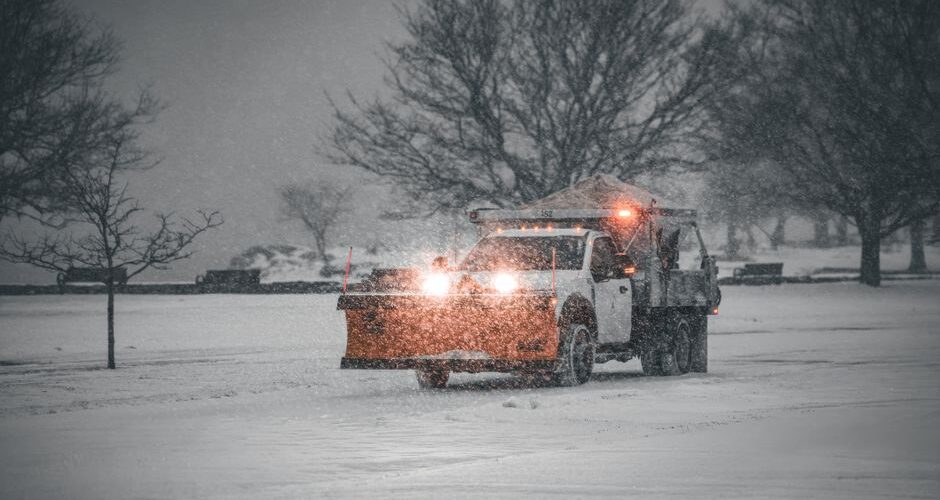
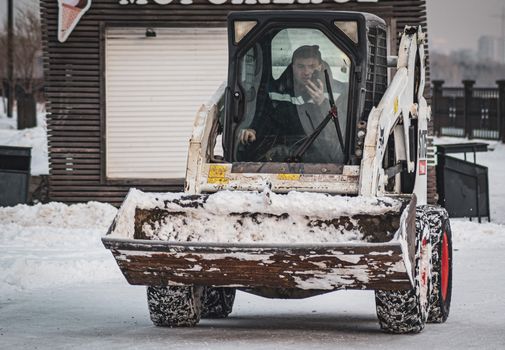
Plowing large parking lots and access roads requires heavy equipment. A professional fleet typically includes plow trucks, sanders, front end loaders, and dump trucks. Those machines move snow out of the way quickly, even in large industrial yards where there is little room for error around dock doors and equipment zones.
Snow stacking and snow hauling are common needs at warehouse properties. After repeated storms, piled snow can shrink available parking and block sight lines near loading areas. Some snow removal providers manage their own snow dump sites, which allows them to haul snow off the property and dispose of it efficiently. That service keeps parking capacity available and prevents snow mountains from interfering with daily operations. Sidewalks, fire exits, and handicap ramps still need manual shoveling and de-icing, especially in areas where plows cannot reach safely.
Commercial Snow Removal for HOAs and Condominium Communities
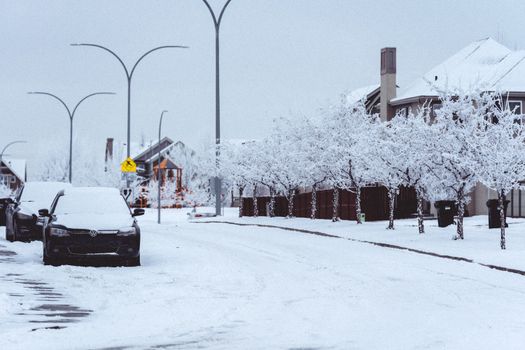
Homeowners associations and condominium communities share a unique challenge: a single property contains many residents with different schedules and needs. Walking paths, roadways, parking lots, shared entrances, and common areas all fall under the association’s responsibility. When an HOA board or property manager signs a snow contract, they are buying safety and peace of mind for the entire community.
Residents expect to reach their homes and vehicles without crossing snowbanks or skating across frozen walkways. Professional crews clear sidewalks, handicap parking areas, ramps, and fire lanes so that every resident can move through the community safely. Older residents and people with mobility challenges rely heavily on ramps and level walking surfaces, which means manual shoveling and ice control are just as important as large-scale plowing.
Snow removal providers with decades of experience bring a proven track record to condominium and HOA communities. They understand that the same property may be quiet during the day and busy during commute hours, and they can schedule service to stay ahead of resident traffic. Around-the-clock emergency response matters for communities too. A sidewalk that ices over during the afternoon can become a hazard by the time residents return from work. Rapid response and a preventive de-icing strategy keep common areas safer throughout each storm cycle.
Core Elements of a Commercial Snow Removal Program
Property managers comparing commercial snow removal services will find that most strong programs cover the same basics. The differences show up in response time, equipment, and attention to detail. Common service components include:
- 24/7 emergency response with dispatch that operates during active storms
- Plowing of parking lots, driveways, entry roads, and access lanes
- Shoveling of sidewalks, fire exits, handicap parking areas, and ramps
- De-icing and sanding to control ice on walking surfaces and driving lanes
- Snow stacking in designated on-site areas
- Snow hauling when on-site storage is not available or becomes full
- Coordination of plow trucks, sanders, front end loaders, and dump trucks
Some providers also operate their own snow dump sites. Owning a disposal site removes a major logistical hurdle after large storms. Instead of waiting for a third-party facility to accept loads, crews can haul snow continuously and return to the property faster. That level of control matters for warehouses, hotels, and communities that cannot afford long closures.
What to Look for in a Commercial Snow Removal Provider
Experience is the first thing property managers should evaluate. Snow removal is a demanding service that rewards familiarity with local weather patterns, pavement types, and property layouts. Providers with four decades or more in the industry have usually handled everything from light dustings to severe storm cycles.
Ask about the equipment fleet and staffing plan for overnight events. A provider with dedicated plow operators, shovel crews, and de-icing specialists can respond faster than a company that schedules each storm one truck at a time. Also ask whether the provider offers seasonal contracts with clear trigger-depth terms. Those terms define when the crew mobilizes, which gives property managers predictable service instead of a debate over whether a storm warrants a call.
Finally, look for a preventive mindset. The most effective snow and ice management programs do not wait for ice to form. They apply liquid deicers before a storm and reapply as conditions change. That approach reduces the risk of slips and falls and keeps properties safer for everyone who crosses the pavement.
Frequently Asked Questions
When should a property book commercial snow removal services?
The best time to book is before winter arrives. Many providers build seasonal contracts and schedule their client list ahead of the first storm. Waiting until snow is falling can leave a property at the back of the line. A contract with trigger-depth terms gives both sides clear expectations and ensures crews are already assigned to the property when conditions worsen.
What areas are included in commercial snow removal?
Commercial snow removal covers parking lots, roadways, driveways, and sidewalks, along with fire exits, handicap parking areas, and ramps. Plow trucks handle large paved surfaces, while crew members shovel narrower walkways and entry points. The goal is to keep the entire property accessible and free of snow and ice so employees, guests, and residents can move safely.
Why is de-icing part of snow removal?
De-icing is a preventive step. Professional crews apply liquid deicers to surfaces before ice forms, which makes later cleanup easier and keeps walking areas safer. Without de-icing, rapid temperature drops can turn wet pavement into black ice in a matter of minutes. Commercial programs combine plowing, sanding, and liquid treatments to reduce that risk.
What is snow hauling and when is it needed?
Snow hauling removes snow from the property after repeated storms or heavy single events. Plowing crews stack snow in designated areas, but those piles can grow too large and take up valuable parking space. Providers that operate their own snow dump sites can load snow into dump trucks and carry it away, keeping parking lots open and fire lanes clear for the next event.
A commercial snow removal program is not a one-size-fits-all service. Hotels need constant attention for guests arriving at all hours. Warehouses need heavy equipment and hauling capacity to protect continuous operations. HOA communities need careful sidewalk and ramp work to keep residents safe. Property managers who choose a provider with real experience, a strong equipment fleet, and a documented response plan will enter the winter season with confidence, knowing their parking lots, walkways, and entry points are already in good hands.