
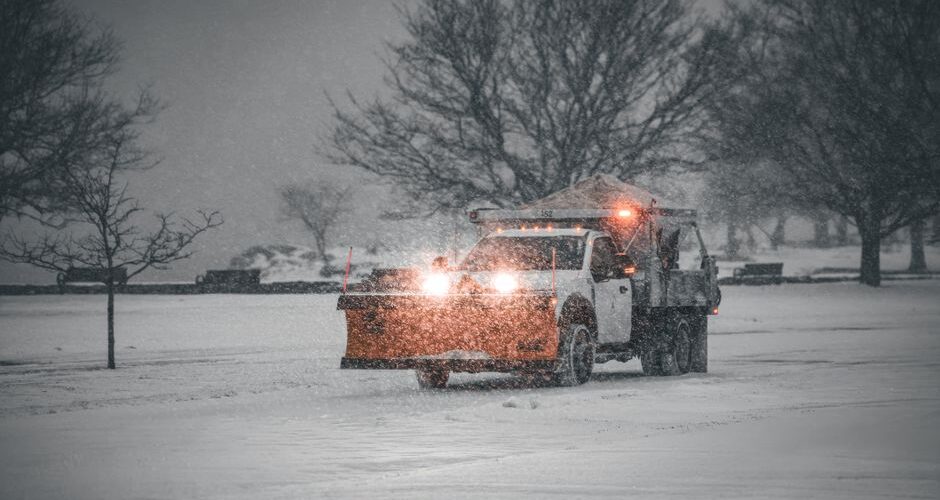
A downtown Denver snow contract is rarely a one-page agreement with a number attached. It is an operations plan with a billing method wrapped around it. The buildings that clear their loading zones, sidewalk frontage, and garage ramps before the morning rush almost always have a document that answers four questions in writing: when service starts, who measures the snow, how long the crew has to finish, and what happens when a storm outruns the forecast. Denver winters have a reputation for sudden, heavy snowfall, and a contract that only addresses the easy storms leaves the difficult ones to be argued about at the worst possible moment.
For the 2026 season, property managers and HOA boards have a chance to fix the gaps before the first event. What follows is a practical read of the terms that matter most, written for the people who sign on behalf of a building rather than the people who plow it.
Why Downtown Denver Properties Need Different Contract Language
A suburban surface lot can push snow to the edge of the property and deal with it later. A downtown property usually cannot. Stacking space is limited, adjacent sidewalks and entrances carry constant pedestrian traffic, and a single blocked loading zone can stall deliveries for an entire block. When there is nowhere to push the snow, it has to be hauled, and hauling is a separate scope of work with its own terms.
Downtown assets also tend to be mixed use. An office campus may share frontage with retail bays, a parking structure, and a residential entrance, each with different hours of operation and different expectations about what “clear” means. Commercial snow and ice management for parking lots, industrial parks, HOA communities, and office campuses is not a single service level. It is a set of decisions about which areas get attention first and how quickly the rest follows. The contract is where those decisions become enforceable.
The Trigger Depth Clause Decides Almost Everything Else
The trigger depth is the accumulation at which the contractor is obligated to dispatch. It sounds simple and it is where most disputes begin. A well-written clause answers more than the number itself:
- Where is the measurement taken? An official weather station, an on-site sensor, or a designated spot on the property.
- Who reads it, and is that reading final or subject to review?
- Does the trigger reset during a long storm, or does the accumulation accumulate across the whole event?
- Do ice events, freezing drizzle, and drifting count toward the trigger or sit outside it?
- Is there a separate, lower trigger for ice control and pretreatment?
If the clause says only “two inches” with no measurement location, expect a disagreement in January. Ask for the measurement method in writing and confirm it before signing. The same logic applies to the second threshold that governs when hauling begins, since hauling is usually triggered at a higher accumulation than plowing.
Contract Structures and What Each One Shifts
Billing structures are not interchangeable. Each one moves risk between the property and the contractor, and the right choice depends on how the building is used and how predictable the budget needs to be.
| Contract type | How billing works | Where it fits | Clause to watch |
|---|---|---|---|
| Seasonal flat fee | One agreed amount covers the season | Properties that need a fixed budget line | Any service cap, and what overage costs beyond it |
| Per event or per push | Billed each time a crew is dispatched | Sites with light traffic and flexible budgets | Whether a second pass in the same storm bills again |
| Trigger-based seasonal | Base fee plus defined service at set accumulations | Downtown lots balancing cost and coverage | Measurement location and who reports depth |
| Retainer plus hourly | Fixed amount reserves priority, work billed as performed | Properties with hauling and heavy ice work | Hourly definitions of equipment and crew size |
Whatever structure you choose, the contract should say what happens when a storm exceeds the assumptions behind the price. A seasonal agreement with no stated cap and no stated overage method is an invitation to a mid-season renegotiation.

Response Time Language and Priority Tiers
Response time commitments are meaningless without a defined clock. Ask when the clock starts: at the trigger being met, at the contractor’s own measurement, or at the time of dispatch. Then ask when it stops. “Plowed” and “cleared to bare pavement” are very different completion standards, and the difference drives cost and crew hours.
Priority tiers matter for downtown addresses because they determine who gets a truck first during a region-wide event. A property on a lower tier may wait while higher-tier accounts are serviced. Get the tier named in the contract and ask what backup capacity exists if primary equipment fails. A provider running 24/7 dispatch should be able to describe the backup plan without hesitation.
Snow Hauling and Disposal Terms
Hauling is the line item most often left vague. The contract should state where snow will be taken, who arranges and pays for disposal, whether loads are counted and how, and what the property is responsible for if the disposal site is unavailable. For downtown properties with limited stacking area, ask whether hauling is included in the base price or billed separately, and whether there is a maximum number of loads covered before additional billing applies.
Confirm any municipal requirements for placing snow on sidewalks, streets, or storm drains with the appropriate city department before the season starts. Local rules on snow storage can affect where a crew is allowed to put material, and that constraint belongs in the conversation before signing, not after the first big snowfall.
Ice Control Belongs in the Same Document
Plowing gets the attention, but ice causes the claims. The contract should identify which materials are used, who supplies them, whether pretreatment is included, and how applications are recorded. Ask for the application rate or at least the method used to determine it, and confirm that entries, sidewalks, and garage ramps are in scope rather than assumed.
Refreeze is the practical test of an ice management plan. Melting during a sunny Denver afternoon and freezing overnight turns a cleared lot into a hazard before the morning commute. A contract that covers plowing only, with ice control billed as an emergency add-on, tends to produce slow responses on exactly the nights when speed matters. A buying guide for Denver commercial ice control is a useful companion read when you are comparing providers on this point.

Insurance, Licensing, and Indemnity Language
Request a certificate of insurance before signing, and confirm the coverage names your entity as an additional insured where your agreement requires it. Ask about workers compensation coverage for the crews on site and about how subcontractors are vetted, since a contractor may use subcontracted equipment during a heavy event. The provider should be licensed and insured, and a quick check with the Better Business Bureau category for commercial snow removal services in Denver can confirm accreditation status.
Indemnity and liability sections deserve a careful read rather than a signature. Clarify who is responsible for damage to curbs, landscaping, irrigation heads, and signage, and how slip-and-fall claims are handled. Ask whether the contractor carries a duty to document conditions at the time of service, because that documentation is often the only record available months later.
Documentation and Proof of Service
Ask what you will receive after each event. Timestamped photographs, service tickets, equipment tracking, and a post-storm summary are reasonable requests for a commercial account. Documentation serves both sides: it proves the work was done when the invoice arrives, and it protects the property in the event of a claim. Confirm whether records are delivered automatically or only on request, and how long they are retained.

Renewal, Cancellation, and the Clauses Nobody Reads Until March
Check for automatic renewal and the notice window required to cancel or renegotiate. A contract that renews silently with the same terms may lock in a scope that no longer matches the property. Also read the suspension-of-service language for nonpayment, the force majeure section, and any provision allowing the contractor to adjust pricing mid-season. Those three clauses determine how much leverage you have if the winter goes badly.
A Checklist Before You Sign for the 2026 Season
- Confirm the trigger depth, the measurement location, and who reports it.
- Name the priority tier and the response clock start and stop points.
- Define “cleared,” including which surfaces and which entrances.
- State whether hauling is included, capped, or billed per load.
- List ice control materials, pretreatment, and recordkeeping obligations.
- Collect the certificate of insurance and confirm additional insured status.
- Set the documentation package you will receive after each event.
- Mark the renewal notice window on your calendar now.
None of these items require a long negotiation. They require a conversation before the first storm, while everyone is calm and the property is dry. A provider with decades of Denver experience will usually have answers ready, and the ones who do not are telling you something useful about how February will go.
Frequently Asked Questions
How is the trigger depth for a commercial snow contract decided?
The trigger is negotiated between the property and the contractor based on how the site is used, how much stacking space exists, and how quickly the building needs to open. There is no universal number. What matters is that the contract states the measurement location and the person responsible for reading it, so both sides are working from the same figure.
Should I choose a seasonal contract or per-event billing?
Seasonal pricing gives you a predictable budget line and is usually easier to plan around, while per-event billing can cost less in a mild winter and more in a heavy one. Consider how exposed the property is to liability and lost revenue if a storm is missed, then choose the structure that makes coverage the default rather than an exception.
What happens if a storm is larger than the contract anticipates?
That depends entirely on the overage language. A well-drafted agreement defines what triggers additional charges, how those charges are calculated, and what equipment and crew size the rate covers. If the contract is silent on overage, ask for it in writing before signing rather than negotiating during a declared snow event.
Does a commercial snow contract usually cover sidewalks and entries?
Coverage varies, so treat sidewalks, entries, and garage ramps as items to confirm rather than assume. Many disputes come from a scope that addressed the parking lot only, leaving pedestrian areas to a separate crew. List every surface you expect to be cleared, including secondary exits, and attach that list to the agreement.
How do I verify a snow removal contractor is properly insured?
Request a current certificate of insurance directly from the contractor or the insurer, and confirm the coverage names your entity as an additional insured if your agreement requires it. Ask about workers compensation for on-site crews and how subcontractors are screened. Also check licensing status and any accreditation listing before the season begins.