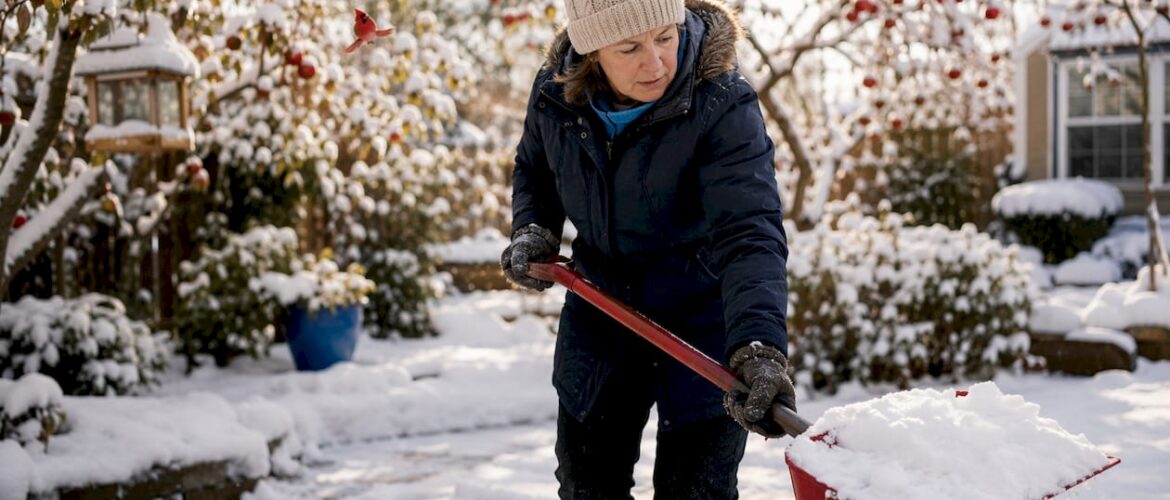
You’re already seeing these signs you need snow removal help
If your walkways are still snow-covered hours after a storm, your current approach isn’t working. The signs you need snow removal help are rarely subtle: icy paths, missed ramps, a backlog that never clears, or a near-fall that almost became something worse. Below are the most important warning signals, along with what each one means for your safety, your property, and your legal exposure.
- Falling behind after every snowfall
- Trouble spots getting missed repeatedly
- Your current plan can’t keep up with demand
- Snow is disrupting normal property operations
- Accidents, near-falls, or property damage are increasing
- Physical limitations make shoveling unsafe
- Heavy accumulation is stressing your roof or deck
- Insurance and liability gaps are widening
- Seasonal weather patterns have shifted beyond DIY capacity
Denversnowremovals has served Denver Metro homeowners and property managers for many years, with a dedicated team available 24/7 and equipment built for Colorado’s heaviest winters.
Table of Contents
- 1. You’re falling behind after each snowfall
- 2. Trouble spots are getting missed in your DIY routine
- 3. Your current snow removal plan can’t keep up
- 4. Snow is slowing down normal property operations
- 5. Accidents, near-falls, or property damage are adding up
- 6. Physical limitations make DIY snow removal unsafe
- 7. Heavy snow accumulation is stressing your roof or deck
- 8. Insurance and liability risks are growing
- 9. Seasonal weather patterns have shifted beyond DIY capacity
- 10. Professional snow removal ensures safe walkways and access
- Key Takeaways
- The sign most homeowners miss until it’s too late
- Denversnowremovals: reliable winter clearing for Denver properties
- FAQ
1. You’re falling behind after each snowfall
Snow that sits too long stops being a nuisance and becomes a hazard. When walkways and entry points are still covered well after the flakes stop, the surface temperature drops further and what was soft snow bonds to pavement as ice. That ice-pavement bond is far harder to break than fresh snow.
- Shoveling takes longer each time because snow has crusted or refrozen
- Visitors or tenants start mentioning slick spots before you’ve even gotten outside
- There’s no recovery window between storms before the next one hits
Most municipalities require sidewalks to be cleared by 10 AM after snowfall, with fines for late compliance that can be substantial. Falling behind isn’t just inconvenient. The clock starts ticking the moment snow stops falling.
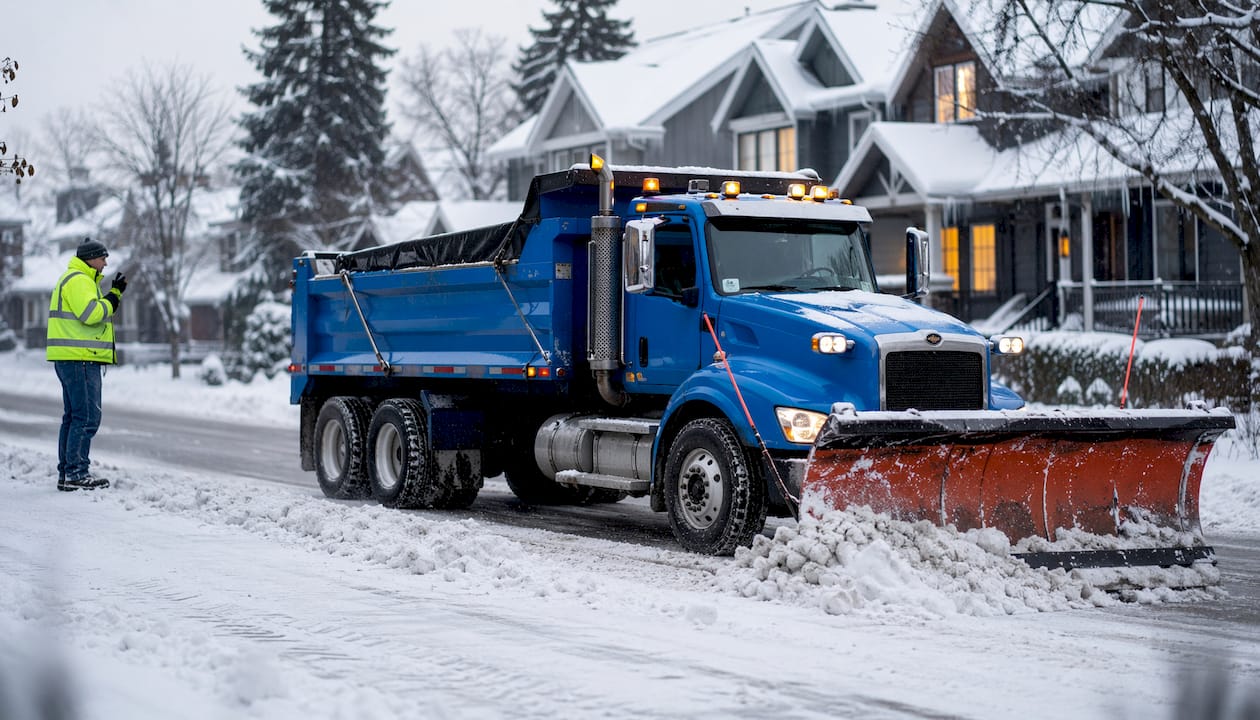
2. Trouble spots are getting missed in your DIY routine
Not all snow removal red flags involve deep drifts. For tips on how to prepare your entry points, see how to winterize your doors. Often the most dangerous areas are the thin, shaded patches that a shovel passes over quickly. Driveway corners, ADA ramps, stair landings, and doorway thresholds tend to refreeze faster than open pavement and receive less attention during manual clearing.
- Steps and curb ramps still feel slick well into the afternoon
- Snow piles in high-traffic zones melt partially, then refreeze overnight
- Cleanup looks patchy, with some sections of the lot barely touched
According to USPS maintenance guidelines, ADA ramps and main entrances carry the highest clearing priority precisely because they concentrate foot traffic and liability in one spot. If those zones aren’t getting consistent attention, the risk compounds daily.
Pro Tip: Map your property’s three highest-traffic entry points before the season starts. These are your liability zones. If any of them are still icy by 9 AM, that’s your clearest indication for snow removal help.
3. Your current snow removal plan can’t keep up
A plan that works during a light dusting often collapses under a heavy or back-to-back storm cycle. If you’re relying on a neighbor, a part-time contractor, or your own schedule to manage clearing, the gaps show up fast when conditions change.
- You depend on staff or tenant reports to learn where it’s icy, rather than proactive checks
- There’s no set routine for early-morning or post-sunset property sweeps
- Clearing feels reactive, not routine, and always seems to happen after someone complains
Seasonal snow removal contracts offer predictable budgeting and frequent clearing benefits, while per-visit arrangements can leave you scrambling when demand spikes. If your current setup only holds up when conditions stay calm, it’s not a plan. It’s a gamble.
4. Snow is slowing down normal property operations
Unmanaged snow doesn’t just create slip hazards. It starts interfering with the basic flow of daily life on your property. For homeowners, that means blocked garage access and unsafe parking. For property managers, it means delayed deliveries, frustrated tenants, and reduced foot traffic.
- Loading zones or parking areas stay blocked because snow piles haven’t been relocated
- Delivery trucks can’t reach the property or have to park dangerously far away
- Pedestrians reroute around icy paths, bypassing entrances entirely
When snow begins creating slowdowns, the financial impact follows quickly. Tenants notice, customers avoid the property, and emergency egress becomes a real concern. A blocked driveway that delays an ambulance or fire truck is no longer just a property management problem.
5. Accidents, near-falls, or property damage are adding up
By mid-winter, snow accumulation is no longer light and manageable. It’s packed, heavy, and often layered with ice underneath. Slip-and-fall incidents increase significantly during this period, and the legal exposure for property owners who haven’t taken reasonable clearing measures is substantial.
- You’ve had near-falls or actual slips reported on the property
- Meltwater is pooling near the foundation and refreezing in low spots
- Surfaces that used to drain well are now cracking or shifting from freeze-thaw cycles
Improper snow piling near driveways or garden edges causes long-term damage to pavers, landscaping, and drainage systems. Knowing how to protect landscaping during snow plowing matters as much as clearing the snow itself.
6. Physical limitations make DIY snow removal unsafe
Shoveling is one of the most physically demanding household tasks, and it carries real medical risk. Manual snow removal poses significant health risks for people over 40 or those with cardiac conditions, with thousands of hospitalizations occurring annually linked to snow-shoveling exertion, particularly among seniors.
If you or anyone in your household has a heart condition, back problems, or limited mobility, DIY clearing isn’t just inconvenient. It’s genuinely dangerous. The same applies to property managers whose maintenance staff may be older or working in extreme cold without adequate PPE. Hiring professionals isn’t a luxury in these situations. It’s the responsible call.
7. Heavy snow accumulation is stressing your roof or deck
Flat or low-pitch roofs, older decks, and covered porches are particularly vulnerable when snow accumulates without regular clearing. Neglecting roof snow can lead to leaks, structural stress, and in severe cases, partial collapse. Falling icicles and roof avalanches are additional hazards that put anyone near the building at risk.
Improper DIY techniques, including using metal tools on shingles or pulling snow toward the center of a roof, can accelerate damage. Professional crews understand load distribution and use equipment that clears snow without compromising roofing materials. If your deck or roof hasn’t been assessed for roof load bearing conditions before winter, that’s a gap worth closing before the next heavy storm.
8. Insurance and liability risks are growing
Homeowners and property managers often underestimate how directly snow removal gaps affect their insurance standing. If a visitor slips on an uncleared walkway and files a claim, the first question an insurer asks is whether reasonable clearing measures were in place. Without documentation, that question is hard to answer favorably.
Professional snow removal companies maintain documented service logs and carry liability insurance, which provides critical evidence in slip-and-fall claims and covers repair costs if equipment damages your property during clearing. Keeping your own snow removal documentation for liability protection is equally important. A paper trail showing timely, professional service is one of the strongest defenses a property owner can have.
9. Seasonal weather patterns have shifted beyond DIY capacity
Denver winters don’t follow a predictable script. Overnight temperature swings, back-to-back storms, and sudden warm spells that refreeze by morning create conditions that outpace manual clearing routines quickly. When forecasts start showing consecutive storm days or sustained temperatures below 20°F, the window for effective DIY removal narrows fast.
Watching for early-season signals matters. Sudden overnight temperature drops after mild days, flurries that build without stopping, and reports of heavy snow in surrounding areas are all warnings that conditions are about to exceed what a shovel and a free Saturday morning can handle. Booking professional help before the season peaks, ideally before mid-October in the Denver area, gives you access to reliable crews before rosters fill. Reviewing seasonal snow preparation steps before the first storm is the most practical thing a homeowner can do.
10. Professional snow removal ensures safe walkways and access
When the signs above are present, professional service isn’t just more convenient. It’s structurally different from DIY in ways that matter for safety and legal protection.
- Industrial-grade equipment clears snow starting at 1 inch of accumulation, before compaction and ice bonding occur
- Anti-icing agents are applied proactively, not reactively, preserving driveway and walkway surfaces
- Service logs document every visit, creating a defensible record for insurance claims
- 24/7 availability means storms at 3 AM don’t leave your property uncleared until morning
“Snow and ice removal should begin as early as possible and before employees and customers begin entering or leaving the facility. In critical areas, surface preparation should begin before hazardous conditions develop.” — USPS Maintenance Management Order MMO-150-14
Denversnowremovals brings 44 years of Denver-area experience to every job, with equipment and scheduling designed for Colorado’s unpredictable winters. The benefits of 24/7 commercial snow service extend well beyond convenience. They include the kind of consistent, documented clearing that protects your property and your liability exposure all season long.
Pro Tip: Ask any snow removal provider for proof of liability insurance and a sample service log before signing. If they can’t produce both, keep looking.
Key Takeaways
Recognizing the signs you need snow removal help early protects your property, your visitors, and your legal standing before a single slip or storm-related claim occurs.
| Point | Details |
|---|---|
| Falling behind is a legal risk | Most municipalities require sidewalks cleared by 10 AM, with fines starting at $250. |
| Missed spots cause the most injuries | ADA ramps, stair landings, and shaded corners refreeze fastest and carry the highest liability. |
| Health limits make DIY dangerous | Manual snow removal poses significant health risks for people over 40 or those with cardiac conditions, with thousands of hospitalizations occurring annually linked to snow-shoveling exertion, particularly among seniors. |
| Documentation protects you | Service logs and provider insurance are critical evidence in slip-and-fall claims. |
| Denversnowremovals | 44 years of Denver-area experience, 24/7 availability, and equipment for Colorado’s heaviest winters. |
The sign most homeowners miss until it’s too late
The conventional wisdom says to call a snow removal service when the snow gets deep. That framing gets people hurt. The real threshold isn’t depth. It’s frequency and recovery time.
A property that gets cleared once after a six-inch storm is safer than one that gets cleared poorly after three two-inch storms in a row. The second scenario produces layered ice, uneven surfaces, and compacted snow that resists both shovels and salt. By the time it looks bad, it’s already been dangerous for days.
What most homeowners and property managers underestimate is how quickly the cost calculation shifts. When you factor in equipment wear, time lost, the physical toll, and the liability exposure from a single uncleared morning, the gap between DIY and professional service narrows considerably. For many properties, it disappears entirely. The question isn’t whether you can shovel. It’s whether the risk of not calling is worth what you’re saving.
Denversnowremovals: reliable winter clearing for Denver properties
When the signs above are showing up at your property, the practical next step is a service built for exactly these conditions. Denversnowremovals has spent 44 years clearing Denver Metro driveways, walkways, and commercial lots, with a team on call around the clock and equipment that handles Colorado’s heaviest storms without delay.
Free estimates, flexible service plans, and no scrambling when the next storm hits. Whether you need a seasonal contract or want to understand your options before committing, Denversnowremovals makes it straightforward. You can also explore snow removal discount programs to find a plan that fits your budget. For a full picture of what professional clearing covers, visit denversnowremovals.com and request your free estimate today.
FAQ
When should I call a snow removal service?
Call when your walkways stay icy hours after a storm ends, when you’re missing ADA ramps or high-traffic entry points, or when physical limitations make shoveling unsafe. Municipal deadlines, often 10 AM after snowfall, make timing critical.
At what age should someone stop shoveling snow?
There’s no universal cutoff, but snow shoveling poses serious cardiac risk for people over 40 with heart conditions or limited mobility. Anyone in that category should consider professional help rather than risk exertion-related hospitalization.
Who is responsible for snow removal on my property?
The property owner is responsible. Most municipalities hold homeowners and property managers legally accountable for clearing sidewalks and walkways within a set window after snowfall, with fines for non-compliance and liability exposure for injuries on uncleared surfaces.
How do I prepare for snow removal season?
Assess your property’s trouble spots before the first storm, confirm your service provider’s schedule and insurance, and book early. In Denver, top crews fill their rosters well before October, so waiting until the first snowfall limits your options significantly. Reviewing seasonal preparation steps before winter arrives is the most practical starting point.
Does homeowners insurance cover slip-and-fall injuries from snow?
Liability coverage in most homeowners policies can apply, but claims are stronger when you have documented evidence of reasonable clearing efforts. Professional service logs and provider insurance are the most defensible proof that you met your duty of care.