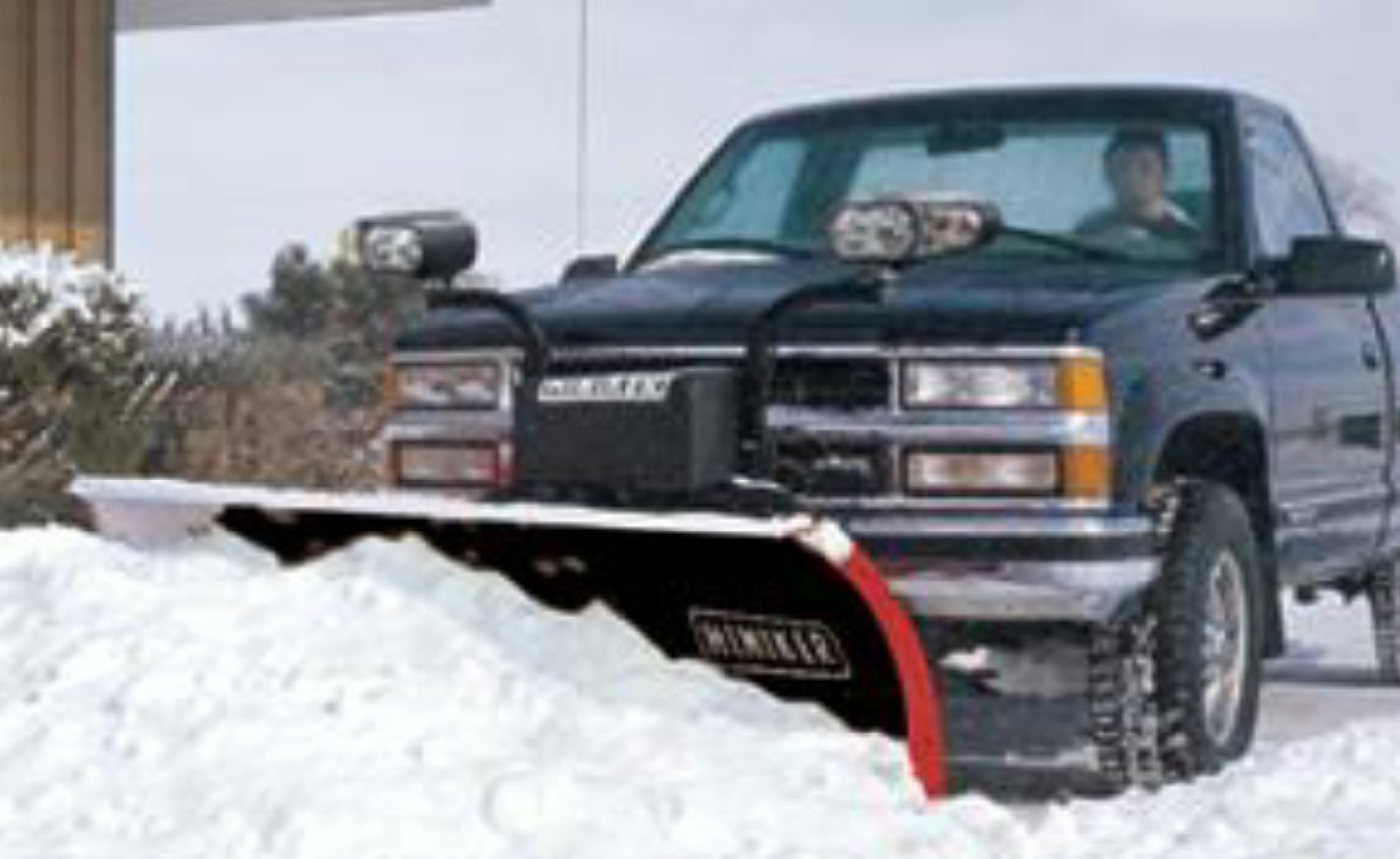
How to Protect Your Landscaping From Snow Plow Damage: A Pro’s Guide
The first thaw of spring often reveals costly damage: deep gouges in your lawn, broken sprinkler heads, and salt-burned plants along your driveway. This cycle of winter damage and spring repairs creates unnecessary anxiety and expense for property owners. However, this destruction is not a mandatory part of professional snow removal. A reliable winter service plan must include protecting landscape from snow plows, ensuring your property remains safe and intact throughout the season.
This professional guide removes the guesswork from winter preparation. We will provide a clear, actionable checklist with the essential pre-season steps you must take to prevent damage. You will learn how to safeguard your lawn, lighting, and hardscaping from heavy equipment and de-icing agents. The result is a property that is cleared safely and efficiently all winter, and a healthy, undamaged landscape ready to thrive come springtime.
Pre-Season Preparation: Your Essential Fall Landscaping Checklist
The best time for protecting landscape from snow plows is in the fall, well before the first freeze. A small investment of your time now prevents the need for hundreds or even thousands of dollars in spring repairs. The goal is simple: make your landscape’s key features visible and shielded from heavy equipment. This checklist is essential whether you handle your own plowing or hire a professional snow removal service. If you use a contractor, be sure to communicate these preparations to them for a safe and damage-free winter.
Mark Your Boundaries with Snow Stakes
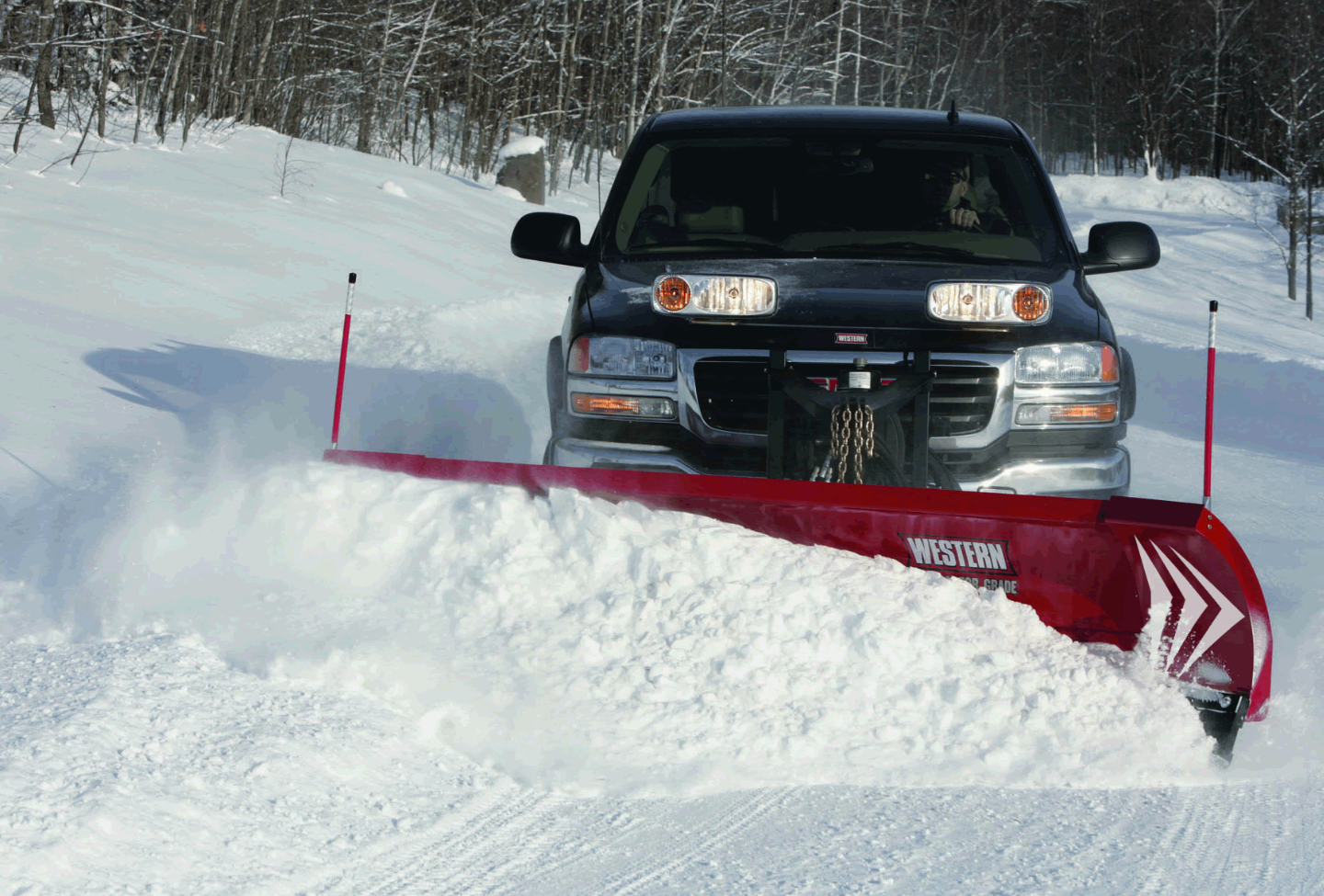
Under a thick blanket of snow, your driveway edge and a delicate garden bed look the same. Snow stakes are the most effective way to define safe plowing zones for operators. Using them correctly ensures your property is cleared efficiently without accidental damage to your lawn or landscape features.
- Use High-Visibility Stakes: Choose tall, brightly colored fiberglass stakes that will remain visible above deep snow drifts.
- Define Key Areas: Place stakes along driveway edges, walkways, and curb lines to create a clear path for the plow.
- Protect Hidden Obstacles: Mark the locations of sensitive items that will be buried, such as sprinkler heads, utility boxes, and landscape lighting fixtures.
- Space Them Effectively: Position stakes close enough together so the operator can clearly see the boundary of the plowable area, day or night.
Protect Vulnerable Plants, Shrubs, and Trees
The sheer weight of snow pushed by a plow can snap branches and crush entire shrubs. Protecting your valuable plants is a critical step in any pre-season plan. These simple measures shield your greenery from the force of displaced snow and prevent costly replacements in the spring.
- Prune Overhanging Branches: Trim back any tree or shrub branches that hang over driveways or walkways. Heavy, wet snow can weigh them down into the path of equipment.
- Wrap Delicate Shrubs: Use burlap or specialty shrub netting to wrap vulnerable plants like boxwoods and arborvitae. This holds their shape and prevents breakage.
- Build Simple Shelters: For extremely sensitive plants located near plow zones, construct a simple wooden A-frame shelter to deflect the weight of pushed snow.
For tasks like significant pruning, especially on large or high-value trees, consulting with professional arborists is a wise investment. A team like We Love Trees can ensure the job is done safely and correctly, protecting your trees from winter hazards.
Inspect and Document Your Hardscaping
Even the most careful operator can cause damage if your hardscaping has pre-existing issues. The immense force exerted by a modern Winter service vehicle can catch a raised paver or exploit an existing crack. A thorough fall inspection and documentation provide a crucial baseline and protect you from liability.
- Check for Existing Damage: Carefully inspect driveways, walkways, and curbs for any cracks, chips, or heaving.
- Document Everything: Take clear photos or a detailed video of your property’s condition before the first snowfall. This documentation is invaluable for any potential damage claims.
- Ensure Surfaces are Level: Check that pavers and edging stones are flush with the surface. A raised edge can be easily caught and dislodged by a plow blade.
Common Types of Plow Damage and How to Prevent Them
Understanding why snow plow damage happens is the first step toward preventing it. Professional plow operators face significant challenges, including poor visibility during storms and obstacles hidden beneath the snow. This can lead to accidental damage to your valuable property. Fortunately, most of these issues are entirely avoidable with proper marking and clear communication with your snow removal provider. These professional tips for protecting your landscaping emphasize that preparation is key. Below, we break down the four most common types of damage and the reliable steps you can take to prevent them.
Turf Damage: Scrapes, Gouges, and Ruts
Lawn damage often occurs when a plow blade catches the edge of a soft or uneven lawn, tearing up turf and soil. This is especially common during early-season snowfalls before the ground is fully frozen. Effective prevention is straightforward:
- Install snow stakes: Place highly visible markers 6-12 inches inside the edge of your lawn and driveway to create a clear, safe boundary.
- Request plow shoes: Ask your contractor if they use plow shoes, which are skids that lift the blade slightly off the ground to prevent it from digging in.
- Wait for a hard freeze: If possible, allow your ground to freeze solid before the first heavy plow of the season.
Hardscape Harm: Scratched Pavers and Broken Curbs
Heavy steel plow blades can easily scratch decorative pavers, chip concrete curbs, and damage asphalt driveways. An uneven paver or a hidden curb can be caught by a blade, causing significant and costly damage. To protect your hardscapes:
- Use markers: Clearly mark the edges of patios, walkways, and any raised curbs that may be hidden by snow.
- Inquire about polyurethane edges: A polyurethane cutting edge is a softer alternative to steel that is much gentler on delicate surfaces.
- Make pre-winter repairs: Fix any raised or loose pavers before winter so they don’t create a snag point for the plow.
If your inspection reveals significant damage like large cracks or uneven concrete, it’s best to address these issues before the first freeze. Professional hardscaping and concrete repair services, such as those offered by Peninsula Concrete Contractors, can ensure your surfaces are level and durable, preventing minor flaws from becoming major plow damage.
Plant and Shrub Destruction
Your trees, shrubs, and perennial beds are vulnerable to both direct impact from a plow and the crushing weight of piled snow. A strategy for protecting landscape from snow plows must include your plant life. To keep them safe:
- Mark your garden beds: Use tall stakes to outline the borders of all garden beds and to mark the location of any isolated or important shrubs.
- Designate a “snow pile” zone: Communicate with your snow removal company about a safe, pre-determined location to pile snow, far away from delicate plants.
- Wrap and shelter: Use burlap wraps, A-frame shelters, or shrub guards to provide a strong physical barrier against snow and equipment.
The Silent Killer: De-Icing Salt Damage
The snow cleared from your driveway is often loaded with de-icing salt. When this snow is piled on or near your lawn and garden beds, the salt-laden meltwater soaks into the soil, damaging roots and killing grass. To mitigate this:
- Create barriers: Install burlap or plastic barriers around sensitive garden beds that are near salted driveways or walkways.
- Discuss alternatives: Ask your contractor about using less harmful de-icers like calcium chloride or mixing sand in for traction.
- Ensure proper pile placement: Verify that the designated snow pile zone will not drain directly into your lawn or garden beds when it melts.
Special Considerations for Commercial Properties
Commercial properties present unique challenges, from complex parking lot layouts with islands and drains to the constant flow of vehicle and pedestrian traffic. Protecting your investment in high-quality landscaping is essential for maintaining curb appeal and ensuring a safe environment for customers and employees. For large, multifaceted sites, a pre-season plan is not just a suggestion-it’s a critical component of protecting landscape from snow plows. Success hinges on clear, detailed communication with your professional snow removal contractor before the first flake falls.
Mapping and Marking Parking Lots
A proactive approach is the most effective way to prevent costly damage. Before winter arrives, a comprehensive pre-season walk-through with your snow removal provider is essential. This process should include creating a detailed site map that highlights all potential hazards and sensitive areas. As detailed in the NPS guide to landscape protection during winter, proper planning is key to preserving valuable assets. Your plan should include:
- Using commercial-grade snow stakes to clearly mark all curbs, parking lot islands, and storm drains.
- Identifying and marking the locations of fire hydrants, utility boxes, and other essential infrastructure.
- Documenting speed bumps and any other features that could be hidden under snow.
Managing Snow Pile Locations
Where the snow goes is just as important as how it’s removed. Your snow removal contract should strategically designate snow storage areas. These locations must be chosen carefully to avoid creating new problems, such as blocking driver sightlines at entrances or exits. Piling heavy, compacted snow on top of landscaped islands, young trees, or shrub beds can cause severe damage. For major snow events, arranging for professional snow hauling services is a reliable way to completely remove snow from your property, offering the ultimate protection for your landscape.
Protecting Walkways and Entrance Areas
High-traffic entrances and walkways require a more delicate touch. Heavy equipment like loaders and plows are often too aggressive for these areas. A professional service will use the right tools for the job, such as snow blowers and shovels, to clear paths without damaging pavers or concrete edges. It’s also vital to discuss the use of less corrosive de-icing agents near high-value plants and turf at your main entrances. Finally, ensure all downspouts are clear and direct meltwater away from pedestrian areas to prevent dangerous refreezing and ice buildup. Need a reliable plan for your commercial property? Get a free professional estimate.
Hiring a Contractor Who Protects Your Property
The proactive steps you take are crucial, but your greatest defense is choosing the right snow removal partner. Not all snow plowing services prioritize property care, and an inexperienced operator can cause significant damage in a single storm. The most effective strategy for protecting landscape from snow plows is to hire a professional contractor who treats your property with respect from day one.
Key Questions to Ask Before You Hire
A professional, experienced company will have clear, immediate answers to your questions about their procedures. Before signing any contract, it is essential to ask these critical questions:
- What type of plow blades and equipment do you use on different surfaces like asphalt, concrete, and pavers?
- Do you conduct a pre-season site inspection and walk-through with every client?
- What is your documented procedure for handling accidental damage to a client’s property?
- How are your operators trained to identify and avoid landscape hazards like curbs, garden beds, and irrigation heads?
The Value of a Pre-Season Walk-Through
Any reputable snow removal company will insist on visiting your property before providing a quote. This pre-season walk-through is your opportunity to point out every sensitive area, from low-profile lighting fixtures to the exact edge of your lawn. Use this meeting to agree on where snow will be piled to avoid crushing shrubs or blocking drainage. This simple step establishes clear communication and sets expectations before the first snowflake falls.
Why Experience and Insurance Are Non-Negotiable
An experienced company understands the unique challenges of a Denver winter and has a proven track record of safe, efficient service. Always verify that a contractor carries adequate general liability insurance to cover any potential damage. Don’t hesitate to ask for references from properties similar to yours. A truly professional partner sees protecting landscape from snow plows not as an extra, but as a fundamental part of providing quality service.
When a contractor has established procedures, proper insurance, and decades of experience, you can have peace of mind all winter. At Denver Snow Removals, we build our service on reliability and professional trust, ensuring your property is safe and accessible.
Partner with the Pros for Damage-Free Snow Removal
The proactive steps you take in the fall, such as marking curbs and delicate plants, are your first line of defense against winter damage. However, the most critical decision is hiring a reliable snow removal contractor who prioritizes your property’s integrity. These two strategies form the foundation for protecting landscape from snow plows and ensuring your investment remains pristine come spring.
Don’t leave your property’s safety to chance. At Denver Snow Removals, we bring over 44 years of professional experience to every job. We are fully licensed and insured for your protection, and our commitment to your property begins with meticulous pre-season site planning included with every contract. We identify and map out your landscape’s unique features to ensure safe, efficient, and damage-free clearing all winter long.
Trust your property to the pros. Contact Denver Snow Removals for a free, no-obligation quote.
Let this be the winter you have complete peace of mind, knowing your landscape is in expert hands.
Frequently Asked Questions
When is the best time to install snow stakes?
The best time to install snow stakes is in late fall, well before the first anticipated snowfall or ground freeze. Installing them while the ground is still soft, typically in October or early November, makes the process significantly easier. Waiting until the ground is frozen can make installation difficult and less effective. Proactive placement ensures your property is clearly marked and ready for the first winter storm, preventing costly damage from snow plows.
What are the best and most visible types of snow markers to use?
For maximum visibility, especially during heavy snow and at night, the best snow markers are 4- to 5-foot tall fiberglass stakes. Choose highly visible colors like fluorescent orange, red, or bright blue. Adding reflective tape to the top of each stake is crucial for ensuring plow operators can see them clearly in their headlights during early morning or late-night service. These professional-grade markers stand up to harsh winter conditions and provide reliable boundary definition.
Can a snow plow damage my asphalt or concrete driveway?
Yes, a snow plow can potentially damage asphalt or concrete, particularly if the surface has existing cracks, heaving, or is uneven. The steel blade can catch on imperfections, causing scrapes or gouges. However, a professional and experienced snow removal service minimizes this risk. Operators are trained to adjust the plow blade height correctly and use polyurethane cutting edges where appropriate, ensuring your driveway is cleared safely and efficiently without causing harm to the surface.
What should I do if my property is damaged by a snow plow?
If you discover snow plow damage to your property, your first step is to document it immediately. Take clear photographs and videos of the damage from several angles, noting the date and time. Then, contact the responsible party-whether it is a private contractor like Denver Snow Removals or your local municipality-as soon as possible. Providing clear documentation will expedite the claims process and ensure a professional and timely resolution to repair the damages.
How does a professional service like Denver Snow Removals minimize damage?
A professional service like Denver Snow Removals takes a proactive approach to protecting landscape from snow plows. Before the season begins, we conduct site inspections to identify curbs, garden beds, and other obstacles. Our experienced operators are trained to use equipment safely, adjusting blade heights to avoid scraping surfaces. We also utilize high-visibility snow stakes to clearly mark boundaries, ensuring our team can provide efficient, reliable, and damage-free snow removal service all winter long.
Are there pet-safe and plant-safe alternatives to rock salt?
Yes, there are several effective alternatives to traditional rock salt (sodium chloride) that are safer for pets and plants. Products containing magnesium chloride or calcium magnesium acetate (CMA) are popular choices as they are less corrosive and gentler on vegetation and animal paws. For a non-chemical option, sand or birdseed can be used to add traction on icy surfaces without melting the ice. These alternatives provide a safe passage while protecting your landscape and furry family members.