
Snow scraping represents one of the most essential yet often underestimated aspects of commercial property maintenance during winter months. While heavy snowfall garners most of the attention, the thin layers of packed snow and ice that remain after initial clearing create significant safety hazards and operational challenges. Understanding proper snow scraping techniques, equipment selection, and timing strategies makes the difference between merely acceptable winter maintenance and truly professional commercial property care that protects both people and surfaces throughout the season.
Understanding Snow Scraping Fundamentals
Snow scraping differs fundamentally from snow plowing or shoveling in both technique and purpose. This process focuses on removing compacted snow, ice layers, and hardened accumulation that standard plowing equipment cannot effectively eliminate. Commercial properties particularly benefit from proper snow scraping because high-traffic areas quickly transform light snow into dangerous ice sheets through repeated foot and vehicle traffic.
The science behind effective snow scraping involves understanding how snow transforms under pressure and temperature fluctuations. Fresh snow contains approximately 90% air, but traffic compresses this ratio dramatically. Within hours of initial accumulation, parking lot snow can compact to half its original volume, creating a dense layer that bonds to pavement surfaces.
Critical Timing Considerations
Timing separates adequate snow scraping from exceptional results. The window of opportunity begins immediately after snowfall ceases but before temperatures drop significantly. Snow scraping becomes exponentially more difficult once compacted snow undergoes freeze-thaw cycles that create ice layers.
Early morning operations offer distinct advantages:
- Lower traffic volumes allow comprehensive coverage
- Pre-dawn temperatures prevent melting and refreezing
- Completed work remains effective throughout business hours
- Reduced interference with commercial operations
Professional snow removal teams monitor weather patterns continuously, positioning equipment before major weather events conclude. This proactive approach enables immediate response when conditions permit safe snow scraping operations.
Equipment Selection and Maintenance
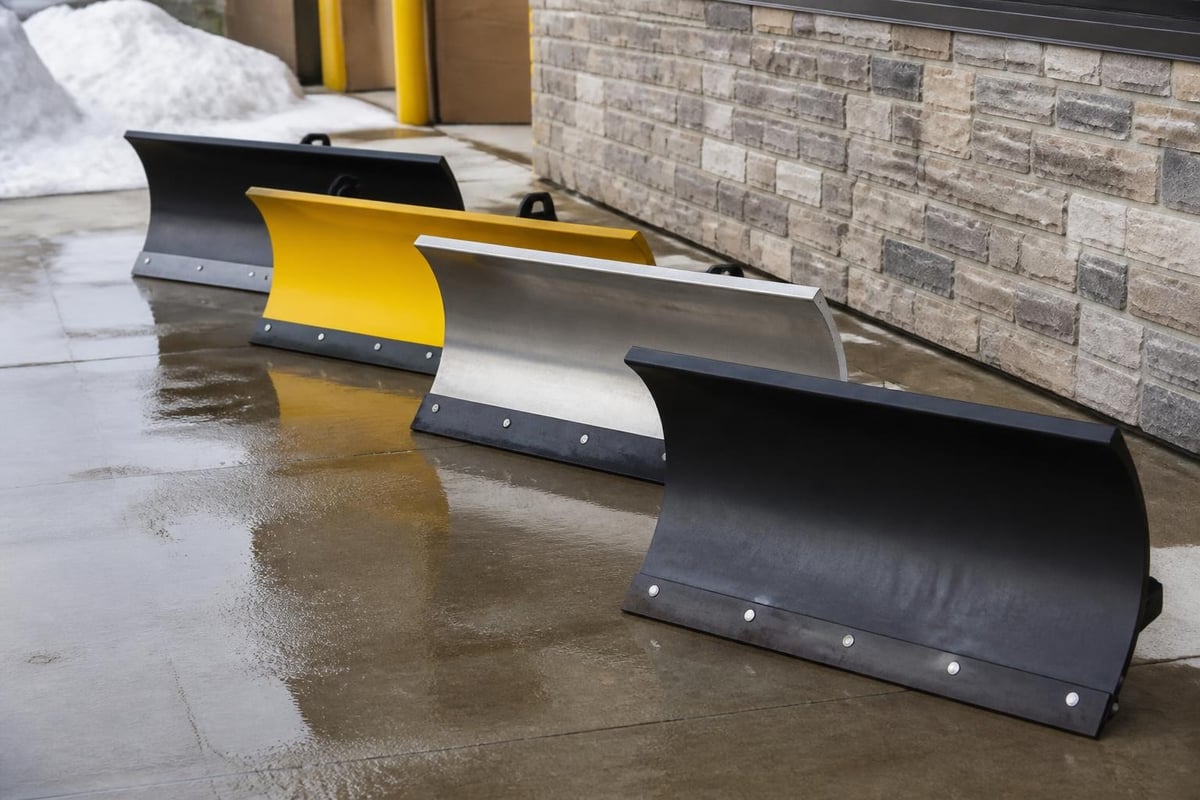
Choosing appropriate equipment for snow scraping directly impacts efficiency, surface preservation, and safety outcomes. Commercial properties require specialized tools that balance aggressive ice removal with surface protection, especially on decorative pavement, stamped concrete, or specialized coatings.
| Equipment Type | Best Application | Surface Safety | Efficiency Rating |
|---|---|---|---|
| Steel Blade Scrapers | Concrete parking lots | Moderate | High |
| Polymer Edge Scrapers | Decorative surfaces | High | Moderate |
| Heated Blade Systems | Ice layer removal | High | Very High |
| Walk-Behind Scrapers | Pedestrian walkways | High | Moderate |
| Skid-Steer Attachments | Large open areas | Low to Moderate | Very High |
Steel blades provide maximum ice removal capability but demand careful operation to prevent surface damage. Operators must maintain proper blade angles and pressure to avoid gouging pavement or removing sealant layers. Modern polymer-edged scrapers offer excellent compromise, delivering effective snow scraping while minimizing surface contact damage.
Blade Angle Optimization
The angle at which scraper blades contact pavement surfaces determines both effectiveness and potential damage. Professional operators adjust blade angles based on snow density, surface temperature, and ice thickness. Standard snow scraping operations typically employ 25-30 degree blade angles for compacted snow, increasing to 35-40 degrees for ice removal.
Adjustable blade systems allow operators to modify angles without equipment changes, providing flexibility across varying conditions. This adaptability proves essential when transitioning between parking areas, walkways, and loading zones that experience different traffic patterns and accumulation types.
Safety Protocols and Worker Protection
Snow scraping operations expose workers to multiple hazards that require comprehensive safety planning and protective measures. Cold stress, slip hazards, equipment-related injuries, and visibility challenges demand systematic risk management approaches that go beyond basic precautions.
OSHA outlines winter weather hazards that snow removal professionals encounter, emphasizing proper protective equipment, rest periods, and environmental monitoring. Commercial snow scraping teams must implement these guidelines while maintaining service quality and efficiency expectations.
Essential safety equipment includes:
- Insulated, waterproof work boots with aggressive tread patterns
- Layered clothing systems that manage moisture and temperature
- High-visibility outerwear with reflective elements
- Eye protection against wind-blown ice particles
- Communication devices for team coordination
Weather monitoring extends beyond temperature readings to include wind chill factors, precipitation forecasts, and surface condition assessments. Operations cease when conditions create unacceptable risk levels, regardless of contractual obligations or customer pressure.
Preventing Slip and Fall Incidents
Snow scraping operations paradoxically create temporary slip hazards while working to eliminate long-term dangers. Freshly scraped surfaces often expose thin ice layers or create wet conditions that freeze rapidly in low temperatures. Professional teams address this through coordinated ice management strategies that combine mechanical removal with chemical treatments.
The New York State Department of Health provides guidelines for safe travel across snow-covered areas, emphasizing proper footwear and awareness of surface conditions. These principles apply equally to snow scraping professionals and property users who navigate treatment areas.
Surface-Specific Techniques
Different pavement types, surface treatments, and architectural features demand customized snow scraping approaches. Generic techniques that work adequately on standard asphalt parking lots may damage decorative concrete, brick pavers, or specialized court surfaces. Understanding material properties and appropriate treatment methods protects property investments while maintaining safety standards.
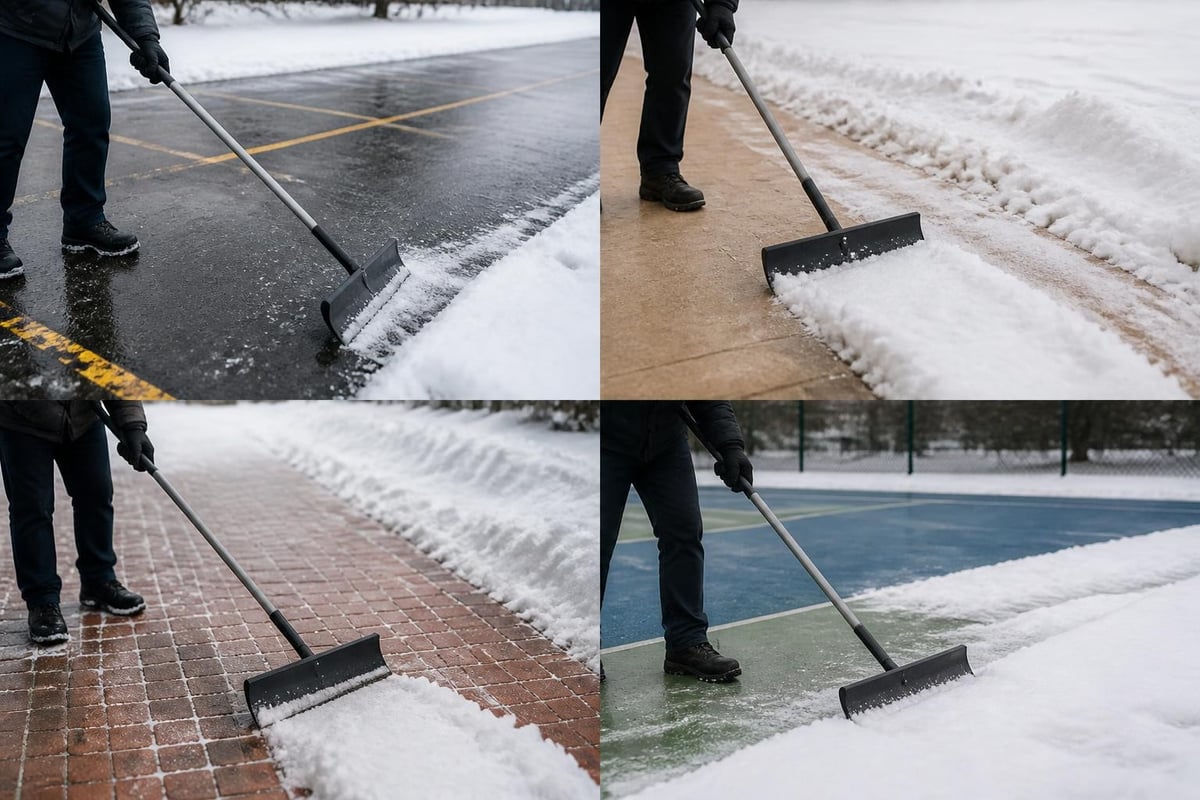
Stamped and colored concrete requires particular attention during snow scraping operations. These surfaces feature sealant layers that protect decorative elements from weathering and wear. Aggressive scraping can remove these protective coatings, leading to premature deterioration and costly restoration requirements.
Sports Court and Specialty Surface Management
Athletic facilities present unique snow scraping challenges that combine surface protection requirements with urgent availability needs. Tennis courts, basketball courts, and similar facilities cannot tolerate aggressive mechanical removal that damages playing surfaces or line markings.
Detailed guidance on safe snow removal for sports courts emphasizes gentle techniques, appropriate tools, and early intervention strategies that prevent ice bonding. These principles translate effectively to other specialty commercial surfaces including decorative plaza areas, outdoor dining spaces, and architectural features.
Roof maintenance professionals from companies like Proof Your Roof often coordinate with ground-level snow removal teams to manage comprehensive winter property protection. Snow accumulation on commercial roofs creates substantial weight loads and ice dam potential, while melting runoff contributes to ground-level ice formation that complicates snow scraping operations.
Chemical Treatment Integration
Effective commercial snow scraping rarely relies solely on mechanical removal. Strategic chemical applications enhance ice removal, prevent refreezing, and extend the effectiveness of physical scraping operations. Understanding chemical options, application timing, and environmental considerations ensures optimal results without unnecessary costs or ecological impacts.
Common ice management chemicals include:
- Sodium Chloride (Rock Salt): Effective to 15°F, economical but corrosive to concrete and metal
- Calcium Chloride: Functions to -25°F, faster acting, less surface damage
- Magnesium Chloride: Moderate temperature range, reduced environmental impact
- Potassium Acetate: Minimal corrosion, airport-grade performance, higher cost
- Blended Products: Balanced performance characteristics, optimized cost-effectiveness
Pre-treatment applications before snow events reduce ice bonding and simplify subsequent snow scraping operations. This proactive strategy proves particularly valuable for properties that must maintain 24/7 accessibility or face liability exposure from slip-and-fall incidents.
Environmental and Infrastructure Considerations
Chemical ice management creates runoff that affects landscaping, groundwater, and nearby water bodies. Responsible commercial properties implement application strategies that minimize environmental impacts while maintaining safety standards. Targeted applications to high-traffic zones, appropriate dosage rates, and proper timing reduce chemical usage without compromising effectiveness.
Infrastructure damage from ice management chemicals represents a significant long-term cost factor. Concrete deterioration, metal corrosion, and landscape damage accumulate over seasons, creating maintenance expenses that exceed short-term chemical savings. Roofing contractors like Great Roofing frequently address damage from ice dam formation and aggressive ice removal attempts that could have been prevented through proper ground-level management.
Large-Scale Commercial Operations
Industrial parks, office campuses, and HOA communities require systematic snow scraping approaches that balance operational efficiency with comprehensive coverage. These environments feature complex layouts including parking structures, loading docks, pedestrian pathways, and emergency access routes that demand coordinated treatment strategies.
Route optimization maximizes efficiency during snow scraping operations. Professional teams develop site-specific plans that sequence work areas based on priority levels, traffic patterns, and operational dependencies. Emergency access routes receive immediate attention, followed by primary parking areas, secondary lots, and finally aesthetic zones.
| Priority Level | Area Types | Response Timeframe | Technique Focus |
|---|---|---|---|
| Critical | Emergency access, main entrances | Immediate | Complete ice removal |
| High | Primary parking, walkways | 2-4 hours | Thorough scraping |
| Moderate | Secondary lots, overflow parking | 4-8 hours | Standard treatment |
| Low | Landscape areas, decorative features | 8-24 hours | Cosmetic clearing |
Multi-property contracts benefit from economies of scale in equipment deployment, chemical purchasing, and labor allocation. However, they also demand sophisticated logistics management to ensure contractual obligations across diverse locations receive appropriate attention during widespread weather events.
Technology Integration for Modern Operations
GPS tracking, weather monitoring systems, and digital documentation platforms transform commercial snow scraping from reactive manual labor into data-driven professional services. Real-time location tracking ensures comprehensive coverage while preventing duplicate work in treated areas.
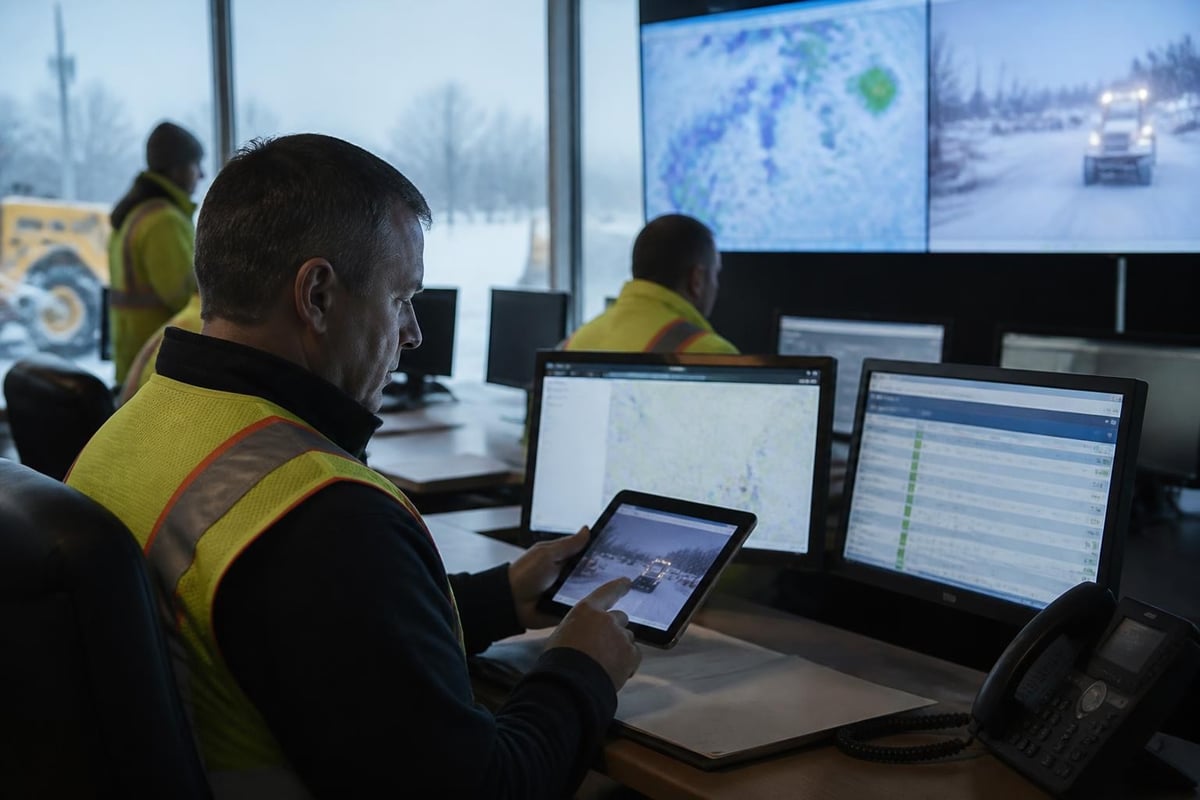
Documentation systems capture before-and-after conditions, treatment times, and material applications, providing liability protection and quality assurance records. Photographic evidence of completed snow scraping operations proves particularly valuable when disputes arise regarding service delivery or weather condition assessments.
Training and Workforce Development
Skilled snow scraping operations require trained personnel who understand equipment operation, surface protection principles, and safety protocols. The seasonal nature of snow removal creates workforce challenges as companies balance maintaining experienced core teams with scaling operations during peak demand periods.
Comprehensive training programs address multiple competency areas beyond basic equipment operation. Workers must recognize surface types, adjust techniques for varying conditions, identify safety hazards, and communicate effectively with team members and property managers. This knowledge base develops through structured training combined with supervised field experience.
Certification programs from industry associations provide standardized training frameworks and credential recognition that benefits both workers and employers. Certified operators command higher wages while demonstrating verifiable competence that reduces liability exposure and improves service quality.
Succession Planning for Experienced Teams
Companies with decades of experience, like those operating since 1979, face unique challenges in transferring institutional knowledge to newer team members. Veteran operators possess weather pattern recognition, site-specific knowledge, and troubleshooting capabilities that only develop through years of field experience.
Mentorship programs pair experienced operators with developing team members, facilitating knowledge transfer while maintaining operational efficiency. Documentation of site-specific requirements, unusual conditions, and proven techniques creates reference materials that supplement hands-on training.
Quality Assurance and Service Verification
Professional snow scraping services implement quality control measures that verify work completion, surface conditions, and safety compliance. Site inspections following treatment operations identify areas requiring additional attention before customers discover deficiencies or safety hazards develop.
Multi-point inspection protocols systematically evaluate treated areas against established standards. Inspectors assess ice removal completeness, surface damage prevention, chemical application appropriateness, and safety hazard elimination. Deficiencies trigger immediate corrective action rather than waiting for customer complaints or incident reports.
Customer communication throughout snow scraping operations builds trust and manages expectations during challenging weather conditions. Proactive updates regarding work schedules, completion status, and anticipated condition changes demonstrate professionalism and reduce anxiety during winter weather events.
Performance Metrics and Continuous Improvement
Measurable performance indicators transform subjective service assessments into objective data that drives operational improvements. Response time tracking, coverage completion rates, chemical usage efficiency, and safety incident frequencies provide quantifiable evaluation criteria.
Seasonal performance reviews identify trends, recurring challenges, and improvement opportunities that inform equipment purchases, training priorities, and operational procedure modifications. Properties seeking reliable snow cleaning services increasingly demand data-driven accountability that documents service delivery rather than relying solely on visual inspections.
Contract Specifications and Service Agreements
Clear contract language prevents misunderstandings regarding snow scraping services, trigger points, and performance expectations. Ambiguous agreements create disputes when weather conditions test service boundaries or interpretation differences emerge between providers and property managers.
Well-structured contracts specify:
- Snow depth or accumulation triggers that initiate services
- Response timeframes from trigger conditions to work completion
- Coverage areas including priority designations
- Equipment types and techniques permitted on specific surfaces
- Chemical application authorization and restrictions
- Documentation and reporting requirements
- Quality standards and acceptance criteria
Temperature thresholds affect snow scraping effectiveness and appropriate treatment approaches. Contracts should acknowledge operational limitations during extreme cold when certain techniques become ineffective or chemical treatments fail to function as designed.
Properties can explore additional insights through the Denver Snow Removals blog, which provides seasonal updates, technique discussions, and industry developments that benefit property managers and facility directors.
Emergency Response Capabilities
Unexpected weather events, equipment failures, or personnel shortages demand contingency planning that maintains service continuity during challenging circumstances. Commercial properties cannot afford extended periods without proper snow scraping services when liability exposure and operational requirements persist regardless of provider difficulties.
Backup equipment inventories, cross-trained personnel, and mutual aid agreements with compatible service providers create resilience against disruptions. Professional companies maintain reserve capacity that exceeds typical demand levels, accepting underutilization costs as insurance against system failures during critical periods.
Twenty-four-hour availability distinguishes professional commercial services from residential-focused providers. Weather events ignore business hours, and effective snow scraping often requires immediate response when conditions permit safe operations rather than waiting for convenient scheduling.
Professional snow scraping combines technical expertise, appropriate equipment, and systematic approaches that protect commercial properties while ensuring safety throughout winter months. Property managers who understand these complexities make informed decisions when selecting service providers and evaluating performance standards. Denver Snow Removals brings nearly five decades of commercial snow management experience to parking lots, office campuses, and HOA communities throughout the Denver Metro area, delivering 24/7 emergency response capabilities that keep your property safe and accessible. Contact our team to discuss customized snow scraping solutions for your commercial property.