
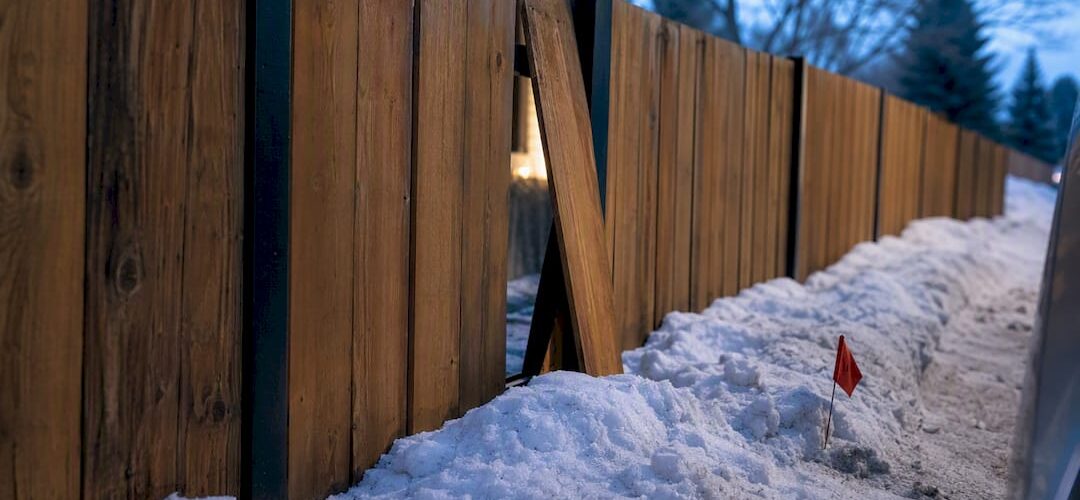
Most snow plow damage claims get resolved through insurance, not lawsuits. If a plow hits your car or property, file with your own insurer first, especially if you can’t identify who was driving. Photograph everything, note the time and location, and get the plow’s identifying markings if you can. Municipal claims are the exception: they often require written notice within a matter of days, so don’t wait to start the process.
TL;DR:
- Filing an insurance claim immediately is crucial if you cannot identify the driver or when dealing with private contractors; municipal claims require swift written notice within a few days.
- Private contractor liability mainly depends on negligence, while government plows benefit from sovereign immunity, making legal action more difficult unless reckless conduct is proven.
- Property owners hiring contractors should verify insurance coverage includes snow and ice endorsements and requires certificates naming them as additional insureds to minimize exposure.
- Document damage at the scene with photos, witness info, and surveillance footage before evidence is overwritten, as thorough scene documentation is vital for a successful claim.
- Lawsuits are a last resort, best pursued when insurance claims are denied or damages exceed coverage, and proper procedural steps including timely notices are essential for government-related claims.
Table of Contents
- Who Is Liable for Snow Damage: Municipal, Contractor, or Property Owner?
- Insurance and Claims: Filing Fast, Filing Right
- Government Claims and Deadlines: Why the Clock Starts Ticking Fast
- Documenting Snow Plow Damage: What to Capture at the Scene
- Snow Plow Insurance Coverage: What Property Owners Should Require
- When to Sue Over Snow Plow Damage
- Field Notes From Four Decades of Denver Winters
- A Practical Word on Expectations
- A Contracted Alternative to Managing Plow Risk Yourself
- Where to Verify Snow Removal Liability Insurance Rules
- Sources
- FAQ
Who Is Liable for Snow Damage: Municipal, Contractor, or Property Owner?
Liability for snow plow damage hinges almost entirely on who was behind the wheel. A private contractor clearing your neighbor’s driveway operates under different rules than a city truck salting the county road out front, and those differences decide whether you’re filing a simple claim or fighting an uphill legal battle.
Private contractors are usually the easiest case. Ordinary negligence rules apply: if the operator drove carelessly and damaged your fence or car, the contractor (or their insurer) is typically on the hook, and their employer can carry vicarious liability for the driver’s actions on the job.
Municipal and state plows sit in a different legal category entirely. Government entities benefit from sovereign immunity, a legal doctrine that shields public bodies from many lawsuits unless specific conditions are met. Many states raise the bar from ordinary negligence to reckless conduct before a municipal driver can be held liable, making lawsuits against government-operated plows more difficult.
Property owners who hire a contractor generally aren’t liable for the contractor’s driving mistakes, but that depends heavily on:
- Whether the contract shifts responsibility or indemnification back to the owner
- Whether the owner directed unsafe practices (like plowing too close to a fence)
- Whether the contractor was properly insured at the time of the incident
Insurance and Claims: Filing Fast, Filing Right
Speed matters more than sorting out fault upfront. If you can’t identify who plowed your car or can’t get a straight answer from a contractor, file with your own auto or homeowner policy immediately rather than waiting on someone else to admit responsibility.
Your insurer pays the claim, subject to your deductible, then pursues the at-fault party through subrogation if a driver or contractor is later identified as liable. This process runs in the background. You don’t have to chase it, but you should expect it to take weeks or months if a recovery target exists.
A few practical realities shape what actually lands in your pocket:
- You’ll pay your deductible upfront regardless of eventual fault determination.
- Depreciation may reduce payouts on older vehicles or damaged structures.
- Reimbursement often arrives in two parts: an initial payment, then a supplemental check once the insurer recovers from the liable party.
Pro Tip: Call your insurer the same day the damage happens. Delayed reporting is one of the most common reasons claims get questioned or denied outright.
Government Claims and Deadlines: Why the Clock Starts Ticking Fast
Suing a city, county, or state agency isn’t like suing a private contractor. Sovereign immunity means you generally can’t sue unless the government has waived that protection for your type of claim, and even then, the procedural rules are stricter.
- Understand the proof standard. Many jurisdictions require evidence of reckless or willful conduct, not just ordinary carelessness, before a municipal plow driver can be held liable.
- Find the notice deadline. Requirements vary widely, with some jurisdictions demanding written notice in as little as 3 days and others allowing up to 120 days. Miss it, and you likely lose your right to recover entirely.
- Locate the correct office. Claims usually route through a risk-management division, the state Department of Transportation, or a corporation counsel’s office. The FHWA’s guidance on winter operations is a useful starting point for understanding how these agencies structure their snow and ice programs.
Don’t assume “the city will handle it.” Government claims move slowly and require you to initiate the paperwork correctly the first time.
Documenting Snow Plow Damage: What to Capture at the Scene
Good documentation is often the difference between a paid claim and a denied one. Work through this checklist before the scene changes or memories fade:
- Take wide shots showing the damage in context, plus close-up shots of the impact point and any transferred paint.
- Photograph landmarks, mailbox posts, or curb lines that establish exactly where the damage occurred.
- Record the plow’s truck number, company name, or license plate if it’s still visible.
- Get names and contact information from any witnesses on scene.
- File a police report when there’s a witness, video, or clear identification of the responsible vehicle, since reports and video evidence materially strengthen a claim.
- Request surveillance footage from nearby businesses or your own home security system before it’s overwritten or deleted.
Pro Tip: Ask your homeowner’s association or building manager whether they have surveillance covering the street. Many HOAs retain footage for only 7 to 14 days, so requesting it early matters.
Our own guide to protecting landscaping from plow damage covers scene documentation specific to fences, sprinkler heads, and retaining walls.
Snow Plow Insurance Coverage: What Property Owners Should Require
If you’re hiring a contractor, whether for a single driveway or a full commercial lot, the insurance certificate you accept determines how exposed you are when something goes wrong.
Commercial snow removal contracts typically call for $1 million to $2 million in general liability coverage, plus a dedicated snow and ice endorsement. That endorsement matters because standard landscaping general liability policies frequently exclude snow and ice operations outright, leaving a contractor uninsured for exactly the work you hired them to do.
Before signing anything, confirm the contractor carries:
- A certificate of insurance (COI) naming your property or HOA as an additional insured
- Commercial auto coverage that extends to mounted plow equipment, not just the vehicle itself
- An umbrella policy above the general liability limit for larger commercial sites
- Written scope boundaries defining exactly where plowing starts and stops on your property
Our insurance requirements checklist for Denver property owners walks through what a compliant COI should actually look like.
When to Sue Over Snow Plow Damage
Litigation should be your fallback, not your first move. Reach for it when your insurer denies the claim outright, when damages exceed available coverage, or when a private contractor’s insurance lapsed and no other recovery path exists.
- Send a demand letter to the responsible party or their insurer outlining the damage, cost estimates, and a reasonable deadline to respond.
- File municipal notice immediately if a government entity is involved. This step cannot wait, given the short deadlines covered above.
- Retain counsel once damages climb past what small claims court handles in your state, or when you’re facing resistance to a facially valid claim.
- Choose your forum. Small claims court works for modest vehicle repairs; larger property losses against commercial contractors usually belong in civil court.
Remember that proving reckless conduct against a government driver is a materially higher bar than proving ordinary negligence against a private operator, so build your evidence file accordingly from day one.
Field Notes From Four Decades of Denver Winters
Prevention beats litigation every time. Reflective driveway markers and breakaway mailbox posts save property owners thousands of dollars in avoidable claims each season, and they cost far less than a single fence repair.
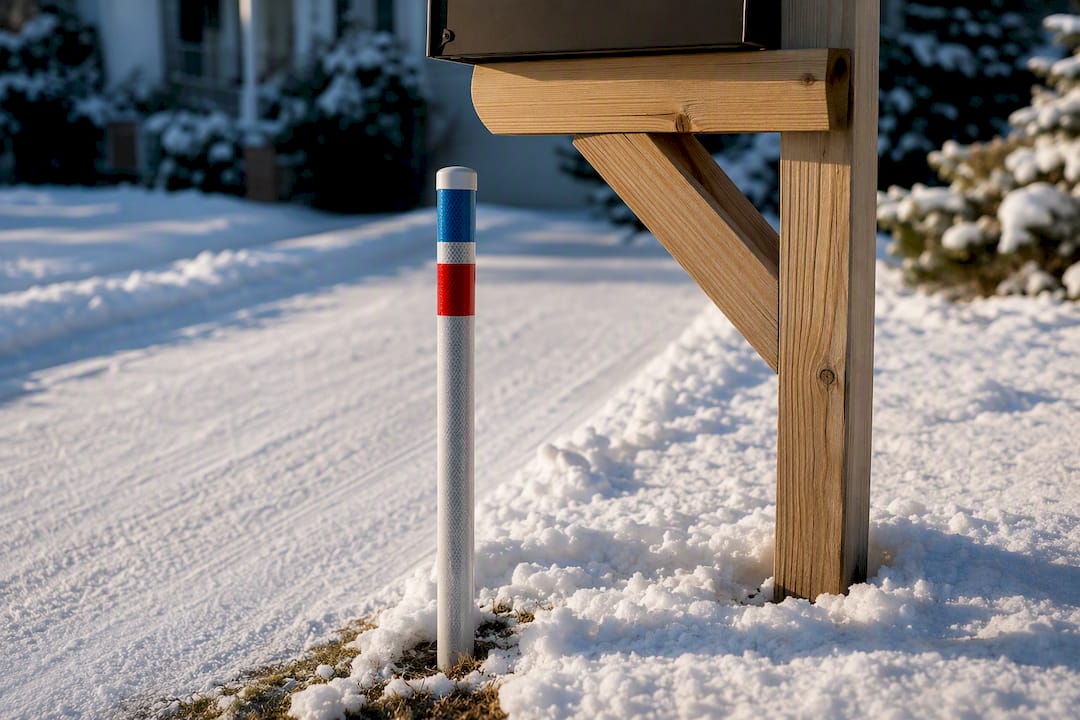
On the operational side, route logs, pre-shift equipment checks, and documented operator training reduce the frequency of claims in the first place. When a dispute does arise, a clean service log and current certificate of insurance speed up both insurer review and municipal claims processing considerably.
Property managers who keep documented service logs resolve disputes faster than those relying on memory or verbal confirmation. Our 44-year Denver playbook breaks down the specific markers and boundary practices that hold up best against Front Range snowfall patterns.
A Practical Word on Expectations
Safety and documentation beat speed every time. Municipal claims move slowly by design, so file with your own insurer while the government paperwork works through channels. Save legal action for denied claims or losses that outstrip your coverage, and bring in a contractor or attorney once the numbers get serious.
— Jesse
A Contracted Alternative to Managing Plow Risk Yourself
Prevention is cheaper than any claim. Some snow removal companies offer Denver property managers, HOA boards, and homeowners a contracted alternative to handling plow risk on their own, including documented service history, certificates of insurance, and crews trained to work carefully around fences, curbs, and parked cars to minimize damage.
Every job runs on a service log that timestamps when a crew arrived, what areas got cleared, and what conditions they encountered. That paper trail is exactly what insurers and municipal claims offices ask for when a dispute comes up, which means less back-and-forth for property managers and fewer disputed invoices for HOAs. If you manage a commercial lot, residential community, or multi-unit property in the Denver Metro area and want a provider who treats documentation as part of the job rather than an afterthought, get a free estimate on Denver snow plowing service and lock in coverage before the next storm hits.
Where to Verify Snow Removal Liability Insurance Rules
- The MHK Attorneys explainer breaks down municipal notice periods and negligence standards state by state.
- Cornell Law’s sovereign immunity page explains the underlying doctrine in plain legal language.
- The FHWA’s winter operations guidance shows how state DOTs structure plowing programs and claims contacts.
- USA Today’s property damage explainer offers a consumer-facing checklist for filing after an incident.
Sources
- Can I Sue if a Snow Plow Damaged My Vehicle or Property? • MHK Attorneys
- What to do if a snowplow damages your car, property in Connecticut
- Sovereign immunity — Cornell Law
FAQ
What Cannot Be Covered by Liability Insurance?
Intentional acts, damage from uninsured or unendorsed operations (like snow removal excluded from a standard landscaping policy), and losses exceeding policy limits typically fall outside standard liability coverage.
How Much Does Snow Plow Insurance Cost?
Costs vary by contractor size and coverage limits, but commercial policies meeting the common $1 million to $2 million general liability standard with a snow and ice endorsement typically cost more than a basic landscaping policy without that endorsement.
What Happens if a Plow Hits Your Car?
Photograph the damage, get the plow’s identifying details if possible, and file with your own auto insurer right away, especially if the operator can’t be identified on the spot; following expert advice on roof insurance claim: what homeowners should do can help guide your filing process. If a municipal plow was involved, check your jurisdiction’s notice deadline immediately, since some require written notice within days.
Will a Plow Void Warranty?
A plow strike itself doesn’t void your vehicle’s manufacturer warranty, since warranties cover defects, not accident damage. Any repair should still go through your insurer, not your warranty provider.
Who Is Liable if a Contractor’s Plow Damages My Property?
The contractor is generally liable under standard negligence rules, and their general liability policy with a snow and ice endorsement should cover the loss. Confirm the contractor’s certificate of insurance names the correct parties before hiring, which is exactly the kind of documentation Denversnowremovals provides to every property manager and HOA client.