

When winter storms blanket commercial properties in snow and ice, businesses depend on professional snow plow companies to maintain safe, accessible facilities. These specialized contractors provide critical services that keep parking lots clear, sidewalks safe, and business operations running smoothly despite severe weather conditions. The commercial snow removal industry has evolved significantly, incorporating advanced equipment, sophisticated logistics planning, and round-the-clock service capabilities to meet the demanding needs of property managers, facility directors, and business owners.
Understanding the Snow Plow Industry Landscape
The snow removal sector represents a substantial segment of the property maintenance industry. According to comprehensive snow plow industry statistics, the market continues to demonstrate steady growth, particularly in regions experiencing consistent winter weather patterns. These figures reflect not only the essential nature of snow removal services but also the increasing complexity and professionalization of operations.
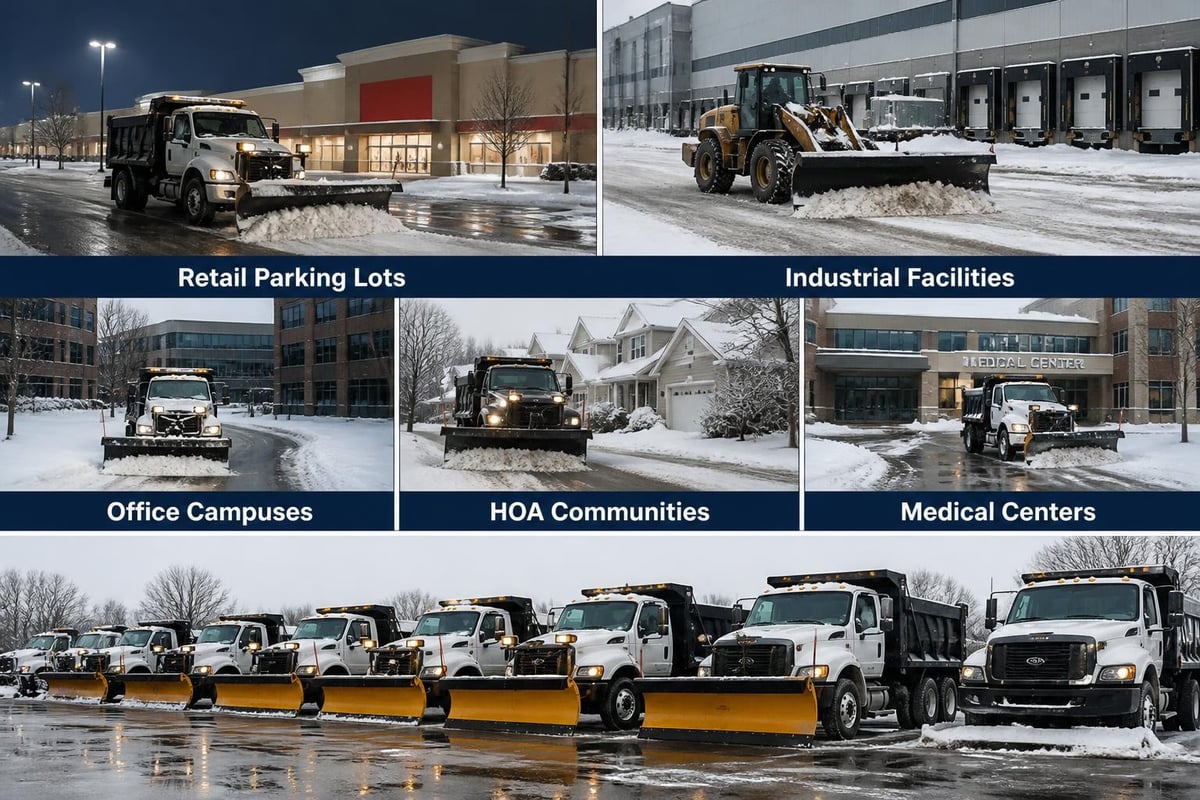
Snow plow companies range from small local operators to large regional contractors managing extensive fleets. The industry serves diverse markets including retail centers, medical facilities, educational institutions, and residential communities. Each segment requires specialized approaches, equipment configurations, and service protocols tailored to specific operational requirements.
Key market characteristics include:
- Seasonal revenue concentration during winter months
- Equipment-intensive operations requiring significant capital investment
- Labor management challenges during unpredictable weather events
- Insurance and liability considerations unique to snow removal
- Technology adoption for route optimization and service verification
Essential Services Provided by Professional Snow Plow Companies
Modern snow plow companies deliver comprehensive winter maintenance solutions extending far beyond basic plowing. Full-service contractors typically offer integrated packages addressing every aspect of property safety during winter conditions.
Core Snow Removal Services
The foundation of any snow removal operation centers on efficient plowing and clearing. Commercial-grade equipment removes accumulated snow from driving surfaces, parking areas, and loading zones. Professional operators understand proper techniques for various surface types, drainage considerations, and snow stacking locations that maximize usable space while maintaining safety.
Pre-treatment applications before anticipated storms prevent ice bonding and reduce overall snow accumulation. Post-storm treatments ensure surfaces remain safe as temperatures fluctuate. These proactive measures significantly reduce liability exposure while maintaining continuous property accessibility.
| Service Type | Primary Purpose | Typical Timeline |
|---|---|---|
| Pre-treatment | Ice prevention | 24-48 hours before storm |
| Active plowing | Snow removal | During storm events |
| De-icing | Surface safety | Post-storm and ongoing |
| Hauling | Space management | As accumulation requires |
| Sidewalk clearing | Pedestrian safety | Within service window |
Specialized Commercial Solutions
Different property types demand customized approaches. Retail centers require priority clearing before business hours to ensure customer access. Medical facilities need continuous accessibility for emergency vehicles. Industrial parks with multiple tenants coordinate complex clearing schedules across shared infrastructure.
Snow plow companies serving these markets maintain diverse equipment fleets including:
- Heavy-duty truck-mounted plows for large open areas
- Skid steers and loaders for tight spaces and snow stacking
- Sidewalk equipment for pedestrian pathways
- Salt spreaders and liquid applicators for de-icing
- Front-end loaders for snow hauling operations
Selecting the Right Snow Removal Partner
Choosing among available snow plow companies requires careful evaluation of capabilities, reliability, and service alignment with your specific needs. Property managers and facility directors should conduct thorough assessments before winter seasons begin.
Critical Evaluation Criteria
Insurance coverage stands as the primary consideration. Commercial snow removal involves significant liability exposure, and contractors must carry comprehensive general liability and workers compensation policies. Request certificates of insurance and verify coverage levels meet your property requirements. The key considerations when hiring a snow plow company emphasize the importance of proper insurance and accreditation.
Essential qualification factors include:
- Years of operational experience in commercial markets
- Equipment fleet size and maintenance protocols
- Response time guarantees and service level agreements
- Client references from similar property types
- Financial stability and business longevity
- Technology systems for service documentation
Communication protocols determine operational success during weather events. Contractors should provide clear contact procedures, storm response notifications, and real-time service updates. Understanding how the company prioritizes properties during major events prevents misaligned expectations when multiple clients need simultaneous attention.
Understanding Service Agreements
Commercial snow removal contracts typically follow one of three pricing structures. Per-push agreements charge for each service visit based on predetermined triggers. Seasonal contracts establish fixed pricing regardless of storm frequency. Hourly arrangements bill actual time and materials, though these provide less budget predictability.
Service triggers define when plowing begins. Common thresholds include 1-inch, 2-inch, or 3-inch accumulations, though some properties specify zero-tolerance policies requiring immediate response to any measurable snowfall. Clear trigger definitions prevent disputes and ensure service expectations align with contract terms.
Equipment and Technology in Modern Snow Operations
Professional snow plow companies invest heavily in specialized equipment and supporting technology. The best snow plows for professional operations vary based on application requirements, vehicle compatibility, and operational conditions. Fleet composition directly impacts service capabilities and efficiency.
Advanced Equipment Considerations
Modern commercial plows feature trip-edge or full-trip moldboards that protect equipment when encountering obstacles. Hydraulic systems enable operators to adjust blade angles quickly for windowing snow or backdragging. Poly cutting edges reduce surface damage while maintaining effective snow removal.
GPS tracking and telematics systems provide real-time fleet visibility. Managers monitor equipment locations, service completion, and operator performance. Digital documentation creates verifiable service records protecting both contractors and clients. Some systems automatically photograph completed work, timestamp service delivery, and generate customer reports.
Salt management technology optimizes de-icing material application. Calibrated spreaders deliver precise application rates reducing waste and environmental impact. Liquid pre-treatment systems enhance ice prevention while using fewer materials than traditional methods. For detailed guidance on fleet preparation and equipment matching, contractors should review comprehensive seasonal readiness protocols.
Operational Excellence and Safety Protocols
Distinguished snow plow companies prioritize safety through comprehensive training programs and rigorous operational standards. The safety protocols for snow plow operators emphasize proper equipment operation, situational awareness, and emergency response procedures.
Driver Training and Certification
Professional operators undergo extensive training covering equipment operation, property-specific requirements, and safety procedures. Training programs address proper blade positioning, appropriate speeds for conditions, and techniques preventing property damage. Experienced operators understand sight line limitations, pedestrian awareness, and coordination with other equipment.
Ongoing education keeps teams current with evolving best practices. Regular safety meetings reinforce protocols and address seasonal challenges. Many leading companies maintain internal certification programs ensuring consistent service quality across all operators.
Best Practices for Service Delivery
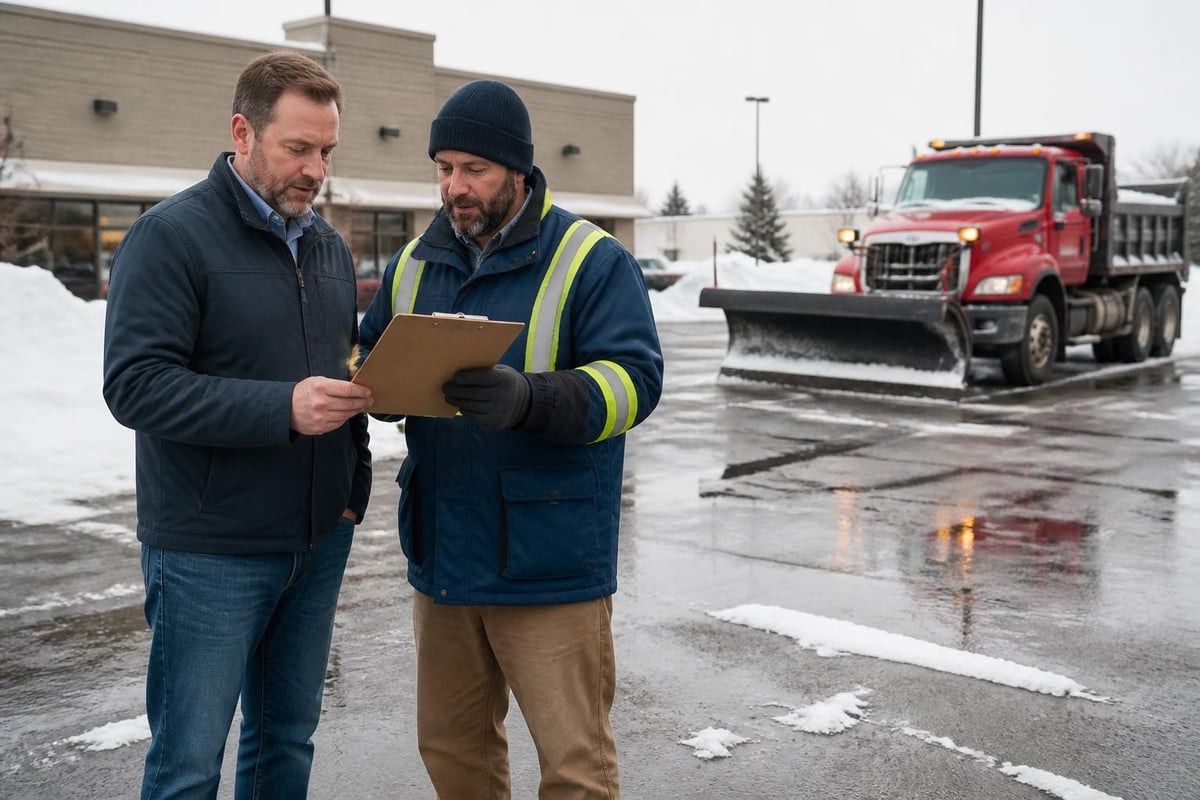
Efficient operations require detailed planning before storms arrive. Route optimization ensures logical service sequencing minimizing travel time between properties. Priority classifications address critical locations first while systematically covering all contracted sites. The best practices in commercial snow plowing provide valuable frameworks for operational excellence.
Weather monitoring enables proactive deployment. Professional contractors track multiple forecast sources, analyze precipitation timing, and position equipment strategically. Pre-storm communications notify clients of anticipated service windows and expected conditions.
| Best Practice | Implementation | Benefit |
|---|---|---|
| Pre-season site walks | Document obstacles, stakes, priorities | Prevents property damage |
| Equipment pre-checks | Inspect all systems before storms | Reduces breakdown delays |
| Staged equipment positioning | Deploy resources near service areas | Minimizes response times |
| Real-time communication | Update clients during operations | Manages expectations |
| Post-storm documentation | Photo evidence and service logs | Confirms completion |
Scaling Snow Removal Operations
Growing snow plow companies face unique challenges managing seasonal workforces, expanding equipment fleets, and maintaining service quality across larger client bases. Understanding comprehensive fleet management strategies becomes essential as operations scale beyond local service areas.
Fleet Expansion Strategies
Equipment acquisition represents the largest capital investment for expanding contractors. Purchasing decisions balance immediate capacity needs against utilization rates across variable winter severity. Many companies lease equipment or maintain backup arrangements with equipment rental providers ensuring capacity during extreme events without year-round ownership costs.
Maintenance infrastructure scales alongside equipment fleets. Professional operations establish dedicated maintenance facilities, stock critical parts inventories, and employ certified mechanics. Preventive maintenance programs maximize equipment availability during critical service periods.

Building Reliable Teams
Workforce management challenges intensify as companies grow. Recruiting qualified operators before winter begins prevents staffing shortages during peak demand. Competitive compensation packages, training opportunities, and clear advancement paths attract skilled professionals to seasonal positions.
Subcontractor relationships extend capacity without proportional equipment investment. Established snow plow companies often coordinate networks of smaller operators, providing overflow capacity and geographic coverage. Quality control systems ensure subcontractors meet company standards protecting brand reputation.
Industry Trends Shaping Snow Removal Services
The commercial snow removal sector continues evolving through technology adoption, environmental considerations, and changing client expectations. Forward-thinking snow plow companies position themselves ahead of these trends maintaining competitive advantages.
Sustainable Snow Management
Environmental concerns drive adoption of liquid de-icing products and precision application technologies. Traditional rock salt damages vegetation, corrodes infrastructure, and pollutes waterways. Alternative products and reduced application rates address these impacts while maintaining effective ice control.
Snow relocation strategies minimize environmental footprint. Rather than piling snow in permeable areas where spring melting concentrates salt, contractors designate appropriate storage locations. Some operations remove snow from properties entirely, though hauling adds significant costs.
Technology Integration
Digital platforms streamline client communications and service documentation. Mobile applications provide real-time service updates, completion notifications, and historical service records. Clients access service information instantly rather than waiting for manual reporting.
Automated dispatch systems optimize resource allocation during storms. Software evaluates property priorities, current conditions, equipment locations, and operator availability generating efficient service routes. These systems reduce response times while maximizing fleet productivity.
According to global snow plow production data, manufacturers continue innovating equipment designs incorporating operator assistance features, improved visibility systems, and enhanced efficiency. Leading contractors evaluate emerging technologies identifying opportunities for competitive differentiation.
Emergency Response Capabilities
Severe winter storms require immediate response capabilities distinguishing professional snow plow companies from basic service providers. True emergency operations maintain 24/7 availability, dedicated management oversight, and reserved equipment capacity. For businesses requiring emergency snow removal services, understanding contractor emergency protocols proves critical.
Storm Response Planning
Comprehensive emergency plans establish clear escalation procedures, communication protocols, and resource allocation frameworks. Contractors develop property-specific response strategies addressing unique site challenges, access requirements, and operational priorities.
Weather monitoring intensifies as storms approach. Dedicated personnel track evolving conditions, coordinate equipment deployment, and maintain continuous client communication. Professional operations staff command centers during major events ensuring coordinated response across all service territories.
Emergency readiness components include:
- On-call management 24 hours daily throughout winter
- Backup equipment reserves for breakdowns and overflow
- Fuel supply agreements ensuring continuous operations
- Accommodation arrangements for extended shift coverage
- Clear client communication schedules during events
Performance Verification
Quality assurance systems document service delivery protecting both contractors and clients. Time-stamped photographs, GPS tracking data, and digital service logs create verifiable completion records. These systems prove particularly valuable when disputes arise or insurance claims require documentation.
Progressive snow plow companies provide client portals displaying real-time service status. Property managers access current conditions, recent service history, and upcoming maintenance schedules. Transparency builds trust while reducing communication demands during high-stress storm periods.
Regional Considerations for Commercial Snow Removal
Geographic location significantly impacts snow removal requirements, operational challenges, and service expectations. Snow plow companies operating in different regions adapt strategies addressing local climate patterns, regulatory environments, and market characteristics.
Climate Pattern Variations
Mountain regions experience different snow characteristics than plains areas. Elevation changes create microclimates requiring localized weather monitoring and customized service approaches. Contractors serving diverse geographic territories maintain detailed knowledge of area-specific conditions.
Lake-effect snow zones face unique intensity challenges with rapid accumulation rates overwhelming standard equipment deployment schedules. Companies serving these markets maintain enhanced capacity reserves and specialized mobilization protocols.
Local Regulatory Compliance
Municipal ordinances establish snow removal requirements for commercial properties. Time limits for clearing public sidewalks, snow disposal restrictions, and accessibility regulations vary significantly across jurisdictions. Professional contractors maintain current knowledge of applicable requirements ensuring client compliance.
De-icing material regulations restrict certain products in environmentally sensitive areas. Contractors operating near waterways, aquifer recharge zones, or protected habitats must utilize approved materials and application techniques. For comprehensive information about service standards and operational practices, property managers should review detailed frequently asked questions addressing regional considerations.
Financial Planning for Snow Removal Services
Budget planning for commercial snow removal presents unique challenges given weather unpredictability and variable service requirements. Property managers must balance adequate service levels against fiscal responsibility across potentially wide variance in annual costs.
Cost Structure Analysis
Multiple factors influence total snow removal expenses. Geographic location determines expected storm frequency and severity. Property size and complexity affect per-service costs. Service level requirements including trigger depths and response times significantly impact pricing.
Seasonal contracts provide budget certainty but may prove expensive during light winters. Per-occurrence pricing reduces costs in mild years but creates exposure during severe seasons. Some organizations split approaches, contracting base services seasonally while maintaining occurrence-based arrangements for extreme events.
| Pricing Model | Advantages | Considerations |
|---|---|---|
| Seasonal flat rate | Budget predictability | May overpay in mild winters |
| Per-occurrence | Pay only for actual service | Budget uncertainty |
| Hourly billing | Transparency in charges | Difficult cost forecasting |
| Hybrid approach | Balanced risk sharing | Complex contract administration |
Long-term Partnership Value
Establishing ongoing relationships with reliable snow plow companies provides advantages beyond individual season costs. Contractors familiar with specific properties operate more efficiently, reducing service times and minimizing damage risks. Long-term clients often receive priority service during capacity-constrained periods when contractors must allocate limited resources across multiple demands.
Multi-year agreements sometimes secure favorable pricing while ensuring service availability. Contractors value revenue predictability and reduce sales expenses through client retention. These savings can translate to competitive pricing for committed clients.
Selecting and partnering with professional snow plow companies requires understanding operational complexities, service capabilities, and quality differentiators that separate exceptional contractors from basic providers. Whether managing a single commercial property or overseeing extensive facility portfolios, the right snow removal partner ensures safety, accessibility, and operational continuity throughout winter conditions. Denver Snow Removals brings nearly five decades of commercial snow removal expertise to businesses across the Denver Metro area, delivering reliable 24/7 emergency response backed by comprehensive equipment resources and proven operational systems designed specifically for large-scale commercial properties.