Commercial property managers and facility directors across the Denver Metro area face critical decisions each winter season when selecting the right snow equipment for their operations. The stakes are high: inadequate equipment leads to safety hazards, potential liability issues, and business disruptions, while over-investing in unnecessary machinery wastes capital that could serve other operational needs. Understanding which tools deliver the best performance for specific property types, snow conditions, and operational requirements separates successful winter maintenance programs from those that struggle through every storm event.
Essential Categories of Snow Equipment for Commercial Operations
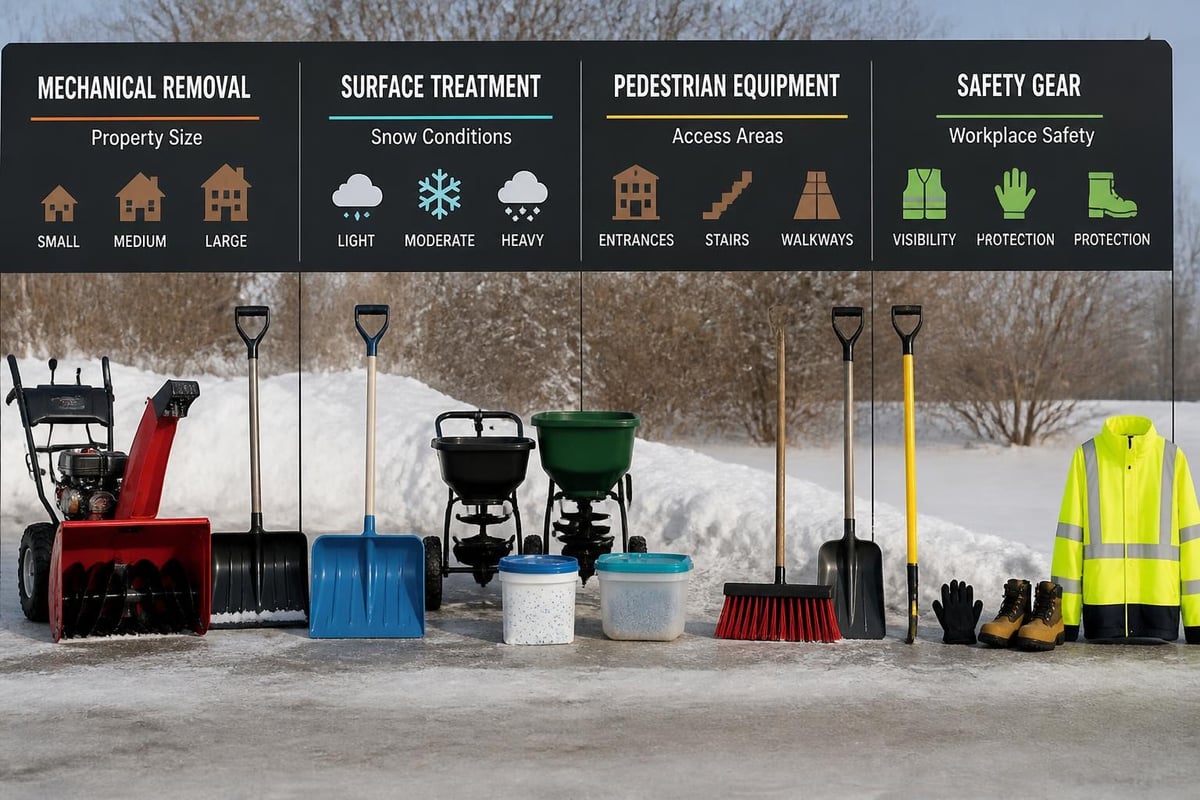
Modern commercial snow removal demands a comprehensive toolkit that addresses multiple challenges simultaneously. Property managers must consider equipment for initial clearing, surface treatment, pedestrian safety, and emergency response capabilities.
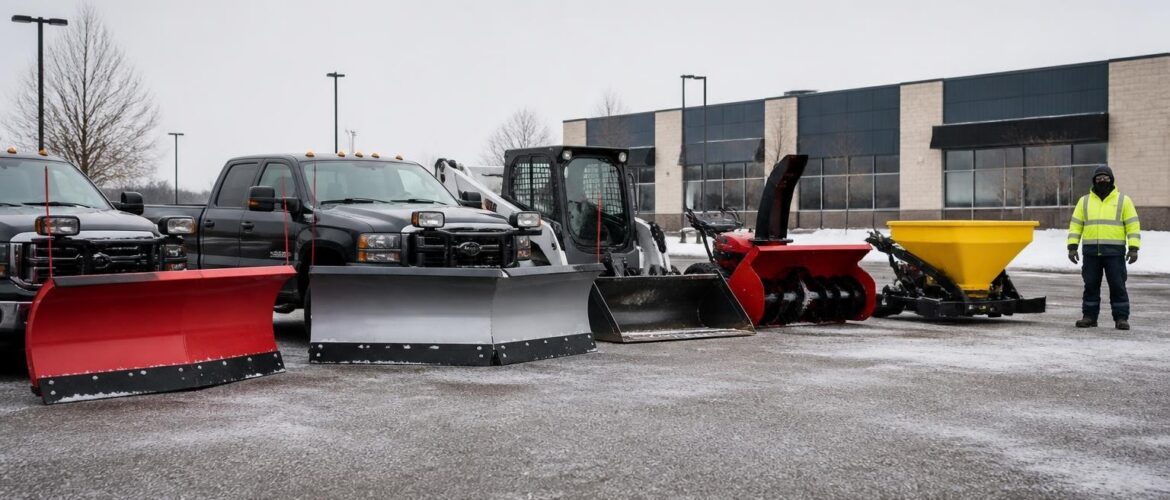
Mechanical snow removal equipment forms the backbone of any commercial program. This category includes truck-mounted plows ranging from lightweight straight blades to heavy-duty V-plows designed for large-scale operations. Skid steers with pusher boxes excel in parking lot applications, while wheel loaders handle the heavy accumulations common in loading docks and industrial yards.
Surface treatment equipment ensures traction and prevents ice formation after mechanical clearing. Salt spreaders, liquid applicator systems, and combination units deliver deicing materials with varying levels of precision and coverage. Understanding environmental regulations around deicing chemicals and stormwater management has become increasingly important for compliance-conscious operations in 2026.
Walk-Behind and Pedestrian-Focused Tools
Not every surface accommodates large machinery. Sidewalks, building entrances, and pedestrian pathways require specialized snow equipment that balances effectiveness with maneuverability.
Single-stage and two-stage snow blowers represent the workhorse solution for most commercial sidewalk networks. Consumer Reports maintains comprehensive testing data comparing performance across brands and configurations, helping procurement teams make evidence-based purchasing decisions.
- Single-stage units: Best for light to moderate snowfall, typically under 8 inches
- Two-stage machines: Handle heavy accumulation and wet, dense snow
- Track-driven models: Provide superior traction on slopes and icy surfaces
- Electric options: Reduce noise and emissions for noise-sensitive locations
Manual tools remain essential despite mechanical equipment availability. Commercial-grade snow shovels, ice scrapers, and specialized edge tools address detail work around obstacles, corners, and building features that machinery cannot reach safely.
Matching Equipment to Property Types and Requirements
Different commercial properties present unique challenges that demand specific snow equipment configurations. A retail center with constant customer traffic requires different tools than an industrial park operating primarily during business hours.
Large parking lots and retail centers benefit from truck-mounted plows paired with skid steers equipped with pusher boxes. This combination allows operators to clear traffic lanes quickly with plows while using pushers to stack snow efficiently in designated areas. Properties with heavy retail traffic requiring continuous access often maintain multiple equipment units to enable continuous operations during storm events.
Office campuses and business parks typically feature a mix of parking areas, sidewalks, and courtyards. These properties require versatile snow equipment fleets that can transition between different surface types. Compact utility vehicles with interchangeable attachments offer flexibility for properties where space constraints limit traditional truck access.
| Property Type | Primary Equipment | Secondary Equipment | Specialty Needs |
|---|---|---|---|
| Retail Centers | Truck plows, pushers | Walk-behind blowers | Entrance mats, spot treatment |
| Office Campuses | Mid-size plows, spreaders | Two-stage blowers | Courtyard access equipment |
| Industrial Parks | Wheel loaders, large plows | Skid steers | Heavy-duty salt systems |
| HOA Communities | Compact trucks, sidewalk equipment | Manual tools | Resident pathway clearing |
Industrial and Heavy-Duty Applications
Industrial facilities processing materials or operating heavy equipment demand robust snow equipment capable of handling extreme conditions. Industrial snow removal operations in Denver often involve clearing loading docks, rail spurs, and equipment yards where snow accumulation interferes with critical operations.
Wheel loaders with snow bucket attachments excel in these environments, offering the power to move large snow volumes quickly. Many industrial operations invest in heated facilities or covered storage to maintain equipment readiness, recognizing that equipment downtime during critical weather events creates cascading operational failures.
Safety Equipment and Operator Protection
Snow removal ranks among the most hazardous facility maintenance tasks, demanding comprehensive safety equipment and protocols. CCOHS provides detailed guidance on snow removal safety covering both manual labor and powered equipment operation.
Personal protective equipment (PPE) requirements extend beyond basic cold-weather gear. Operators need high-visibility outerwear rated for low-light conditions, insulated work boots with superior traction, and eye protection against wind-blown snow and debris. When operating powered equipment, hearing protection becomes mandatory for extended shifts.
Vehicle safety equipment includes backup alarms, warning lights, and proper mirrors or camera systems. Many jurisdictions now require specific lighting configurations for snow equipment operating on public roads or in areas with pedestrian traffic. Understanding local snow removal ordinances and compliance requirements helps avoid citations and liability exposure.
- Reflective vests and outerwear rated for temperatures below 0°F
- Anti-slip footwear with insulated steel toe protection
- Hand and face protection for extreme cold exposure
- Communication devices for isolated or nighttime operations
- First aid kits specifically stocked for cold-weather injuries
Equipment Selection Based on Snow Characteristics
Snow properties vary dramatically based on temperature, moisture content, and atmospheric conditions. Scientific data on snow types and characteristics reveals why identical equipment performs differently across weather events.
Light, dry snow common in Colorado's Front Range requires different snow equipment strategies than heavy, wet snow typical of spring storms. Dry snow flows readily through blower chutes and can be moved efficiently with angled plows. Wet snow, conversely, adheres to surfaces and equipment, demanding more aggressive blade angles and higher spreader settings for effective treatment.
Temperature significantly impacts equipment performance and material effectiveness. Below 15°F, traditional rock salt loses effectiveness, requiring calcium chloride or magnesium chloride alternatives. Equipment operators must adjust spreading rates, plow speeds, and blade positions based on current conditions rather than relying on standard operating procedures.
Storm Intensity and Equipment Deployment Strategies
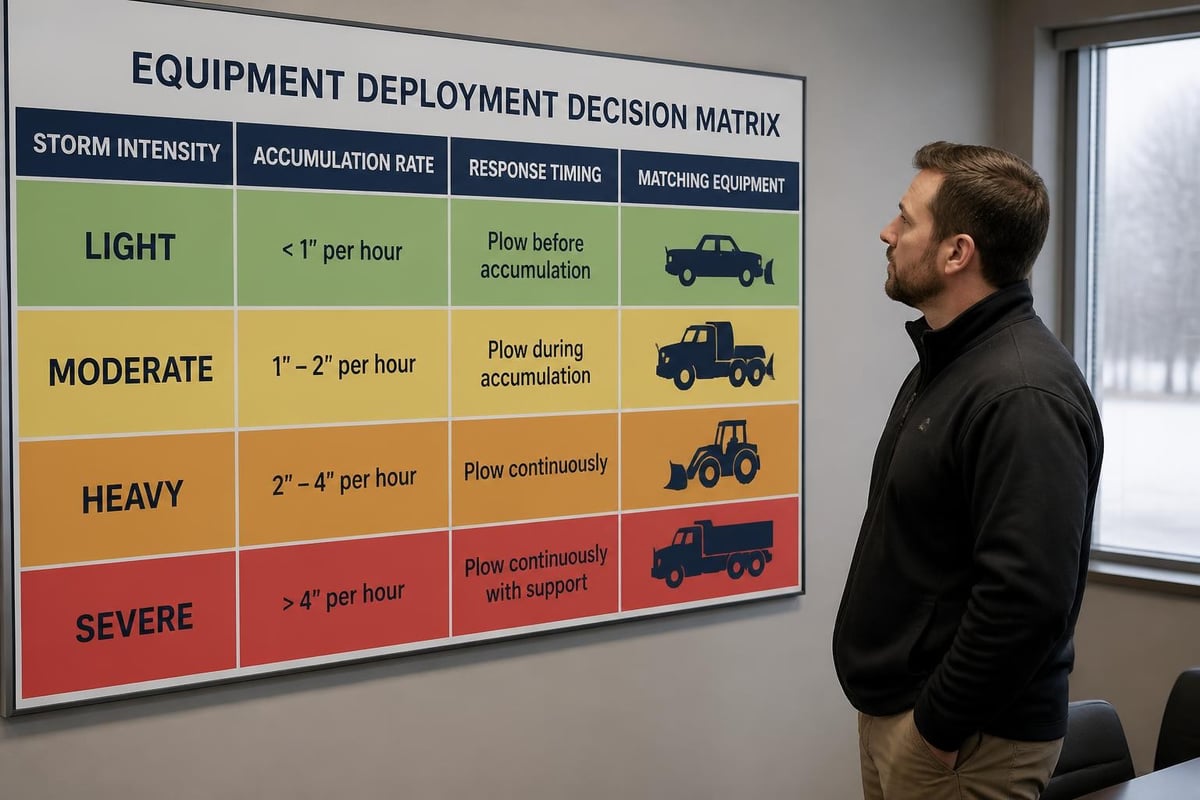
Understanding how different storm intensities affect equipment needs allows property managers to optimize deployment strategies. Transportation research on winter maintenance operations demonstrates how equipment staging and response protocols directly impact clearing effectiveness.
| Storm Intensity | Accumulation Rate | Primary Response | Equipment Needs |
|---|---|---|---|
| Light | < 1 inch/hour | Preventive treatment | Spreaders, spot plowing |
| Moderate | 1-2 inches/hour | Active plowing + treatment | Full fleet rotation |
| Heavy | 2-4 inches/hour | Continuous operations | Multiple equipment units |
| Severe | > 4 inches/hour | Emergency response | All equipment + contractors |
Maintenance and Preparedness for Snow Equipment
Equipment failures during critical weather events create cascading problems across operations. Comprehensive maintenance programs ensure snow equipment performs reliably when conditions demand maximum output.
Pre-season preparation begins months before the first snowfall. Hydraulic systems require inspection for leaks and proper fluid levels. Cutting edges, shoes, and wear components need replacement before reaching critical wear points. Electrical systems, particularly backup alarms and lighting circuits, demand testing under load conditions that simulate actual operations.
Mid-season maintenance focuses on preventing breakdowns during active weather periods. Daily inspections become mandatory when equipment operates around the clock. Operators should check fluid levels, inspect for new leaks or damage, and verify that all safety equipment functions properly before each shift.
Many successful operations maintain detailed maintenance logs for each piece of snow equipment, tracking hours, repairs, and performance issues. This data drives replacement decisions and helps identify chronic problems before they cause failures. Properties managing parking lot snow removal operations typically schedule equipment replacement on 7-10 year cycles depending on annual utilization and maintenance history.
Technology Integration in Modern Snow Equipment
Contemporary snow equipment incorporates advanced technology that enhances efficiency, reduces labor costs, and improves documentation for liability protection. GPS tracking systems provide real-time equipment location data, helping supervisors optimize routing and verify service completion.
Telematics systems monitor equipment performance metrics including engine hours, fuel consumption, and diagnostic trouble codes. Fleet managers receive automated alerts when parameters exceed normal ranges, enabling preventive intervention before minor issues escalate into equipment failures.
Documentation technology has become essential for commercial operations managing liability exposure. Understanding snow and ice liability requirements drives adoption of systems that timestamp operations, photograph completed work, and maintain digital service records.
- GPS breadcrumb tracking verifies complete lot coverage
- Automated time stamping documents service start and completion
- Photo documentation systems capture pre- and post-storm conditions
- Weather data integration supports liability defense strategies
- Digital maintenance logs track equipment service history
Equipment Cost Analysis and ROI Considerations
Capital investment in snow equipment requires careful financial analysis balancing ownership costs against contractor service fees. Purchase price represents only one component of total cost of ownership.
Operating costs include fuel, maintenance, insurance, and storage. Professional operations budget approximately 30-40% of purchase price annually for these ongoing expenses. Seasonal equipment faces additional depreciation challenges since limited annual utilization extends the payback period compared to year-round machinery.
Labor costs often exceed equipment expenses. A truck-mounted plow requires a qualified operator earning premium wages for overnight and weekend shifts. Commercial snow removal pricing structures typically reflect these labor realities, with per-event and seasonal contracts priced to cover both equipment and staffing requirements.
Properties experiencing fewer than 15 significant snow events annually often achieve better economics through contractor relationships rather than maintaining dedicated snow equipment and staff. Conversely, large campuses or properties with extended operational hours may justify in-house equipment to ensure immediate response capability.

Specialized Equipment for Accessibility Compliance
Federal and state accessibility regulations mandate specific snow removal standards for pathways, ramps, and designated parking areas. ADA snow removal requirements drive specialized equipment needs for commercial properties.
Compact equipment designed for sidewalk and pathway clearing must achieve complete snow removal rather than simple compression. Walk-behind blowers with adjustable chutes direct snow away from accessible routes, while heated mats at building entrances prevent ice formation in high-traffic zones.
Edge treatment equipment addresses areas where mechanical clearing equipment cannot operate effectively. Manual tools including specialized ice chippers, detail brushes, and chemical applicators ensure compliance in corners, around obstacles, and along building foundations where automated equipment leaves residual snow.
Properties serving elderly populations or medical facilities often invest in additional specialized snow equipment including heated walkway systems, automatic spreaders for entrance areas, and dedicated personnel focused exclusively on accessibility compliance rather than general clearing operations.
Fleet Planning and Equipment Redundancy
Successful commercial snow removal programs incorporate equipment redundancy to address inevitable breakdowns and extreme weather events. State transportation departments track equipment utilization data revealing that backup equipment availability directly correlates with consistent service delivery.
Primary equipment handles routine snow events and standard conditions. This fleet receives priority maintenance and replacement investment, ensuring maximum reliability for typical operations. Most commercial operations size primary equipment to handle 80% of expected weather events efficiently.
Backup equipment addresses peak demand periods and equipment failures. Older units nearing retirement often transition to backup status, providing emergency capacity while avoiding the capital expense of maintaining duplicate current-generation equipment. Properties maintaining 24/7 emergency snow removal capabilities typically maintain 25-30% excess equipment capacity.
Contractor relationships serve as extended equipment resources for many operations. Pre-arranged agreements establish priority service and pricing, effectively expanding available snow equipment without capital investment. This hybrid approach balances cost control with response capability.
Environmental Considerations in Equipment Selection
Environmental stewardship increasingly influences snow equipment procurement decisions. Electric and alternative-fuel equipment reduces emissions in enclosed areas and noise-sensitive locations while addressing sustainability goals.
Electric snow equipment has advanced significantly, with battery technology now supporting commercial-grade blowers and small plows. These units eliminate exhaust emissions entirely, making them ideal for indoor loading docks, parking structures, and properties with air quality concerns. Current battery technology supports 2-4 hours of continuous operation before requiring recharge.
Deicing material application precision affects both environmental impact and cost control. Modern spreaders with variable rate controllers reduce chemical usage while maintaining effectiveness. GPS-guided systems prevent over-application in previously treated areas, cutting material costs while minimizing environmental effects on vegetation and water resources.
Properties adjacent to sensitive waterways or protected areas face stricter regulations regarding chemical application and snow disposal. Understanding these requirements drives equipment selection toward more precise application systems and may require investment in snow melting equipment or designated containment areas for snow storage.
Training and Certification for Equipment Operators
Equipment capabilities mean little without skilled operators who understand proper techniques and safety protocols. Comprehensive training programs address both equipment operation and snow removal methodology.
Initial training covers equipment controls, safety systems, and basic operating procedures. Many manufacturers provide operator certification programs specific to their equipment models. Properties should document training completion and maintain records demonstrating operator competency for liability protection.
Ongoing education addresses technique refinement and changing regulations. Federal research on winter maintenance best practices reveals that operator skill significantly impacts both efficiency and surface protection, with trained operators achieving 20-30% better productivity while reducing surface damage.
Advanced operators understand how to adjust equipment settings for varying conditions, optimize clearing patterns for efficiency, and recognize situations requiring supervisor consultation. This expertise develops through experience but accelerates with structured training programs and mentorship from senior operators.
Selecting appropriate snow equipment requires careful analysis of property characteristics, operational requirements, budget constraints, and regulatory obligations. Success depends on matching equipment capabilities to specific needs rather than over-investing in excessive capacity or under-equipping operations that struggle through routine weather events. For commercial properties throughout the Denver Metro area seeking expert guidance on equipment selection or comprehensive snow removal services, Denver Snow Removals brings 47 years of experience and 24/7 emergency response capabilities to parking lots, industrial facilities, office campuses, and HOA communities.