
When winter storms blanket the Denver Metro area, commercial property managers face a critical challenge: maintaining safe, accessible facilities for employees, customers, and tenants. Professional snow clearing companies provide essential services that go far beyond simple plowing, offering comprehensive winter maintenance solutions tailored to large-scale operations. Understanding what separates exceptional snow removal providers from average contractors helps businesses protect their investments, minimize liability, and ensure uninterrupted operations throughout Colorado's harshest weather conditions.
Understanding Commercial Snow Clearing Operations
Snow clearing companies specialize in removing snow and ice from commercial properties using industrial-grade equipment, trained crews, and systematic approaches. These operations differ significantly from residential services in scale, complexity, and urgency requirements.
Commercial properties such as parking lots, office campuses, industrial parks, and HOA communities demand rapid response times and thorough clearing to maintain business continuity. A single delayed response can result in lost revenue, employee absences, customer complaints, and potential liability claims from slip-and-fall incidents.
Service Scope and Capabilities
Professional snow clearing companies typically offer multiple service tiers to address diverse client needs:
- Emergency snow plowing for immediate storm response
- De-icing and anti-icing treatments to prevent hazardous conditions
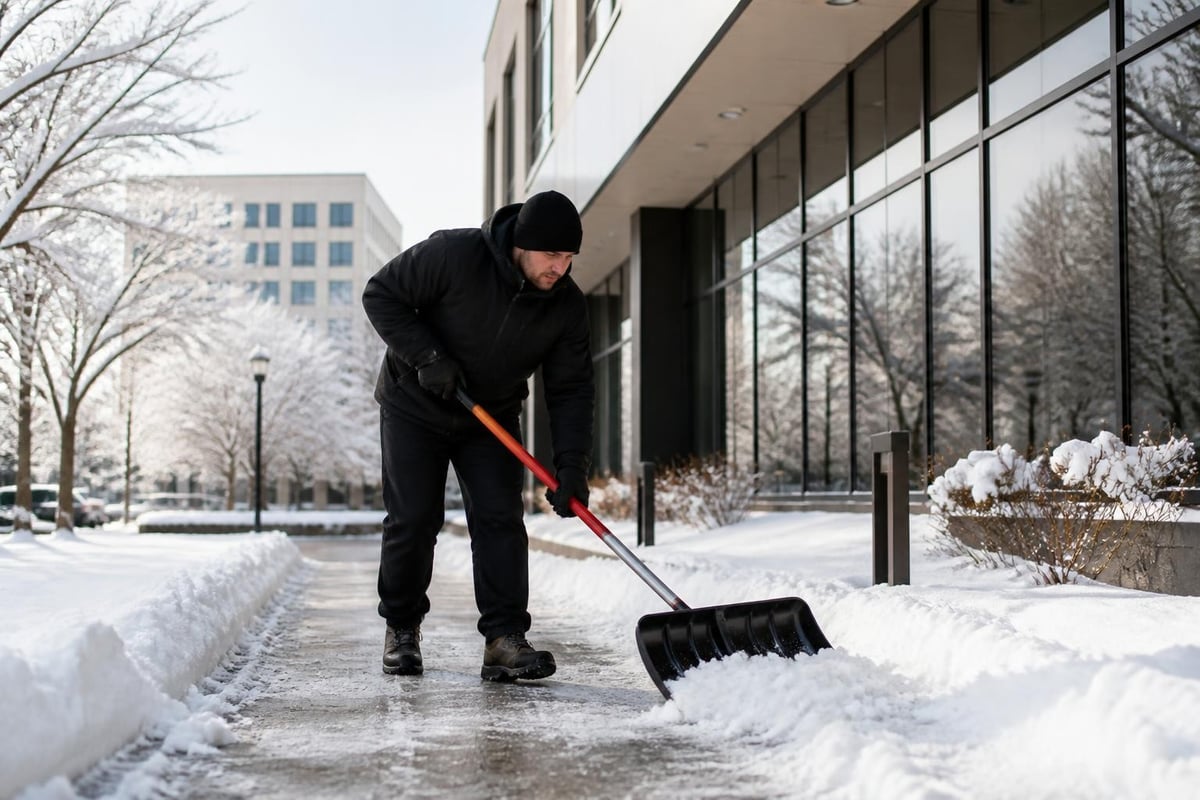
- Sidewalk and entrance clearing for pedestrian safety
- Snow hauling and relocation when on-site storage becomes limited
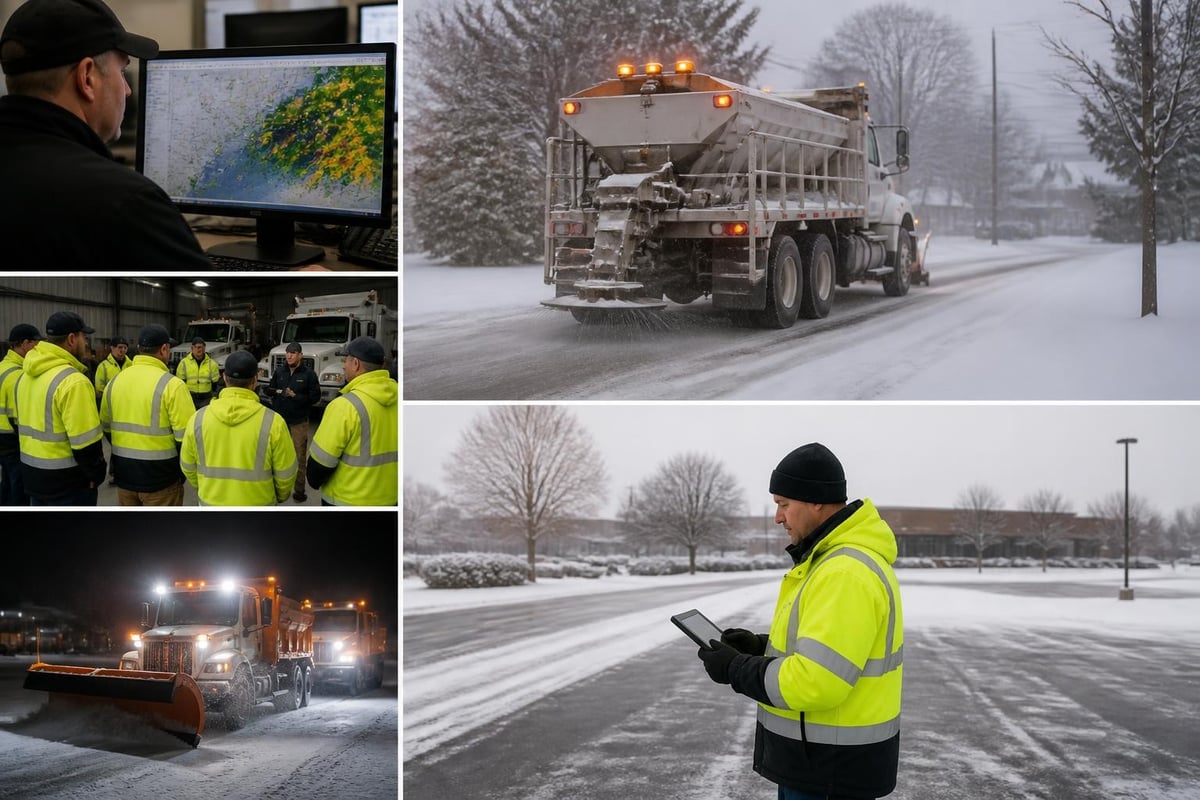
- 24/7 monitoring and dispatch throughout winter months
The Colorado Department of Transportation details snow removal equipment and safety practices that commercial operators often adopt to maintain consistency with public infrastructure standards.
Evaluating Equipment and Technology Standards
The quality of equipment directly impacts snow clearing efficiency, property protection, and service reliability. Established snow clearing companies invest heavily in modern machinery designed for commercial-scale operations.
Fleet Composition and Maintenance
| Equipment Type | Primary Use | Key Features |
|---|---|---|
| Heavy-duty plow trucks | Large parking areas | Wide blade capacity, four-wheel drive |
| Skid steers with attachments | Tight spaces, stacking | Maneuverability, multiple implement options |
| Salt spreaders | Ice prevention | Calibrated distribution, GPS tracking |
| Sidewalk equipment | Pedestrian areas | Compact design, precision control |
Companies with comprehensive maintenance programs ensure equipment remains operational during critical storm periods. Regular inspections, preventive servicing, and backup units minimize service disruptions that could leave properties vulnerable.
Advanced snow clearing companies now integrate GPS tracking, real-time monitoring, and automated reporting systems. These technologies provide property managers with detailed documentation of service completion, salt application rates, and crew arrival times. This data becomes invaluable for budgeting, compliance verification, and liability defense.
Contract Structures and Service Agreements
The contractual relationship between property owners and snow clearing companies establishes expectations, responsibilities, and cost parameters for the entire winter season. Three primary contract models dominate the commercial snow removal industry.
Per-Push, Seasonal, and Hybrid Models
Per-push contracts charge clients based on individual service events. Property managers pay only when crews perform work, making this option appealing for locations with unpredictable snowfall. However, costs can escalate quickly during heavy snow years, straining operational budgets.
Seasonal contracts establish fixed fees regardless of storm frequency. This predictable pricing model simplifies budget planning and transfers weather risk to the service provider. Snow clearing companies calculate seasonal rates based on historical snowfall data, property size, and service specifications.
Hybrid agreements combine elements of both approaches, often featuring a base seasonal fee covering a predetermined number of service events, with per-push charges applying beyond that threshold. This balanced structure protects both parties from extreme weather variations.
Understanding federal regulations requiring prompt snow and ice removal from walkways helps property managers establish appropriate service level agreements that maintain compliance with safety standards.
Response Time Commitments and Storm Protocols
Response time represents perhaps the most critical factor when selecting snow clearing companies. Commercial properties cannot afford extended periods of inaccessibility, particularly during business hours when liability exposure peaks.
Professional providers establish trigger depths that automatically activate crew deployment. Common triggers range from one to three inches of accumulation, though specific requirements vary based on property type, tenant needs, and contractual obligations. Parking lot snow removal services often require lower trigger depths to maintain continuous vehicle access.
24/7 Emergency Service Infrastructure
Snow clearing companies offering genuine around-the-clock service maintain dedicated dispatchers, on-call supervisors, and staged equipment throughout winter months. This infrastructure enables rapid mobilization regardless of when storms strike.
- Pre-storm positioning of equipment at strategic locations
- Real-time weather monitoring with meteorological partnerships
- Tiered crew scheduling for extended storm duration
- Backup equipment and personnel for equipment failures
- Communication protocols for property manager updates
The most reliable providers begin pre-treatment applications before precipitation starts, applying liquid de-icers that prevent snow bonding to pavement surfaces. This proactive approach significantly reduces post-storm cleanup requirements and accelerates property reopening.
Safety Standards and Liability Management
Safety considerations drive every aspect of professional snow clearing operations. Reputable snow clearing companies implement comprehensive safety programs protecting both their crews and client properties.
Insurance and Certification Requirements
| Coverage Type | Minimum Recommended | Purpose |
|---|---|---|
| General Liability | $2,000,000 | Property damage and injury claims |
| Auto Liability | $1,000,000 | Vehicle-related incidents |
| Workers Compensation | Statutory limits | Employee injury protection |
| Professional Liability | $1,000,000 | Errors and omissions coverage |
Property managers should verify insurance certificates before contract execution and request renewal documentation annually. Certificate holders should include the property owner's entity to ensure direct notification of policy changes or cancellations.
Training programs separate professional operations from casual contractors. Quality snow clearing companies conduct pre-season training covering equipment operation, chemical application rates, property-specific protocols, and documentation requirements. Snow removal best practices emphasize systematic approaches that minimize risks while maximizing efficiency.
Chemical Application and Environmental Considerations
De-icing chemicals play essential roles in commercial snow management, but their application requires expertise and environmental awareness. Snow clearing companies must balance effective ice control with ecological responsibility and infrastructure protection.
Material Selection and Application Rates
Rock salt (sodium chloride) remains the most economical de-icing option for large commercial properties, though alternative products offer advantages in specific situations:
- Calcium chloride works effectively at lower temperatures
- Magnesium chloride provides gentler impact on vegetation and concrete
- Liquid de-icers enable pre-treatment and reduce material waste
- Sand and abrasives improve traction without melting action
Professional applicators calibrate spreaders based on temperature conditions, pavement type, and anticipated traffic patterns. Over-application wastes resources, damages landscaping, and contributes to environmental contamination. Under-application fails to achieve adequate ice control, creating liability exposure.
Colorado regulations prohibit depositing snow onto public highways, and the state’s snow removal laws establish clear boundaries for acceptable snow placement. Snow clearing companies must understand property boundaries, drainage patterns, and relocation requirements to avoid legal complications.
Documentation and Reporting Systems
Thorough documentation protects property managers and service providers from liability claims while enabling operational improvement. Modern snow clearing companies deploy sophisticated tracking systems that capture detailed service records.
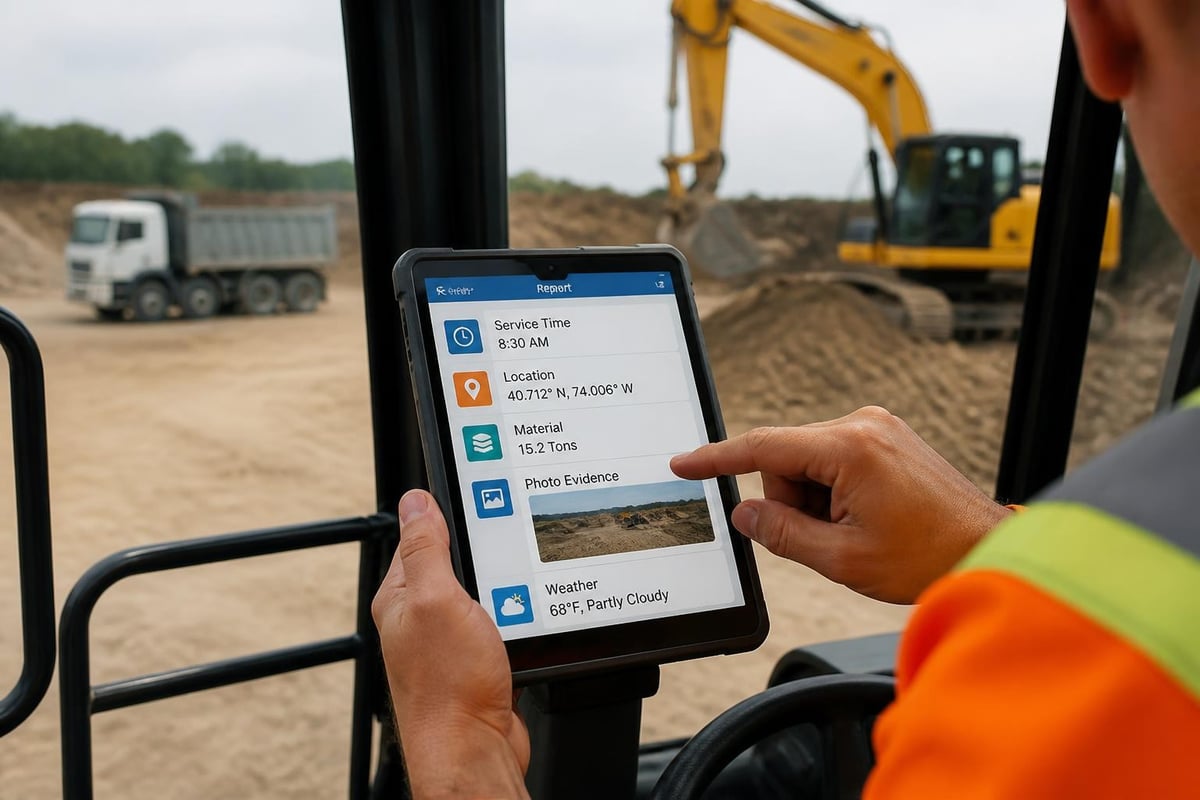
Digital reporting platforms provide timestamp verification, photographic evidence, and GPS confirmation of crew presence. When slip-and-fall claims arise months after service completion, this documentation often proves decisive in liability defense.
Standard Reporting Elements
- Service date and time stamps for arrival and completion
- Weather conditions including temperature and precipitation type
- Materials applied with quantity measurements
- Equipment deployed and operators assigned
- Special observations or property concerns noted
- Photographic documentation of completed work
Property managers should establish reporting expectations during contract negotiations, specifying delivery methods, timing requirements, and retention periods. Some insurance carriers now mandate digital service verification for coverage validation.
Seasonal Preparation and Pre-Storm Planning
The most effective snow clearing companies begin winter preparation months before the first snowfall. This proactive approach identifies potential challenges, establishes communication protocols, and ensures equipment readiness.
Pre-Season Property Assessments
Professional providers conduct detailed site inspections before contract finalization. These assessments identify:
- Priority clearing zones requiring immediate attention during storms
- Snow storage locations for relocated accumulation
- Obstacle mapping including light poles, curbs, and signage
- Access points for equipment entry and exit
- Special requirements such as heated areas or sensitive landscaping
Property-specific service plans document these findings, creating customized approaches rather than generic clearing protocols. Crew members receive site maps highlighting critical areas and potential hazards, reducing property damage risks and improving efficiency.
Weather monitoring partnerships enable snow clearing companies to anticipate storm systems days in advance. This lead time allows strategic equipment positioning, crew scheduling adjustments, and client communications preparing property managers for impending service needs.
Selecting the Right Service Provider
Choosing among snow clearing companies requires systematic evaluation of capabilities, reputation, and cultural fit. Property managers should approach this decision with the same rigor applied to other critical vendor selections.
Evaluation Criteria and Due Diligence
| Factor | Key Questions | Verification Method |
|---|---|---|
| Experience | Years in business? Property types served? | Reference checks, portfolio review |
| Financial Stability | Bonding capacity? Credit standing? | Financial statements, surety verification |
| Equipment Fleet | Age of machinery? Backup availability? | Equipment inspection, maintenance records |
| Service Area | Geographic coverage? Response proximity? | Service territory map, depot locations |
Reference conversations with current clients reveal operational realities beyond marketing materials. Specific questions about storm response accuracy, communication effectiveness, and problem resolution provide valuable insights into day-to-day performance.
Industry certifications demonstrate commitment to professional standards. Organizations like the Snow & Ice Management Association offer accreditation programs validating technical knowledge and operational capabilities. While not universal among quality providers, these credentials signal investment in continuous improvement.
Specialized Services for Complex Properties
Large-scale commercial operations often require capabilities beyond standard snow clearing. Industrial parks, office campuses, and mixed-use developments present unique challenges demanding specialized expertise.
Snow Relocation and Hauling Operations
When on-site storage capacity becomes exhausted during heavy snow years, professional snow clearing companies deploy hauling services. Loader operations transfer accumulated snow into dump trucks for off-site disposal at approved locations.
This service tier requires additional equipment, disposal site relationships, and logistical coordination. Property managers should discuss hauling protocols during initial consultations, establishing trigger conditions and cost structures before emergencies arise.
Airport snow control regulations establish rigorous standards that some commercial properties adapt for their operations, particularly facilities requiring uninterrupted access for critical operations.
Emerging Technologies in Snow Management
Innovation continues transforming how snow clearing companies approach winter maintenance. Advanced technologies improve efficiency, reduce environmental impact, and enhance service documentation.
Research into machine learning applications for snow removal demonstrates potential for automated route optimization and resource allocation. While still emerging, these technologies may soon enable predictive service models that anticipate property-specific needs based on microclimate data and historical patterns.
Temperature-responsive pavement systems embedded with heating elements represent another frontier, though high installation costs currently limit adoption to critical areas like emergency entrances or steep ramps. Snow clearing companies increasingly coordinate with these systems, adjusting chemical applications to complement automated heating.
Managing Multi-Location Portfolios
Property management companies overseeing multiple commercial locations across metropolitan areas require coordinated snow clearing solutions. National or regional snow clearing companies often provide centralized billing, standardized reporting, and consistent service quality across diverse sites.
Portfolio-level agreements consolidate multiple properties under unified contracts, potentially yielding volume discounts while simplifying administrative overhead. Single-point-of-contact account management streamlines communications during active storm periods when property managers juggle numerous responsibilities simultaneously.
However, local market knowledge remains critical. Denver Snow Removals demonstrates how regional expertise enables responsive service delivery that distant national providers struggle to match, particularly during simultaneous storm events affecting multiple markets.
Cost Factors and Budget Planning
Understanding cost drivers helps property managers evaluate proposals and establish realistic winter maintenance budgets. Snow clearing companies price services based on numerous variables that extend beyond simple property square footage calculations.
Primary Cost Components
- Property size and configuration affecting equipment requirements and labor hours
- Service frequency expectations including trigger depths and response times
- Material usage projections based on historical weather patterns
- Equipment mobilization for properties distant from service depots
- Special requirements such as 24/7 access or tenant-specific protocols
Seasonal budget planning should incorporate contingency reserves for extraordinary snow years. Historical snowfall data provides baseline expectations, but climate variability demands flexibility. Most financial advisors recommend 15-20% budget reserves above contracted amounts to accommodate potential overages in per-push arrangements or supplemental services under seasonal contracts.
Selecting the right partner among snow clearing companies requires careful evaluation of capabilities, contract structures, and service commitments that align with your property's specific needs. With over four decades of specialized experience serving Denver's commercial properties, Denver Snow Removals delivers the responsive 24/7 service, industrial-grade equipment, and proven reliability that large-scale operations demand throughout Colorado's challenging winter seasons.