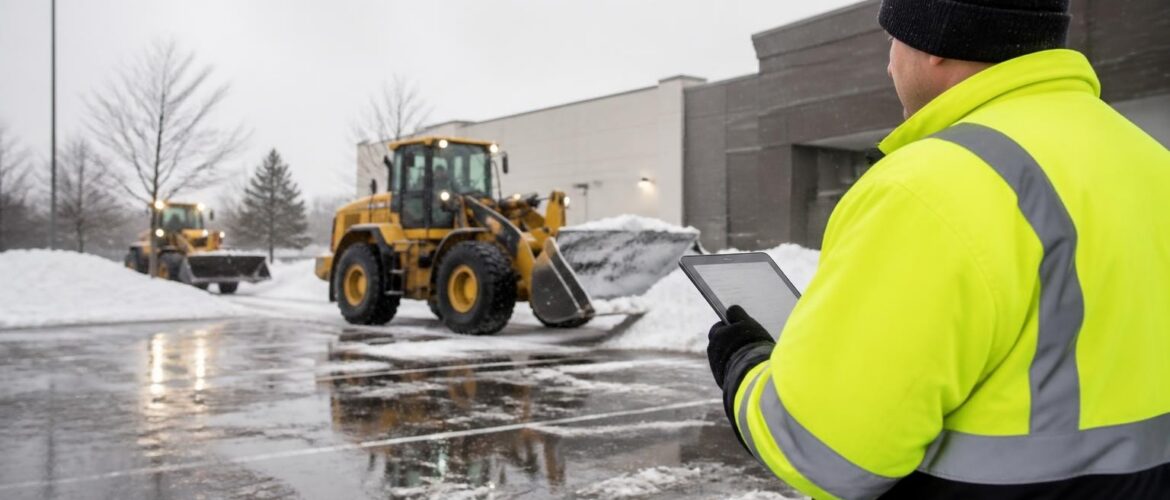
Winter storms can shut down business operations, create liability risks, and leave commercial properties inaccessible within hours. For facility managers, property owners, and community associations across snow-prone regions, partnering with a professional snow cleaning company represents the difference between maintaining normal operations and facing costly disruptions. Understanding what distinguishes a capable commercial snow removal provider from a basic plowing service helps decision-makers protect their properties, employees, and customers throughout the winter season.
What Defines a Professional Snow Cleaning Company
A true snow cleaning company goes far beyond pushing snow around parking lots. Professional providers combine specialized equipment, trained crews, strategic planning, and round-the-clock availability to keep commercial properties safe and operational during winter weather events.
Comprehensive Service Offerings
Modern commercial snow removal encompasses multiple integrated services designed to address every aspect of winter property maintenance. Snow plowing clears parking areas, driveways, and loading zones, while sidewalk clearing ensures pedestrian pathways remain accessible and compliant with ADA accessibility requirements. De-icing and anti-icing applications prevent dangerous ice formation, and snow hauling removes accumulated snow when storage space becomes limited.
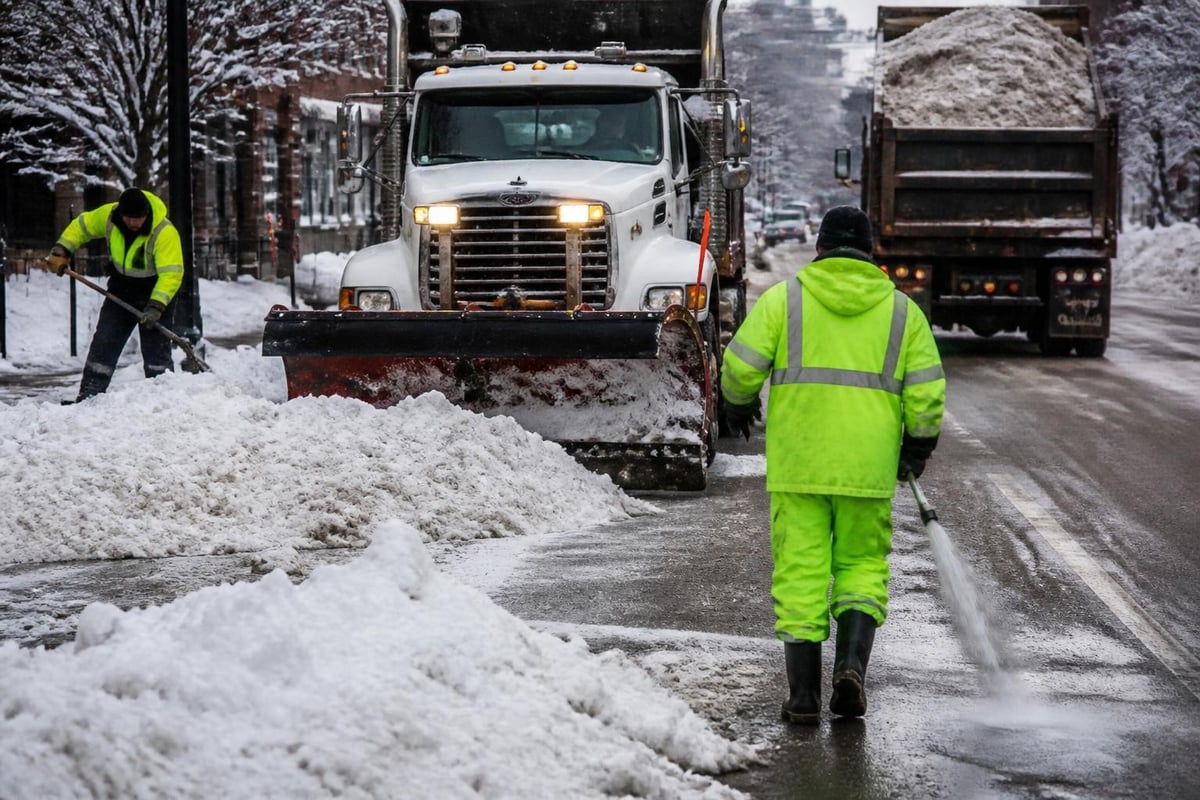
Professional companies also provide parking lot stacking, which maximizes usable space by relocating snow to designated areas, and roof snow removal to prevent structural damage from excessive accumulation. Each service requires specific equipment, expertise, and timing to deliver optimal results.
Critical Equipment and Fleet Management
The equipment arsenal distinguishes professional operations from amateur providers. A capable snow cleaning company maintains a diverse fleet sized appropriately for different property types and weather conditions.
| Equipment Type | Primary Application | Key Advantages |
|---|---|---|
| Heavy-duty plow trucks | Large parking lots, arterial routes | Speed, capacity, efficiency |
| Skid steers with buckets | Tight corners, loading zones | Maneuverability, precision |
| Sidewalk machines | Pedestrian paths, narrow areas | ADA compliance, thoroughness |
| Salt spreaders | Anti-icing, de-icing | Controlled application, coverage |
| Front-end loaders | Snow stacking, hauling operations | Volume handling, site management |
Modern fleets increasingly incorporate technology-enhanced equipment featuring GPS tracking, real-time monitoring, and automated application systems. These innovations improve efficiency, reduce material waste, and provide verifiable service documentation that protects both provider and client.
Fleet Maintenance and Readiness
Year-round equipment maintenance separates reliable contractors from those who fail during critical moments. Professional companies perform comprehensive pre-season inspections, maintain backup equipment for redundancy, and stock essential replacement parts. This preparation ensures operational readiness when storms arrive, regardless of timing or severity.
Service Contracts and Agreement Structures
Commercial snow removal operates through several contract models, each designed for different property needs, budget structures, and risk tolerance levels. Understanding these options helps property managers select arrangements that align with their operational requirements.
Seasonal Contracts
Fixed-rate seasonal agreements provide unlimited service throughout winter for a predetermined price. These contracts offer budget predictability and priority response, making them ideal for properties requiring guaranteed access regardless of storm frequency. A well-structured seasonal snow removal contract clearly defines trigger depths, response times, service boundaries, and material application rates.
Per-Event and On-Demand Services
Per-occurrence pricing charges for each individual service event based on storm severity and time required. This model suits properties in areas with infrequent snowfall or those seeking to minimize fixed costs. On-demand snow removal pricing typically includes higher per-service rates but eliminates commitment during light winter seasons.
Hourly Arrangements
Hourly billing provides maximum transparency and flexibility for properties with unpredictable needs or those managing snow removal alongside other facilities services. While administrative overhead increases with detailed time tracking, this approach works well for smaller properties or those testing a new provider relationship.
The SIMA-10-2025 Standard Practice for Procuring and Planning Snow and Ice Management Services offers industry-recognized guidance for structuring effective agreements that protect both parties and establish clear performance expectations.
Response Time and Emergency Availability
Commercial properties cannot wait for business hours when storms arrive overnight or on weekends. A professional snow cleaning company operates 24/7 throughout the winter season, with crews on standby during weather events and dispatch systems that activate services based on predefined trigger points.
Response protocols typically include:
- Pre-storm positioning of equipment at high-priority sites
- Storm monitoring through weather services and on-site sensors
- Staged deployment as accumulation reaches trigger depths
- Continuous clearing during extended events
- Post-storm cleanup and ice management
Properties requiring guaranteed access, such as medical facilities, emergency services, or operations with shift workers, need providers capable of clearing lots before business hours. This often means crews arriving at 2:00 AM or 3:00 AM to ensure parking areas are ready by 6:00 AM or 7:00 AM shift changes.

Liability Management and Insurance Considerations
Winter slip-and-fall incidents generate significant liability exposure for property owners. Professional snow removal transfers some of this risk while creating documentation that demonstrates reasonable care and proper maintenance.
Insurance Requirements
Reputable snow cleaning companies carry comprehensive insurance packages including:
- General liability coverage protecting against third-party injury claims
- Commercial auto insurance for fleet operations
- Workers' compensation covering crew injuries
- Professional liability addressing service failures
Property owners should verify coverage limits align with their property values and risk exposure. Certificates of insurance should name the property owner as an additional insured, providing direct protection should incidents occur.
The Insurance Board’s guidance on winter slip and fall prevention emphasizes the importance of documented service agreements, clear performance standards, and timely execution in defending against injury claims.
Documentation and Record-Keeping
Professional providers maintain detailed service logs including arrival times, departure times, areas serviced, materials applied, and photographic evidence of completed work. This documentation becomes critical evidence should disputes or injury claims arise months after service delivery.
Environmental Responsibility and Material Management
Traditional rock salt damages concrete, harms vegetation, contaminates water sources, and corrodes vehicles. Progressive snow cleaning companies balance effective ice control with environmental stewardship through strategic material selection and application methods.
De-icing Material Options
| Material Type | Effective Temperature | Environmental Impact | Cost Consideration |
|---|---|---|---|
| Sodium chloride (rock salt) | Above 15°F | High runoff impact | Most economical |
| Calcium chloride | Down to -20°F | Moderate impact | Mid-range pricing |
| Magnesium chloride | Down to 0°F | Lower aquatic toxicity | Higher cost |
| Liquid brines | Pre-treatment application | Reduced total usage | Application efficiency |
| Sand/abrasives | Traction only | Physical pollution | Cleanup required |
EPA research on road salt impacts documents the growing environmental concerns surrounding chloride-based de-icers, prompting many commercial properties to specify alternative materials or reduced application rates in their service agreements.
Professional companies employ calibrated spreading equipment that applies precise amounts based on pavement temperature, storm conditions, and surface type. This precision reduces material waste, controls costs, and minimizes environmental harm while maintaining effective ice control.
Staff Training and Operational Excellence
Equipment means nothing without skilled operators who understand commercial snow removal's nuances. Professional snow cleaning companies invest heavily in crew training covering safety protocols, equipment operation, customer service, and property-specific requirements.
Certification and Professional Development
Industry certifications demonstrate commitment to operational excellence and risk management. Programs offered through professional associations cover topics including:
- Winter weather forecasting and storm preparation
- Efficient plowing patterns and traffic flow management
- Proper de-icing material selection and application
- Liability awareness and documentation practices
- Equipment maintenance and emergency repairs
Companies prioritizing crew development experience lower turnover, fewer property damage incidents, and higher customer satisfaction compared to those treating snow removal as temporary seasonal work.
Technology Integration and Service Verification
Modern snow cleaning companies leverage technology platforms that provide real-time visibility into service delivery, material usage, and crew locations. These systems benefit both provider and client through improved accountability and operational efficiency.
GPS tracking systems document precise service timing and coverage patterns, eliminating disputes about whether properties were serviced. Automated alerts notify property managers when crews arrive, depart, and complete specific tasks. Photo documentation provides visual verification of conditions before and after service.
Material tracking monitors salt and de-icer application rates, helping properties control costs and environmental impact. Weather integration connects forecasts directly to dispatch systems, enabling proactive deployment before accumulation begins.

Property-Specific Planning and Site Mapping
No two commercial properties share identical snow removal requirements. Professional providers conduct detailed pre-season site assessments identifying traffic patterns, priority areas, snow storage locations, obstacles, and special considerations.
Site Planning Components
Comprehensive property planning addresses multiple operational factors that impact service delivery and effectiveness:
- Traffic flow analysis determines optimal plowing directions that minimize disruption
- Priority zone designation identifies areas requiring first attention (entrances, fire lanes, accessible parking)
- Snow storage locations establish where material will be pushed or stacked
- Obstacle mapping documents light poles, curbs, islands, utilities, and other hazards
- Access point coordination ensures emergency vehicles maintain clear routes
Properties with specific operational needs, such as parking lot snow removal for retail centers or office campuses, benefit from customized service plans that address their unique requirements rather than generic one-size-fits-all approaches.
Selecting the Right Snow Cleaning Company
Choosing a commercial snow removal provider requires evaluating factors beyond price. The cheapest option often becomes the most expensive when service failures create liability exposure, operational disruptions, or property damage.
Evaluation Criteria
Property managers should assess potential providers across multiple dimensions:
- Experience and track record with similar property types and sizes
- Equipment fleet appropriate for property scale and requirements
- Insurance coverage adequate for property values and risk exposure
- Reference verification from current clients with comparable properties
- Financial stability ensuring the company will remain operational all season
- Communication systems providing timely updates and responsive service
- Contract terms clearly defining services, timing, and responsibilities
The SBA’s guidance for launching a snow removal business outlines the business fundamentals that distinguish professionally managed operations from undercapitalized startups unlikely to survive a challenging winter season.
Red Flags and Warning Signs
Certain indicators suggest providers may not deliver reliable service when conditions become challenging:
- Reluctance to provide insurance certificates or references
- Inability to articulate specific equipment assigned to your property
- Vague contract language without defined trigger depths or response times
- Prices significantly below market rates suggesting inadequate resources
- Limited communication infrastructure or after-hours contact options
Professional companies welcome detailed questions, provide transparent documentation, and demonstrate thorough understanding of commercial snow removal's operational and legal complexities.
Multi-Property and Portfolio Management
Property management companies, REITs, and organizations with multiple locations require coordinated snow removal across diverse sites. Capable snow cleaning companies offer portfolio management services that provide consistent quality, centralized billing, and unified reporting across entire property collections.
Portfolio approaches deliver several advantages including standardized service levels, consolidated invoicing, comprehensive reporting dashboards, and single-point accountability. Rather than managing relationships with multiple contractors across different regions, property managers work with a single provider or network capable of servicing all locations.
Advanced providers offer regional coverage networks through company-owned operations or vetted subcontractor partnerships, enabling national portfolio management through a single contract relationship.
Long-Term Partnerships and Continuous Improvement
The most successful commercial snow removal relationships evolve beyond transactional service delivery into strategic partnerships focused on continuous improvement and shared success. Professional snow cleaning companies conduct post-season reviews analyzing response performance, material efficiency, and service quality.
These evaluations identify opportunities for enhancement including:
- Route optimization reducing service time and fuel consumption
- Material reduction through improved application techniques or product selection
- Equipment updates incorporating new technology or capacity
- Process refinement based on lessons learned during challenging storms
- Budget forecasting for subsequent seasons based on historical data
Properties benefit from comprehensive snow removal services that improve year over year as providers develop deeper property knowledge and refine operational approaches specific to each site's unique characteristics.
Selecting and partnering with a professional snow cleaning company protects commercial properties from winter's operational and liability challenges while ensuring safe, accessible facilities throughout the season. When you need reliable commercial snow removal backed by nearly five decades of expertise, Denver Snow Removals delivers 24/7 emergency response, comprehensive service capabilities, and proven performance across the Denver Metro area's most demanding commercial properties.