
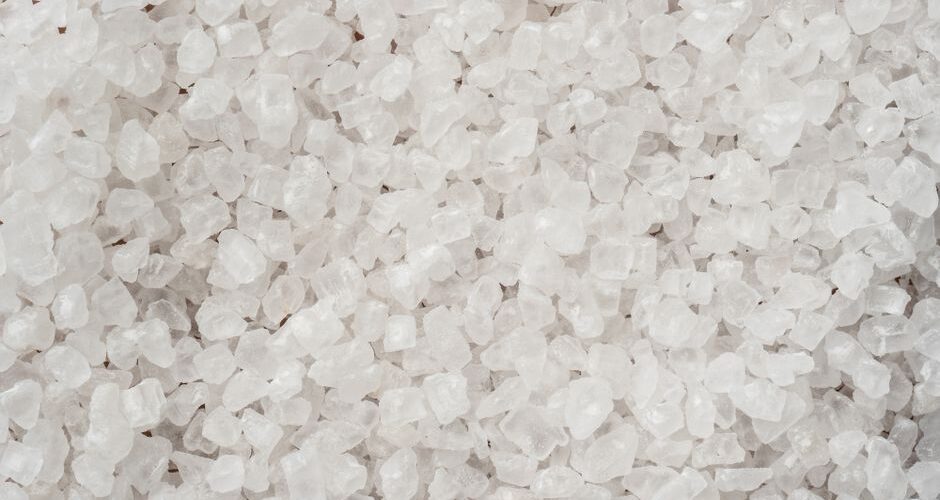
Snow that lands on warm pavement and then freezes overnight is one of the hardest conditions to manage on a commercial property. The snow itself is easy to push. The ice bonded to the concrete underneath it is not. For property managers across the Denver metro, the difference between a clean sidewalk at 7 a.m. and a liability claim usually comes down to what happened in the hours before the temperature dropped.
Denver’s rules put sidewalk clearing on the property owner, not the city. That makes pre-treating and early salting a maintenance obligation as much as a courtesy. Getting it right means understanding what the city requires, which products are safe for concrete, and how to apply salt without wasting it.
What Denver Requires of Property Owners
The City and County of Denver requires that property owners clear snow and ice from their sidewalks, including adjacent ADA ramps and bus stops, so that everyone has safe access. That language matters because it extends the responsibility past the edge of your parcel. If a bus stop or an accessibility ramp sits along your frontage, it falls under the same obligation as the walkway in front of your door.
Under Denver law, once snow has stopped falling, businesses need to begin clearing their sidewalks immediately, and residences need to clear theirs as well. For commercial properties with early opening hours, staff arrivals, or tenant traffic, that timing leaves very little room for delay. Pre-treating before the storm and salting during the freeze is how property managers stay ahead of a deadline they cannot negotiate.
The practical consequence of ignoring it shows up in access. A January 2023 report on Denver’s snow-covered sidewalks described residents with disabilities struggling for nearly two weeks after a late-December storm dropped 7 inches of snow. One resident who uses a wheelchair had to travel down the middle of busy streets and position herself in the street to flag down a bus because sidewalks along her route were impassable. Well-salted, well-cleared sidewalks are what keep that from happening on your property.
Why Pre-Treating Beats Salting After the Fact
Salt works by interfering with the bond between ice and pavement. Applied before a freeze, it can prevent that bond from ever forming. Applied hours after the ice has set, it has to do the harder job of breaking a bond that has already locked into place.
There is also an efficiency argument. Salt that sits on top of a thick ice layer gets diluted, scattered, and pushed aside before it can do much good. Salt applied to a cleared surface or to a thin layer of slush goes further with less product. That means fewer bags, less re-application, and less tracking into lobbies and entryways.
Three signals that it is time to pre-treat
- Snow is forecast to fall and then transition to freezing conditions overnight.
- Daytime melting is expected to refreeze after sunset on walks, stairs, and entry aprons.
- An early-morning opening or shift change is scheduled before a plow or shovel crew would normally arrive.

The Right Order of Operations: Clear First, Salt Second
The most common salting mistake on commercial sidewalks is reaching for the bag too early. Sweep, shovel, or scrape ice off sidewalks and steps before reaching for the salt. Loose snow and slush dilute the product and insulate whatever ice is underneath, which means you end up using more salt to get the same result.
Once the surface is down to bare concrete or a thin glaze, apply salt evenly and lightly. A 12-ounce mug of salt is enough to cover 200 square feet of pavement. That is a useful number for anyone managing a long sidewalk run or a wide entrance apron, because it turns salt into a measurable input instead of a guess. Over-application does not melt ice faster. It just leaves more residue to track indoors and more product running off into landscaping.
Where to focus your salting effort
- Main entrances and door aprons where foot traffic concentrates.
- Stairs, handrail approaches, and any transition between two surfaces.
- ADA ramps and the accessible route from the sidewalk to the door.
- Bus stops along the property frontage, which Denver includes in the owner’s clearing obligation.
- Shaded sections that stay cold long after the rest of the walkway has cleared.
Choosing Salt That Will Not Damage Concrete
Not every deicer belongs on a sidewalk. Standard guidance for property owners is straightforward: use only concrete-friendly salts, and avoid sodium chloride and rock salt. Rock salt is effective on asphalt roads and parking lots, but it is aggressive on concrete walks, entry steps, and decorative hardscapes, and it is the product most likely to leave a white residue tracked across a lobby floor.
Before the season starts, confirm what your snow contractor or maintenance staff is planning to use on pedestrian surfaces, and keep a separate supply for sidewalks that is distinct from whatever goes on the parking lot. If you manage the property yourself, check the label on any product you intend to use and confirm with the manufacturer or a qualified supplier that it is suitable for the concrete on your site. Product formulations change, and the label on the bag is the authority, not a general rule of thumb.
Volume matters for the pavement itself, too. Repeated heavy applications in the same spot can leave a persistent residue and stress the surface over a full winter. Light, even applications after clearing do less damage and cost less.
Salt and Pets: A Real Consideration for Residential Properties
Salt used on sidewalks to melt ice can hurt dogs, specifically their paws. For HOA communities and apartment properties where residents walk pets daily, that is not a minor detail. Painful paws generate complaints, and complaints escalate to the board.
Two habits reduce the problem. First, use a concrete-friendly product on pedestrian surfaces rather than rock salt. Second, apply lightly after clearing, since residue is what paws actually contact. Encouraging residents to rinse or wipe paws after walks helps as well, and a note in a community newsletter before the first storm costs nothing.

What Sidewalk Salting Costs in Denver
Pricing is worth putting in context. Taskers in Denver charge an average of $44 an hour for sidewalk salting services, according to Taskrabbit’s Denver listing. That figure is for on-demand, individually booked labor, and it reflects a single worker handling one property on a when-needed basis. It is a useful benchmark for small commercial sites that are weighing a one-off job against a contract.
Larger properties, including parking lots, industrial parks, and multi-building campuses, are usually priced by site rather than by the hour because the scope includes equipment, materials, and dispatch. Denver area commercial snow removal is typically structured as a seasonal contract with trigger-depth terms, which sets the snow depth at which service begins. Ask any provider to define that trigger in writing, along with how sidewalk salting and ice removal are handled when a freeze arrives without a full snow event.
A Pre-Freeze Checklist for Commercial Properties
- Confirm the forecast and identify the window when precipitation is expected to change to ice or refreeze.
- Stage salt, shovels, and deicing equipment in a warm, accessible location before the storm arrives.
- Clear snow and slush from sidewalks, entries, and stairs before applying anything.
- Apply salt lightly and evenly, using about a 12-ounce mug per 200 square feet as a guide.
- Cover ADA ramps, bus stops, and the full accessible route along your frontage.
- Re-check shaded areas and door aprons after the temperature drops, since those refreeze first.
- Log the timing of clearing and salting for each event in case of an incident claim.

Working With a Snow Contractor on Sidewalk Coverage
Sidewalk and entrance work is often treated as an afterthought next to parking lot plowing, which is exactly why it gets missed at 3 a.m. If you use a commercial contractor, make sure the scope spells out pedestrian surfaces separately from vehicle surfaces, including entrances, stairs, ADA ramps, and bus stops along the frontage.
Denver’s own snow response for streets falls to the Department of Transportation and Infrastructure, and city crews handle roads. Sidewalks remain the owner’s job. That division is the reason a property can have clean streets and an impassable walkway on the same morning. A snow removal provider with decades of experience on Denver metro properties plans for both, and a company that has operated in the area for over 47 years has typically seen every version of a freeze event the city produces.
Whatever approach you choose, the sequence does not change. Clear first, salt lightly, cover the accessible route, and finish before the freeze sets in. The work you do in the hours before a temperature drop determines how the property looks and functions the next morning, and it determines whether the sidewalk in front of your building is safe for everyone who uses it.
Frequently Asked Questions
Who is responsible for salting sidewalks in Denver?
Denver requires property owners to clear snow and ice from the sidewalks adjacent to their property, including nearby ADA ramps and bus stops. Under Denver law, businesses must begin clearing once snow stops falling, and residences must clear theirs as well. The obligation belongs to the owner, so tenants, managers, and contractors should confirm in writing who is actually performing the work on each surface.
Can I use rock salt on my sidewalk?
Standard guidance for property owners is to use only concrete-friendly salts on sidewalks and to avoid sodium chloride and rock salt. Rock salt is harder on concrete walks, steps, and decorative hardscape, and it leaves more residue behind. Check the product label and confirm suitability with the manufacturer or supplier before the season begins.
How much salt do I need for a sidewalk?
Clear the surface first, then apply lightly. A 12-ounce mug of salt is enough to cover 200 square feet of pavement. That guideline turns a long sidewalk run or a wide entrance apron into a measurable job instead of a guess. Spreading more than needed does not speed up melting and leaves extra residue to track indoors.
Is sidewalk salt harmful to dogs?
Yes. Salt used on sidewalks to melt ice can hurt dogs, particularly their paws. This matters at HOA communities and apartment properties where residents walk pets every day. Using a concrete-friendly product, applying it lightly after clearing, and reminding residents to wipe paws after walks all reduce the problem across a full winter.
Why pre-treat before a freeze instead of waiting?
Salt interferes with the bond between ice and pavement. Applied before a freeze, it can stop that bond from forming. Applied hours later, it has to break ice that has already locked onto the concrete. Pre-treating and early salting also use less product, since salt on a cleared surface is not diluted by snow and slush.