

A monthly seasonal snow removal contract in Denver is a fixed-fee agreement covering snow and ice services for the entire winter season, typically from November 1 through April 15, regardless of how many times crews actually visit the property. This pricing model shifts the risk of unpredictable snowfall from the property owner to the contractor. The result is a predictable budget line item for homes and commercial lots alike.
Table of Contents
- How does a monthly seasonal snow removal contract differ from per-push pricing?
- What does a monthly seasonal snow removal contract in Denver typically cost?
- What are the standard contract terms for seasonal snow removal in Denver?
- How do trigger depths affect a monthly seasonal snow removal contract?
- What happens if a snow season has very little snowfall under a seasonal contract?
- How does a monthly seasonal snow removal contract help with budgeting for commercial properties?
- What should you look for in the fine print of a seasonal snow removal contract?
- Key Takeaways
- References
How does a monthly seasonal snow removal contract differ from per-push pricing?
A monthly seasonal snow removal contract differs from per-push pricing by charging a set seasonal amount instead of a fee each time the contractor mobilizes. Per-push contracts typically charge $75 to $150 for residential driveways and $150 to $500 or more for commercial lots, according to CrewNest. Seasonal contracts convert those per-visit rates into a flat seasonal fee.

Contractors estimate the seasonal flat rate by multiplying the per-push rate by the average number of plowable events per winter. Monthly billing under a seasonal contract then divides the total seasonal price into equal installments. That means costs do not spike in heavy snow months or disappear in mild ones. According to Outback Landscape Inc., a seasonal contract is easier for budget planning because snow removal costs will not vary wildly month to month.
A seasonal contract also protects the customer from price increases and inflation, especially under a multi-year term. Level Green Landscaping notes that a five-year seasonal contract protects the customer from rising prices each year, including inflation.
What does a monthly seasonal snow removal contract in Denver typically cost?
A monthly seasonal snow removal contract in Denver typically costs $350 to $800 per season for residential properties and $3,000 to $20,000 or more per season for commercial properties, according to CrewNest. Residential contracts are billed monthly or as a flat seasonal rate. Commercial contracts vary based on lot size, trigger depth, and whether salting and sidewalk clearing are included.
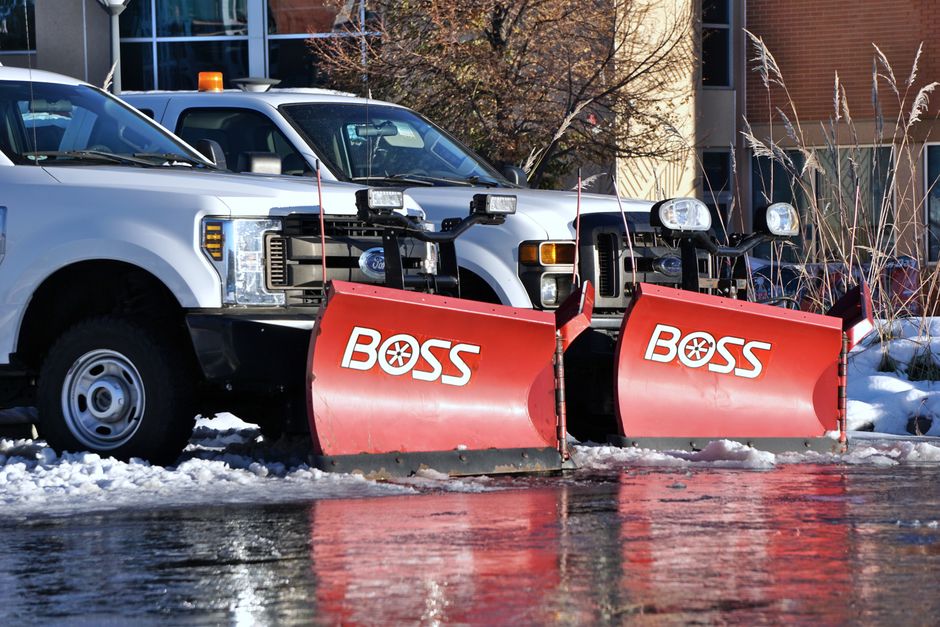
Property size is the single biggest cost driver in snow removal pricing. A standard two-car residential driveway runs about $35 to $75 per push, while longer or steeper driveways reach $100 to $150 per push. Parking lot plowing for commercial properties costs $150 to $500 or more per push or per event.
Salt and deicer application adds $100 to $350 per application. Rock salt is the cheapest option, while calcium chloride costs two to three times more but works at lower temperatures. These material costs may be included in the seasonal flat rate or billed separately, depending on the contract.
What are the standard contract terms for seasonal snow removal in Denver?
Standard contract terms for seasonal snow removal in Denver typically run from November 1 through April 15, aligning with the city's historical snowfall window. According to Denver Snow Removals, Denver snow removal contracts cover that term. Some companies use a November to March window on a three-year contract, as noted by Klausing Group.
Multi-year agreements, commonly two to three years, allow low-snow and high-snow years to even out across the contract span. Level Green Landscaping states that a five-year seasonal contract allows low snow years and high snow years to even out over the span of the contract.
Many contracts include tiered pricing where costs increase at 6 inches, 12 inches, and 18 or more inches of snow accumulation. Some seasonal contracts include a provision reimbursing the customer a percentage of the cost if the season produces very little snow.
How do trigger depths affect a monthly seasonal snow removal contract?
Trigger depth directly affects a monthly seasonal snow removal contract because it determines the accumulation threshold that activates service. A 2-inch trigger means more frequent plowing with lighter loads, while a 4-inch trigger means fewer visits but heavier plowing per event, according to CrewNest. The trigger depth directly influences the seasonal price because it determines the maximum number of service visits the contractor must budget for.
A property with a 1-inch trigger in a high-snowfall market will be serviced far more often than the same trigger depth in a milder climate. For example, a 1-inch trigger in Buffalo, which receives 120 or more inches per year, produces far more visits than the same trigger in Baltimore, which receives about 20 inches.
Gravel surfaces cannot be plowed as aggressively because the blade will dig into the surface and scatter gravel. Properties with gravel driveways or lots may require a higher trigger depth to avoid surface damage.
What happens if a snow season has very little snowfall under a seasonal contract?
If a snow season has very little snowfall under a seasonal contract, the customer still pays the agreed seasonal amount in most cases. Seasonal contract prices are set based on snowfall data averages taken over years, not on any single winter's forecast, according to Level Green Landscaping. The fee reserves the contractor's availability regardless of weather.
A five-year seasonal contract allows low snow years and high snow years to even out over the span of the agreement. Some seasonal contracts include a clause that reimburses the customer a percentage of the cost if the season produces very little snow.
Under a monthly retainer arrangement, some customers pay for months with zero snowfall. One HOA reported paying at least $15,000 per month as a retainer for January, February, March, November, and December, whether it snowed or not, according to a Reddit HOA discussion. The HOA reported receiving zero snow in a month while the contractor was still paid under the retainer arrangement.
How does a monthly seasonal snow removal contract help with budgeting for commercial properties?
A monthly seasonal snow removal contract helps commercial properties budget because snow removal costs do not vary wildly month to month through the snow season. Outback Landscape Inc. confirms that seasonal contracts are easier for budget planning. The fixed monthly installment replaces unpredictable per-push invoices.
Commercial properties with a low tolerance for snow and ice, such as hospitals and business parks, benefit from guaranteed service priority under a seasonal agreement. Level Green Landscaping notes that seasonal contracts are especially suited to these property types.
With a multi-year seasonal contract, customers do not need to bid for snow removal every year, which lowers administrative costs. Snow removal in Denver specializing in commercial and residential snow plowing parking lots and driveway's offers seasonal contracts that cover parking lot plowing, driveway clearing, and associated ice management for properties across the Denver metro area.
What should you look for in the fine print of a seasonal snow removal contract?
Review the cancellation clause carefully before signing a seasonal snow removal contract. Some multi-year contracts carry penalties for early termination because the contractor priced the work based on a guaranteed term. Level Green Landscaping notes that multi-year agreements protect both parties from annual price volatility.
Confirm whether salt and deicer material costs are included in the flat rate or billed separately. Material prices can fluctuate during the season, and salt application costs $100 to $350 per application, according to CrewNest. Clarify how the contract handles extreme weather events that exceed normal service scope, such as state of emergency declarations or snowfalls above 18 inches.
Verify the service level agreement, including response time windows and whether sidewalk clearing is bundled or priced as an add-on. Sidewalk clearing costs $20 to $40 per push and is often bundled with driveway plowing at a discount.
Key Takeaways
- Seasonal snow removal contracts charge a set amount for the entire season regardless of how much snow falls or how many visits are needed.
- Denver seasonal contracts typically run from November 1 through April 15.
- Residential seasonal contracts in Denver range from $350 to $800 per season, while commercial contracts run from $3,000 to $20,000 or more.
- Trigger depths of 2 inches versus 4 inches significantly change both service frequency and the seasonal price.
- Multi-year seasonal contracts protect customers from annual price increases and eliminate the need to rebid every year.
- Some seasonal contracts include a reimbursement provision for years with very little snow.
- Monthly billing under a seasonal contract divides the total price into equal installments for predictable budgeting.
References
- Seasonal Snow Removal Contracts: Everything You Need to Know — Level Green Landscaping
- Snow Removal Pricing Guide (2026) + Free Estimator — CrewNest, updated February 2026
- Per Push vs Seasonal Snow Contracts: Which Snow Removal Option Is Best — Outback Landscape Inc.
- Snow removal contract Denver: secure properties this winter — Denver Snow Removals, January 22, 2026
- How a Seasonal Snow Contract Saves You Time and Money — Klausing Group
- Snow removal contracts — Reddit r/HOA
- 3 Types Of Commercial Snow Plowing Contracts — Schill Landscaping