

Switching snow removal companies mid-season is not only possible, it happens every winter across the Denver Metro area. Property managers and homeowners do it when a provider misses plow windows, ignores ice buildup, or stops answering the phone during a storm. If that’s where you are right now, the first hour matters more than the paperwork.
Before anything else, secure emergency coverage. A gap in service during an active storm is a liability problem, not just an inconvenience, and it needs to close fast.
In the next hour, do three things:
- Photograph the current conditions (unplowed lots, ice patches, blocked exits) with timestamps.
- Call at least one provider for same-day emergency coverage and get written confirmation of arrival time.
- Notify tenants, staff, or family members about the temporary plan and who to contact if conditions worsen.
Pro Tip: Text yourself the photos with a timestamp caption the moment you take them. If a slip-and-fall claim surfaces later, that time-stamped record is worth more than a written complaint filed weeks after the fact.
Key Takeaways
Switching snow removal providers mid-season protects safety and reduces liability faster than waiting for the next full season to make a change.
| Point | Details |
|---|---|
| Secure coverage first | Get emergency service confirmed in writing before finalizing a new seasonal contract. |
| Document before you decide | Photos, timestamps, and tenant complaints justify termination and give you leverage. |
| Expect a short onboarding window | Full seasonal setup usually takes 3 to 7 days, while emergency visits can start same-day. |
| Ask for prorated pricing | Providers commonly offer prorated seasonal rates rather than full-season fees for mid-year starts. |
| Denversnowremovals handles mid-season starts | Over 44 years of Denver-area experience and 24/7 dispatch support fast, documented transitions. |
Table of Contents
- Why Property Managers Switch Snow Removal Companies Mid-Season
- How Fast Can a New Provider Actually Start?
- Step-by-Step: How to Switch Snow Removal Providers Mid-Season
- What to Look for in a Replacement Provider
- Contracts and Documentation: What to Confirm Before You Switch
- Why 44 Years in Denver Winters Changes How You Onboard
- What the Research Actually Supports About Mid-Season Switches
- Get Reliable Snow Removal Started This Week
- Sources
- FAQ
Why Property Managers Switch Snow Removal Companies Mid-Season
Most mid-season switches trace back to a handful of recurring failures, and they rarely happen in isolation. A provider misses one plow window during a fast-moving storm, then the deicing gets skipped on a follow-up visit, and by the third incident, the pattern is impossible to ignore.
The most common triggers include:
- Missed or delayed plow windows during active snowfall
- Inconsistent or absent deicing, leaving ice bonded to pavement overnight
- Crew no-shows with no advance communication
- Equipment breakdowns that go unreported until the lot is already impassable
- Unresponsive dispatch during the exact hours service is needed most
Each of these creates a downstream problem that’s bigger than the missed visit itself. Tenants can’t get to their cars. Deliveries stack up outside blocked loading docks. In a commercial setting, an unplowed fire lane can delay emergency vehicle access, which is a hazard, not an inconvenience.
There’s also a liability dimension that property managers underestimate. Ice, sleet, and snow-related injuries remain a measurable workplace safety concern, and a slip-and-fall on an untreated sidewalk can expose an HOA or commercial owner to a claim that traces directly back to the provider’s failure. Some municipalities also enforce sidewalk clearing ordinances with fines attached, so an unmet obligation isn’t just a service complaint. It’s a compliance issue with a clock attached to it.
None of this means every rough storm justifies a switch. But when the pattern repeats across two or three events, the risk of staying with an underperforming provider usually outweighs the friction of changing course mid-season.
How Fast Can a New Provider Actually Start?
Realistic timelines vary depending on what you need immediately versus what you need for the rest of the season.
- Same-day emergency response. Most established providers, including crews already staffed for storm response, can dispatch for a single emergency visit within hours of a call, especially if you’re a new client with an urgent access problem.
- Full seasonal onboarding: 3 to 7 days. Setting up a recurring seasonal contract, mapping your property’s priority zones, and integrating you into a route typically takes three to seven days depending on provider staffing and current storm activity.
- Weather and workload shift the timeline. A provider already stretched thin during an active storm cycle will take longer to onboard a new account than one with open capacity.
If your immediate need is safety and access, accept temporary per-event help now and negotiate the seasonal contract once the emergency is handled. Trying to lock in a full seasonal agreement in the middle of a blizzard call rarely goes well for either side.
Step-by-Step: How to Switch Snow Removal Providers Mid-Season
This is the sequence that minimizes disruption, protects you legally, and gets a reliable provider on-site fast.
Step 1: Document the underperformance.
Before you call anyone new, build a paper trail. Note dates and times of missed visits, photograph unplowed or untreated areas, and collect any tenant or staff complaints in writing. This record does double duty: it justifies contract termination and it gives you leverage if the outgoing provider disputes the switch.
Step 2: Secure emergency or temporary coverage immediately.
Don’t wait for the new contract to be signed before addressing the immediate hazard. Call for one-time emergency service and get written confirmation of the scope and arrival window. APPA guidance on facilities snow removal emphasizes clearing early and often, with prompt deicing to reduce ice bonding. That standard is a useful benchmark when you’re evaluating whether a temporary crew’s work is actually adequate.

Step 3: Collect fast proposals and verify capacity.
Reach out to two or three providers simultaneously. Ask each one directly whether they have the equipment and crew bandwidth to take on a new account mid-storm season, and request proof of insurance before you sign anything.
Step 4: Coordinate the transition logistics.
Once you’ve chosen a replacement, schedule a site walk with them before the next storm. Walk the property together and mark:
- Priority zones (main entrances, ADA routes, fire lanes)
- Known trouble spots (drainage areas that ice over, shaded zones that stay slick longer)
- Deicing plan and materials, including any pet-safe requirements for residential common areas
Step 5: Resolve termination and billing in writing.
Send formal written notice to the outgoing provider referencing your documented performance issues. Request a mutual release and settle any outstanding balance before the transition date, not after.
Step 6: Run a 30-day verification.
Track the new provider’s performance against the agreed scope for the first month. Confirm response times during the next two or three storms and keep photos and timestamps just as you did during the documentation phase.
Pro Tip: Ask the new provider to confirm, in writing, whether they pre-stage equipment on-site or at a nearby yard. A crew that stages locally during active storm cycles typically responds faster than one dispatching from across the metro area.
What to Look for in a Replacement Provider
The provider you choose mid-season needs to perform under pressure, not just sound good on a sales call. A few criteria separate reliable operators from ones that will disappoint you the same way your last one did.
Ask about guaranteed response time. A provider unwilling to commit to a specific response window, in writing, during active snowfall is telling you something important. Ask about backup crews and equipment redundancy, since a single-truck operation with no backup plan is exactly the kind of risk you’re trying to leave behind.

Deicing protocol matters just as much as plowing speed. Anti-icing applied before a storm reduces how much ice bonds to pavement, which makes the eventual clearing faster and safer. A provider who can explain their deicing plan in specific terms, not vague reassurance, is more likely to deliver on it.
Before signing anything, verify:
- A current Certificate of Insurance covering general liability, auto, and workers’ compensation
- At least one reference from another commercial or HOA client they service through winter
- A written scope of work with a defined response time, not just a handshake promise
Watch for red flags: vague answers about arrival windows, no mention of backup equipment, or hesitation to provide proof of insurance; also consider proper surface protection measures covered in this driveway epoxy coating steps guide to help avoid damage from deicers and ice melt. A provider who won’t sign a simple service agreement outlining response expectations is not one you want to depend on during a February whiteout.
Contracts and Documentation: What to Confirm Before You Switch
Termination clauses in your current contract usually specify a notice period, often 15 to 30 days, though some agreements allow immediate termination for documented non-performance. Request a mutual release in writing that states both parties agree the contract ends as of a specific date, with no further obligation on either side.
Before the new provider starts, confirm their insurance certificates directly with the issuing agency rather than just accepting a forwarded PDF. A quick call to the broker listed on the certificate takes minutes and confirms the coverage is active.
On pricing, ask for prorated seasonal pricing for the remainder of the season rather than accepting full seasonal rates or open-ended per-event billing.
Keep a running incident log through the transition: photos, tenant complaint emails, and timestamps on every service call. That record protects you if a dispute arises with either provider later.
Fast Transition Timeline and Tenant Communication
- First 48 hours: Confirm emergency coverage, notify tenants or staff of the temporary plan, and document the outgoing provider’s most recent failures.
- Days 3 to 7: Finalize the new contract, complete the site walk, and confirm the priority map and deicing plan are in writing.
- Day 30: Review performance against the agreed scope and confirm insurance and billing are fully settled with both providers.
Tell tenants or staff plainly: who’s servicing the property now, what’s changing, and who to call if a walkway or lot looks unsafe. Notify your insurance broker of the provider change, and check whether your municipality requires notice for commercial snow removal contracts.
Why 44 Years in Denver Winters Changes How You Onboard
Mid-season starts go wrong when a provider treats a new account like a standard seasonal signup instead of an emergency response. Denversnowremovals has serviced the Denver Metro area for more than 44 years, which means the crews have handled this exact scenario—a property arriving mid-storm with an underperforming predecessor—more times than most companies have existed.
That experience shows up in a few concrete ways:
- 24/7 dispatch availability, so a mid-season call doesn’t wait until regular business hours
- Equipment staged for rapid deployment rather than routed from a distant yard
- Site walks scheduled before the next storm, not after, to map priority zones immediately
- Free estimates and flexible plans that accommodate prorated pricing for partial-season starts
For a property manager mid-crisis, the value isn’t a sales pitch. It’s a crew that already knows what a failed transition looks like and has built its onboarding process to avoid repeating one.
What the Research Actually Supports About Mid-Season Switches
Most advice on vendor selection treats hiring a snow removal company like hiring a landscaper: compare quotes, check reviews, pick the best value. That framework falls apart mid-season, because the variable that actually matters isn’t price competitiveness. It’s response time under active storm conditions.
The Syracuse case is instructive here: a municipality paid more mid-season to secure a more reliable crew, and conditions improved. That’s a signal worth taking seriously if your property has genuine access or safety stakes, a medical office, an assisted living facility, a commercial lot with heavy foot traffic. Lowest bid is the wrong optimization target when the storm is already on the radar.
What the conventional advice underweights is documentation. Property managers focus on finding the next provider and treat the paper trail as an afterthought. That’s backward. The photos and timestamps you gather this week are what let you exit a bad contract cleanly instead of getting stuck in a dispute while the snow keeps falling.
Prioritize safety and access first, documentation second, and price comparison last.
— Jesse
Get Reliable Snow Removal Started This Week
If the sections above made one thing clear, it’s that a mid-season switch works best with a provider who’s staged, staffed, and ready before the next storm hits, not one still building out a winter fleet. Denversnowremovals has run Denver Metro accounts through more than four decades of winters, which means the transition process described in this article, emergency coverage, site walk, prorated pricing, is already how the team operates by default.
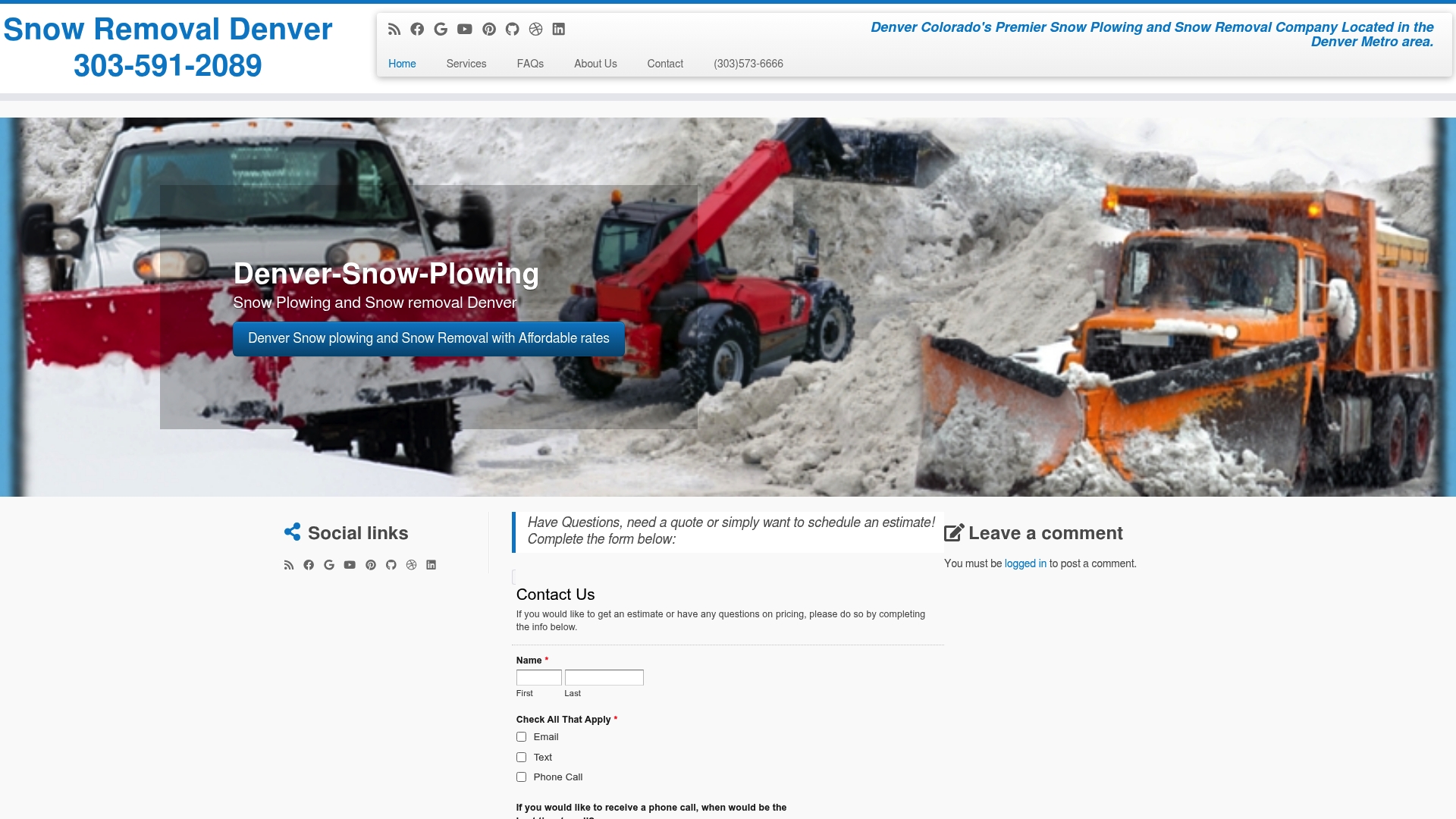
Whether you’re managing a commercial lot, an HOA, or a residential property, Denversnowremovals offers free estimates and flexible plans built for exactly this situation: a property that needs coverage now and a seasonal plan that starts partway through winter. The team handles snow pushing for larger commercial sites and can scope your property for a prorated contract that covers only the months remaining in the season.
Call for a free estimate today, and get emergency coverage confirmed before the next storm reaches your property.
Sources
- Tips for snow removal | MSUToday (APPA guidance)
- Syracuse residents say sidewalks are improving after midseason switch to new snow crew
FAQ
How much should I charge to remove snow from a 600 sq ft driveway?
Pricing for a driveway that size typically falls into a per-visit or seasonal-contract range that varies by region and snowfall severity; check current snow plow cost benchmarks before setting a rate or accepting a quote.
How much do snow removal workers get paid?
Pay varies widely by region, equipment used, and whether the work is per-event or seasonal-contract based, with skid steer or plow-equipped operators generally earning more than manual shovel crews.
How much should I charge for snow removal with a skid steer?
Skid steer work commands a premium over manual shoveling because of the equipment cost and clearing speed, and rates scale with lot size and how often the property needs service during active storms.
Is snow plowing a good side hustle?
It can be, especially for owners with existing equipment, but reliability expectations are high. Missed windows during a storm are exactly the kind of failure that pushes property managers to switch providers mid-season.
Can I switch snow removal providers in the middle of winter?
Yes. Mid-season switches are common, and providers can typically arrange same-day emergency coverage with full seasonal onboarding following within three to seven days.
Will I have to pay for a full season if I switch mid-year?
Not necessarily. Many providers, including Denversnowremovals, offer prorated seasonal pricing that only charges for the months of coverage remaining rather than a full-season rate.