
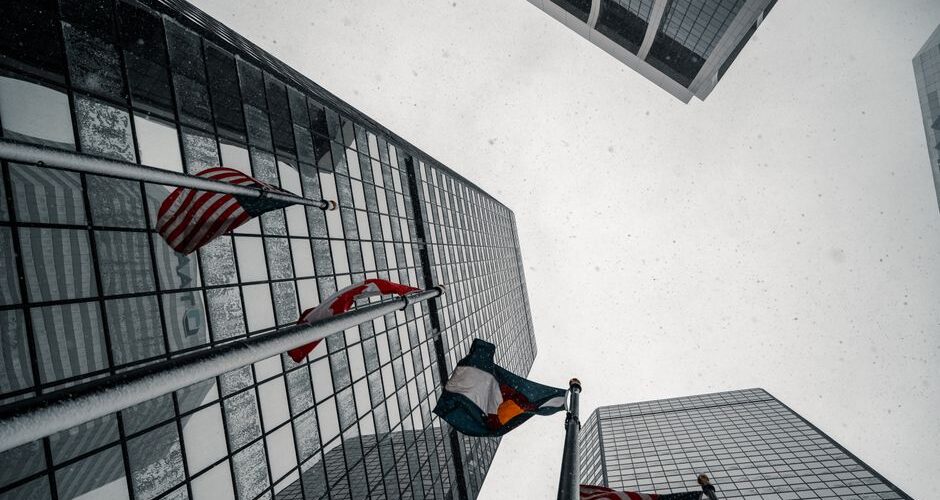
Downtown Denver snow removal is split between the city's Department of Transportation and Infrastructure (DOTI), which clears main streets, and private contractors, who handle parking lots, driveways, and sidewalks that the city does not touch. After snow stops, downtown businesses are required to clear sidewalks immediately while residences get until the next day, according to Denver7. The real question for condo boards and building managers is who they hire and when.
Table of Contents
- Who is responsible for clearing snow in downtown Denver?
- What are Denver's sidewalk shoveling rules and fines for businesses?
- How much does downtown Denver snow removal cost?
- What does overnight commercial snow removal actually include?
- How does the city clear downtown streets, and what does it leave behind?
- When should a downtown condo or business book a snow contract?
- What is the best way to compare downtown Denver snow removal companies?
- Key Takeaways
- References
Who is responsible for clearing snow in downtown Denver?
The city handles main streets and protected bikeways, not private parking lots, driveways, or most sidewalks. According to the City and County of Denver, DOTI provides snow response services to approximately 2,050 lane miles of main streets using a fleet of 70 large plows.
Denver's Residential Snow Plow Program covers about 1,260 center lane miles of residential streets using 4×4 pickup trucks with plows. The City and County of Denver states that plowing of residential streets occurs between 3:00 a.m. and 3:00 p.m.
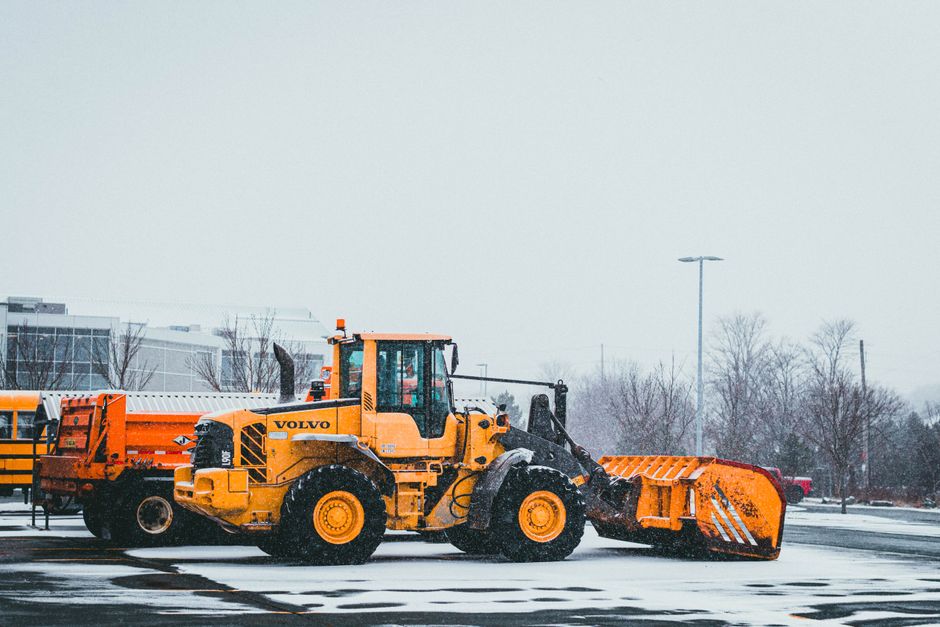
Residential plows make one pass down the center of every side street and shave off the top few inches of snow pack. The City and County of Denver notes that residential plows will not expose bare pavement, and residential areas do not receive de-icing materials.
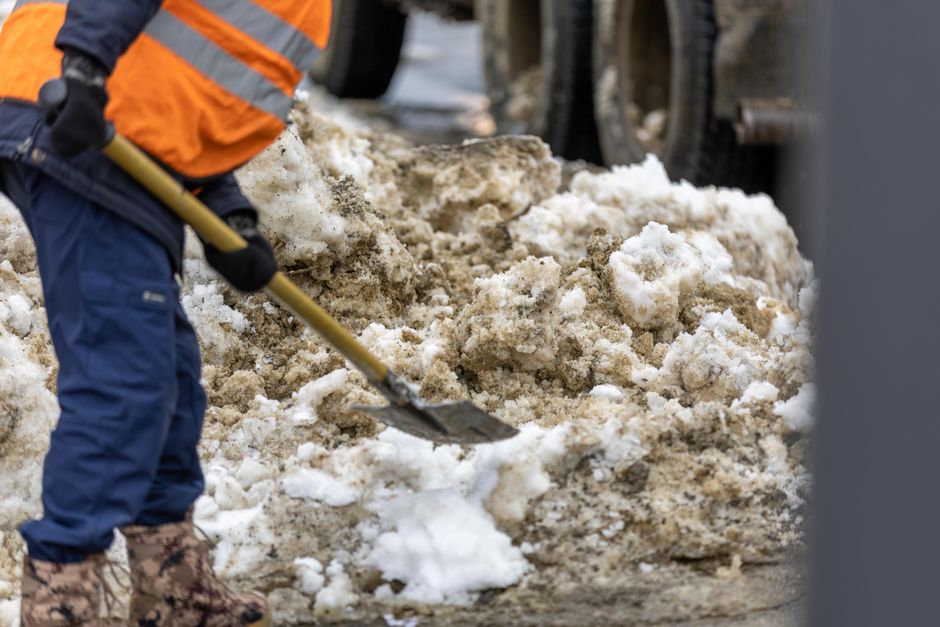
Property owners are left with the sidewalk, lot, and driveway obligation. According to Denver7, after snow stops, Denver businesses are required to clear sidewalks immediately while residences are supposed to clear sidewalks by the next day.
What are Denver’s sidewalk shoveling rules and fines for businesses?
Denver businesses must clear sidewalks immediately after snow stops, while residences have until the next day. According to Denver7, enforcement starts with inspectors leaving time-stamped notices. Businesses then have 4 hours and residences have 24 hours to clean the sidewalk before a $150 fine applies.
Residents can call 311 to report an unshoveled sidewalk 24 hours after snow has fallen. The Denver7 report confirms this reporting window. The city also runs a Snow Angel program that assists older residents and disabled people who need help clearing sidewalks. The contact is 720-913-SNOW (7669) or snowangels@denvergov.org.
Nearby Littleton allows "a reasonable amount of time" after snow stops to remove snow from sidewalks. Denver7 reports a possible $300 fine for a person convicted of violating the Littleton code. This shows that fines and enforcement timelines vary by metro jurisdiction, which matters for downtown property managers who may also own or operate buildings in neighboring cities.
How much does downtown Denver snow removal cost?
There is no single city-set price for downtown Denver snow removal. Costs vary by provider and contract type. According to GreenPal, a typical residential snow removal cost in Denver is $35 to $55, with 16 snow pros available and a 17-minute median response time.
Individual Denver pro ranges on GreenPal run from about $35 to $130 depending on the company. The GreenPal listing shows ranges including $50 to $130 for Inspiring Landscape, $35 to $120 for Lawn Barber Llc, and $36 to $60 for Earned Stripes Llc.
Commercial and condo accounts are usually priced by seasonal contract or per-push, not per-visit, because lot size and access drive the number. Denver Snow Removals states that it offers seasonal snow contracts from September to May. The research pack does not provide a current authoritative commercial price for downtown, so quotes should be treated as property-specific.
What does overnight commercial snow removal actually include?
Overnight commercial snow removal includes clearing parking lots, sidewalks, loading zones, and building entrances before the business day begins. Denver Snow Removals states it has over 47 years of experience and specializes in commercial, industrial, and HOA snow removal. Its fleet is on standby from September to May, with seasonal snow contracts running September to May.
The company states it does not focus on small residential driveways, which matters for condo boards comparing vendors. A downtown condo building with a parking garage, multiple entrances, and public sidewalks needs a commercial operator, not a residential driveway service. Denver Snow Removals advises commercial clients to sign a contract before October 1st, with July and August signings receiving priority dispatch.
Overnight timing matters because downtown lots and sidewalks must be clear before the business day and before the 4-hour enforcement window closes. According to Denver7, businesses have 4 hours after a time-stamped notice to clean sidewalks before a $150 fine applies. A crew that arrives after 9:00 a.m. may already be too late.
How does the city clear downtown streets, and what does it leave behind?
Downtown streets fall under DOTI's main-street plowing, not the residential program. According to the City and County of Denver, DOTI clears approximately 2,050 lane miles of main streets using about 70 large plows.
Denver uses liquid magnesium chloride as a de-icer in the downtown area, versus solid Ice Slicer elsewhere. The City and County of Denver describes Ice Slicer as a naturally-mined product from Utah that is more than 90 percent chloride salts.
Protected bikeways are targeted at least once every 24 hours. The City and County of Denver states that any snow accumulation on an off-street trail greater than one inch will be plowed to the channel side within 12 hours after the end of a snowfall event.
Plowing clears lanes but pushes snow to curbs and corners, which is exactly where private crews have to haul or stack it. Downtown property owners often find that city plows leave windrows across driveway entrances and parking lot exits. Those windrows are the property owner's responsibility to remove.
When should a downtown condo or business book a snow contract?
A downtown condo or business should book a snow contract before October 1st. Denver Snow Removals advises commercial clients to sign before October 1st, with July and August signings receiving priority dispatch. Seasonal contracts run September to May, matching the standby window.
Downtown buildings with garages, loading zones, and multiple entrances need a site plan before the first storm, not during it. A site plan identifies where snow gets stacked, which entrances get priority, and how the crew navigates the property. Waiting until snow is falling means the contractor has no time to map the site.
The city's residential program only runs 3:00 a.m. to 3:00 p.m., so overnight lot clearing is a private responsibility. According to the City and County of Denver, residential plows operate between 3:00 a.m. and 3:00 p.m. Downtown commercial properties need coverage outside those hours.
Waiting until the first snowfall means competing for the same crews as every other downtown property. Contractors with standby fleets from September to May allocate their dispatch priority to signed clients. Properties without contracts go to the back of the line.
What is the best way to compare downtown Denver snow removal companies?
The best way to compare downtown Denver snow removal companies is to ask whether the vendor runs overnight service and what triggers a dispatch. A company that only plows during daytime hours cannot protect a downtown business from the 4-hour sidewalk enforcement window. The dispatch trigger, such as two inches of accumulation, determines whether the crew arrives before the business day.
Confirm the contract covers sidewalks, since that is where the $150 fine lands. According to Denver7, Denver sidewalk enforcement gives businesses 4 hours after a notice before a $150 fine. A parking lot plow contract that excludes sidewalks leaves the property exposed.
Check whether the vendor handles commercial and HOA accounts rather than small residential driveways. Denver Snow Removals states it specializes in commercial, industrial, and HOA snow removal and does not focus on small residential driveways. A downtown condo board should compare vendors with similar commercial portfolios.
Compare pricing structure, seasonal contract versus per-push, against the property's lot size and access. According to GreenPal, residential Denver snow removal runs $35 to $55, but commercial pricing is property-specific. Verify insurance and whether the crew hauls snow or stacks it on site.
Key Takeaways
- Downtown Denver's main streets are plowed by the city, but parking lots, driveways, and sidewalks are the property owner's responsibility.
- DOTI runs about 70 large plows across roughly 2,050 lane miles of main streets, plus 4×4 pickups on about 1,260 center lane miles of residential streets.
- Denver businesses must clear sidewalks immediately after snow stops; residences get until the next day.
- Denver sidewalk enforcement gives businesses 4 hours and residences 24 hours after a notice before a $150 fine.
- Downtown Denver uses liquid magnesium chloride, while the rest of the city uses solid Ice Slicer.
- GreenPal lists typical Denver residential snow removal at $35 to $55, with individual pro ranges from about $35 to $130.
- Denver Snow Removals advises commercial clients to sign a seasonal contract before October 1st, with July and August signings receiving priority dispatch.
References
- Snow Removal – City and County of Denver — date unknown
- Snow Removal Denver – 24/7 Plowing — date unknown
- Denver snow removal: Sidewalk rules, fines and where to get help in the metro — 2024-03-15
- Snow Removal in Denver, CO | Compare Local Pros — updated for winter 2026–27