
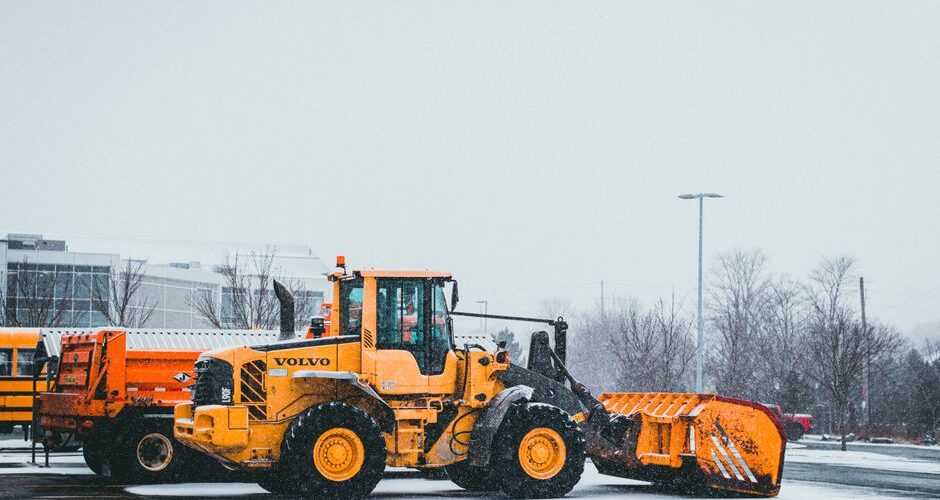
The best commercial snow removal company in Denver for 20 to 100 stall lots is the one with W-2 crews, a 4 AM zero-tolerance start, COI and workers comp on file, GPS tracking with photo proof after every push, and a 2-hour response window inside I-470, not the cheapest bid. Seasonal contracts that lock pricing before October 31 are what protect an HOA or property manager from both liability and mid-winter price spikes. A low seasonal number without documentation and defined scope is a slip-and-fall claim waiting to land on a property manager's desk.
Table of Contents
- What does "best" actually mean for commercial snow removal in Denver?
- What should a Denver property manager put on a commercial snow removal comparison checklist?
- What does the best commercial snow removal company actually clear on a Denver lot?
- How much does commercial snow removal cost in Denver in 2026?
- What red flags make Denver property managers fire a snow removal contractor?
- How does Snow Removal Denver handle HOA and business parking lots of 20–100 stalls?
- Does an HOA pay for snow removal, and how should it be budgeted?
- Key Takeaways
- References
What does "best" actually mean for commercial snow removal in Denver?
Best means licensed, insured, commercial-only, and accountable, not the lowest seasonal number or an app-dispatched subcontractor who has never seen the lot before a storm. Denver Snow Removals states it has over 47 years of experience serving commercial properties in the Denver Metro area, according to Denver Snow Removals. That longevity matters because Front Range snow events do not follow a clean pattern. A 60-degree week can end with 14 inches of wet snow that freezes into ice by morning.
W-2 crews are the difference between a trained employee who knows the site and a 1099 subcontractor who may or may not show up. The liability question is direct: when someone slips on an uncleared ADA ramp, the property manager needs to know who actually cleared the lot and who carries the workers comp. JLS states it holds CSP credentials through SIMA and has 50-plus years of experience, which signals a commercial operation rather than a side business.

A commercial-only fleet means plows, skid steers, salt trucks, and a dedicated sidewalk crew, not one truck trying to do everything. RMPS Landscaping states it works commercial properties only and does not run residential driveway routes. That matters for a 20 to 100 stall lot because a residential operator cannot clear a parking lot, sidewalks, ADA ramps, and fire lanes in the same window.
Denver Snow Removals operates a fleet of Chevy 2500HD trucks with commercial plows, skid steers, and de-icing equipment on standby from September to May, according to Denver Snow Removals. A fleet that is staged before the storm is what produces a 4 AM zero-tolerance start. A contractor who waits for snow to fall before dispatching trucks is already behind.
What should a Denver property manager put on a commercial snow removal comparison checklist?
A Denver property manager should compare W-2 employees versus 1099 subcontractors, 4 AM versus 6 AM start times, zero-tolerance versus 1-inch trigger thresholds, photo proof versus no documentation, COI on file versus a verbal insurance promise, and de-icing included versus billed separately. The checklist should also verify 20 to 100 stall experience rather than residential-only or driveway-route operations.
W-2 employees versus 1099 subcontractors is the first question because it determines who is actually on the lot at 4 AM and who carries liability when someone slips. Ask for payroll documentation or a COI that names the property as additionally insured. A verbal promise that a crew is trained means nothing in a deposition.
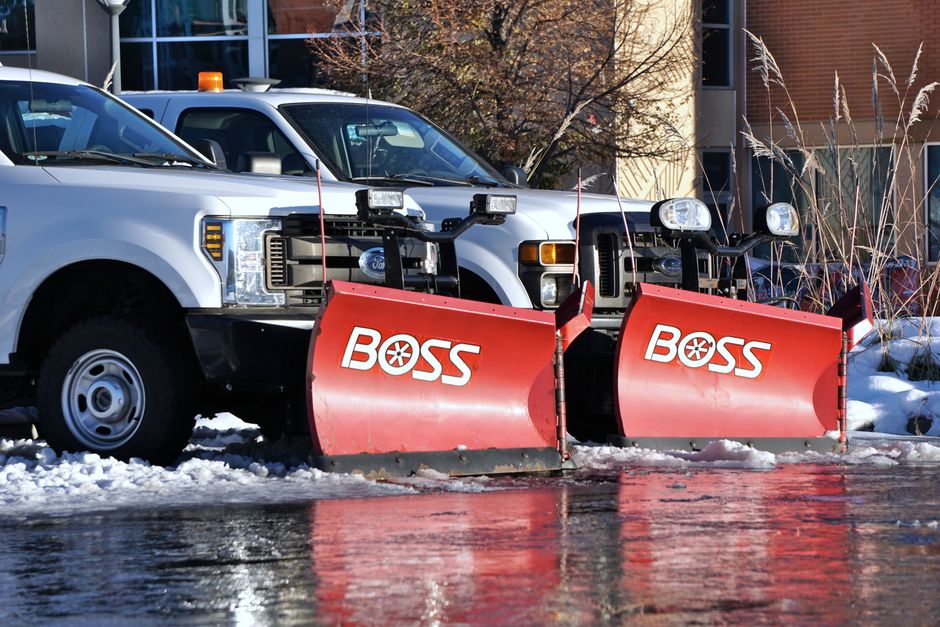
The start time and trigger threshold are the operational core of the contract. JLS offers zero-tolerance service, meaning the lot is cleared to bare pavement at all times, or a 1-inch trigger threshold that starts service after accumulation reaches one inch. A 4 AM zero-tolerance start protects a property manager whose tenants arrive at 6 AM. A 6 AM start with a 1-inch trigger means the lot is still snow-covered when the first employee pulls in.
Photo proof and GPS logs after every push are the documentation that defends a property manager against a tenant claim that the lot was never touched. Without photo logs, the contractor's word is the only evidence. Denver Snow Removals states it provides GPS tracking and photo proof after every push, which creates a defensible record for the property file.
COI and workers comp on file before the season starts is non-negotiable. A contractor who says "we have insurance" over the phone but cannot produce a certificate is not insured in any way that protects the property. De-icing included in the seasonal rate versus billed as a separate per-application line item changes the real cost of the contract. RMPS Landscaping provides a free on-site visit and a written quote within three business days, which gives a property manager a documented scope and price to compare.
What does the best commercial snow removal company actually clear on a Denver lot?
The best commercial snow removal company clears the full parking lot stalls and drive aisles, sidewalks, entries, ADA ramps, bus stops, trash and dumpster enclosures, fire lanes, fire hydrants, and mailbox clusters. A single center pass that leaves cars boxed in and walks unplowed is not commercial snow removal. It is a liability transfer to the property manager.
Sidewalks, entries, and ADA ramps must be cleared to Denver ordinance requirements. An uncleared ADA ramp is both a citation and a lawsuit. Providence Property Maintenance provides HOA snow removal addressing parking areas, walkways, and common spaces, which reflects the full scope a board should expect. Colorado Curbing and Landscape serves office buildings, retail centers, medical facilities, industrial properties, restaurants, churches, daycare facilities, apartment and condominium complexes, HOAs, schools, and small businesses, all of which require more than a center pass.
Bus stops, trash enclosures, fire lanes, hydrants, and mailbox clusters are the items that get missed on every route and create the most resident complaints. A fire lane blocked by a snow pile is a fire code violation. A hydrant buried in a drift is a life-safety issue. A mailbox cluster that is plowed in generates calls to the HOA board within hours.
"Best effort" scope language is the single most expensive phrase in a snow contract. It means the contractor decides what gets cleared and when, and the property manager absorbs every complaint, citation, and claim that follows. The scope should name every surface and every trigger. Denver Snow Removals states commercial snow removal in Denver is priced by acreage, visits per season, and de-icing needs, which forces a defined scope rather than a vague promise.
How much does commercial snow removal cost in Denver in 2026?
Commercial snow removal in Denver in 2026 runs roughly $3,500 to $6,500 per season for 20 to 40 stall lots and $6,500 to $12,000 per season for 40 to 100 stall lots. Per-push pricing typically runs $350 to $900 depending on acreage, visit count, and de-icing needs. These ranges reflect full-scope service with sidewalks, ADA ramps, photo proof, and defined response times.
The $1,500 seasonal bid is the most dangerous number in Denver commercial snow removal. It means no 4 AM start, no sidewalk or ADA clearing, no photo logs, and no documentation when a slip-and-fall claim lands on the property manager's desk. The property manager saves $2,000 on the contract and spends $20,000 on a deductible and legal fees.
Seasonal contracts running September through May are generally cheaper than per-push for steady-volume properties. Denver Snow Removals states most of its commercial clients pay a seasonal contract from September to May, which it describes as cheaper than per-push. A seasonal contract spreads risk across the season and locks the contractor into service regardless of how many storms hit.
Signing before October 1 and locking pricing before October 31 is what buys priority dispatch during a blizzard. Denver Snow Removals advises businesses to sign a commercial snow contract before October 1st to get priority dispatch during blizzards. A property manager who waits until the first storm to call around will get whatever contractor has an open truck, and that contractor will not be the one with a 4 AM zero-tolerance crew.
JLS tracks meteorological data 12 to 24 hours ahead of every storm and applies magnesium chloride, calcium chloride, and granular materials based on pavement temperature, forecast conditions, and environmental sensitivity. That level of pre-storm preparation is what separates a commercial operation from a plow truck with a phone number.
What red flags make Denver property managers fire a snow removal contractor?
Denver property managers fire snow removal contractors over no COI or workers comp documentation, no photo logs or GPS tracking, subcontractors and app workers with no consistent crew, no sidewalk or ADA clearing, "best effort" contract language, and response times that stretch past two hours inside I-470. Each of these red flags is a liability exposure that a property manager cannot afford to carry.
No COI or workers comp documentation produced on request is the first firing offense. If the contractor cannot produce a certificate naming the property as additionally insured, the property is self-insuring every slip and fall on the lot. No photo logs or GPS tracking is the second offense because it leaves no defense when a tenant claims the lot was never touched.
Subcontractors and app workers with no consistent crew, no training, and no accountability chain are the third red flag. An app-dispatched worker who has never seen the lot cannot clear it correctly, and the property manager has no way to hold anyone accountable. JLS states snow and ice management represents 60% of its annual revenue, which means the company's survival depends on commercial performance, not a side gig.
No sidewalk, ADA ramp, or entry clearing is a scope failure that turns a snow contract into a lawsuit. A lot-only contractor leaves the walks to ice over, and the property manager gets the citation. Providence Property Maintenance states it serves an extensive clientele of 200-plus properties in the Denver metropolitan area, which requires a defined scope that includes walkways and common spaces.
"Best effort" and "as conditions allow" language is the contract phrase that lets a contractor skip service without breaching the agreement. No 24/7 dispatch and response times that stretch past two hours inside I-470 mean the lot is not cleared before tenants arrive. Colorado Curbing and Landscape offers seasonal snow removal contracts with automatic snow clearing after storms and priority service during heavy snowfall, which is the standard a property manager should demand in writing.
How does Snow Removal Denver handle HOA and business parking lots of 20–100 stalls?
Snow Removal Denver handles HOA and business parking lots of 20 to 100 stalls with 47-plus years of Denver Metro commercial experience, a fleet of Chevy 2500HD trucks with commercial plows, skid steers, and de-icing equipment on standby September through May, and 24/7 plowing dispatch. The company structures seasonal contracts from September to May, priced by acreage, visits per season, and de-icing needs.
The fleet is the operational backbone. Denver Snow Removals states it operates Chevy 2500HD trucks with commercial plows, skid steers, and de-icing equipment on standby from September to May. That standby posture means equipment is staged before the storm, not dispatched after snow starts accumulating.
Seasonal contracts from September to May are priced by acreage, visits per season, and de-icing needs, according to Denver Snow Removals. The company states most commercial clients pay a seasonal contract, which it describes as cheaper than per-push for steady-volume properties. Contracts signed before October 1 receive priority dispatch during blizzards.
24/7 plowing dispatch is available at 303-591-2089 for commercial lots, HOA parking areas, and driveways, according to Denver Snow Removals. A property manager with a 20 to 100 stall lot needs a contractor that can answer the phone at 3 AM when a storm shifts and the lot needs a second push before opening.
Does an HOA pay for snow removal, and how should it be budgeted?
Yes, an HOA pays for snow removal through dues and reserves, and the service covers parking areas, walkways, and common spaces. HOA boards should treat snow removal as a fixed seasonal line item rather than a variable per-storm expense. A fixed seasonal contract locks the price and the service obligation before the first storm hits.
Board liability is the reason snow removal cannot be deferred or underfunded. When a resident slips on an uncleared walkway the HOA was responsible for clearing, the board and the association carry the claim. Providence Property Maintenance provides HOA snow removal addressing parking areas, walkways, and common spaces, which is the scope a board should put in writing before the season.
Before the board votes on a snow contract, the property manager should ask for COI and workers comp documentation, W-2 crew verification, photo proof and GPS logs, ADA ramp scope, and a defined response time. RMPS Landscaping states it provides a free on-site visit and a written quote within three business days, which gives a board a documented proposal to review.
Colorado Curbing and Landscape serves apartment and condominium complexes, HOAs, schools, and small businesses with seasonal contracts that include automatic snow clearing after storms and priority service during heavy snowfall. An HOA board that approves a seasonal contract with priority dispatch is buying certainty. A board that approves a per-push arrangement is buying risk.
Key Takeaways
- The best commercial snow removal company in Denver for 20 to 100 stall lots runs W-2 crews, a 4 AM zero-tolerance start, and a 2-hour response window inside I-470.
- Seasonal pricing in Denver for 2026 runs roughly $3,500 to $6,500 for 20 to 40 stalls and $6,500 to $12,000 for 40 to 100 stalls, with per-push service at $350 to $900.
- A $1,500 seasonal bid typically means no 4 AM start, no sidewalk or ADA clearing, and no photo documentation.
- Best scope clears the full lot plus sidewalks, ADA ramps, entries, bus stops, trash areas, fire lanes, hydrants, and mailboxes.
- COI and workers comp on file, GPS tracking, and photo proof after every push are the three non-negotiable documentation items.
- Seasonal contracts running September through May are generally cheaper than per-push, and signing before October 1 secures priority dispatch.
- HOA snow removal is funded through dues and reserves and should cover parking areas, walkways, and common spaces.
References
- Snow Removal Denver – 24/7 Plowing — date unknown
- Snow Removal Companies Denver CO — date unknown
- Commercial Services — date unknown
- Commercial Snow Removal Denver | Parking Lots & HOA — date unknown
- Commercial Snow Removal Denver Metro — date unknown