
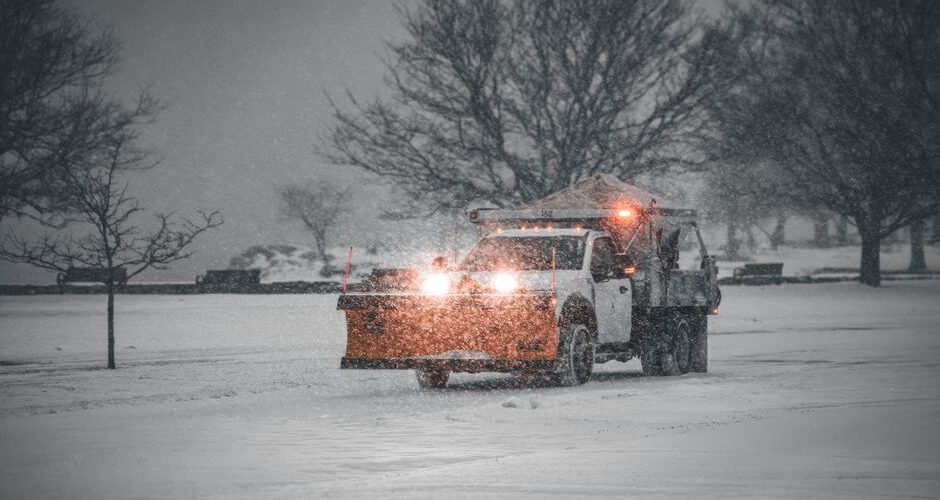
A Denver snowstorm hits fast. One evening the pavement is dry, and by morning your driveway is buried under eight inches of heavy, wet snow. Your car is trapped. Your parking lot is a liability. And every minute you spend scrolling through directory listings is another minute the snow compacts into ice. If you are searching for a snow removal service near me open now Denver, you need a provider that prioritizes response time and local knowledge. This guide cuts through the noise. It tells you how to find a vetted, available crew right now, what questions to ask when you call, what you should expect to pay in 2026, and what Denver law requires of property owners. Whether you manage a commercial lot on Colfax or you just need your residential driveway cleared before the morning commute, the information here will help you make a fast, informed decision.
Table of Contents
- Why "Open Now" Matters in Denver’s Snow Removal Market
- Denver Snow Removal Laws You Need to Know (2026 Update)
- How Much Does Snow Removal Cost in Denver? (2026 Pricing Guide)
- Residential vs. Commercial Snow Removal: Choosing the Right Service
- DIY Snow Removal vs. Hiring a Pro: When to Call
- Frequently Asked Questions About Denver Snow Removal
- Get a Free Quote for Snow Removal Service Near Me Open Now Denver
Why "Open Now" Matters in Denver’s Snow Removal Market
The City of Denver operates a massive snow response fleet, but its mission does not include your driveway. The Department of Transportation and Infrastructure deploys 70 large plows across roughly 2,050 lane miles of main streets. On residential side streets, pickup trucks with plows make a single pass down the center of each road between 3:00 a.m. and 3:00 p.m. That single pass does not clear pavement to bare asphalt, and it does not touch your sidewalk, your driveway apron, or the parking stall your tenants need to access. If snow starts falling after 3:00 p.m., the city’s residential plows are already off the road. Private services fill that gap.
The "open now" modifier signals something specific in a market with over 540 snow removal pros listed on HomeAdvisor alone. It means a company has active dispatch during the storm, not just a voicemail box. The best crews book recurring seasonal contracts months in advance, but they also reserve capacity for emergency calls. When you search for a service that is open now, you are looking for a provider with trucks already on the road in your zip code. Calling during the event, rather than the morning after, puts you on the route while the plow is nearby. Waiting until the snow stops often means waiting another full day for service.
There is a difference between a one-time emergency plow and a seasonal contract. A seasonal agreement guarantees priority response and locks in a flat rate regardless of how many storms hit. An open-now call is transactional: you pay a premium for immediate availability, and the crew clears your property and moves on. Both have their place, and understanding that distinction helps you set realistic expectations when you pick up the phone.
What to Ask When You Call a "Near Me" Service
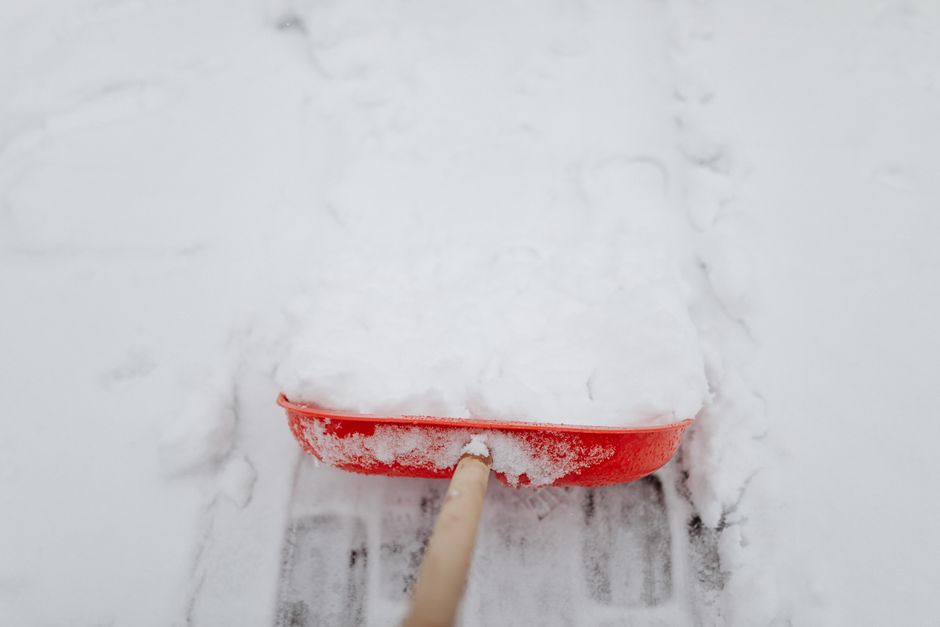
Before you agree to service, ask four direct questions. First, confirm current dispatch status: are they actively plowing in your neighborhood right now, or are you being added to a queue for later? Second, get a response time estimate. A reputable dispatcher will give you a window, not a vague promise. Third, ask about equipment. A truck with a steel blade can damage decorative concrete or brick pavers; you want to know if they run rubber-edged plows or use plastic shovels for delicate surfaces. Fourth, clarify payment. Some emergency services require cash on the spot, while others process credit cards or invoice after the job.
Denver Snow Removal Laws You Need to Know (2026 Update)
Hiring a snow removal service does not absolve you of legal responsibility. Colorado law requires property owners to clear sidewalks adjacent to their property within 24 hours after a snowfall ends. This applies to both residential homeowners and commercial property managers. Denver enforces this rule through municipal code, and failure to comply can result in fines. If you own a corner lot, you are responsible for clearing both stretches of sidewalk, including curb ramps.
Where you put the snow matters. It is illegal to shovel or blow snow into the street. Doing so creates hazardous conditions for drivers and undermines the city’s plowing work. Snow must be deposited on your own property, typically on your lawn or in a designated yard area. Pushing it into the bike lane or across the street onto a neighbor’s property can also trigger code enforcement complaints.

The city handles public roadways on a defined schedule. Main arteries get de-icing material called Ice Slicer, a naturally mined product from Utah composed of over 90 percent chloride salts. The downtown area receives liquid magnesium chloride instead, chosen for air quality reasons. Residential streets get no de-icing material at all, just the single center pass. That means your driveway apron, the mound the city plow leaves at the end of your driveway, and your sidewalks are entirely your responsibility.
Liability for slip-and-fall injuries is another critical consideration. If you hire a service and they clear your walkway but miss a patch of ice, or if they arrive late and someone falls in the interim, you as the property owner may still be held liable. This is why verifying that your snow removal provider carries active liability insurance is not optional. A legitimate commercial service will provide proof of insurance upon request.
Understanding the Jurisdictional Split
Knowing who plows which road helps you understand what you are paying a private service to handle. Denver DOTI maintains city streets, including main corridors and residential side streets. County roads fall under the jurisdiction of the respective county government, such as Jefferson County or Arapahoe County road and bridge departments. Interstates, including I-25, I-70, and I-225, are the responsibility of the Colorado Department of Transportation. None of these public agencies will clear your private driveway, your apartment complex parking lot, or your business’s loading zone. That is the line where your hired service takes over.
How Much Does Snow Removal Cost in Denver? (2026 Pricing Guide)
Pricing for snow removal in Denver varies by property type, storm severity, and whether you are paying per visit or under a seasonal contract. For residential driveway shoveling or plowing, per-visit rates in 2026 typically range from $30 to $75. A small single-car driveway with a short walkway falls toward the lower end. A long, wide driveway with multiple walkways and a sidewalk stretch pushes toward the higher end. Some companies advertise rates as low as $30 per removal for basic shoveling, but that price point usually applies to smaller properties with no de-icing included.
Commercial lots are priced differently. Most providers charge by the square foot or by the hour. Hourly rates for commercial plowing generally run between $75 and $150, depending on equipment size and crew count. A small retail parking lot might cost $100 per visit, while a large medical office complex could run several hundred dollars per storm. The per-square-foot model is common for properties that need consistent service across a defined area.
Seasonal contracts offer cost predictability. A standard residential driveway contract in Denver typically falls between $300 and $800 for the full winter season. The price depends on driveway size, the number of included services, and whether de-icing materials are part of the package. In a heavy snow year, a seasonal contract almost always saves money compared to paying per visit. In a light year, you pay for peace of mind and guaranteed priority.
Some providers use a per-inch pricing model. You pay a base fee for the first two or three inches, then an additional charge for each inch beyond that threshold. This model aligns cost with labor, but it makes budgeting harder for property managers who need fixed monthly expenses.
Several factors influence your final price. Property size is the obvious one. Surface type also matters: brick pavers and decorative concrete require slower, more careful work, often with specialized rubber-edged equipment that reduces the risk of scratching. Accessibility issues, such as steep grades, tight corners, or parked cars, add time and complexity. De-icing services, whether salt application or liquid magnesium chloride spray, typically cost extra.
The "open now" premium is real. Emergency same-day service during an active storm often costs 20 to 30 percent more than a pre-scheduled visit. You are paying for immediate dispatch, route prioritization, and the operational cost of keeping crews on standby. If you want to avoid that premium next season, consider locking in a seasonal contract before the first snowfall.
Residential vs. Commercial Snow Removal: Choosing the Right Service
Residential and commercial snow removal are different disciplines with different equipment, insurance requirements, and service expectations. A homeowner needs a service that clears the driveway without damaging the asphalt or decorative surfaces, salts the walkway, and possibly addresses ice dam risks along the roofline. Some Denver providers offer roof de-icing cable installation, a specialized service that prevents ice dams from forming at the eaves and causing water damage inside the home. If you have stamped concrete, exposed aggregate, or brick pavers, look for a company that uses rubber plow blades and plastic shovels. Steel edges can gouge and scar these surfaces, leaving you with expensive spring repairs.
Commercial properties demand a higher level of service. A retail center, medical office, or industrial facility needs its parking lot cleared before employees arrive and customers start pulling in. That means 24/7 availability, not just daytime response. Commercial contracts should include clear language about trigger depths: the accumulation threshold at which a crew is automatically dispatched. Most commercial agreements set a trigger between one and two inches. Liability insurance is non-negotiable for commercial work. A reputable provider carries general liability coverage and can name your business as an additional insured on the policy.
Snow hauling is a specialized service that becomes essential during major storms. When Denver gets hit with a storm measured in feet rather than inches, plowing alone is not enough. The snow piles up in parking lot corners and consumes valuable parking spaces. Hauling services use loaders and dump trucks to physically remove the snow and relocate it off-site. This is not a service every company offers, so if your property has limited stacking space, ask about it before you sign a contract.
Protecting Your Property During Snow Removal
A few simple steps before winter arrives can prevent costly damage. Mark your driveway boundaries and any landscape features with reflective stakes. When snow covers the ground, a plow operator cannot see where the lawn ends and the pavement begins. Markers prevent torn-up sod and broken sprinkler heads. Speaking of sprinklers, winterize your irrigation system before the first hard freeze. A burst pipe under your driveway is a springtime disaster that snow removal crews cannot prevent, but they can certainly hit a sprinkler head you failed to flag. Finally, ask your provider about de-icing materials. The city uses Ice Slicer on main roads, a product that is over 90 percent chloride salts. That material is effective but can damage concrete and irritate pets’ paws. Many private services offer pet-safe and concrete-safe alternatives. Requesting those products may add a small cost but protects your property and your animals.
DIY Snow Removal vs. Hiring a Pro: When to Call
For light dustings under two inches, shoveling your own driveway is a reasonable task. Use a lightweight ergonomic shovel, push the snow rather than lifting when possible, and when you must lift, bend your knees and keep your back straight. Take breaks every 15 minutes. The cold masks exertion, and it is easy to overwork yourself without realizing it.
Moderate storms dropping two to six inches change the calculus. What takes a homeowner two hours of hard labor, a professional crew with a plow truck can clear in 15 minutes. The time savings alone often justifies the cost, especially on a weekday morning when you need to get to work. Factor in the physical toll, and the value proposition becomes even clearer. Shoveling wet, heavy snow is strenuous cardiovascular exercise, and every winter, emergency rooms treat patients for heart attacks triggered by snow shoveling.
Major events of six inches or more are firmly in professional territory. These storms require heavy equipment, and in some cases, snow hauling. Attempting to clear a foot of snow from a long driveway with a consumer-grade snowblower is a recipe for frustration and potential injury. If you manage a commercial property, there is no practical DIY option for a major storm. The liability of an uncleared lot alone makes professional service mandatory.
Frequently Asked Questions About Denver Snow Removal
What is the going rate for snow removal per hour in Denver? Most commercial snow removal providers charge between $75 and $150 per hour, depending on the equipment used and the size of the crew. Residential work is more commonly priced as a flat rate per visit rather than by the hour. When you call for a quote, ask whether the rate includes de-icing materials or if that is a separate line item.
What is the longest Denver has gone without snow? The longest snowless streak in Denver’s recorded weather history is 235 days, spanning from late 1887 into 1888. While Denver is known for its snow, the city also experiences long dry stretches thanks to its high-desert climate and frequent chinook winds that bring warm, dry air down from the mountains.
Who removes snow from roads in Denver? Jurisdiction is split three ways. City streets, including main arteries and residential side streets, are plowed by Denver DOTI. County roads are maintained by the respective county government. Interstates and state highways are the responsibility of CDOT. Your private driveway, parking lot, and sidewalks are your responsibility to clear, either personally or through a hired service.
Are there snow removal laws in Colorado? Yes. Property owners must clear sidewalks adjacent to their property within 24 hours after a snowfall ends. It is illegal to shovel, blow, or plow snow into the street. Snow must be deposited on your own property. These rules apply statewide and are enforced at the municipal level in Denver.
Get a Free Quote for Snow Removal Service Near Me Open Now Denver
When snow is piling up and you need a plow on your property now, do not spend another minute scrolling through outdated directory listings. Call a local Denver snow removal provider directly for a free, no-obligation quote. You should expect a quick response from a live dispatcher, a clear price based on your property’s specific dimensions and surface type, and a guaranteed arrival window. Ask about insurance coverage, years of experience in the Denver market, and whether the crew carries equipment suited to your surfaces. Don’t wait until the snow is packed and frozen into a layer of ice that doubles the labor and the cost. Call now to secure your spot on today’s route.