
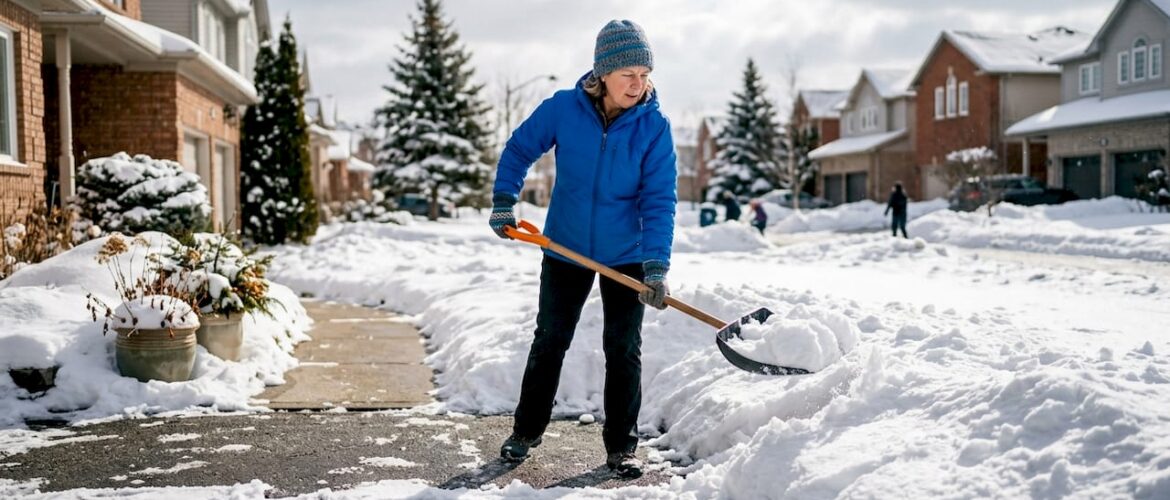
Setting snow clearing expectations for residents is defined as the process of communicating responsibilities, timelines, and safety standards before and during winter weather events. Without clear expectations, residents face confusion about who clears what, when it happens, and what the legal consequences of inaction are. Municipal sidewalk clearing ordinances across the U.S. require completion anywhere from 5 to 48 hours after a storm ends. That wide range means residents in different cities face very different obligations, and assuming your neighbor’s rules apply to you is a costly mistake.
What are common municipal snow removal timelines for residents?
Snow removal guidelines vary dramatically by city, and knowing your local deadline is the first step toward compliance. The clock starts ticking the moment a storm ends, and grace periods are shorter than most residents expect.
Here is a snapshot of how U.S. municipalities handle sidewalk clearing deadlines:
- Lancaster, PA: Sidewalks must be cleared within 5 hours post-storm, one of the strictest timelines in the country.
- Boston, MA: Residents must clear sidewalks within 3 hours after sunrise if snow fell overnight, and 42 inches wide is the required path width.
- Saint Paul, MN and Minneapolis, MN: Property owners must clear sidewalks within 24 hours of a snow event ending.
- Anne Arundel County, MD: Residents have up to 48 hours, the most lenient standard among major jurisdictions.
- York, PA: Enforcement resumes after 24 hours of a snow event, though grace periods apply during extreme weather.
These differences matter because fines for noncompliance are real. Cities enforce sidewalk clearing ordinances through inspections and resident complaints. Missing your local deadline by even a few hours can result in a citation. If you own a home in Denver, checking with Denver Public Works for your specific obligations before the first snowfall of the season is the right move.
Snow amount also affects requirements. Many ordinances distinguish between light dustings under 3 inches and heavier accumulation events, applying stricter timelines to larger storms. Knowing both thresholds for your city protects you from unexpected fines.
How do you communicate snow removal priorities and timelines to residents?
Residential snow removal is a tiered process, not an instant one. Main arterial roads clear first, then collector streets, and residential side streets come last. Educating residents that this order exists and why it exists reduces frustration significantly during major storms.
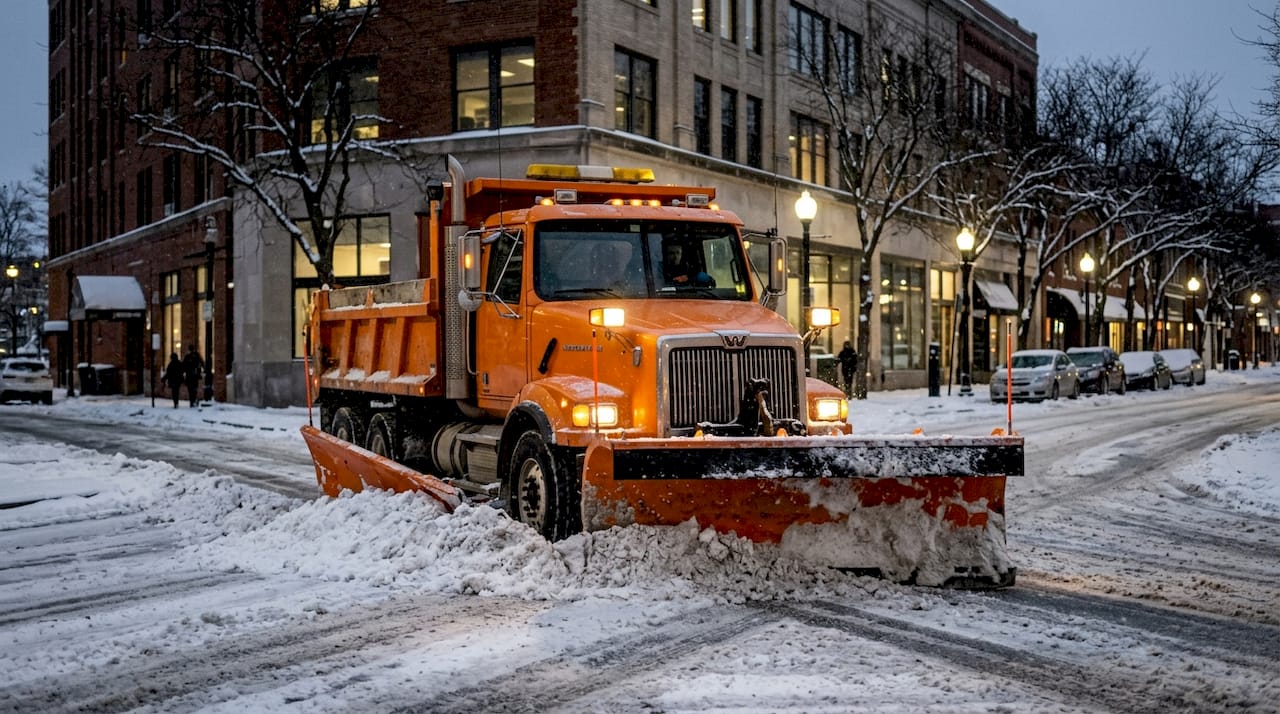
The most effective communication happens before the storm arrives. Property managers, HOA boards, and local government offices that send pre-season newsletters or hold brief informational meetings see fewer complaints during actual weather events. Residents who understand the system in advance accept delays with more patience than those who learn about it mid-storm.
During a storm, frequent status updates are the single most effective tool for managing resident anxiety. Text alerts, community apps, email blasts, and posted signage at building entrances all work. The medium matters less than the consistency. Residents who hear nothing assume nothing is happening, and that silence breeds complaints.
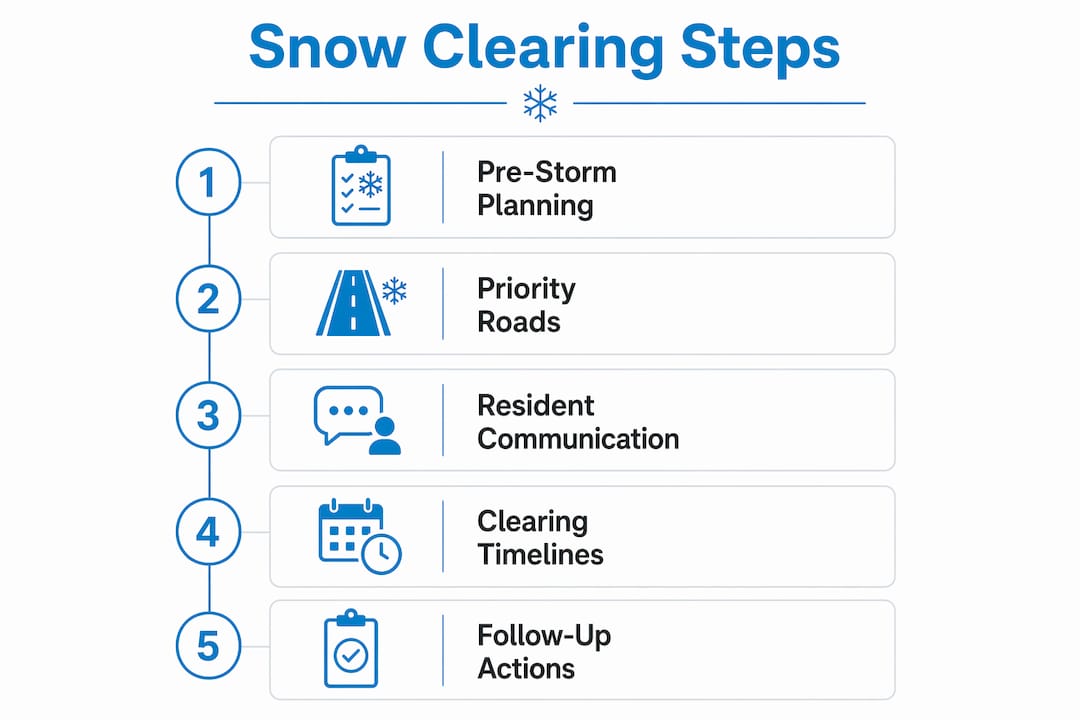
Pro Tip: Send a brief pre-winter letter or email to all residents explaining the plowing priority order, your expected response times, and who to contact with questions. One proactive message prevents dozens of reactive ones during a storm.
Transparency about what residents can realistically expect builds trust. If a residential street will not be plowed until 12 hours after a storm ends, say that clearly. Residents who know the timeline adjust their plans. Residents who do not know the timeline call to complain every two hours.
What practical steps help residents meet snow clearing expectations?
Meeting clearing snow expectations requires more than just owning a shovel. Residents need to understand specific width requirements, vehicle rules, and snow disposal laws to stay compliant and safe.
Move vehicles during declared snow emergencies
During a declared snow emergency, removing vehicles from public streets is not optional. Parked cars block plows from reaching the curb, leaving packed snow and ice that hardens overnight. Cities including Lancaster, PA enforce towing for vehicles left on emergency snow routes. Check your city’s snow emergency route map and move your car before the storm begins.
Clear the right path width
Sidewalk clearing standards require a minimum path of 36 to 42 inches wide depending on your municipality. York, PA and Lancaster, PA require 36 inches. Boston requires 42 inches. Clearing only a narrow foot path does not satisfy most ordinances and leaves pedestrians, wheelchair users, and stroller-pushing parents without safe passage.
Follow these additional steps to stay compliant and protect your neighbors:
- Clear fire hydrants: Maintain a three-foot radius around every fire hydrant on your property. Emergency responders lose critical seconds when hydrants are buried.
- Keep snow on your property: Pushing snow into streets violates ordinances in cities including Spokane, WA and can result in fines. Snow from your driveway belongs on your lawn, not the road.
- Coordinate with neighbors: If you travel for work or cannot physically shovel, arrange coverage with a neighbor or hire a professional snow removal service before the season starts.
- Apply deicing products after clearing: Ice remediation with rock salt or calcium chloride after shoveling prevents refreeze and reduces slip-and-fall liability on your property.
What are common snow removal pitfalls and how do you fix them?
Even well-intentioned residents run into problems during heavy winter weather. Knowing the most common mistakes in advance helps you avoid them.
- Illegal snow dumping: Pushing driveway snow into the street is the most frequently cited violation in residential areas. It creates hazards for drivers and pedestrians and draws fines. Always direct snow toward your lawn or a designated area on your property.
- Plow windrows blocking driveways: After a city plow passes, it often leaves a ridge of packed snow across your driveway entrance. This is legal and expected. Clear it promptly after the plow passes rather than waiting for it to freeze solid overnight.
- Ignoring enforcement notices: If you receive a notice for failing to clear your sidewalk, respond within the stated timeframe. Most cities allow a short correction window before issuing a formal fine. Ignoring the notice escalates the penalty.
- Damage to property and trash bins: Plows can clip bins left too close to the curb. Move trash and recycling bins back from the street edge during snow events and retrieve them promptly after collection.
- Assuming the landlord handles it: Renters often assume snow clearing is the landlord’s responsibility. In many cities, the obligation falls on the property owner, but lease agreements sometimes transfer that duty to tenants. Read your lease before the first snowfall.
“Snow removal is a continuous process handled in prioritized tiers. Residents must not expect immediate clearing at their location. Understanding that main roads clear first, then neighborhood streets, is the foundation of realistic winter expectations.”
When a complaint arises, document the issue with photos and timestamps. Contact your city’s public works department or property manager through the official complaint channel. Most municipalities have a 311 line or online portal for snow-related service requests. Using the official process creates a record and gets faster results than informal complaints.
Key takeaways
Setting and meeting snow clearing expectations protects residents from fines, reduces community conflict, and keeps neighborhoods safe throughout the winter season.
| Point | Details |
|---|---|
| Know your local deadline | Sidewalk clearing timelines range from 5 to 48 hours post-storm depending on your city. |
| Clear the required width | Most municipalities require a 36–42 inch cleared path for pedestrian accessibility. |
| Move vehicles during emergencies | Leaving cars on snow emergency routes blocks plows and risks towing or fines. |
| Keep snow off public streets | Pushing snow from driveways into roads violates ordinances and creates hazards. |
| Communicate early and often | Pre-season notices and storm updates reduce resident frustration and complaints. |
What I’ve learned about winter expectations after years on the ground
After working through enough Denver winters to lose count, the pattern I see repeat itself every year is the same. Residents do not get frustrated because snow removal is slow. They get frustrated because no one told them it would be slow.
The communities that handle winter best are the ones that over-communicate before the first flake falls. A single pre-season letter explaining the plowing order, the sidewalk clearing deadlines, and who to call with questions prevents more conflict than any enforcement program ever could. Empathy matters here too. Not every resident can shovel. Elderly homeowners, people with disabilities, and single parents managing young children all face real barriers to compliance. A community that acknowledges those barriers and offers solutions, whether through neighbor networks or professional services, functions better than one that simply issues fines.
The uncomfortable truth is that most snow removal complaints are really communication failures in disguise. When residents know what to expect and feel heard during a storm, they wait. When they feel ignored, they escalate. The fix is not faster plows. The fix is better information delivered earlier and more often.
— Jesse
Denversnowremovals: professional support when winter demands it
Keeping up with residential snow removal obligations during a heavy Denver winter is a real challenge, especially when storms stack back to back across january and february.
Denversnowremovals has served homeowners and property owners across the Denver Metro area for over 44 years. The team operates 24/7 during active weather events, handles both plowing and deicing, and offers free estimates with flexible service plans built around your property’s specific needs. Whether you need a one-time clearing after a major storm or a full-season contract, Denversnowremovals delivers reliable service when it matters most. Visit Denversnowremovals to request your free estimate and get ahead of this winter’s first storm.
FAQ
What is the standard time to clear a sidewalk after snow?
Sidewalk clearing deadlines range from 5 hours in cities like Lancaster, PA to 48 hours in places like Anne Arundel County, MD. Check your local ordinance for the exact requirement, as timelines vary significantly by municipality.
Can residents be fined for not clearing snow?
Yes. Most U.S. cities enforce sidewalk snow clearing ordinances and issue fines for noncompliance. Enforcement typically resumes within 24 hours of a storm ending, even when grace periods apply during extreme weather.
How wide does a cleared sidewalk path need to be?
Most municipalities require a minimum width of 36 inches, while cities like Boston require 42 inches of cleared path. A narrow foot path does not satisfy most ordinances.
Is it illegal to push driveway snow into the street?
Yes. Pushing snow into public roads violates local ordinances in most U.S. cities and creates traffic and pedestrian hazards. All snow from private driveways must remain on private property or in designated disposal areas.
Do residents need to clear around fire hydrants?
Residents are responsible for clearing a three-foot radius around fire hydrants located on or adjacent to their property. This clearance is a public safety requirement that supports emergency response times.