Commercial snow removal operations depend on reliable equipment to deliver results when winter storms strike. Skid steer loaders represent one of the most versatile tools in any snow removal fleet, capable of handling everything from tight parking lot corners to heavy snow accumulation. Implementing a comprehensive skid steer service program ensures these machines remain operational during critical winter months, reducing downtime and maintaining service quality for clients across Denver and surrounding communities.
Understanding Skid Steer Service Requirements
Skid steer service encompasses a broad range of maintenance activities designed to keep these compact machines performing at peak efficiency. Unlike larger equipment, skid steers face unique challenges due to their hydraulic systems, compact design, and the intensive workloads they handle during snow removal operations.
Regular service intervals vary based on usage hours, operating conditions, and manufacturer specifications. For snow removal companies operating 24/7 during winter storms, service schedules become even more critical. Most manufacturers recommend service every 250 hours for standard operations, but harsh winter conditions may require more frequent attention.
Daily Service Protocols
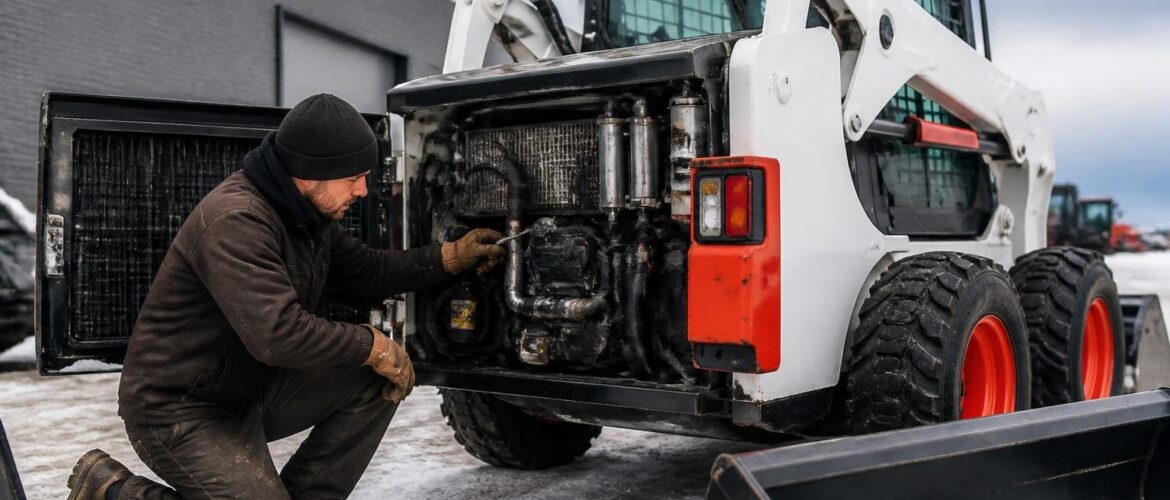
Before each shift begins, operators should complete essential checks that prevent breakdowns during critical operations. These daily service tasks take minimal time but provide maximum protection against equipment failure.
Pre-operation inspection checklist:
- Engine oil and hydraulic fluid levels
- Tire pressure and condition assessment
- Visual inspection of hydraulic hoses and connections
- Battery terminals and electrical connections
- Air filter condition and cleanliness
- Cutting edge and attachment integrity
Temperature extremes in Colorado winters place additional stress on hydraulic systems and engine components. Pre-operation safety checklists help identify potential issues before they escalate into costly repairs or dangerous failures during operations.
Scheduled Maintenance Intervals
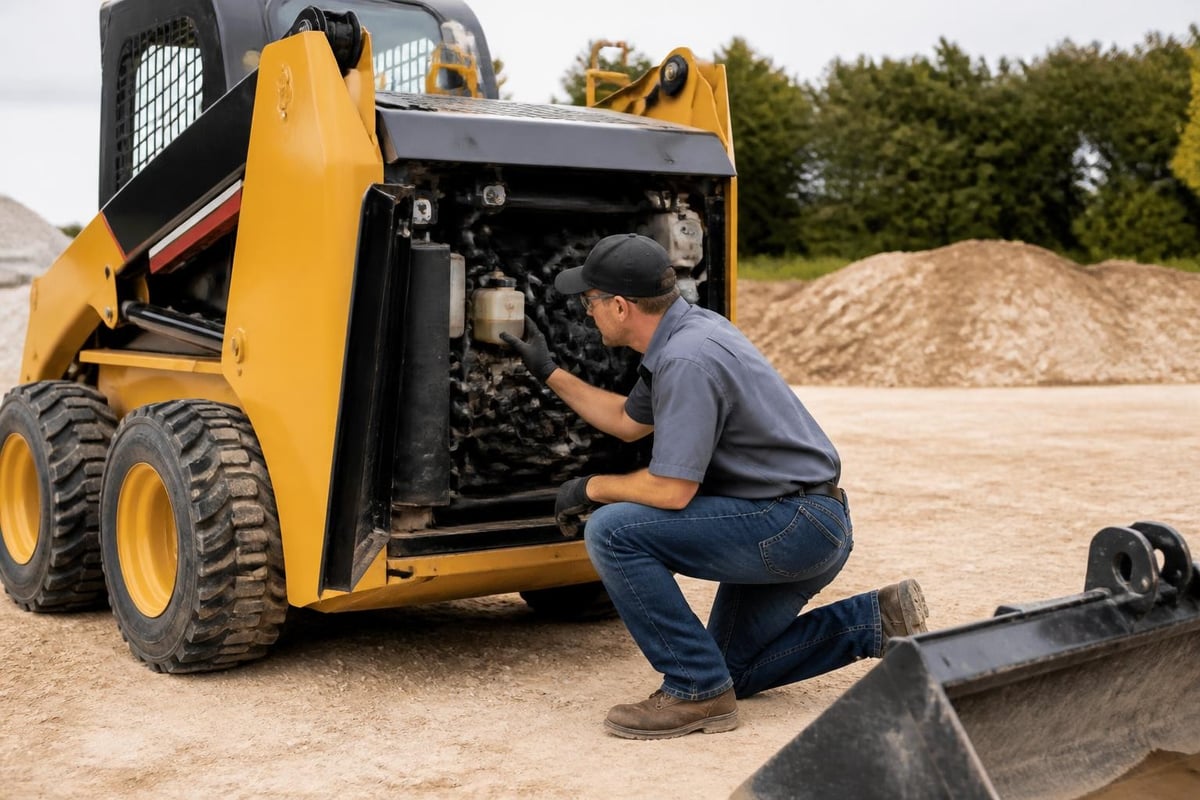
Professional skid steer service follows a tiered approach based on operating hours. This systematic methodology ensures no critical component gets overlooked while maximizing equipment longevity.
| Service Interval | Key Tasks | Estimated Duration |
|---|---|---|
| 50 Hours | Lubricate pivot points, check hydraulic fluid | 30 minutes |
| 250 Hours | Oil change, filter replacement, hydraulic inspection | 2-3 hours |
| 500 Hours | Comprehensive system check, belt inspection, coolant service | 4-5 hours |
| 1000 Hours | Major service including transmission fluid, detailed component inspection | 6-8 hours |
These intervals represent baseline recommendations. Snow removal operations often require adjustments based on actual operating conditions. Equipment working in sub-zero temperatures or handling corrosive de-icing materials needs more frequent attention to prevent premature wear.
Critical Components Requiring Regular Service
Hydraulic systems power virtually every function on a skid steer loader, making them the most critical component requiring consistent service attention. These systems operate under extreme pressure, and any failure during snow removal operations can halt an entire job site.
Hydraulic System Maintenance
Hydraulic fluid quality directly impacts system performance and component longevity. Contaminated fluid accelerates wear on pumps, cylinders, and valves, leading to expensive repairs that could have been prevented through proper skid steer service.
Checking hydraulic fluid levels should happen daily, but fluid quality testing belongs in regular service intervals. Many operators overlook this aspect until system performance degrades noticeably. Professional maintenance includes:
- Fluid sampling and contamination analysis
- Filter replacement at specified intervals
- Pressure testing to identify leaks or weakened components
- Hose inspection for wear, cracking, or damage
- Cylinder seal assessment
Winter operations introduce additional challenges. Cold temperatures increase fluid viscosity, placing extra strain on hydraulic pumps during startup. Using manufacturer-recommended winter-grade hydraulic fluids protects systems during Colorado's coldest months.
Engine Service and Winterization
Engine reliability determines whether equipment responds when emergency snow removal calls come in at 2 AM. Comprehensive engine service goes beyond simple oil changes, addressing the complete combustion and cooling systems.
Preventative maintenance practices emphasize regular fluid analysis to detect potential engine problems before catastrophic failure occurs. Oil samples reveal contamination levels, fuel dilution, and wear metal concentrations that indicate developing issues.
Winter-specific engine service includes:
- Block heater installation and testing
- Battery load testing and replacement if necessary
- Coolant concentration verification for sub-zero protection
- Fuel system water separator inspection
- Cold weather fuel additives to prevent gelling
Diesel engines commonly used in skid steers require particular attention in freezing temperatures. Fuel gelling can immobilize equipment during critical operations, making fuel system maintenance a priority throughout winter months.
Implementing Effective Service Schedules
Creating a functional skid steer service program requires balancing operational demands with maintenance needs. For snow removal companies, this becomes particularly challenging during peak winter months when equipment downtime directly impacts revenue and client satisfaction.
Seasonal Service Planning
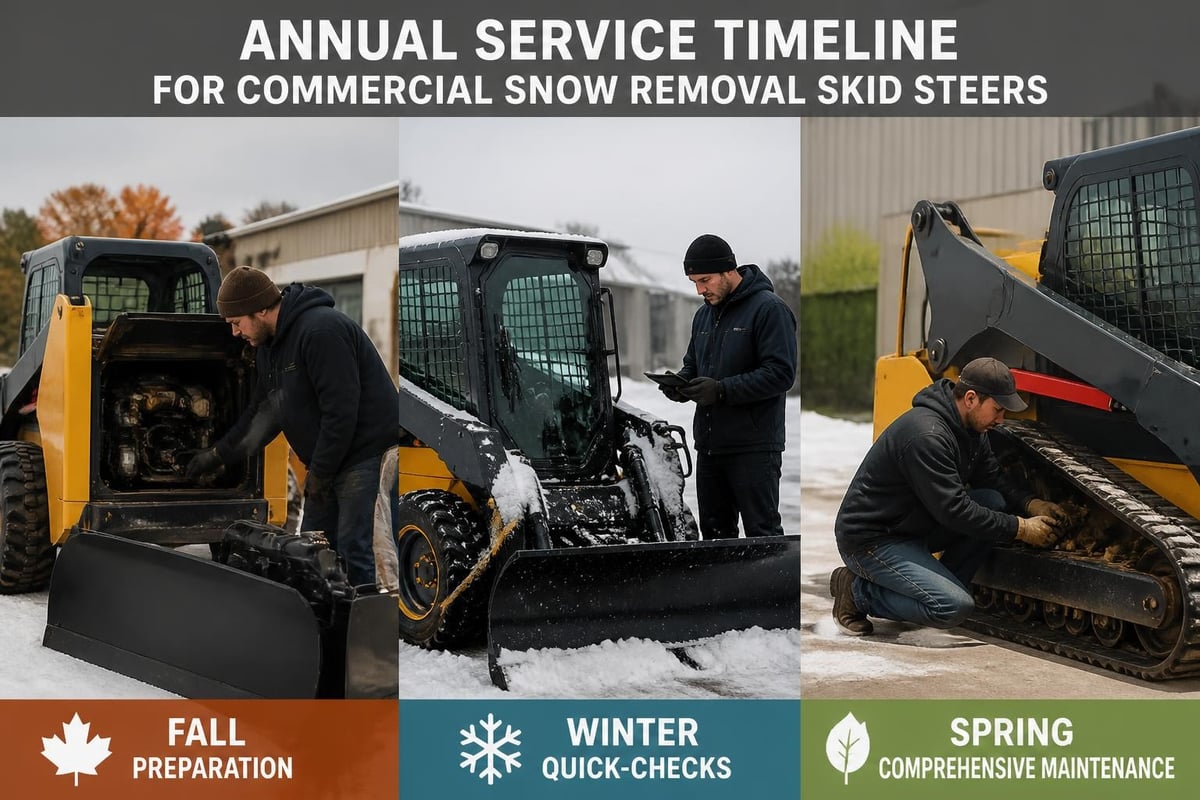
Strategic scheduling places major service intervals during off-season months when equipment sits idle. Fall becomes the ideal time for comprehensive pre-winter maintenance, ensuring all systems function properly before the first snowfall.
Pre-season preparation should address:
- Complete hydraulic system flush and refill
- Engine tune-up including spark plugs, filters, and belts
- Tire replacement or rotation
- Attachment servicing and replacement of worn components
- Electrical system testing including lights and safety features
Similarly, spring service addresses wear accumulated during intensive winter operations. Comprehensive maintenance guidelines recommend detailed inspections following heavy-use periods to identify components requiring replacement before the next season.
Documentation and Record Keeping
Professional skid steer service relies on detailed maintenance records tracking every service event, repair, and component replacement. These records serve multiple purposes beyond simple compliance.
Documentation enables trend analysis identifying recurring problems or components with shorter-than-expected lifespans. For fleet operations, comparing service records across multiple machines reveals whether specific units require more frequent attention, potentially indicating operator issues or manufacturing defects.
| Record Type | Information Captured | Business Value |
|---|---|---|
| Service logs | Date, hours, tasks completed, parts used | Warranty claims, resale value |
| Repair history | Problem description, diagnosis, solution | Pattern recognition, prevention |
| Operator reports | Daily condition notes, performance issues | Early problem detection |
| Fuel consumption | Usage tracking, efficiency metrics | Cost analysis, performance baseline |
Modern fleet management software simplifies record keeping while providing analytics that manual systems cannot match. These platforms can trigger automatic service reminders based on hour meters or calendar dates, preventing missed maintenance intervals.
Safety Considerations in Skid Steer Service
Equipment maintenance directly impacts operator safety and job site security. Poorly maintained machines create hazards not only for operators but also for nearby workers and the general public in commercial properties.
Operator Training and Safety Protocols
Safety requirements and training standards emphasize that proper operation begins with understanding equipment capabilities and limitations. Service personnel should also receive training on safe maintenance procedures, particularly when working with hydraulic systems under pressure.
Regular service provides opportunities to verify safety features function correctly:
- Seatbelt operation and condition
- Backup alarms and warning lights
- Safety interlock systems preventing unauthorized operation
- ROPS (Rollover Protective Structure) integrity
- Emergency shut-off accessibility
Many accidents occur due to maintenance being performed incorrectly or on improperly secured equipment. Following lockout/tagout procedures prevents accidental startup during service work. Hydraulic pressure must be fully released before disconnecting lines or removing components.
Common Service-Related Hazards
Understanding skid-steer hazards helps service technicians and operators recognize dangerous situations before injuries occur. Service-related incidents often result from rushed work or skipping safety steps to minimize downtime.
Primary service hazards include:
- Hot engine components and fluids causing burns
- High-pressure hydraulic injection injuries
- Crushing injuries from unsecured attachments or raised components
- Slip and fall incidents from fluid spills
- Exposure to harmful chemicals in cleaners and fluids
Proper personal protective equipment (PPE) remains essential during all service activities. Safety glasses, gloves rated for chemical exposure, and steel-toed boots represent minimum protection levels. When working beneath raised equipment, mechanical supports should always supplement hydraulic systems.
Cost Management Through Preventive Service
Skid steer service represents a significant operational expense, but the cost of neglected maintenance far exceeds preventive care investments. Understanding the financial implications helps justify proper maintenance budgets and scheduling.
Breakdown Cost Analysis
Emergency repairs during snow events create cascading expenses beyond the immediate repair bill. Lost revenue from missed service windows, rush shipping charges for overnight parts delivery, and premium labor rates for after-hours technicians multiply basic repair costs substantially.
Consider a hydraulic pump failure scenario during a major storm:
| Cost Category | Preventive Maintenance | Emergency Repair |
|---|---|---|
| Parts | $1,200 | $1,200 |
| Labor | $300 (scheduled) | $800 (emergency rate) |
| Shipping | $50 (standard) | $350 (overnight) |
| Lost revenue | $0 | $2,500 (missed contracts) |
| Total | $1,550 | $4,850 |
This analysis excludes intangible costs like damaged client relationships when service commitments cannot be met. Commercial properties depend on timely snow removal for liability protection and business continuity. Missing critical service windows may result in lost contracts worth thousands of dollars annually.
Extending Equipment Lifespan
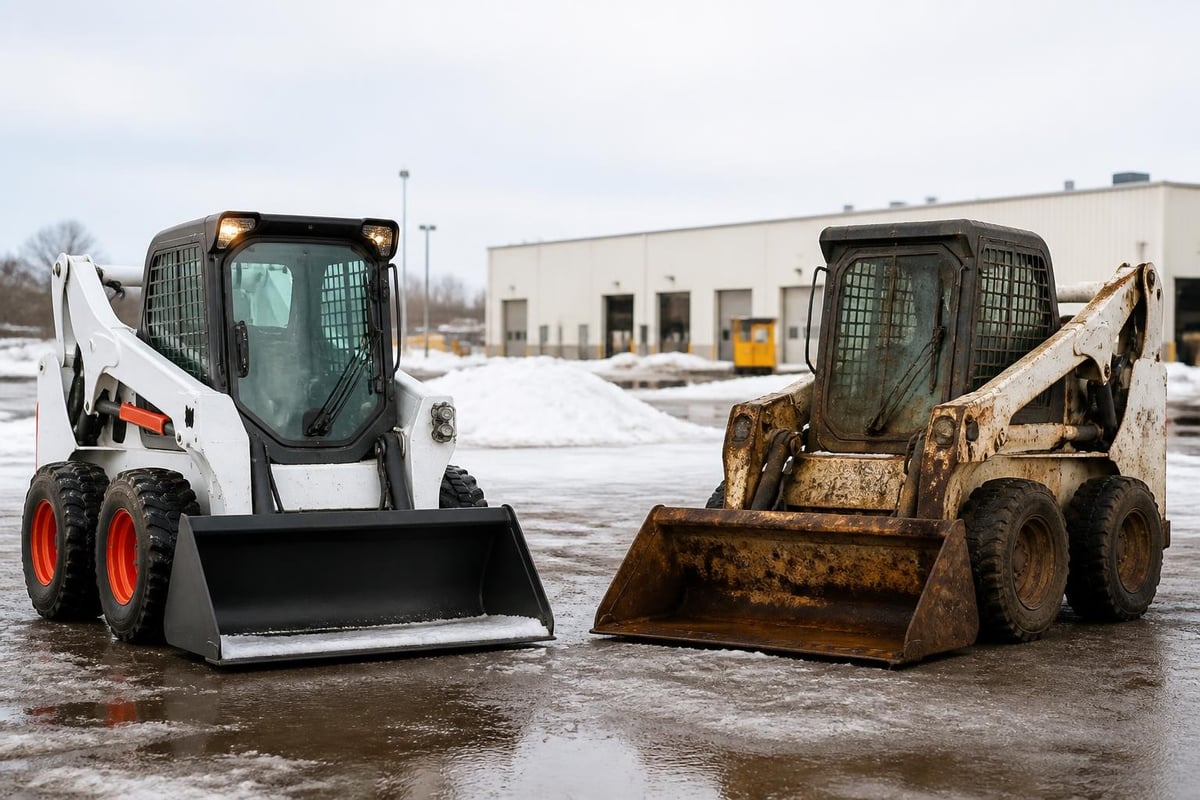
Basic maintenance fundamentals directly correlate with equipment longevity. Well-maintained skid steers regularly exceed 6,000 operating hours before requiring major overhauls, while neglected machines may need significant work before 3,000 hours.
Extended equipment life reduces capital expenditure frequency. A $60,000 skid steer lasting 7,000 hours through proper service costs approximately $8.57 per operating hour. The same machine failing at 3,500 hours due to neglected maintenance costs $17.14 per hour-doubling per-hour equipment costs.
Selecting Service Providers and In-House Capabilities
Snow removal companies must decide whether to maintain skid steer service capabilities internally or outsource maintenance to specialized providers. Each approach offers distinct advantages depending on fleet size, technical expertise, and operational requirements.
In-House Service Programs
Larger operations with multiple machines often justify dedicated maintenance facilities and trained technicians. In-house programs provide immediate response capabilities and detailed knowledge of each machine's unique characteristics and history.
Building internal capabilities requires:
- Appropriate workspace with adequate lighting and ventilation
- Specialized tools including hydraulic pressure testers and diagnostic equipment
- Parts inventory for common replacement items
- Trained technicians with manufacturer certifications
- Safety equipment and proper fluid disposal systems
The investment proves worthwhile for fleets exceeding five to seven machines. Smaller operations may struggle to justify the overhead costs, particularly given seasonal utilization patterns in snow removal businesses.
Professional Service Partnerships
Outsourcing skid steer service to authorized dealers or specialized heavy equipment service providers eliminates facility and tooling investments. These relationships work well for smaller fleets or companies preferring to focus resources on core snow removal operations.
Quality service providers offer manufacturer-certified technicians, genuine parts availability, and warranty protection. They also maintain current knowledge of technical service bulletins and recall information that independent operators might miss.
When evaluating service providers, consider:
- Response time guarantees for emergency repairs
- Mobile service capabilities for on-site maintenance
- Parts availability and supplier relationships
- Technician certifications and ongoing training
- Track record with similar equipment and applications
Much like property owners rely on specialized contractors for facility maintenance-similar to how professional roofing services handle complex building envelope work-snow removal companies benefit from partnering with equipment service experts who maintain current technical knowledge and proper tooling.
Technology Integration in Modern Service Programs
Advanced diagnostic systems and telematics platforms have transformed skid steer service from reactive maintenance to predictive analytics. Modern machines communicate operational data revealing developing problems before they cause failures.
Telematics and Remote Monitoring
Fleet management systems track machine location, operating hours, fuel consumption, and diagnostic trouble codes in real-time. This data stream enables service scheduling based on actual usage rather than estimated intervals, optimizing maintenance timing.
Remote monitoring identifies abnormal operating patterns indicating potential problems. Sudden increases in hydraulic system temperature, unusual fuel consumption rates, or frequent error codes trigger alerts prompting investigation before complete failure occurs.
Key telematics benefits for service management:
- Automated hour-meter tracking eliminating manual recording
- Geofencing alerts when equipment leaves designated areas
- Idle time monitoring to reduce unnecessary engine hours
- Operator behavior analysis identifying training opportunities
- Maintenance reminder automation based on actual hours
These systems prove particularly valuable during winter operations when multiple machines operate across dispersed job sites. Centralized monitoring enables dispatchers to identify which units near service intervals and schedule maintenance during weather breaks.
Diagnostic Software Advantages
Modern skid steers incorporate sophisticated engine and hydraulic control systems generating detailed diagnostic information. Professional-grade scan tools decode fault codes, providing specific guidance on problems and required repairs.
Advanced diagnostics reduce troubleshooting time significantly. Rather than spending hours isolating intermittent electrical issues through manual testing, technicians connect diagnostic tools revealing exact fault conditions and affected circuits. This precision minimizes labor costs and prevents unnecessary parts replacement based on guesswork.
Environmental Considerations and Compliance
Professional skid steer service must address environmental regulations governing fluid disposal, emissions standards, and contamination prevention. Compliance protects businesses from regulatory penalties while demonstrating environmental stewardship.
Proper Fluid Handling and Disposal
Used engine oil, hydraulic fluid, coolant, and fuel filters contain hazardous materials requiring proper disposal through licensed waste management services. Improper disposal creates environmental liability and potential criminal penalties under federal and state environmental laws.
Service facilities need appropriate containment systems preventing spills from reaching soil or groundwater. Secondary containment for bulk fluid storage, drip pans during service work, and absorbent materials for immediate spill response represent minimum requirements.
Many communities offer used oil recycling programs accepting waste fluids from commercial operations. Establishing relationships with certified recyclers ensures compliant disposal while potentially generating small revenue streams from recycled materials.
Emission Standards and Testing
Diesel-powered skid steers must comply with EPA emission standards appropriate to their engine tier rating. While older equipment remains grandfathered under regulations existing when manufactured, proper maintenance ensures continued compliance and prevents excessive emissions.
Regular service addressing air filtration, fuel injection systems, and exhaust components maintains emission performance. Visible smoke, unusual exhaust odor, or decreased power output may indicate emission system problems requiring immediate attention.
Commercial operations serving environmentally conscious clients benefit from maintaining newer, cleaner-burning equipment. Property managers increasingly specify low-emission equipment requirements in service contracts, making fleet age and emission compliance competitive differentiators. For additional insights on maintaining commercial equipment, visit our blog for industry updates and best practices.
Training Programs for Service Excellence
Effective skid steer service requires qualified technicians and informed operators working together to maximize equipment reliability. Comprehensive training programs address both groups, creating a culture of equipment care throughout the organization.
Technician Certification
Manufacturer-sponsored training programs provide in-depth knowledge of specific machine systems, diagnostic procedures, and proper service techniques. These certifications demonstrate competency and often prove necessary for warranty claim approval.
Ongoing education keeps technicians current with evolving technology. As manufacturers introduce new hydraulic systems, electronic controls, and emission technology, service personnel need updated training maintaining their effectiveness. Many manufacturers offer online courses, regional training events, and technical webinars addressing specific topics.
Operator Responsibility in Daily Service
Operators serve as the first line of defense against equipment problems. Their daily interaction with machines positions them to detect unusual sounds, performance changes, or visible damage before these issues escalate.
Operator training should emphasize:
- Proper pre-operation inspection procedures
- Understanding normal versus abnormal operation
- Recognizing warning signs of developing problems
- Correct procedure for reporting maintenance needs
- Basic troubleshooting for minor issues
Empowering operators to take ownership of equipment condition creates accountability while enabling early problem detection. Regular operator meetings discussing equipment performance, recurring issues, and improvement suggestions foster communication between operational and maintenance teams.
Proper skid steer service ensures reliable equipment performance during critical snow removal operations while extending machine lifespan and protecting your investment. Following systematic maintenance schedules, prioritizing safety protocols, and leveraging modern diagnostic technology positions your fleet for consistent performance when winter storms demand immediate response. For commercial properties throughout the Denver Metro area requiring dependable snow removal backed by well-maintained equipment and over four decades of experience, Denver Snow Removals delivers 24/7 emergency service keeping your parking lots, office campuses, and communities safe and accessible all winter long.